
Belen’s Mill. — História e Análise
Memory, often elusive, dances between cherished recollections and the shadows of loss. In Belen’s Mill, the essence of this duality envelops the viewer, inviting a contemplation of the interplay between nature’s simplicity and the complexity of human experience. Look to the left at the serene water flowing from the mill, its gentle curves reflecting the soft hues of the evening sky—a palette of gold, amber, and deep indigo. Notice how the play of light on the water captures a moment of tranquility, yet hints at the relentless passage of time.
The mill, nestled among lush foliage, stands as a steadfast sentinel, its intricate details revealing the artist's meticulous technique, where each brushstroke breathes life into the scene. Delve deeper into the contrasts woven within the painting. The vibrant colors of the landscape juxtapose the stillness of the mill, suggesting a harmony that masks underlying currents of nostalgia. Look closely at the play of light and shadow, which whispers of memories both joyful and melancholic, hinting at the lives intertwined with this place—a reminder of the bittersweet nature of recollection.
The mill, a symbol of labor and sustenance, becomes a vessel for stories long past and emotions that linger like echoes of a fading song. In 1869, the artist captured this poignant moment during a period of personal introspection and growth in their artistic journey. Painting in a time marked by social change and the emergence of new artistic movements, the work reflects Castro's exploration of landscape as a narrative space—one that speaks not only of the physical world but also the heart’s unspoken tales.
Mais obras de C. Castro
Ver tudo →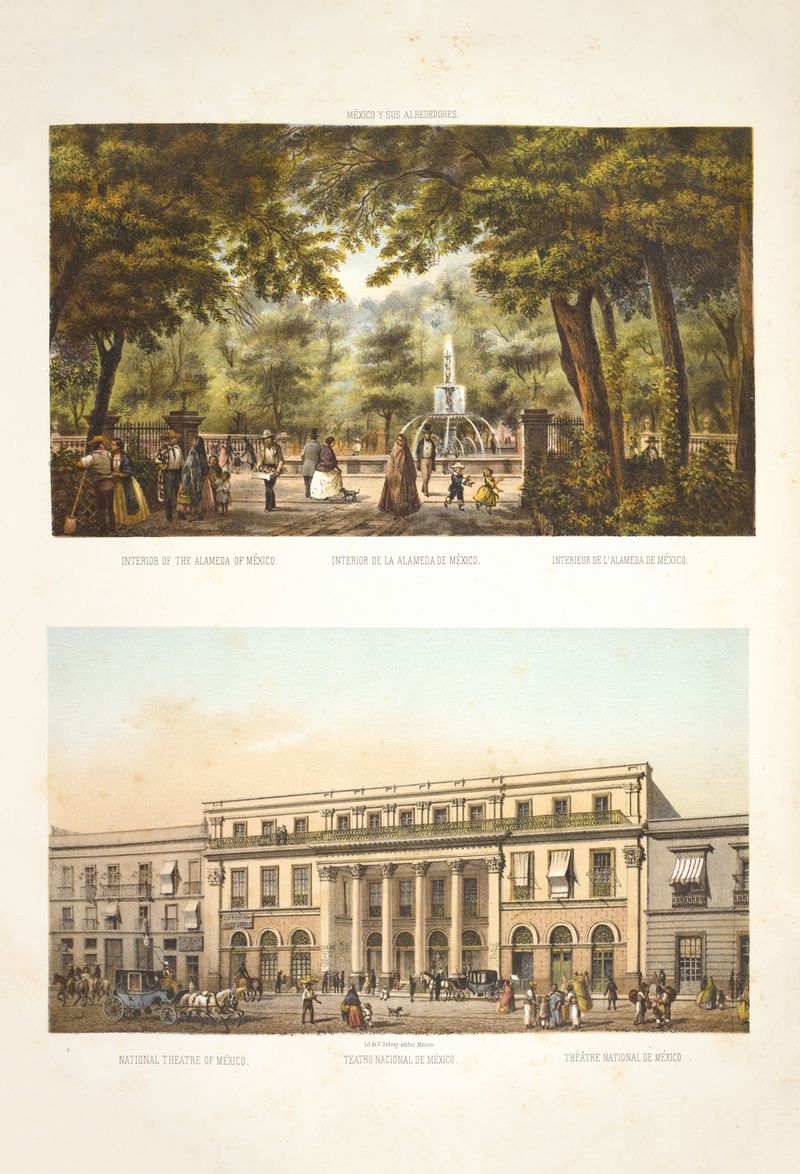
Interior of the Alameda of Mexico ; National Theatre of Mexico.
C. Castro
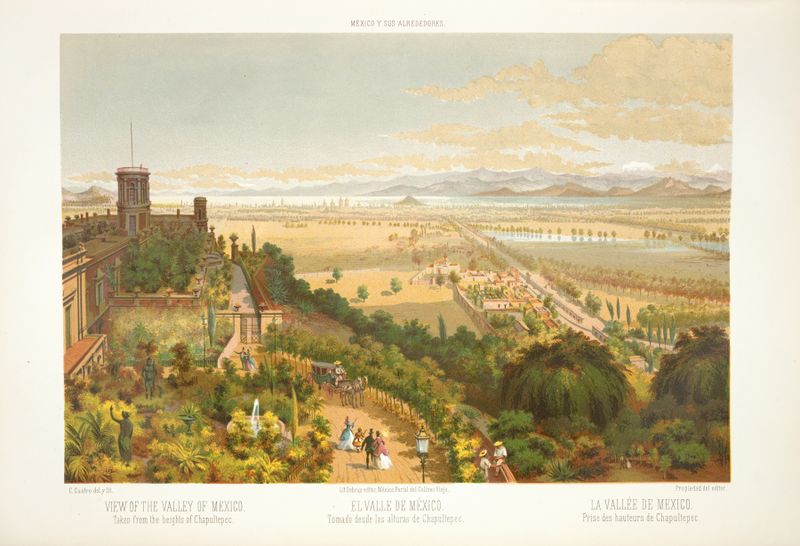
View of the Valley of Mexico, taken from the heights of Chapultepec.
C. Castro
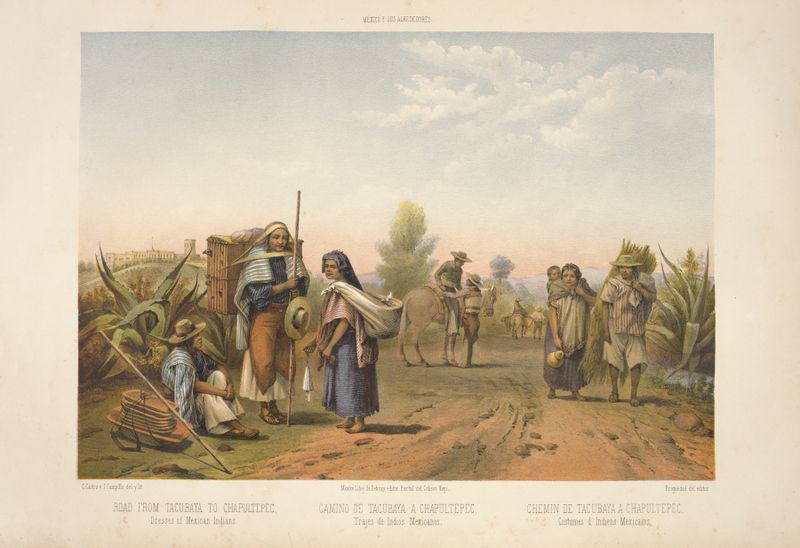
Road from Tacubaya to Chapultepec, dresses of Mexican Indians.
C. Castro
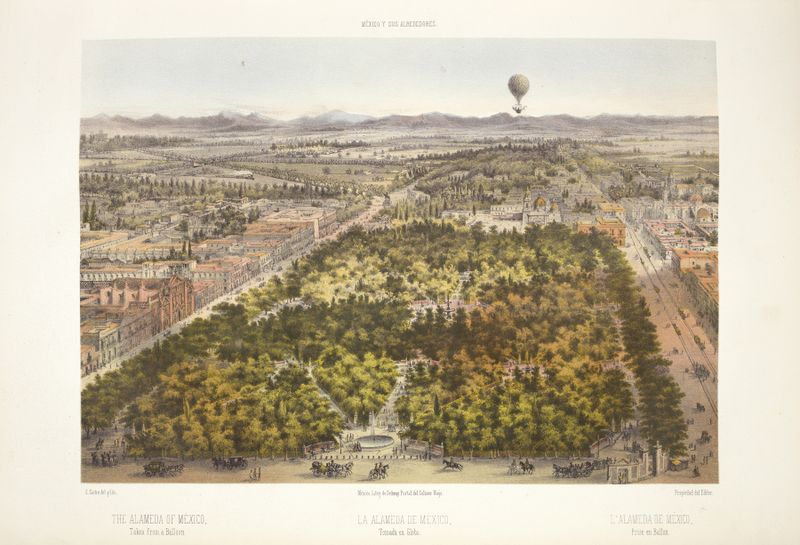
The Alameda of Mexico, taken from a balloon.
C. Castro
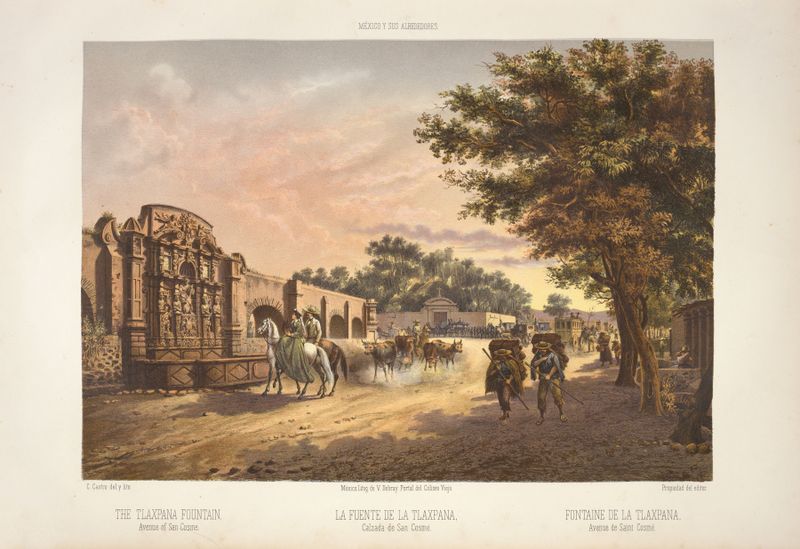
The Tlaxpana fountain, Avenue of San Cosme.
C. Castro
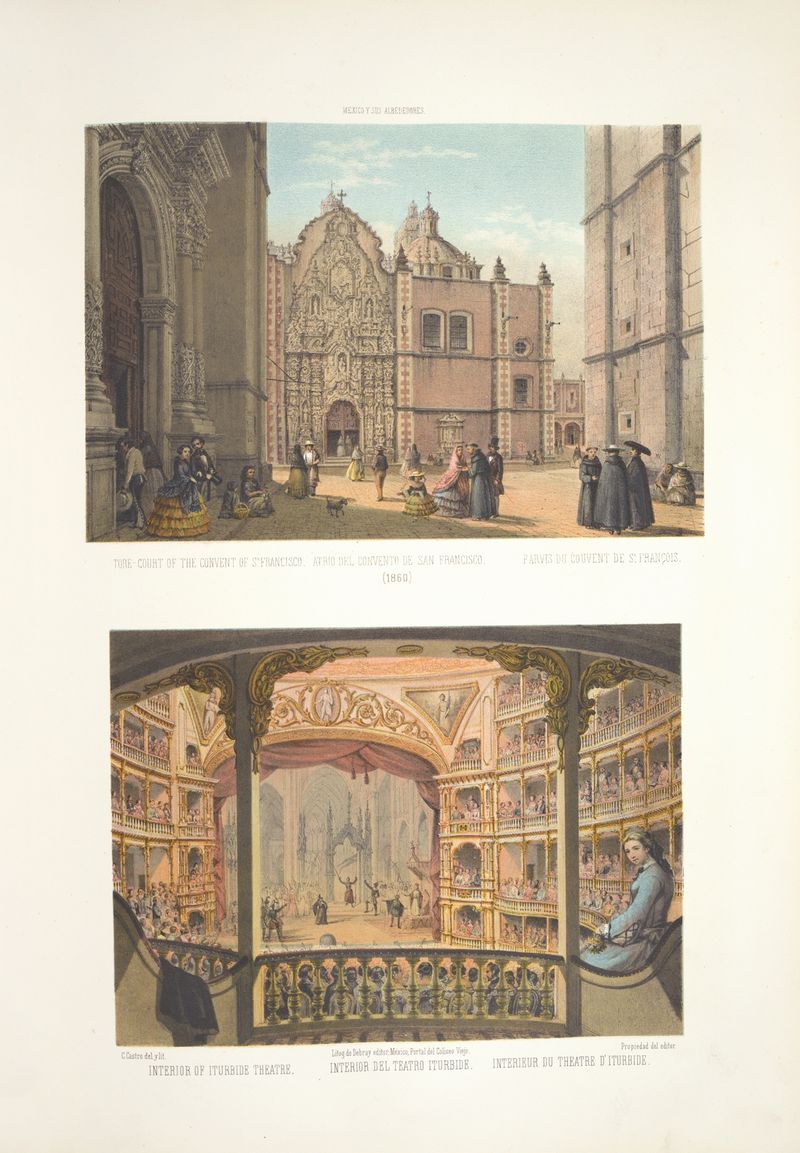
Tore-court of the convent of St. Francisco ; Interior del Teatro Iturbide
C. Castro
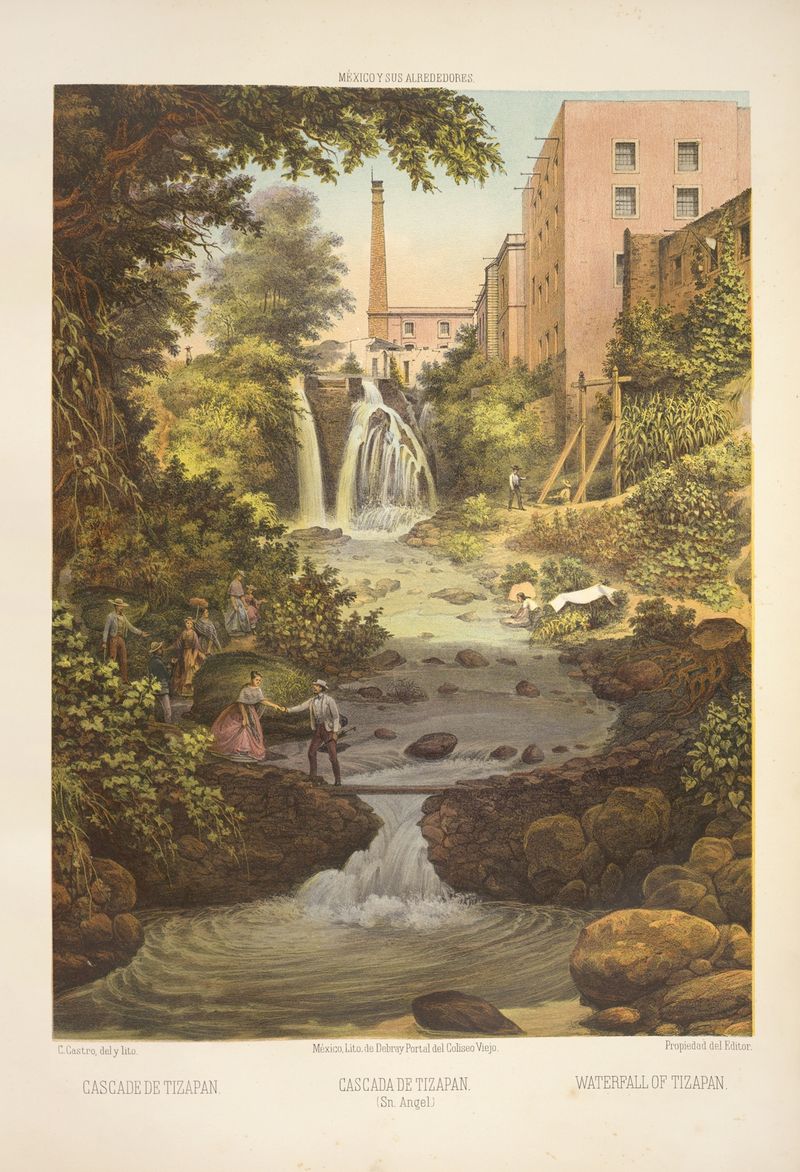
Waterfall of Tizapan
C. Castro
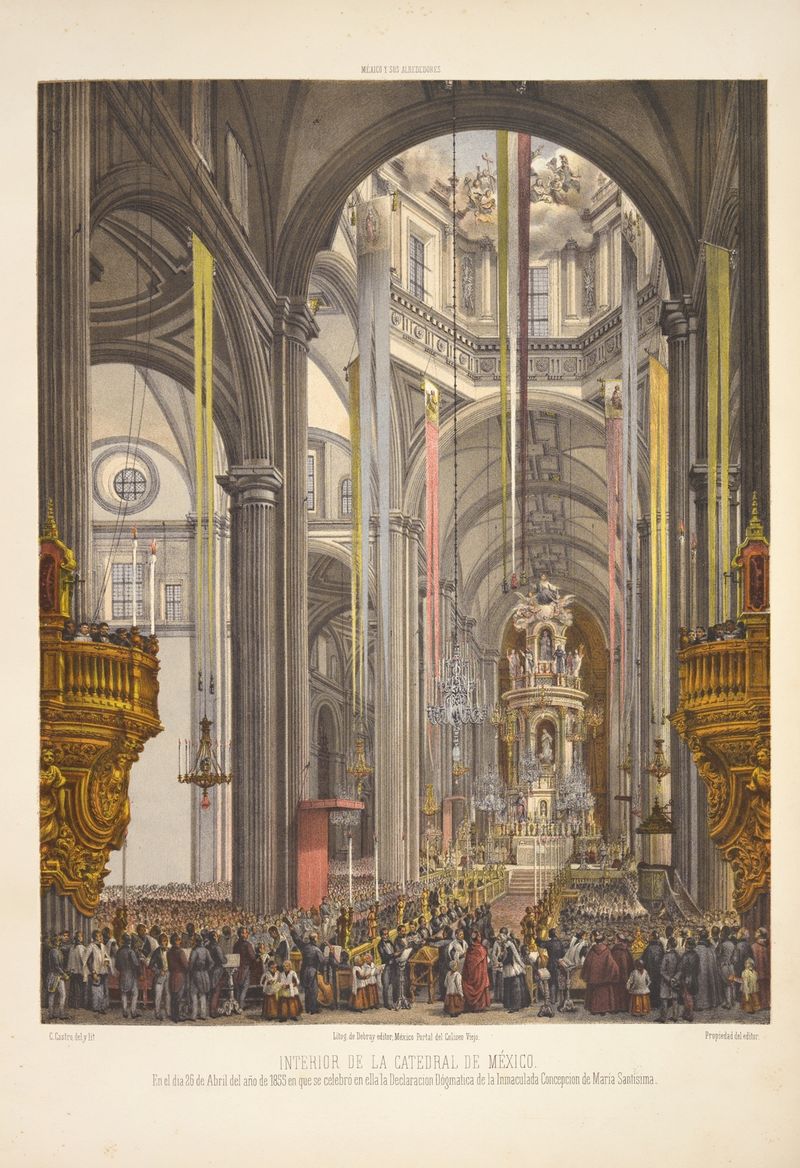
Interior de la Catedral de México. En el dia 26 de Abril del año de 1855 en que se celebró en ella la Declaracion Dógmatica de la Inmaculada Concepcion de María Santisima.
C. Castro
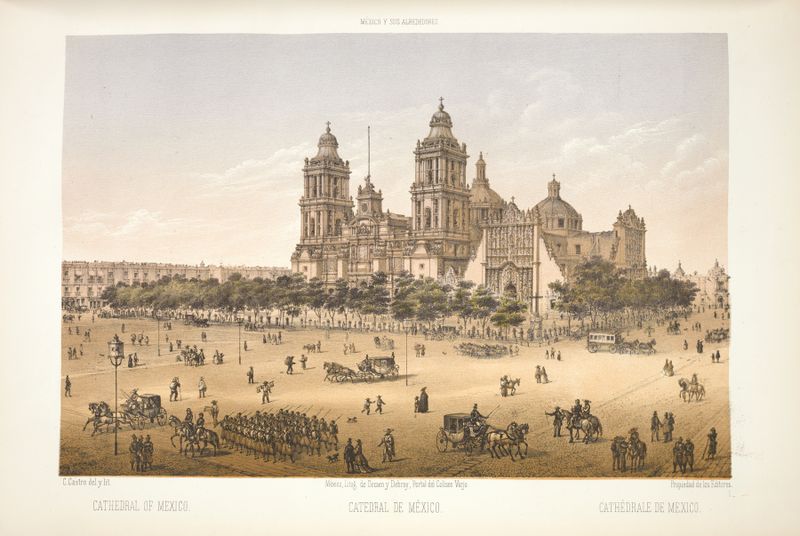
Cathedral of Mexico.
C. Castro
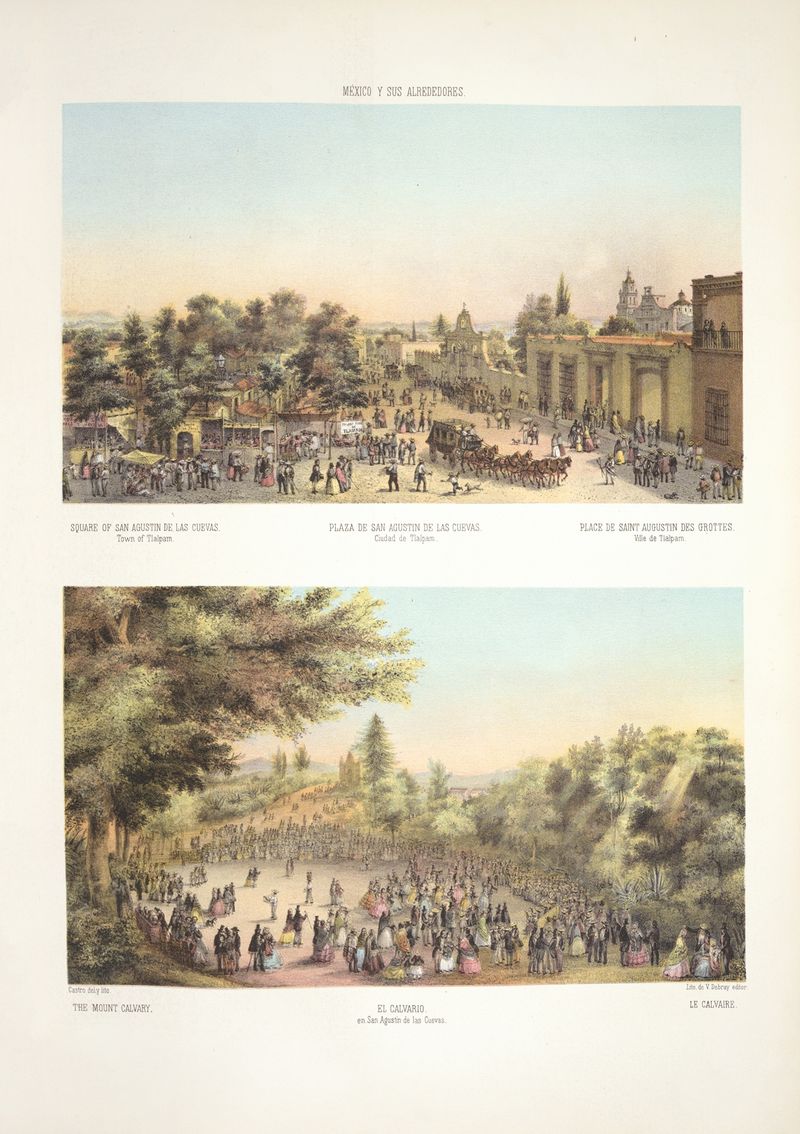
Square of San Agustin de las Cuevas, town of Tlalpam ; The Mount Calvary.
C. Castro





