
Bergkapelle — História e Análise
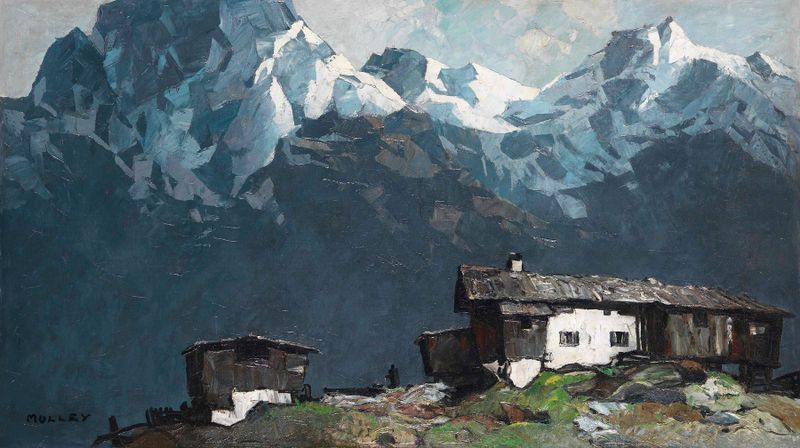
Beneath the surface of Bergkapelle, a haunting obsession weaves through the delicate brushstrokes, inviting contemplation on the duality of allure and sorrow. Look to the center of the canvas where the chapel stands resolute, perched against a backdrop of tumultuous mountains. The structure, painted with a muted palette, contrasts significantly against the shimmering golds that cascade through the sky. Notice how the light filters through the clouds, illuminating the chapel in a way that feels both sacred and eerily isolated, as if it's a beacon holding secrets of the landscape surrounding it. The interplay of shadows and highlights suggests an undercurrent of struggle.
The mountains loom like silent guardians, their jagged edges accentuating the chapel's fragility. This tension between stability and vulnerability mirrors a deeper emotional resonance—perhaps a yearning for solace in an overwhelming world. The gilded hues that wash over the scene can be interpreted as a façade, masking the isolation and obsession that often accompanies beauty and devotion. In 1930, amidst the shifting currents of European art, Oskar Mulley painted Bergkapelle during a period of personal transition, grappling with the aftermath of World War I and the rise of modernism.
Living in Vienna, he was influenced by both the romantic landscapes of his childhood and the emerging avant-garde movements, seeking to capture the complexity of human emotion through serene yet haunting imagery.
Mais obras de Oskar Mulley
Ver tudo →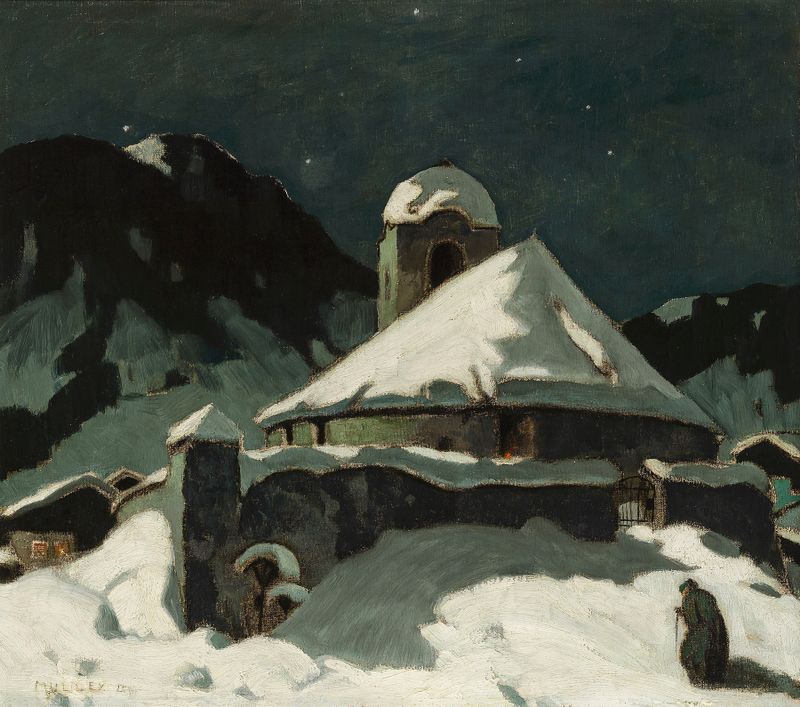
Winternacht im Bergdorf
Oskar Mulley
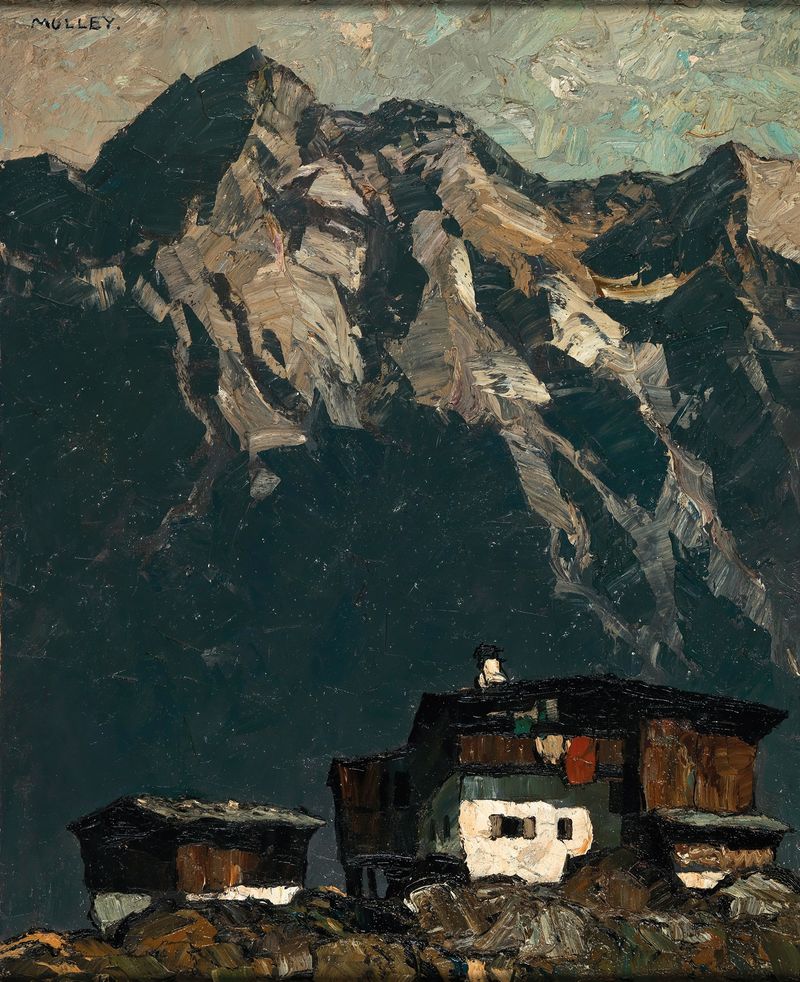
Bauernhof im Hochgebirge
Oskar Mulley
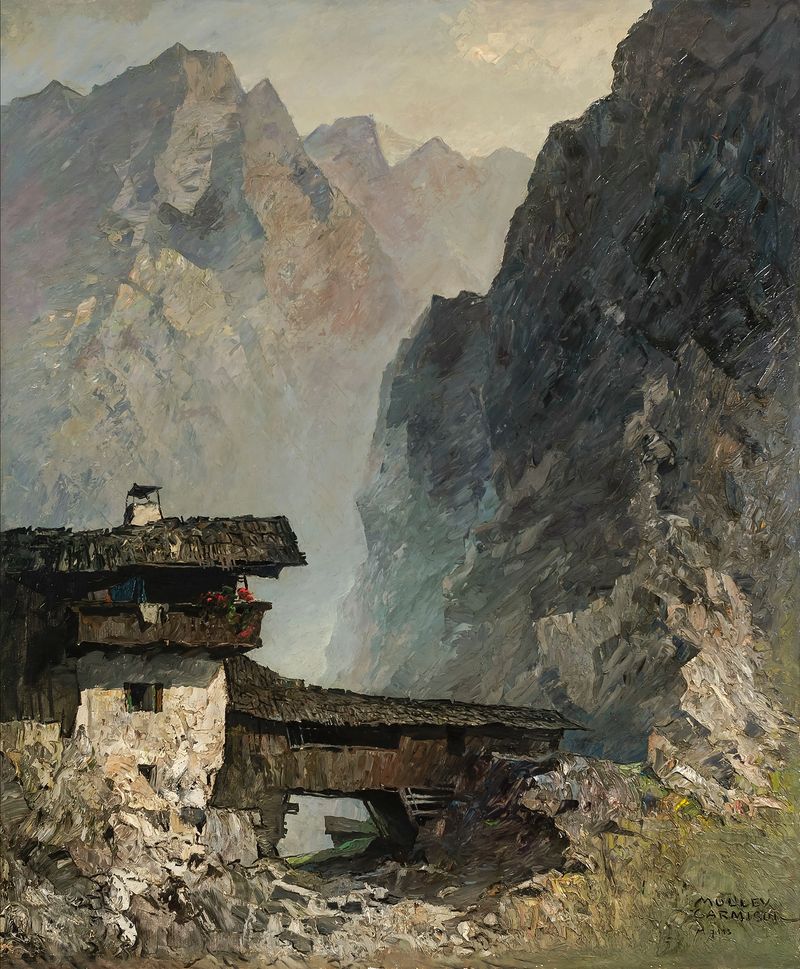
Im Hochtal
Oskar Mulley
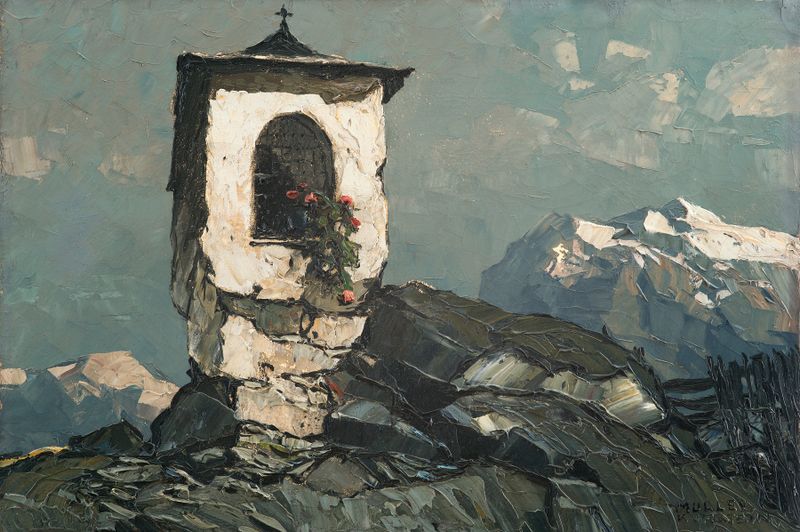
Materl im Hochgebirge
Oskar Mulley
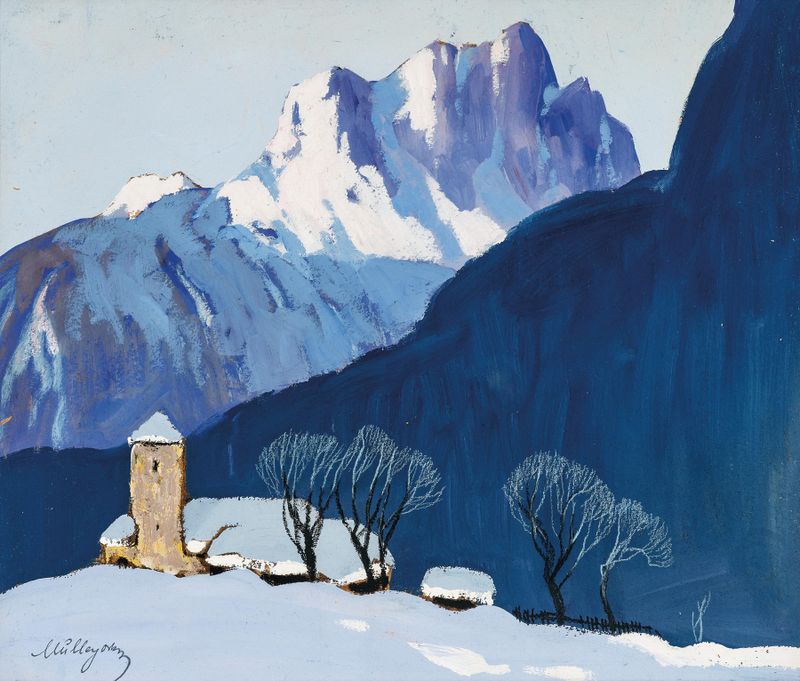
Winterlandschaft vor Bergkulisse
Oskar Mulley
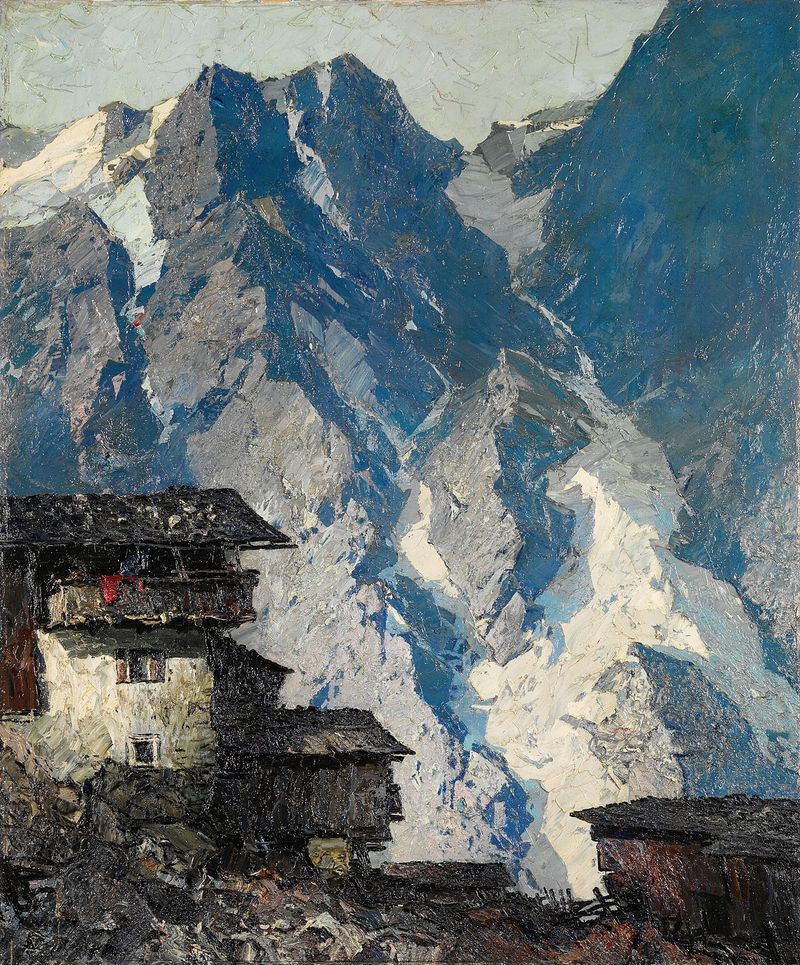
Berghof vor Gletscherlandschaft
Oskar Mulley
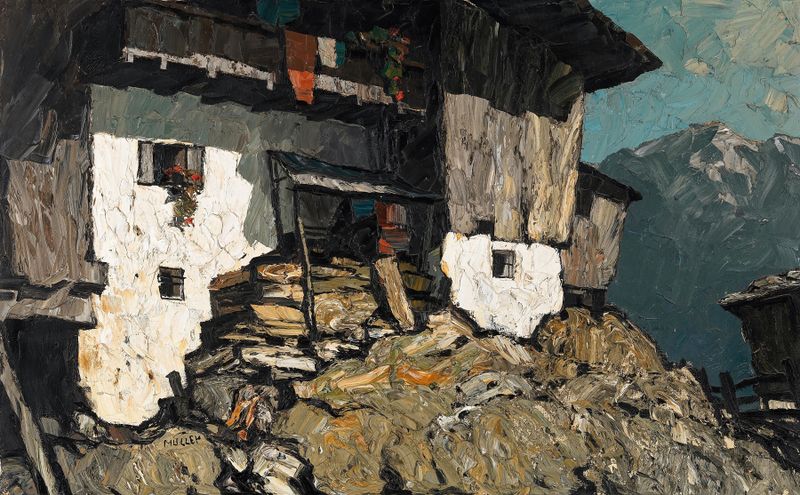
Bergbauernhof
Oskar Mulley
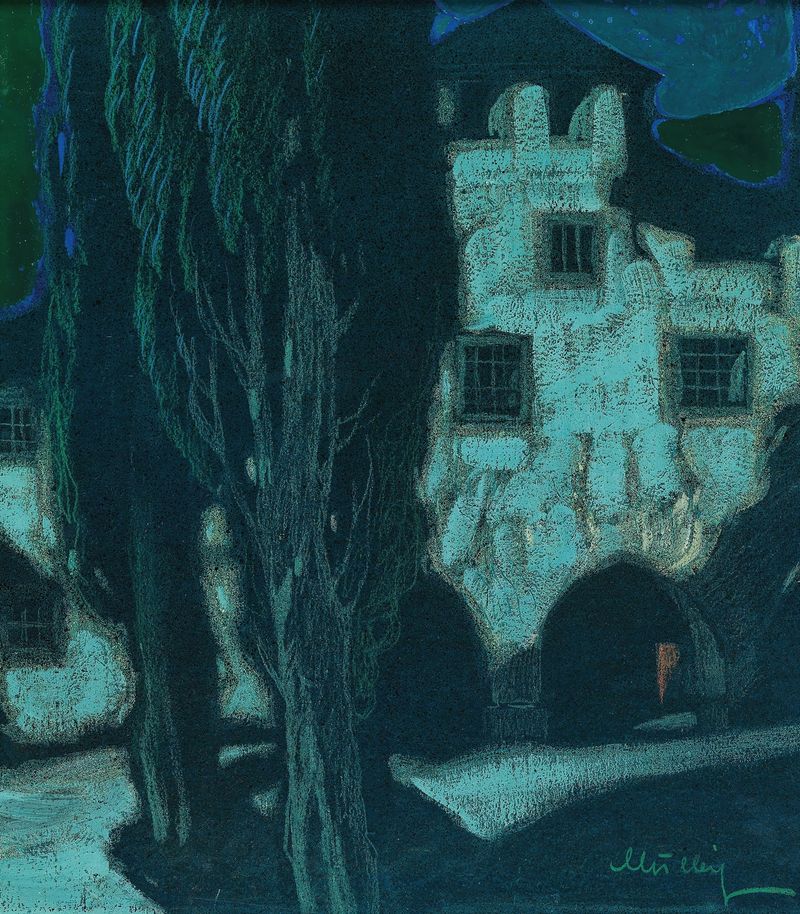
Mondnacht
Oskar Mulley
Bergbauernhof
Oskar Mulley
Hochleger am Bergwald
Oskar Mulley





