
Bick auf Böckstein — História e Análise
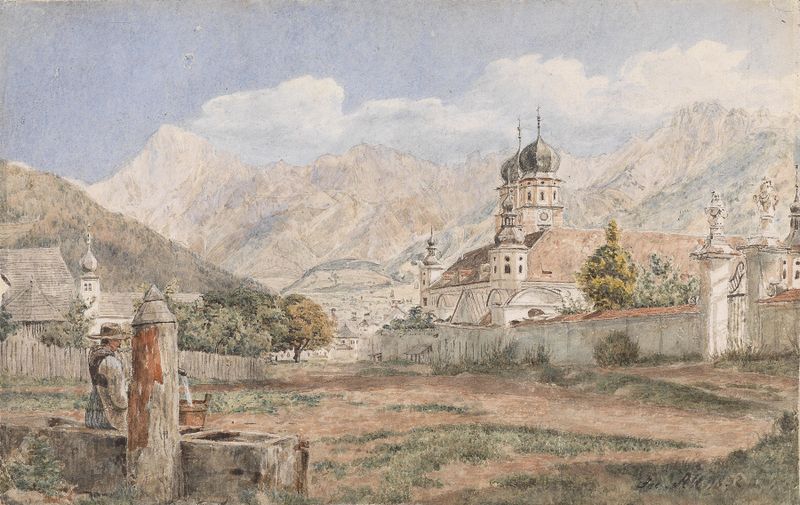
Could beauty survive in a century of chaos? In Bick auf Böckstein, Jakob Alt captures a poignant moment where nature’s resilience intertwines with the inevitability of decay. Look to the foreground, where a quaint village nestles against the backdrop of majestic mountains. The colors shift from warm, inviting hues of earth to the cooler, distant blues, drawing your eye toward the peaks that loom above. Notice how the brushwork evokes the passage of time; the crumbling architecture stands as a testament to history, while lush greenery attempts to reclaim its space.
This interplay of vibrant life and stark decay breathes tension into the scene, inviting a deeper reflection on existence. The juxtaposition of the enduring mountains against the fragile buildings reveals a dialogue between permanence and transience. Alt’s deliberate choice of light casts soft shadows that dance on the village, illuminating the cracks and crevices that speak of forgotten stories. There’s a melancholic beauty in the way nature encroaches upon human structures, hinting at the inevitable return of tranquility after chaos, and perhaps, an acceptance of time's relentless passage. In 1826, while creating this piece, Alt was situated in a world undergoing great change, with romanticism beginning to resonate within the art community.
He was part of a movement that sought to celebrate nature and humanity’s place within it, even as industrialization loomed. His works often reflected a yearning for the picturesque amid societal transformations, making Bick auf Böckstein not just a landscape, but a profound meditation on resilience in the face of decay.
Mais obras de Jakob Alt
Ver tudo →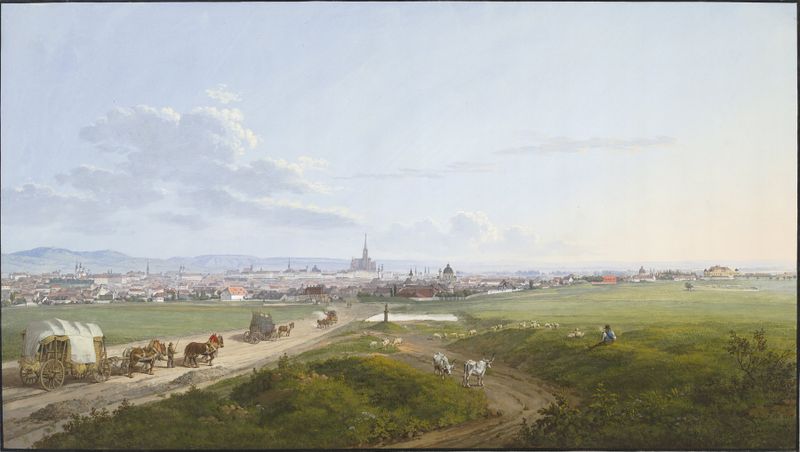
View of Vienna from the Spinner on the Cross, 1817
Jakob Alt
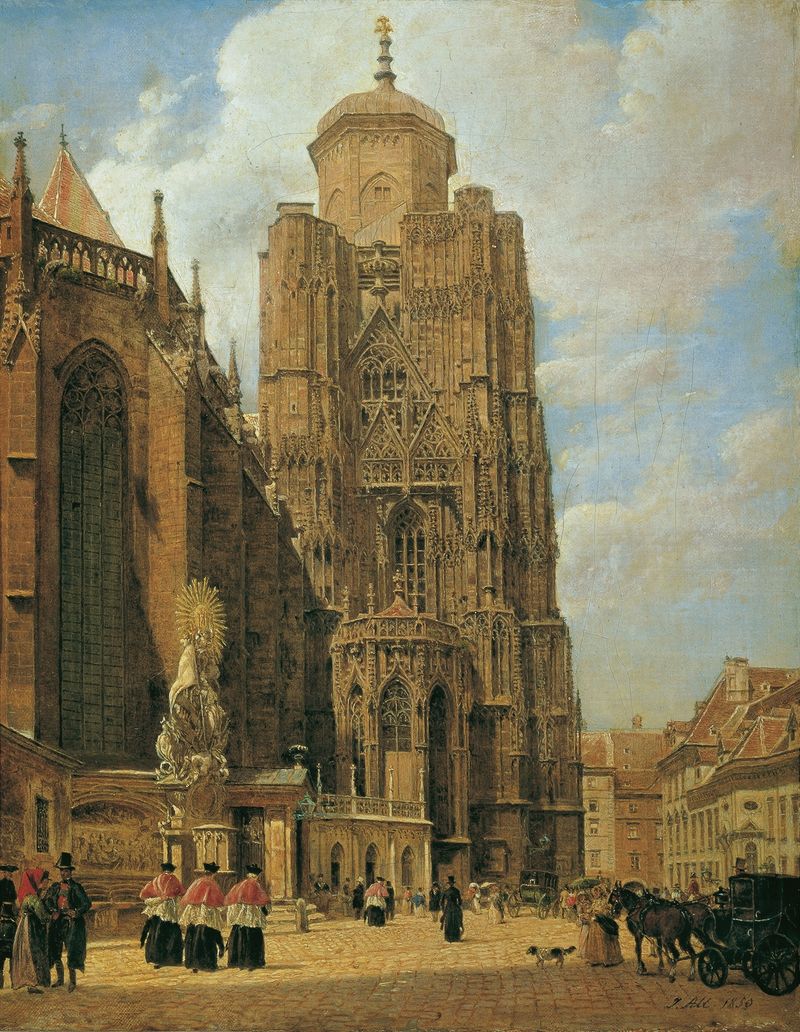
Der Stephansdom in Wien
Jakob Alt
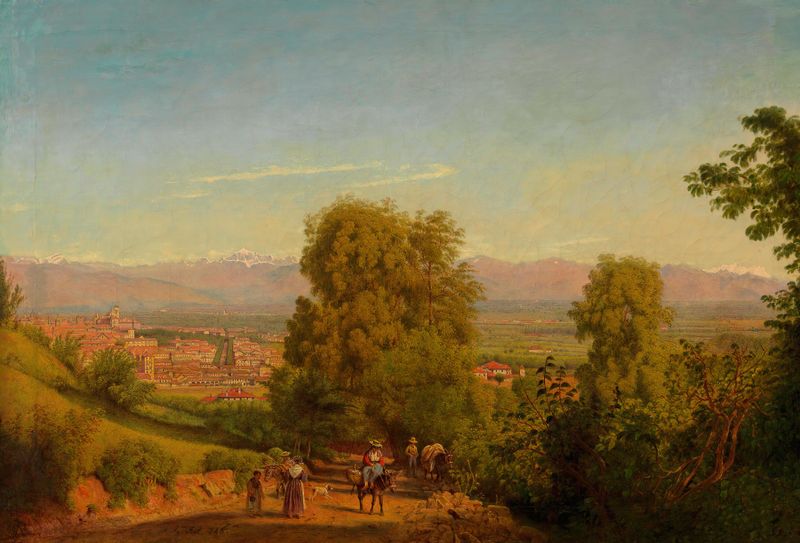
Ansicht von Turin
Jakob Alt
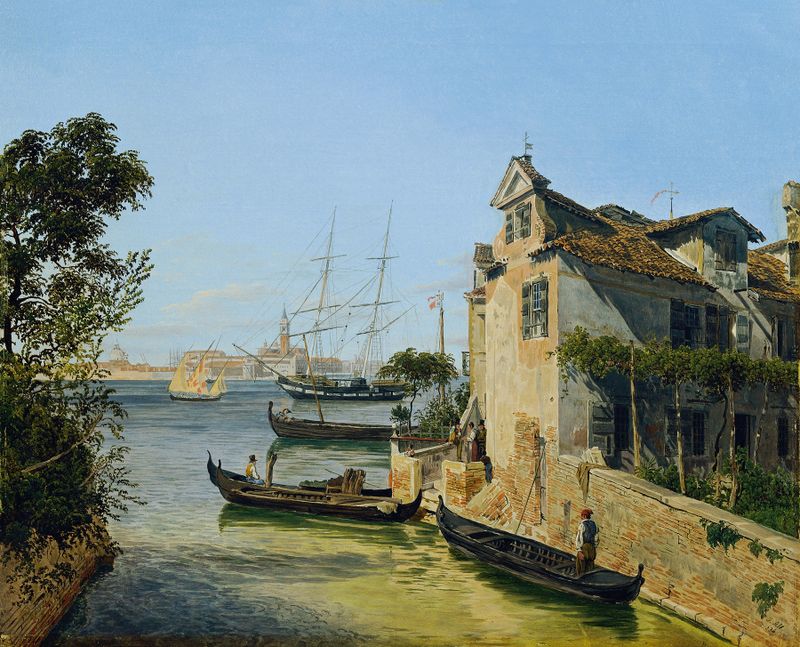
Blick auf San Giorgio Maggiore in Venedig
Jakob Alt
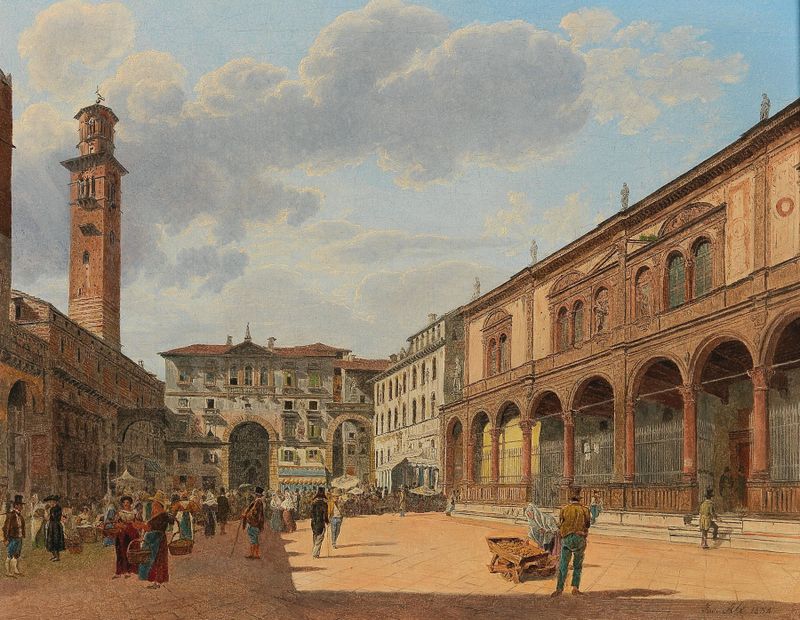
Verona, a view of Piazza delle Erbe
Jakob Alt
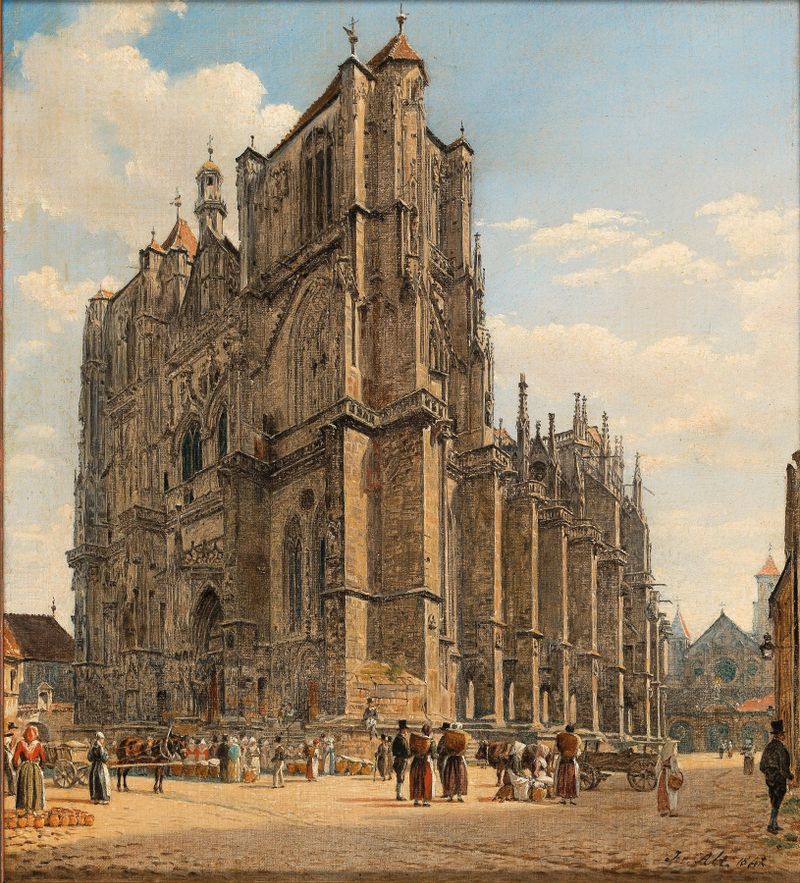
A View of the Regensburg Cathedral
Jakob Alt
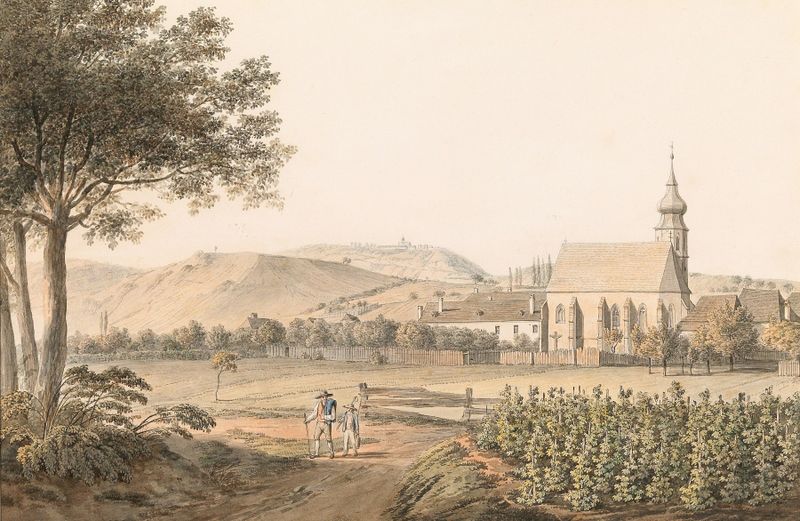
A view of Dobrota towards Mula in the Canale of Cattaro
Jakob Alt
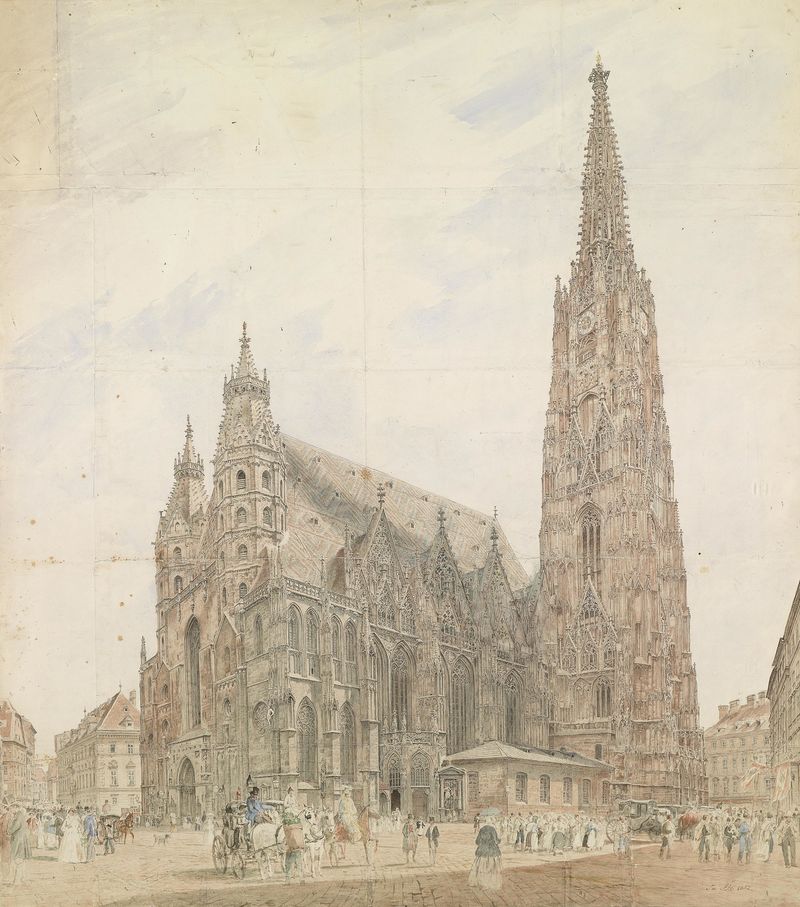
Stephansdom in Wien
Jakob Alt
Stift Stams
Jakob Alt
II. Donaugegend
Jakob Alt





