Blühender Klostergarten — História e Análise
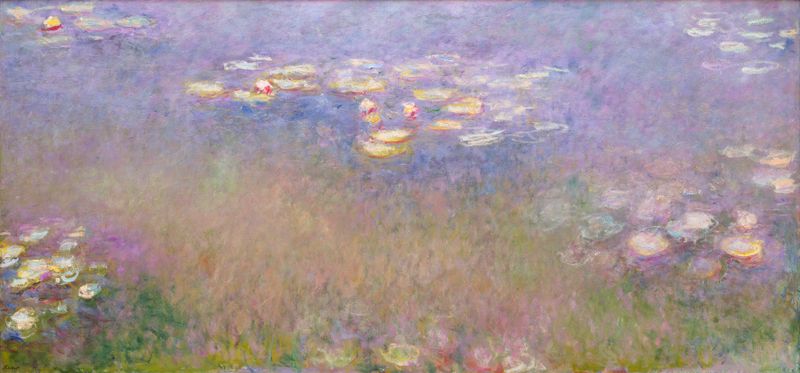
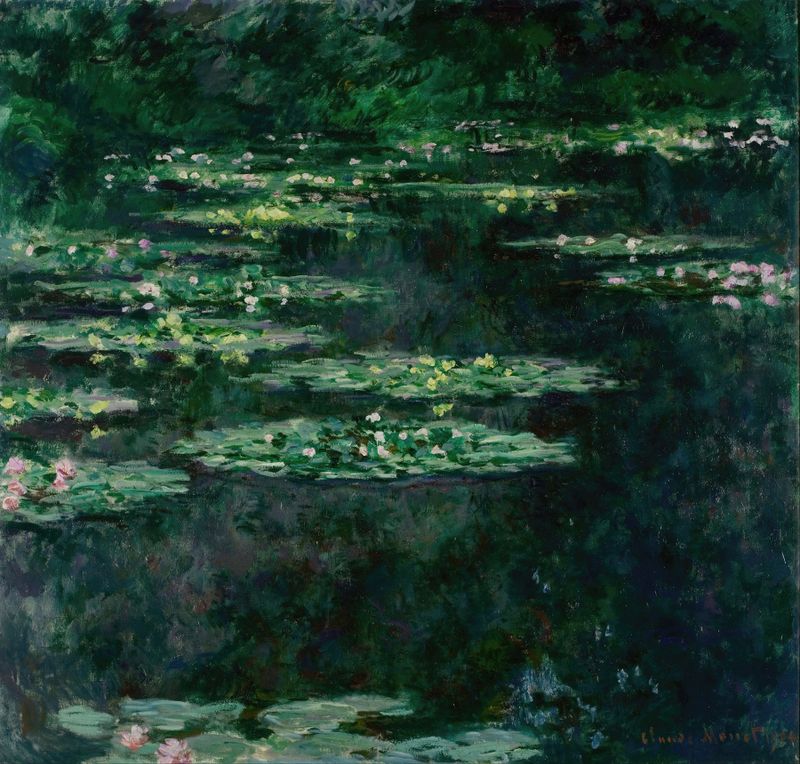
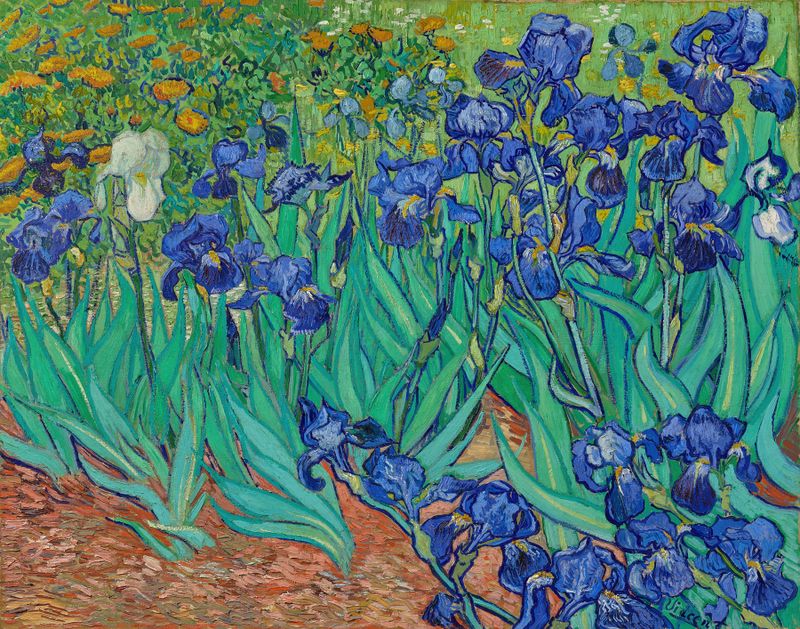
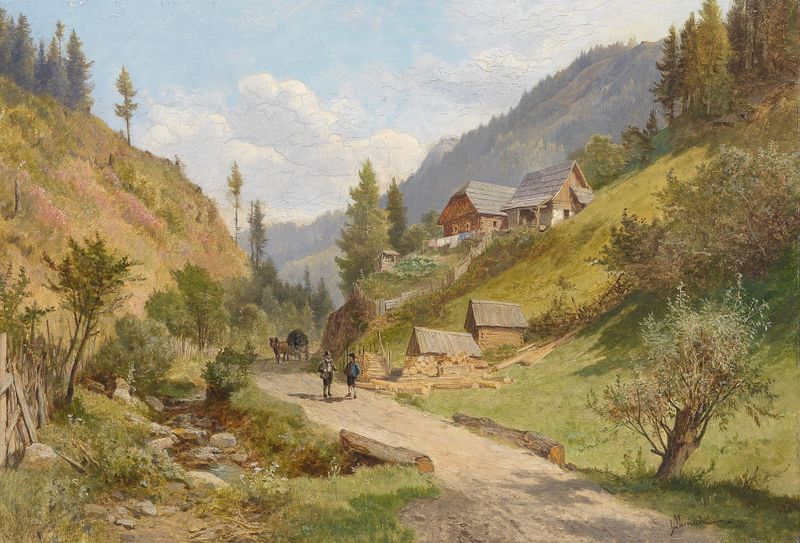
Who listens when art speaks of silence? In Blühender Klostergarten, the stillness of a blooming monastery garden invites contemplation on nature’s resilience amid the quiet echoes of revolution. Look to the center of the canvas, where lush foliage bursts forth in vibrant greens and delicate floral hues. Each petal seems to pulsate with life, while the structured layout of the garden draws the eye inward, creating a sense of harmony and peace. Notice how the light filters through the leaves, casting dappled shadows that dance across the cobblestone paths, reminiscent of whispers shared among the flowers.
The artist's brushstrokes convey a tender intimacy, encapsulating both the beauty and fragility of this sacred space. Hidden beneath the surface, this garden becomes a metaphor for rebirth and resistance. The juxtaposition of the orderly design with the wildness of nature suggests a nurturing strength, a sanctuary that flourishes even when external chaos looms. Each bloom symbolizes hope, while the enclosing walls offer protection from the turmoil outside.
This duality speaks to the silent power of art to reflect societal shifts, evoking an emotional tension that resonates deeply with viewers. Leopold Munsch painted this piece during a time when Europe was on the brink of social and political upheaval. While the exact date remains uncertain, Munsch was active in the late 19th century, a period marked by artistic experimentation and revolutionary fervor. The serene garden setting in Blühender Klostergarten thus serves not only as a retreat from the tumultuous world but also as a reflection of Munsch's contemplation on the changing tides of his era.
Mais obras de Leopold Munsch
Ver tudo →
View from the Kahlenberg to the Leopoldsberg
Leopold Munsch
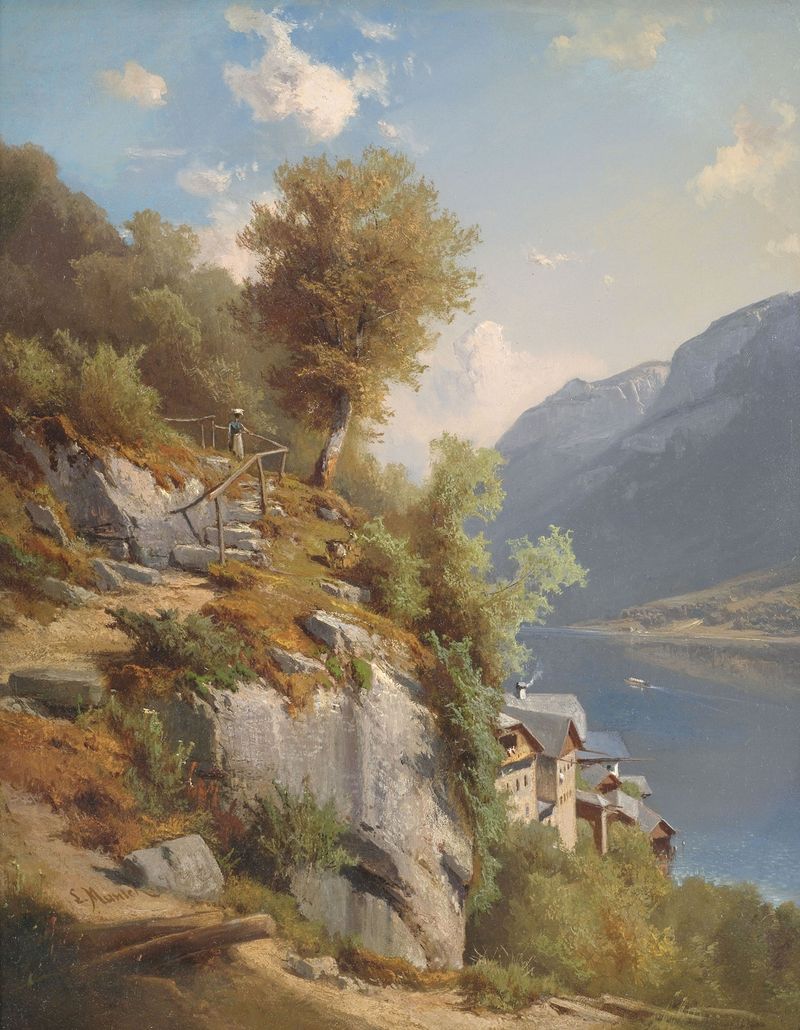
Sommerliche Landschaft mit Blick auf den Hallstätter See
Leopold Munsch
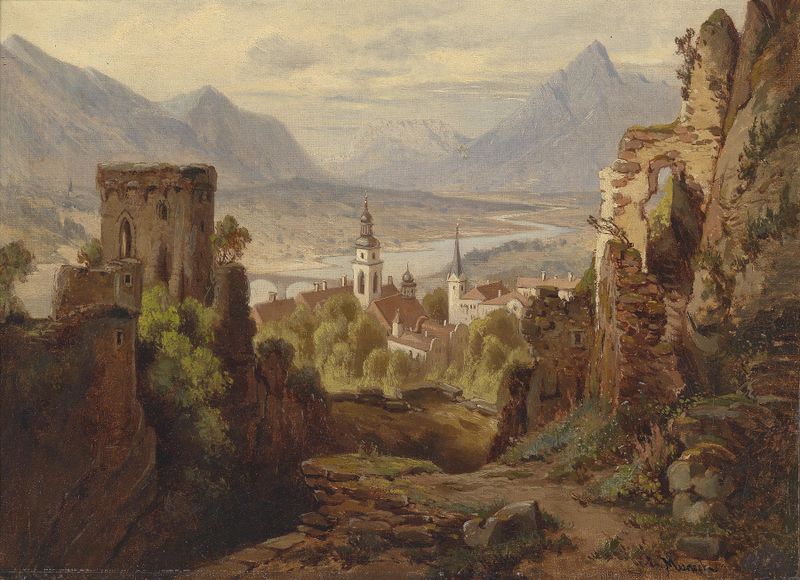
Blick auf Rattenberg am Inn
Leopold Munsch

Burg Taufers
Leopold Munsch
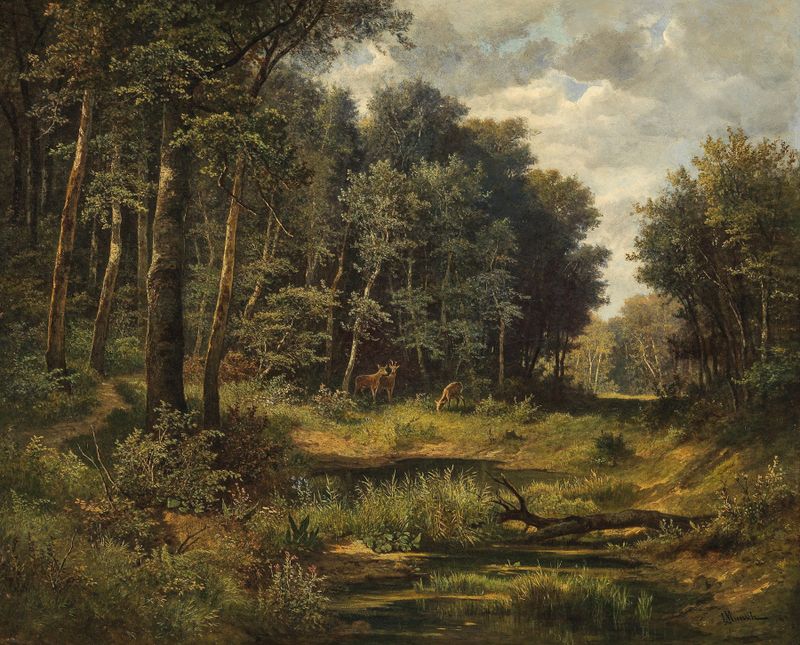
Roe Deer at the Forest Pond
Leopold Munsch
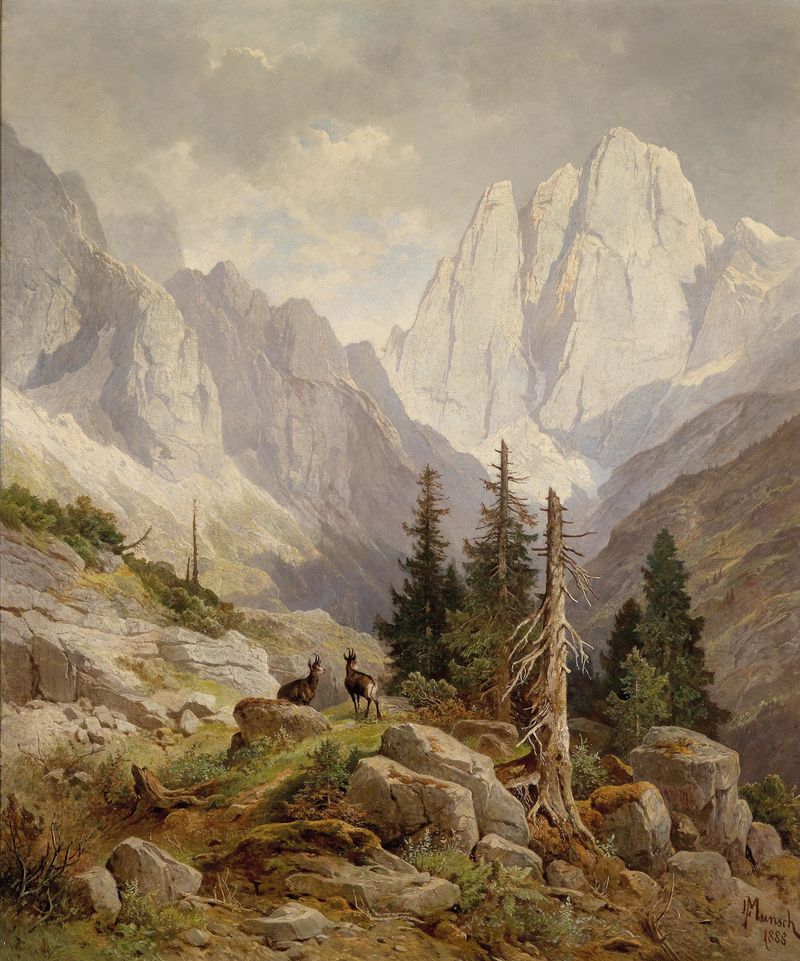
Gämsen im Hochgebirge
Leopold Munsch

Alte Häuser in Hallstadt
Leopold Munsch
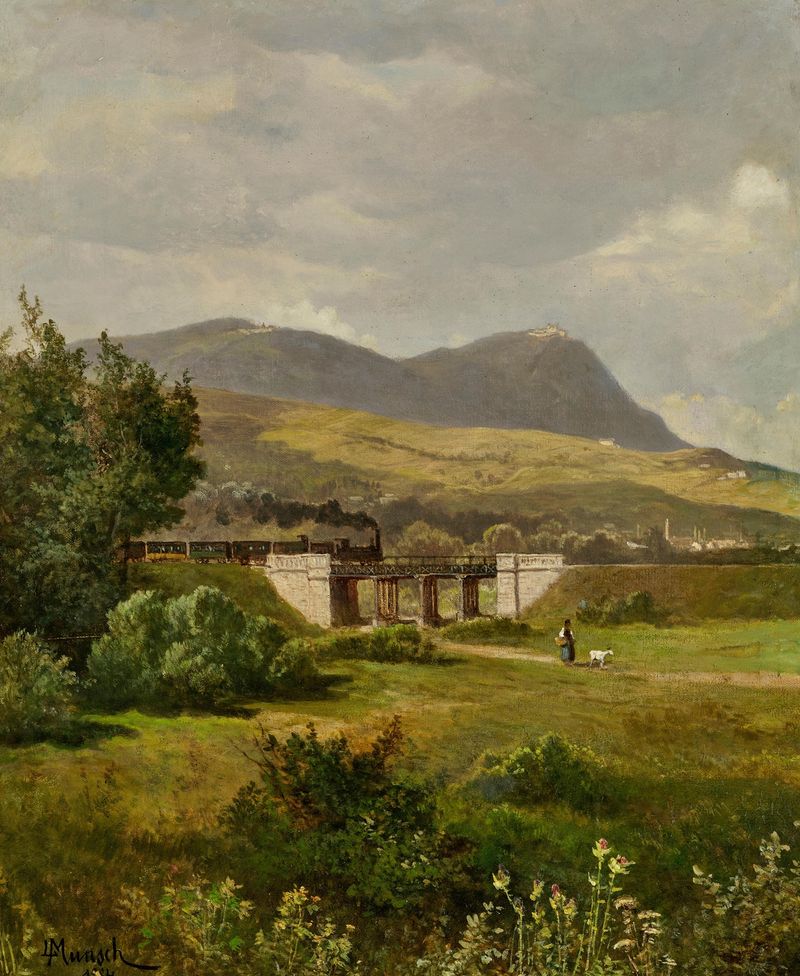
A Steam Train, with Leopoldsberg and Kahlenberg in the Background
Leopold Munsch
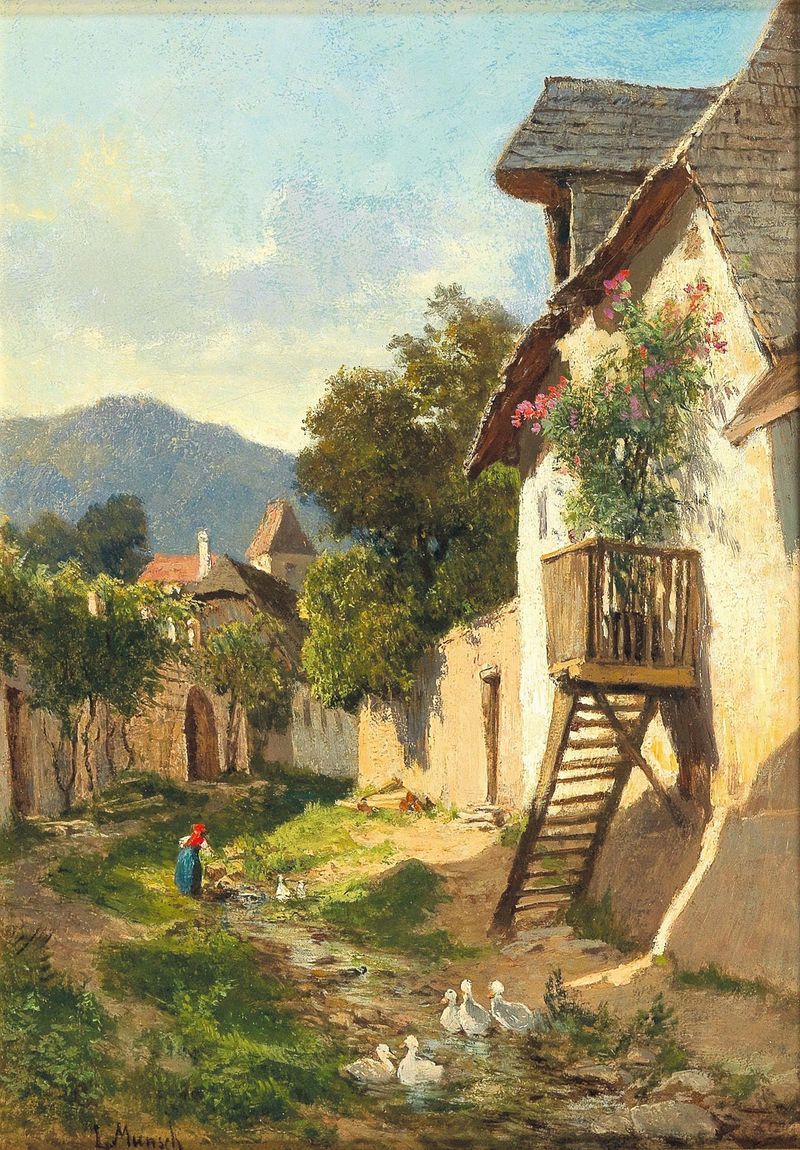
Scene of the Wachau
Leopold Munsch
Landschaft in Niederösterreich
Leopold Munsch