
Boer met blank wapenschild — História e Análise
Can beauty exist without sorrow? This question reverberates through the canvas, challenging perceptions of joy interwoven with shadows of madness. Focus on the central figure, the peasant, his gaze piercing through the painted surface as if to breach the barrier between observer and observed. Notice the intricate details of his attire—the meticulous embroidery on his garment reflects the skill of the artist, while the blank shield he holds subtly suggests a void. The color palette, rich yet somber, underscores the tension between his rugged exterior and the sterile emptiness of the shield.
This juxtaposition invites contemplation of identity, pride, and the weight of expectations. Delve deeper into the symbolism of the blank shield—it signifies not just a lack of heraldry but hints at a struggle for self-definition in a world steeped in societal roles. The peasant’s expression oscillates between defiance and vulnerability, embodying the madness that lurks beneath the surface of beauty. Each texture in the painting, from the coarse fabric to the smooth skin, evokes a visceral reality, reflecting the duality of existence where beauty is often tinged with pain. Created between 1475 and 1480, this work emerged during a time of profound change in Northern Europe.
The artist, known for their connection to the rich traditions of the Amsterdam School, navigated a milieu influenced by burgeoning humanism and the shifting dynamics of class and identity. The intricacy of this work speaks to an artist grappling with the complexities of humanity, highlighting how art becomes a mirror reflecting both the splendor and the madness of life.
Mais obras de Meester van het Amsterdamse Kabinet
Ver tudo →
De Heilige Familie bij de rozenstruik
Meester van het Amsterdamse Kabinet

Hertenjacht
Meester van het Amsterdamse Kabinet
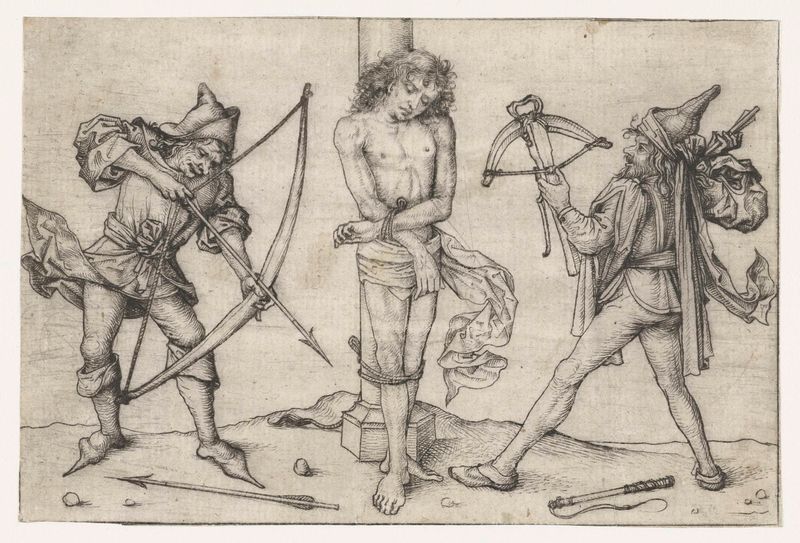
Heilige Sebastiaan met boogschutters
Meester van het Amsterdamse Kabinet

Het lichaam van Christus ondersteund door twee engelen
Meester van het Amsterdamse Kabinet

Heilige Anna-te-Drieën
Meester van het Amsterdamse Kabinet

Heilige Barbara (grote versie)
Meester van het Amsterdamse Kabinet
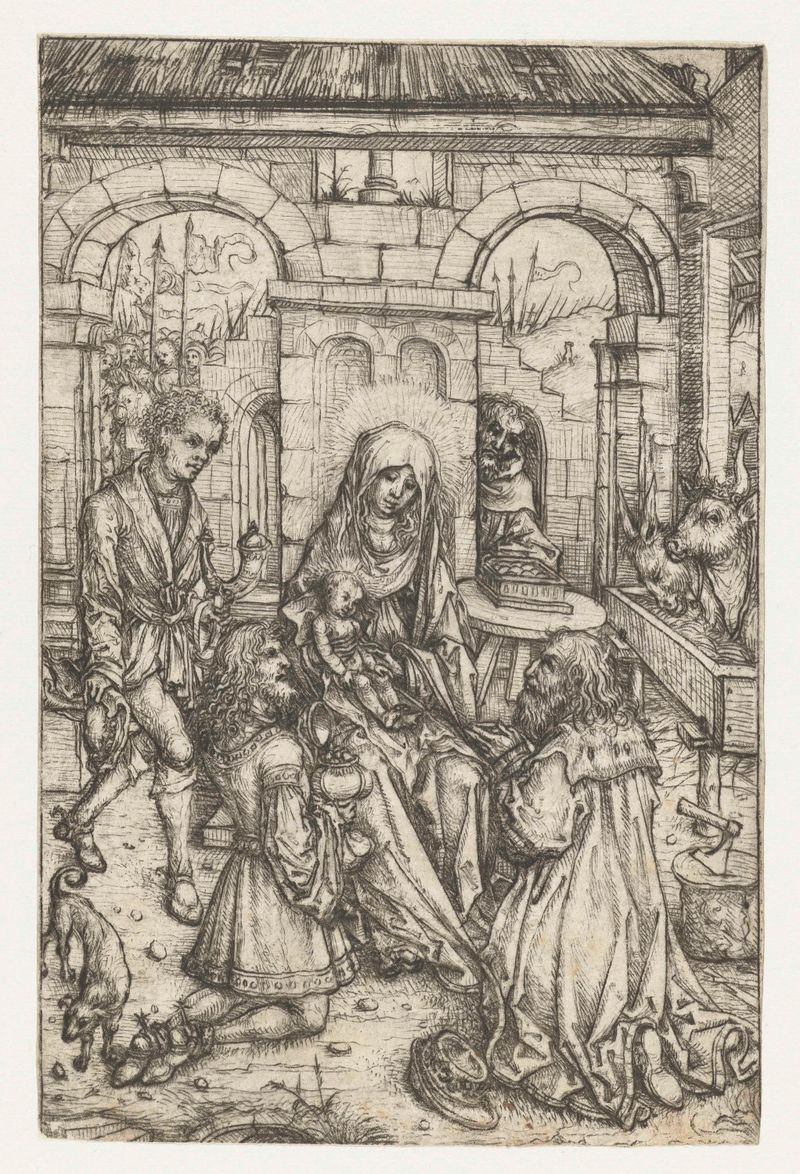
Aanbidding der koningen
Meester van het Amsterdamse Kabinet
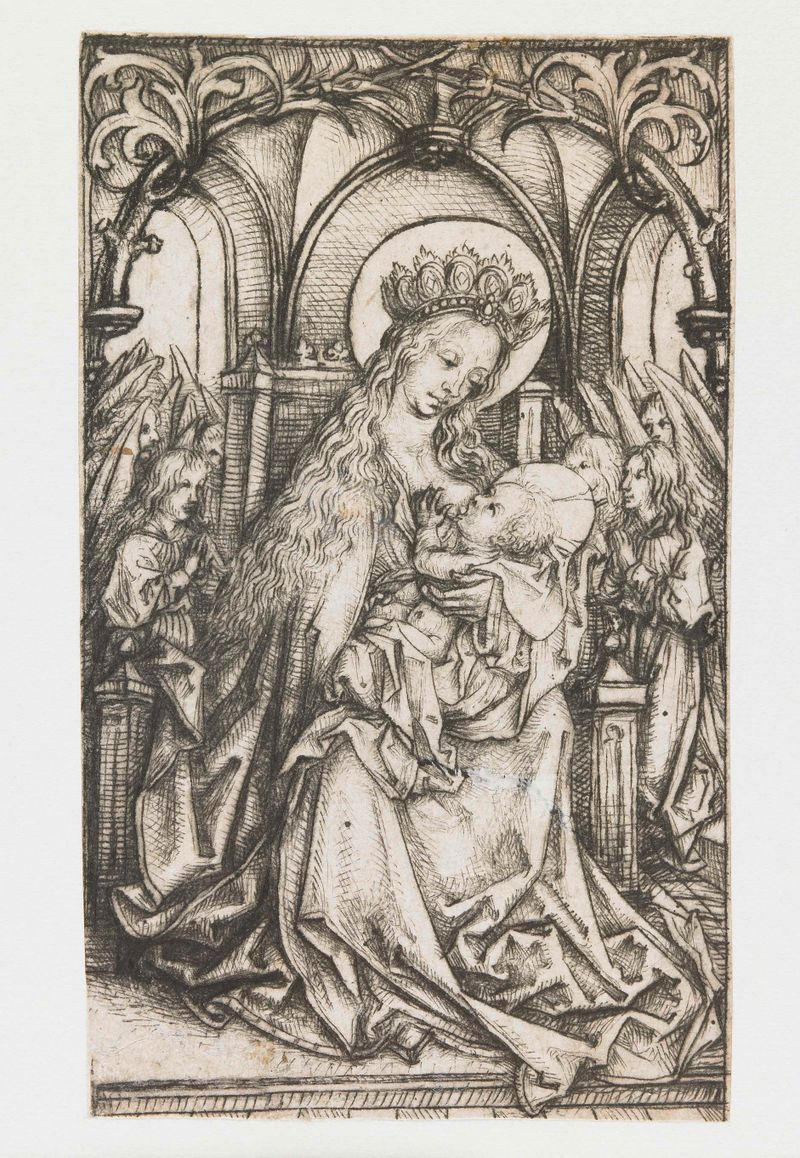
Tronende Madonna door engelen aanbeden
Meester van het Amsterdamse Kabinet

Het zegenend Christuskind
Meester van het Amsterdamse Kabinet
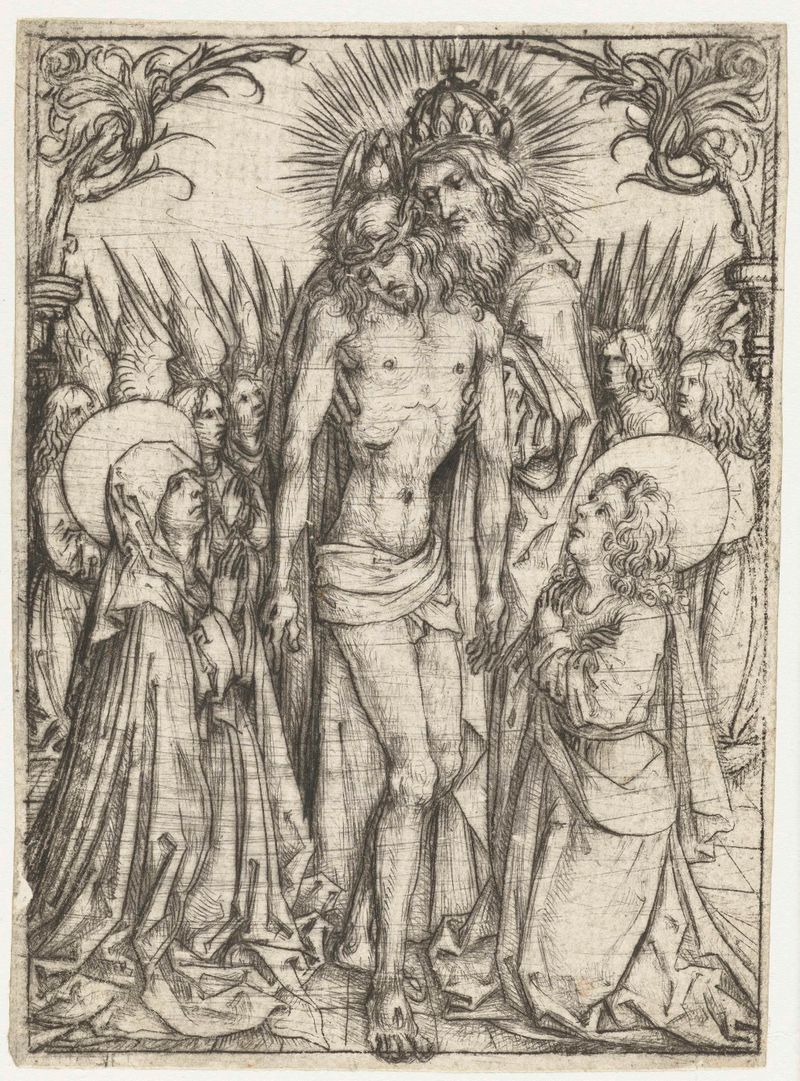
Aanbidding van de Heilige Drieëenheid door Maria, Johannes de Evangelist en engelen
Meester van het Amsterdamse Kabinet





