Bos met berkebomen — História e Análise
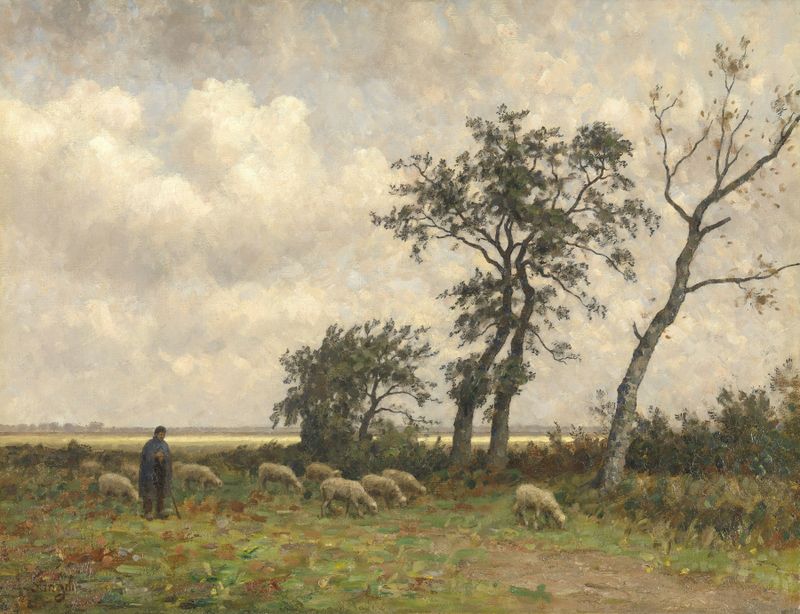
In the tender moments of creation, artists channel their inner turmoil and joy into brush and canvas, revealing the profound contrasts of existence. Look to the left at the gentle sway of the birch trees, their silvery trunks capturing the dappled sunlight that filters through the foliage. This play of light and shadow creates a serene yet dynamic atmosphere, inviting the viewer to lose themselves in the verdant embrace of nature. The harmonious palette of greens and browns grounds the composition, while the delicate strokes suggest a sense of movement, as if the trees are whispering secrets amidst the stillness of the forest. Beneath the tranquil surface lies a deeper tension—one between the vibrancy of life and the inevitability of decay.
Every leaf is a reminder of ephemeral beauty, while the sturdy trunks offer a contrasting resilience. The juxtaposition of lush foliage against the simplicity of the earth hints at the delicate balance of creation and destruction, a duality that resonates with human experience. The viewer feels a quiet reverence for the natural world, intertwined with an awareness of its fleetingness. Alphonse Stengelin painted Bos met berkebomen during the early 20th century, a period marked by significant artistic transformations and movements.
Working primarily in Belgium, he was influenced by the Symbolist and Impressionist styles that sought to capture the essence of nature and emotion. This painting reflects his dedication to exploring the interplay of light and form, as well as his desire to convey a deeper truth through the beauty of the landscape.