
Capel Curig, Caernarvonshire, Wales — História e Análise
Could beauty survive in a century of chaos? In the 1840s, this question lingered in the air, ripe for exploration in art as the world grappled with change. Look toward the horizon, where layers of misty blue mountains rise gently against a soft sky, invoking a sense of peace that contrasts with the tumult of the era. Notice how the brushstrokes seem to soften the edges of reality, blending earthy greens with delicate whites and blues. Each stroke brings life to the landscape, while the subtle interplay of light and shadow creates a tranquil yet dynamic atmosphere.
The winding path invites the viewer to journey deeper into the serene wilderness, evoking feelings of solace amidst uncertainty. The careful composition reveals a transformation; the natural world seems to cradle the fleeting beauty of existence against the backdrop of industrial upheaval. The humble cottages nestled in the valley hint at human presence, yet they appear almost swallowed by the vastness of nature, suggesting a delicate balance between humanity and the great outdoors. This harmony invites contemplation—can the essence of beauty endure, even as society evolves? During the 1840s, David Cox was deeply immersed in the Romantic movement, residing primarily in England and known for his evocative landscapes.
This period was marked by a shift toward realism and a growing fascination with the natural world, even as industrialization loomed large. Creating Capel Curig, Caernarvonshire, Wales in this context, he captured not only the stunning Welsh landscape but also the enduring spirit of beauty amidst the chaos of his time.
Mais obras de David Cox
Ver tudo →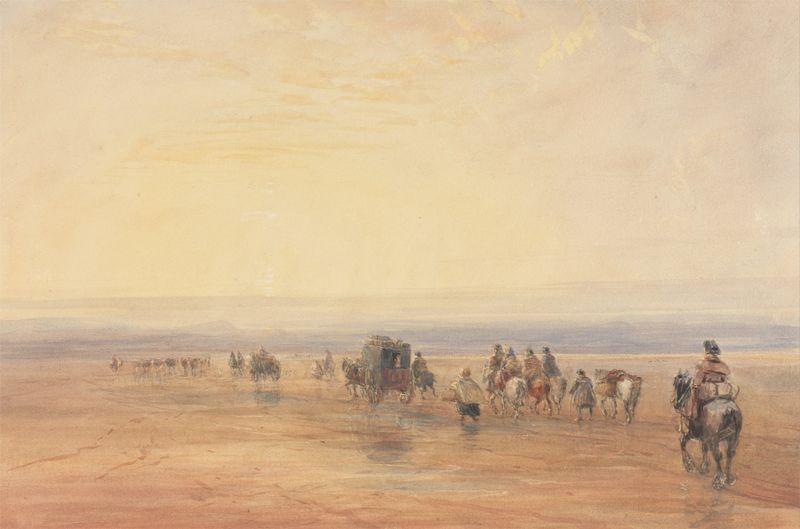
Crossing Lancaster Sands
David Cox
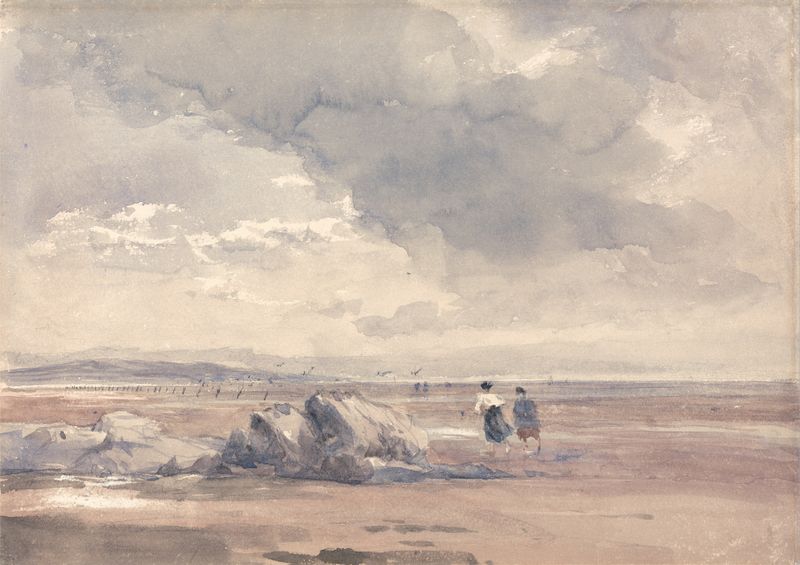
On Lancaster Sands, Low Tide
David Cox

Lincoln Cathedral from Brayford Pool
David Cox

View in Wales
David Cox
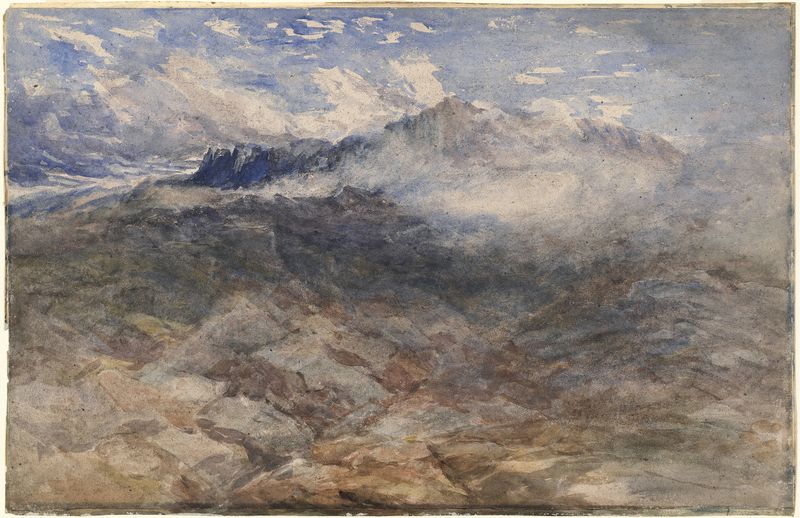
Mountain Heights, Cader Idris
David Cox

Bergen op Zoom
David Cox

Boating Before Lambeth Palace, London
David Cox
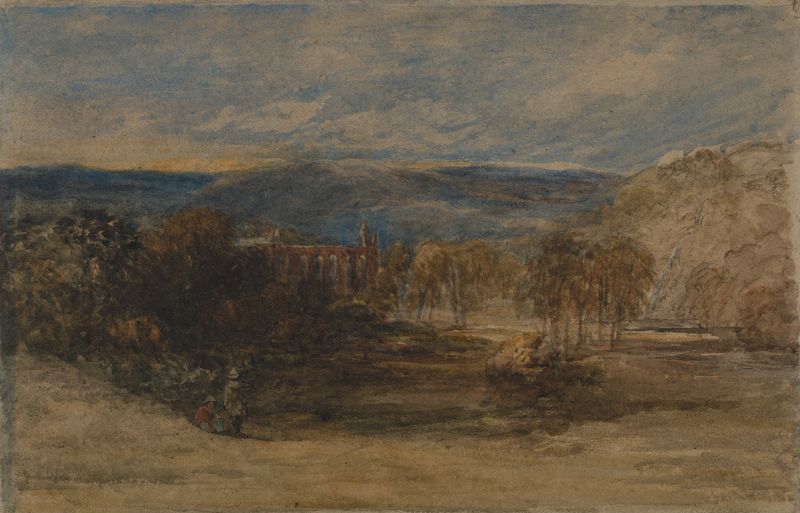
Bolton Abbey
David Cox

London Bridge
David Cox
Westminster from Lambeth
David Cox





