
Chalands amarrés — História e Análise
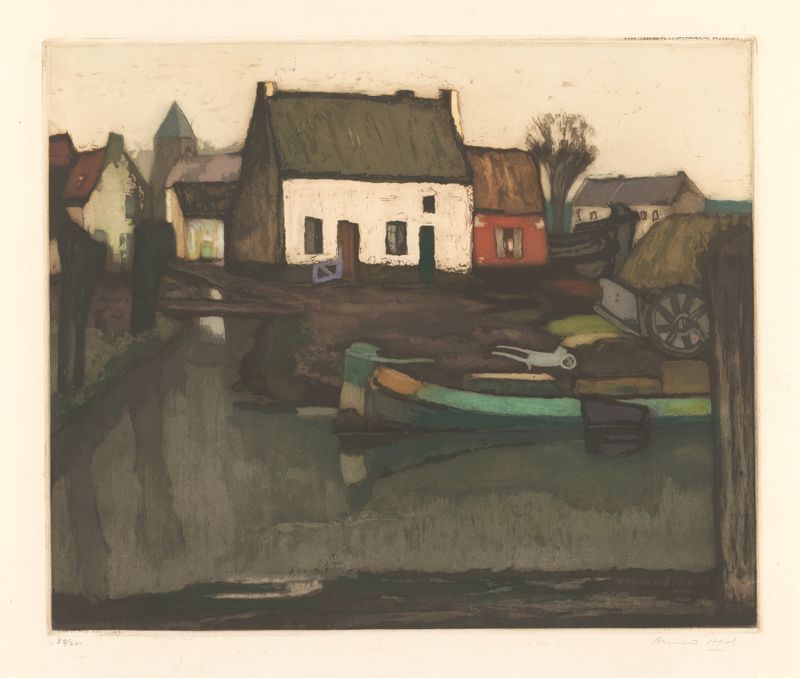
Who listens when art speaks of silence? The quiet tension in Chalands amarrés evokes a profound confrontation with the aftermath of violence, hinting at stories untold within serene surfaces. Look to the left at the boats, anchored and still, their soft lines rendered in muted tones that blend into the tranquil waters. The reflection dances delicately, merging the vessel and its shadow, inviting a sense of calm that belies deeper unrest. Notice how the color palette—subtle blues and earthy browns—draws the eye, yet simultaneously cradles the tension in the air, suggesting the fragility of serenity after chaos. Beneath the surface, a duality emerges.
The stillness of the boats contrasts sharply with the invisible storms they may have weathered, whispering of journeys filled with turbulence. The gentle ripples in the water mirror the distortions of memory, hinting at the violence that has shaped these vessels, forever trapped between safety and the threat of the open sea. Created in an unspecified moment, Armand Apol crafted Chalands amarrés during a period of artistic exploration, where the evolving styles of realism sought to capture not just beauty, but the deeper truths of existence. This was a time when artists began to delve into themes of identity and experience, crafting narratives through visual form, urging viewers to confront the silence that often accompanies turmoil in their own lives.
Mais obras de Armand Apol
Ver tudo →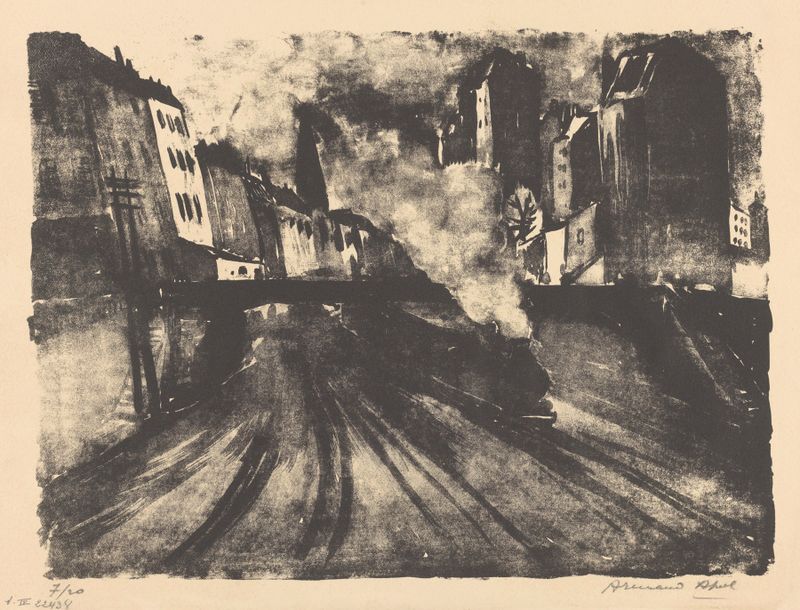
Chemin de fer de ceinture à Paris
Armand Apol
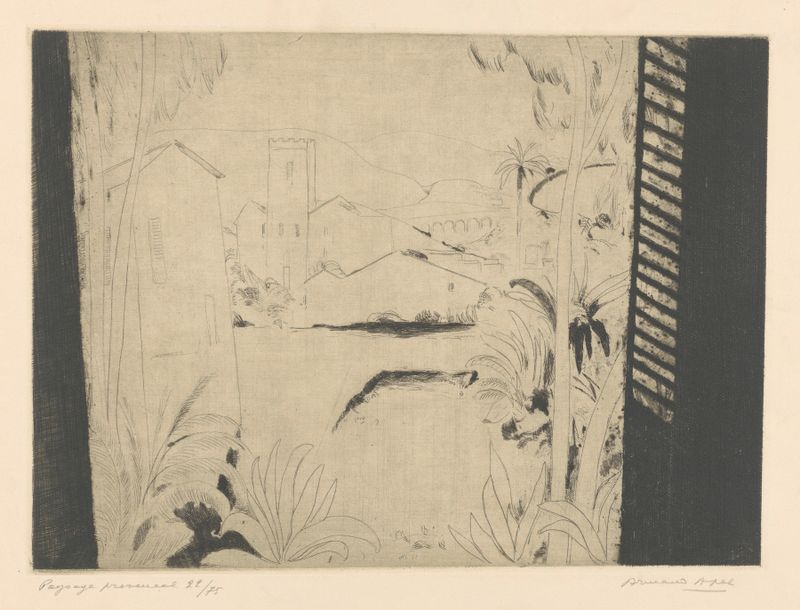
Paysage provençal
Armand Apol
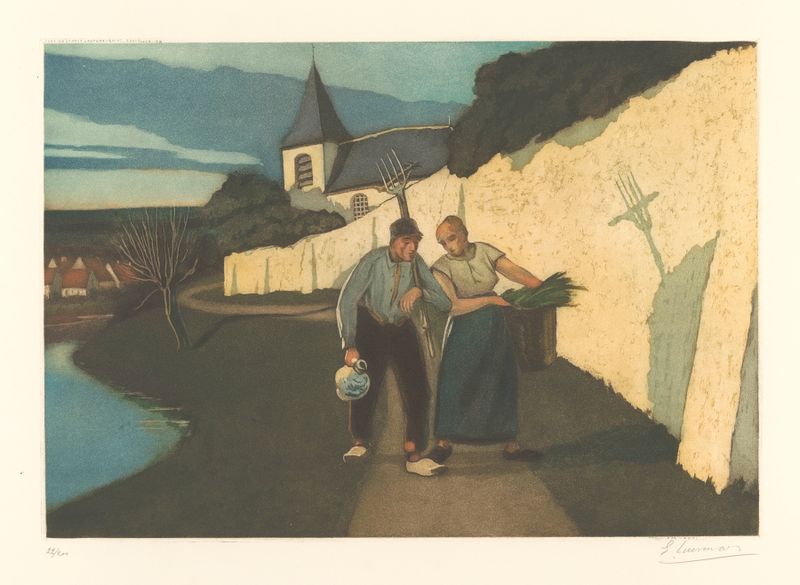
Retour des champs
Armand Apol
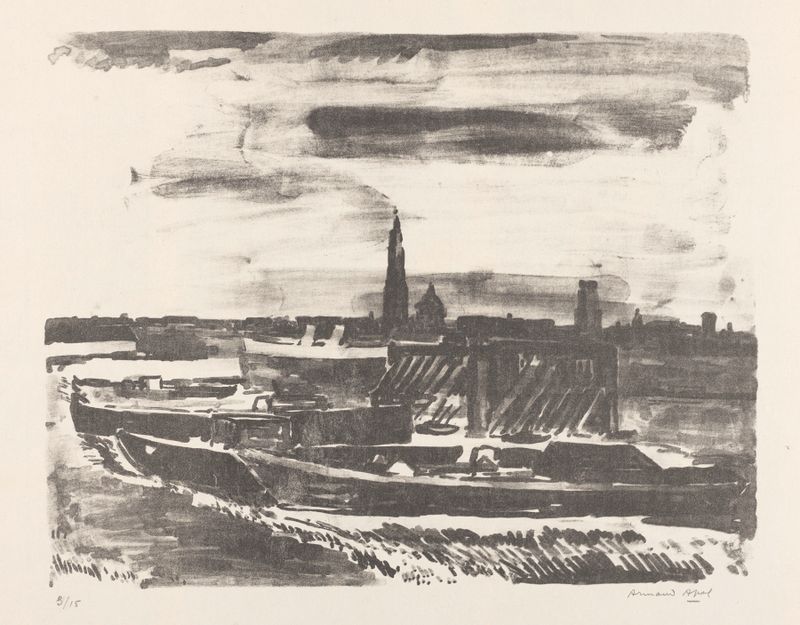
Bateaux à quai à Anvers
Armand Apol
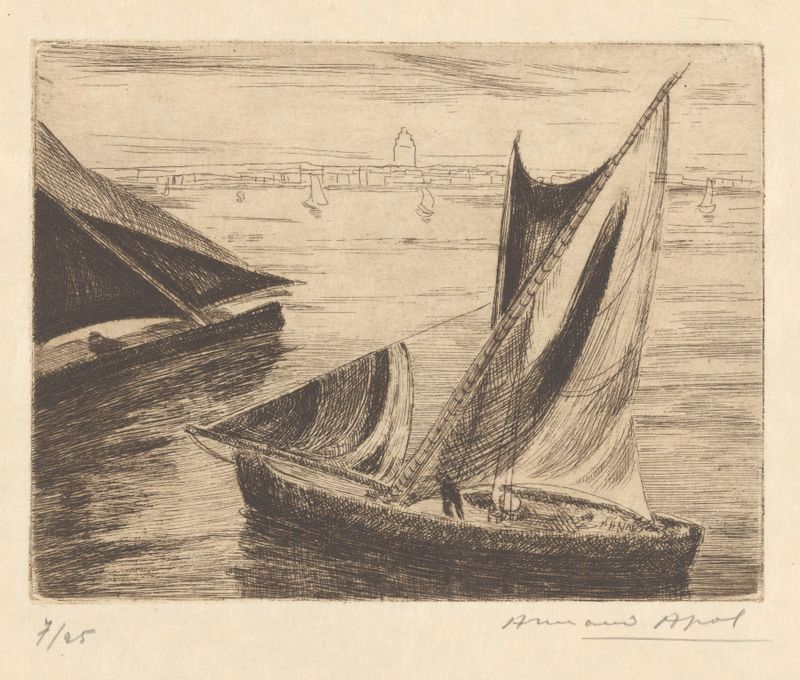
Marseille. Tartanes
Armand Apol
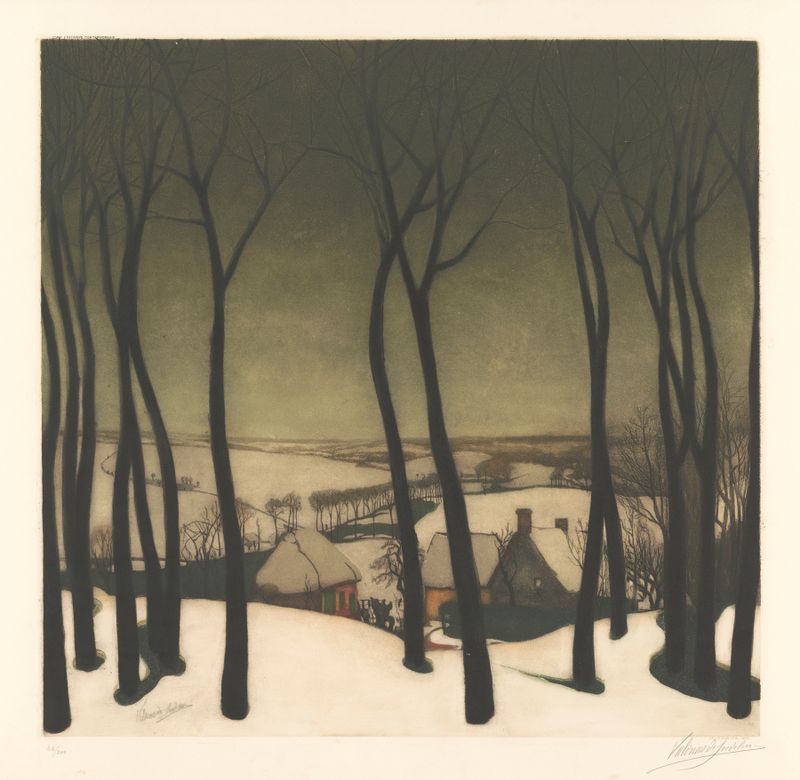
Paysage
Armand Apol
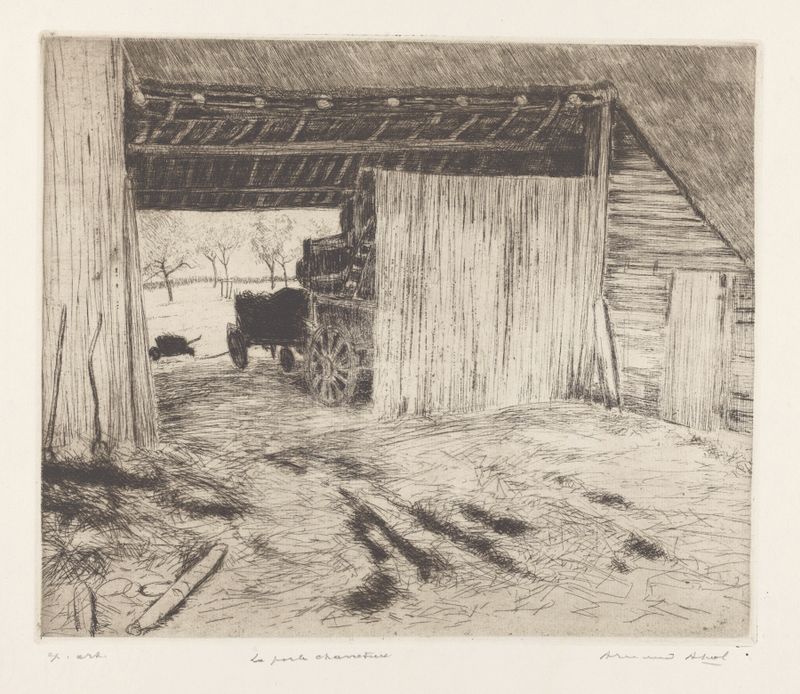
La porte charretière
Armand Apol
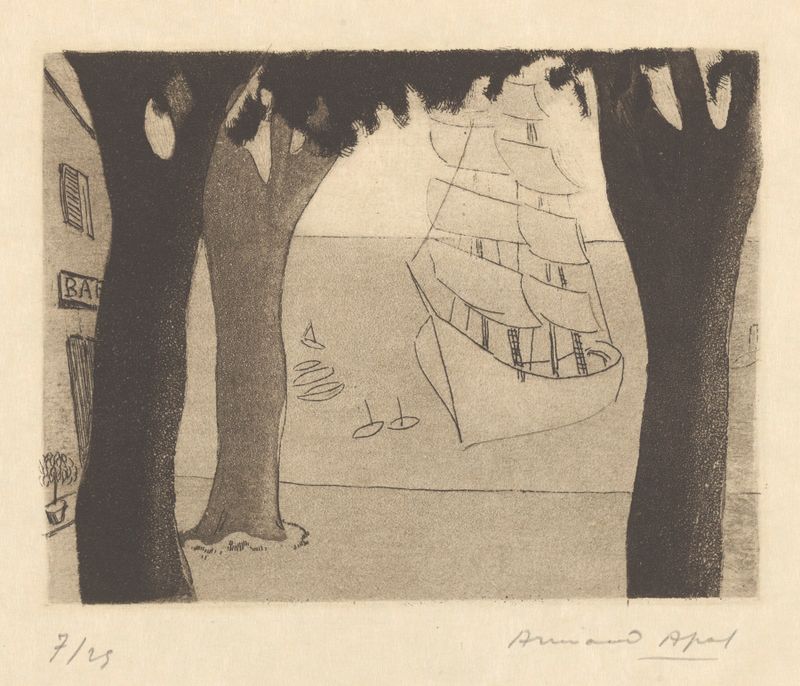
Cassis. Vue sur le port
Armand Apol
Bord du canal
Armand Apol
Pont basculant dans une ville
Armand Apol





