
Chapelle de Saint Michel de Lestre. — História e Análise
In the layers of paint lies not just an image, but a recollection of a moment suspended in time. Focus first on the delicate interplay of light and shadow that dances across the chapel's weathered stone façade. Notice how the artist captures the ethereal glow filtering through the trees, casting a warm embrace on the scene. The earthy tones evoke a sense of nostalgia, as the vivid greens and soft grays intertwine, inviting the viewer to wander deeper into this serene moment.
The composition draws your eye upward, leading you to the chapel's intricately rendered steeple, which stands both proud and vulnerable against a canvas of cloudy blues. But beneath the tranquility lies a profound reflection on impermanence. The chapel, a symbol of faith and endurance, juxtaposes the fleeting beauty of nature, illustrated through the wispy clouds that seem to shift and change. The brushwork reflects a memory — a fleeting glimpse of a place that has witnessed countless stories, yet remains untouched by time.
Each detail whispers of the artist's own longing for connection, hinting at the universal experience of recalling moments that once felt alive. In 1881, the artist found himself amidst a burgeoning art scene in France, where Impressionism was on the rise. Working in the picturesque town of Lestre, he sought to capture the essence of landscapes and architecture with a fresh perspective. This period marked a critical juncture in Buhot's life, as he began to embrace a more personal and emotive approach to his work, paving the way for the artistic legacy he would leave behind.
Mais obras de Félix Hilaire Buhot
Ver tudo →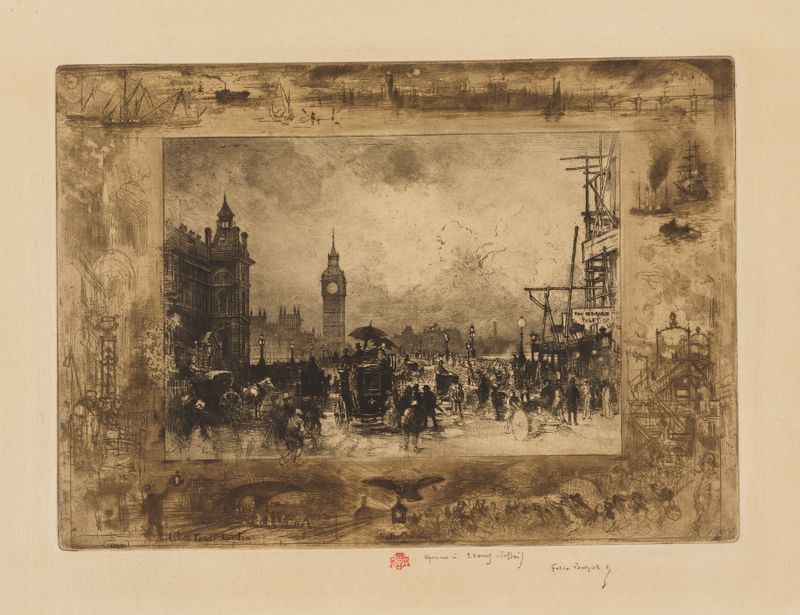
Westminster Bridge, or Westminster Clock Tower
Félix Hilaire Buhot
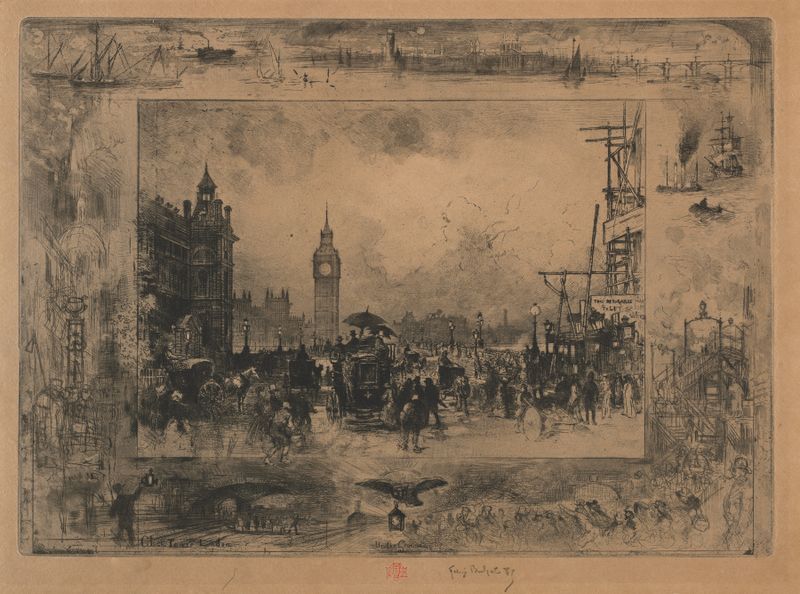
Westminster Bridge, or Westminster Tower
Félix Hilaire Buhot
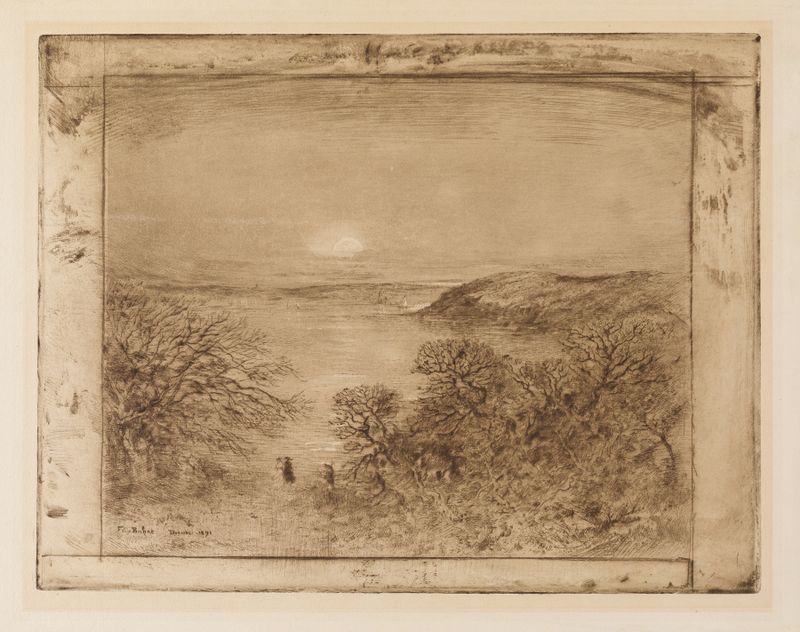
Moonrise at Dinard
Félix Hilaire Buhot
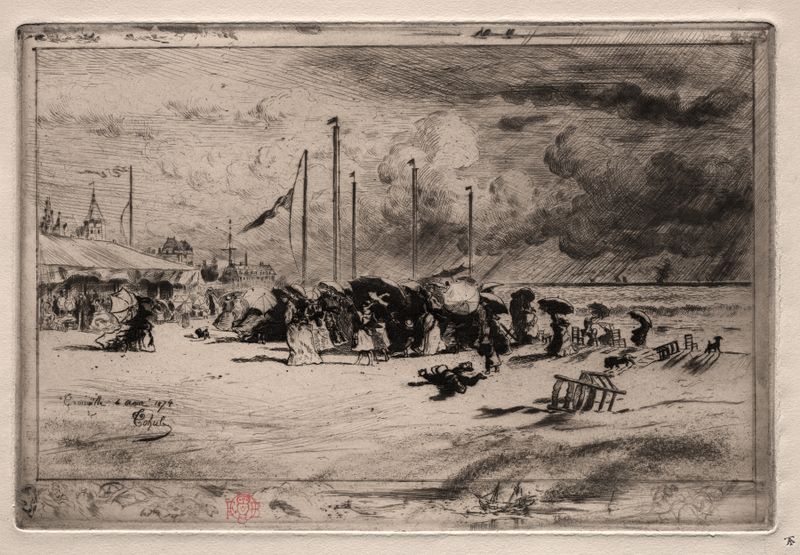
A Squall at Trouville
Félix Hilaire Buhot
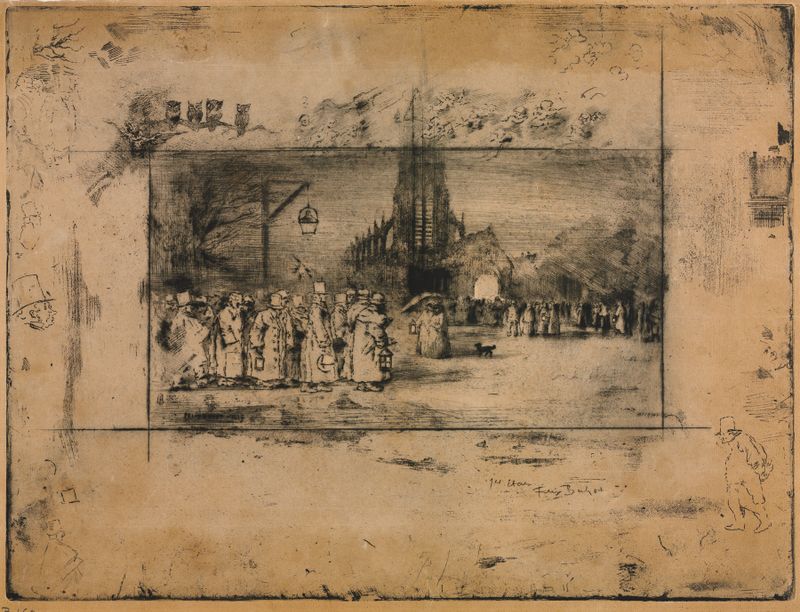
The Midnight Mass
Félix Hilaire Buhot
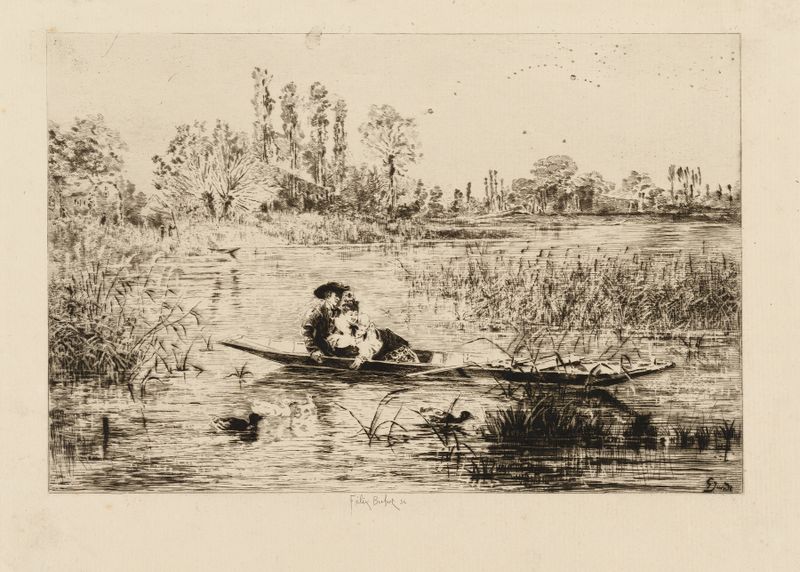
On the Thread of the Water
Félix Hilaire Buhot
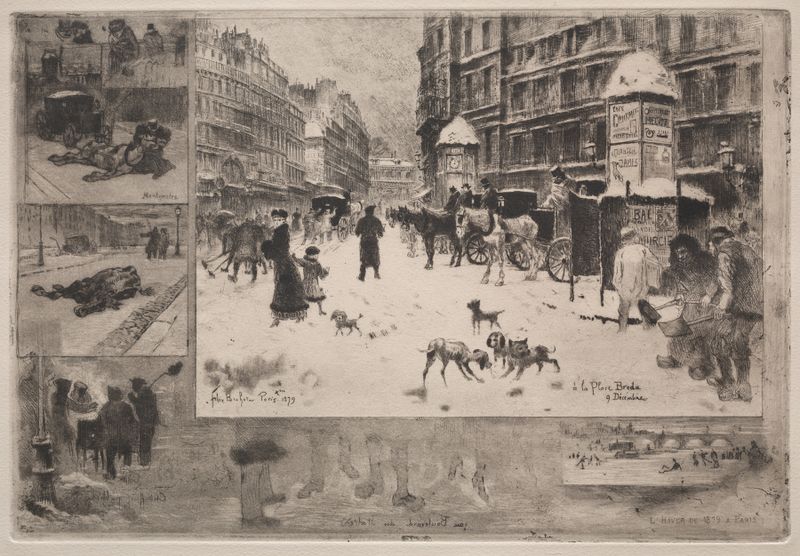
Winter in Paris
Félix Hilaire Buhot
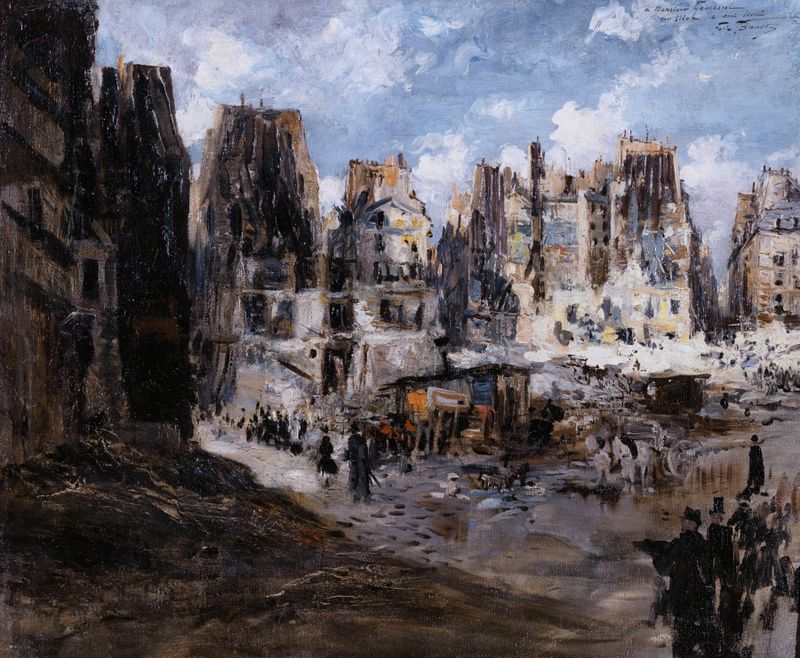
Le percement de l’avenue de l’Opéra.
Félix Hilaire Buhot
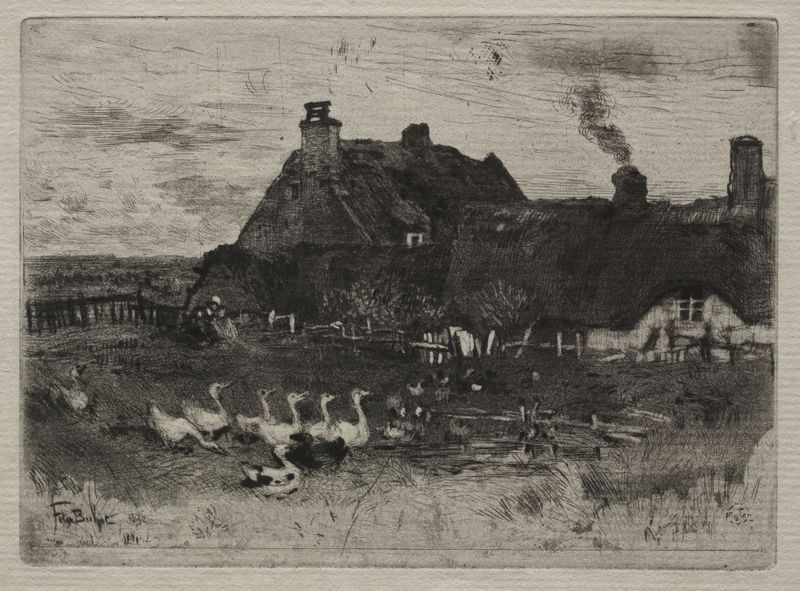
Thatched Cottages
Félix Hilaire Buhot
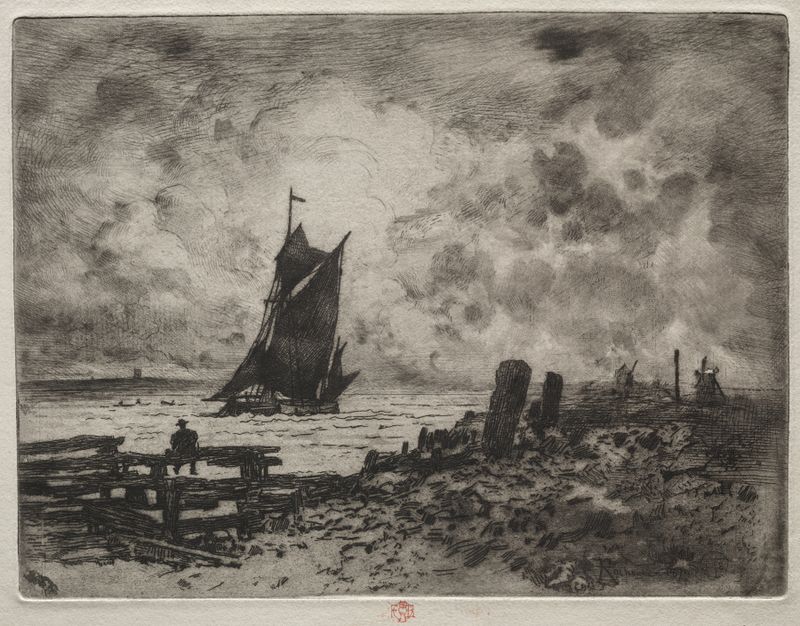
The Little Marine; Souvenir of Medway
Félix Hilaire Buhot
Mais arte de Arquitetura
Ver tudo →
The statue of Liberty
Frédéric Auguste Bartholdi

View of Houses in Delft, Known as ‘The Little Street’
Johannes Vermeer

View of Houses in Delft, Known as ‘The Little Street’
Johannes Vermeer

The Cathedral in Rouen. The portal, Grey Weather
Claude Monet

The yellow house
Vincent van Gogh

The Church in Auvers-sur-Oise, View from the Chevet
Vincent van Gogh