
Chemin de campagne — História e Análise
Can beauty exist without sorrow? In Chemin de campagne, the delicate interplay of landscape and emotion invites us to ponder this poignant question. Focus first on the luminous countryside, where the gentle undulations of the earth draw your eyes into the canvas. Notice the vibrant greens and golds that dance under the dappled sunlight, illuminating the path that winds through the scene. The brushstrokes, both bold and tender, create an atmosphere of serenity, while the soft clouds hint at a fleeting moment, perhaps even a fleeting joy, captured before its inevitable departure. Yet, beneath this tranquil surface lies a deeper tension—an undercurrent of grief.
The winding path suggests a journey, perhaps one taken with a heavy heart, and the trees that stand tall yet solitary evoke a sense of longing. The contrast between the bright colors and the solitary elements of nature hints at the bittersweet reality of life's beauty—ever-present yet tinged with loss. Each stroke seems to whisper of memories held dear, reflecting both the joy of the moment and the sorrow it may conceal. Armand Guillaumin painted Chemin de campagne in 1903 during a period of artistic exploration and personal reflection.
He was deeply influenced by the Impressionist movement, yet sought to carve his own path, experimenting with vibrant colors and expressive forms. At this time, the art world was undergoing significant shifts, and Guillaumin was forging a reputation, marked by his passionate engagement with themes of nature and emotion amidst the backdrop of societal change.
Mais obras de Armand Guillaumin
Ver tudo →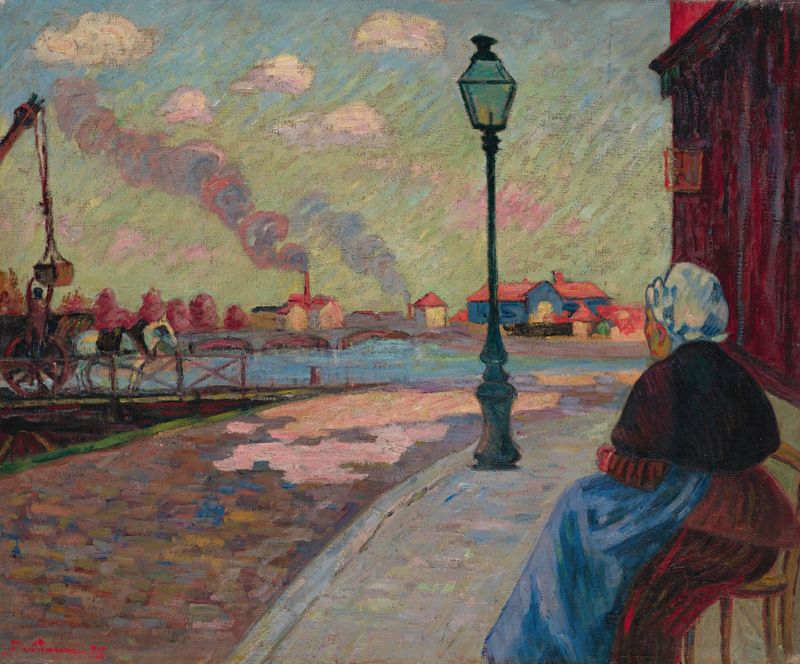
La Seine À Charenton
Armand Guillaumin
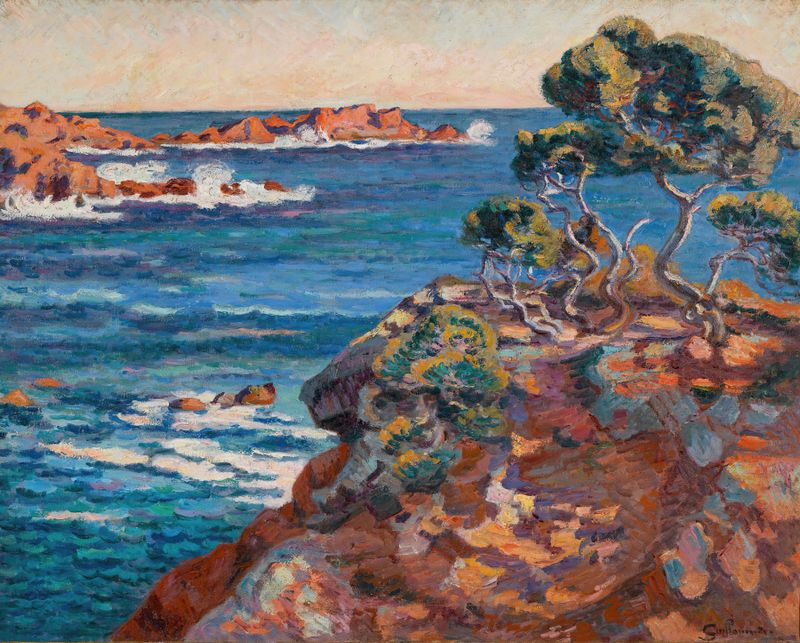
Bord De Mer À Agay
Armand Guillaumin
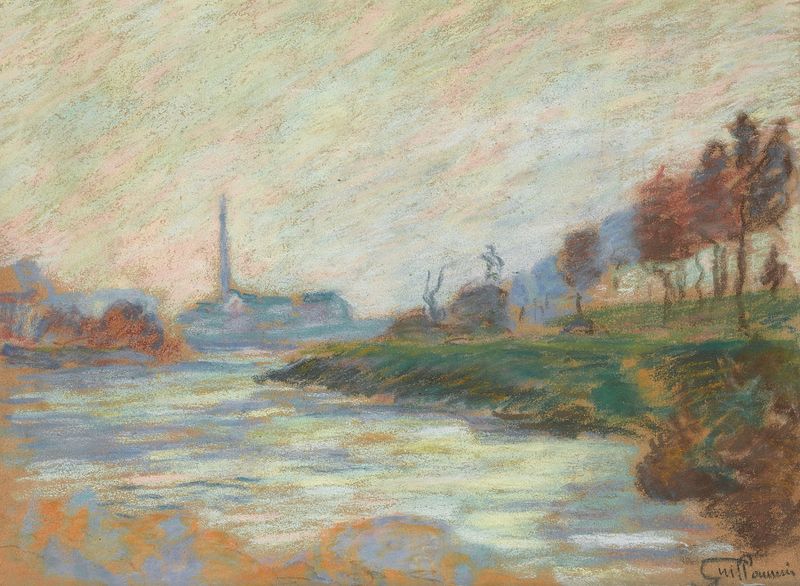
Confluent De La Marne Et De La Seine, Île De La France
Armand Guillaumin

Le Ravin de la folie, vue de Chateau Crozant
Armand Guillaumin
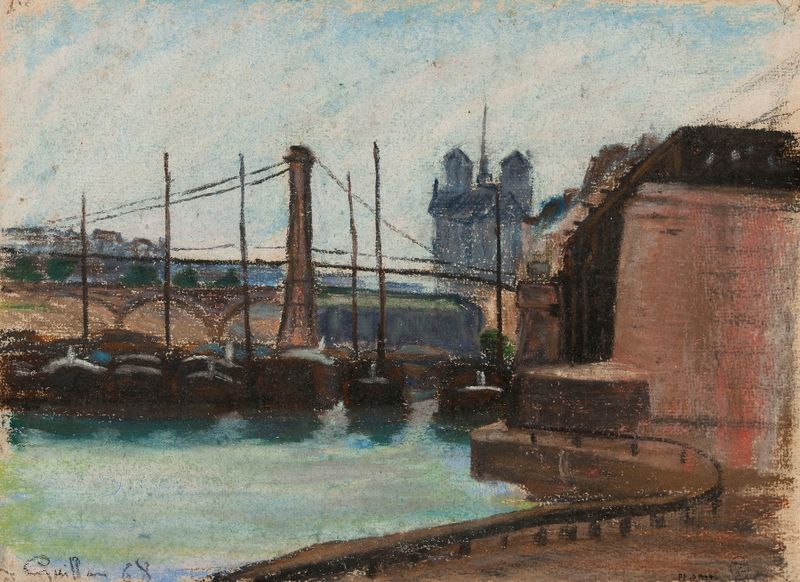
Le Pont d’Austerlitz
Armand Guillaumin

Paysage de Printemps
Armand Guillaumin
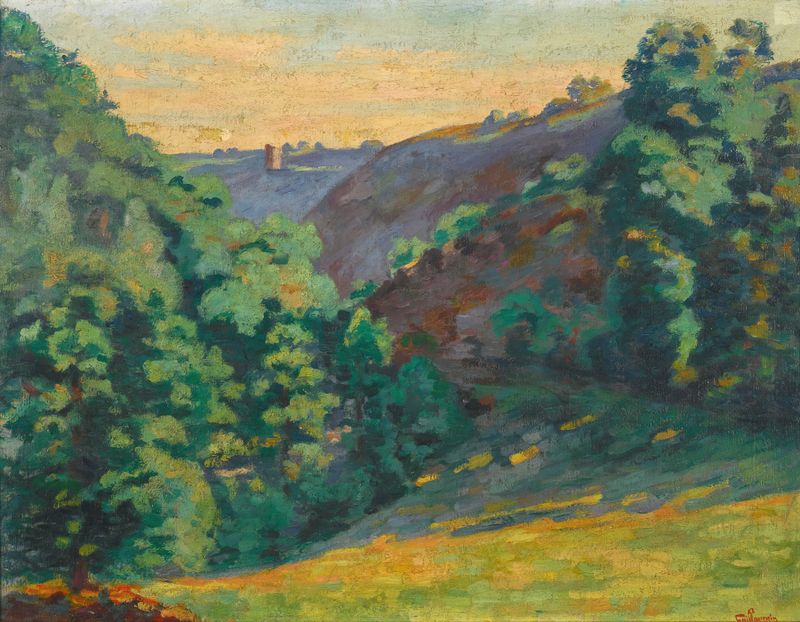
Crozant, Le Ravin De La Sedelle À La Folie
Armand Guillaumin
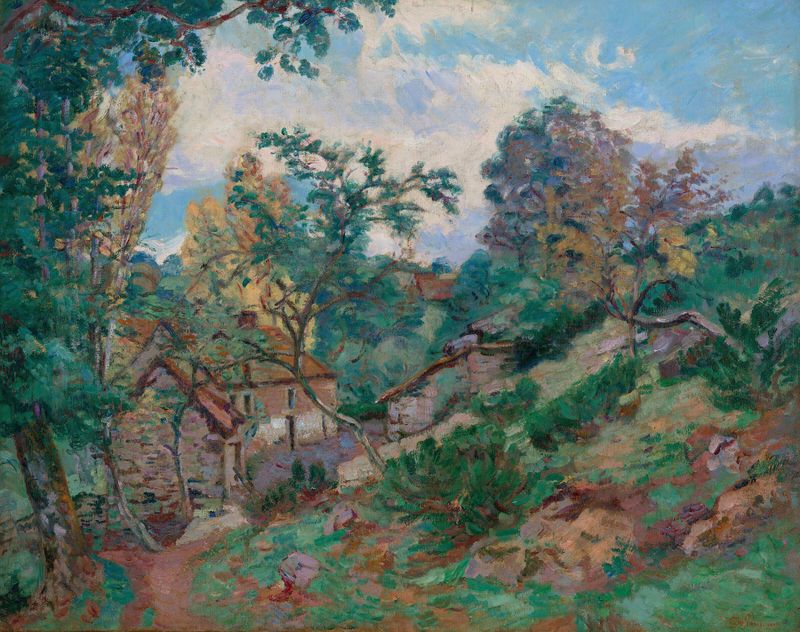
Paysage
Armand Guillaumin

La vallée de la creuse
Armand Guillaumin

L’Eglise Saint-Sulpice, Paris
Armand Guillaumin





