
Clairière en forêt, Fontainebleau — História e Análise
When did color learn to lie? In a world where memory intertwines with reality, we often grapple with the truth of what we see versus what we feel. Look closely at the soft greens and warm browns that dominate the canvas. Notice how the dappled light filters through the trees, creating a delicate interplay of shadow and illumination. The subtle brushstrokes and gentle color transitions invite the viewer deeper into the tranquil clearing, where each leaf seems whispering secrets of the forest.
The composition draws your gaze toward the center, where a serene moment is captured, embracing both solitude and the companionship of nature. Yet, beneath the beauty lies a tension between past and present. The stillness evokes nostalgia, a longing for times that may never have been savored. The faint traces of a pathway suggest the presence of footsteps long lost, hinting at stories and memories that linger in the air.
This artist captures not just a scene, but an emotional landscape where the richness of nature seems to hold the very essence of recollection and melancholy. Henri-Joseph Harpignies created this enchanting work in the 19th century, during a period when the Barbizon School was flourishing in France. While he worked in Fontainebleau, a place renowned for its majestic forests, Harpignies sought to capture the serenity and depth of nature, influenced by the shifting artistic trends around him. This moment in his life reflects a broader movement that celebrated the beauty of the natural world, aiming to evoke both appreciation and introspection.
Mais obras de Henri-Joseph Harpignies
Ver tudo →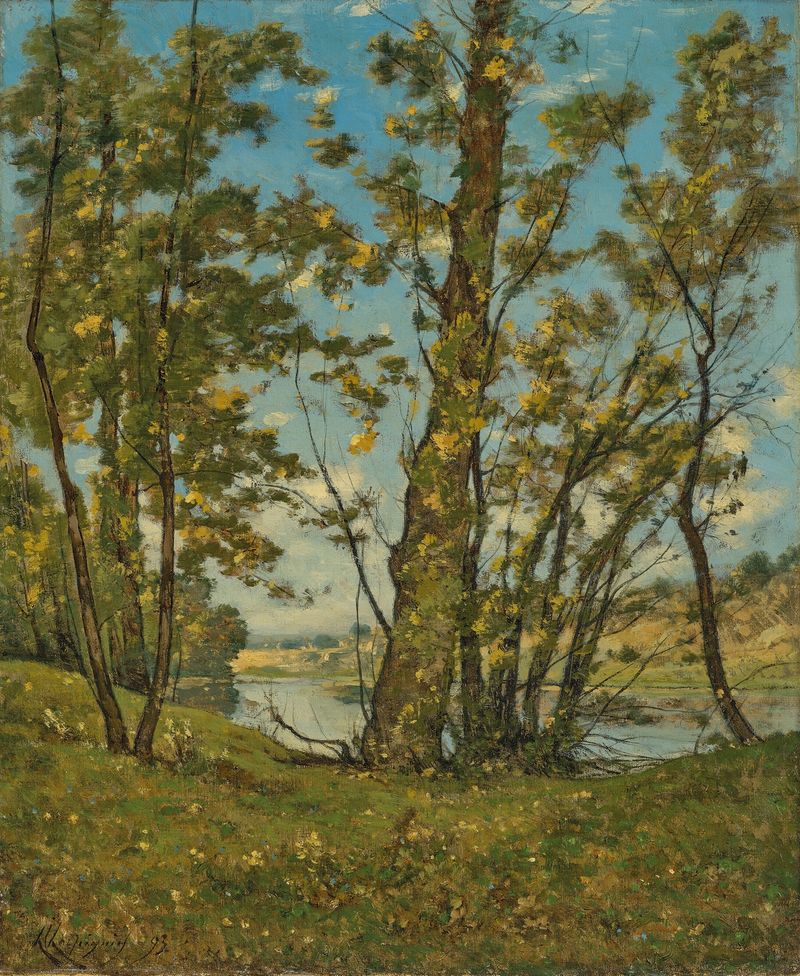
La Loire à Bonny
Henri-Joseph Harpignies
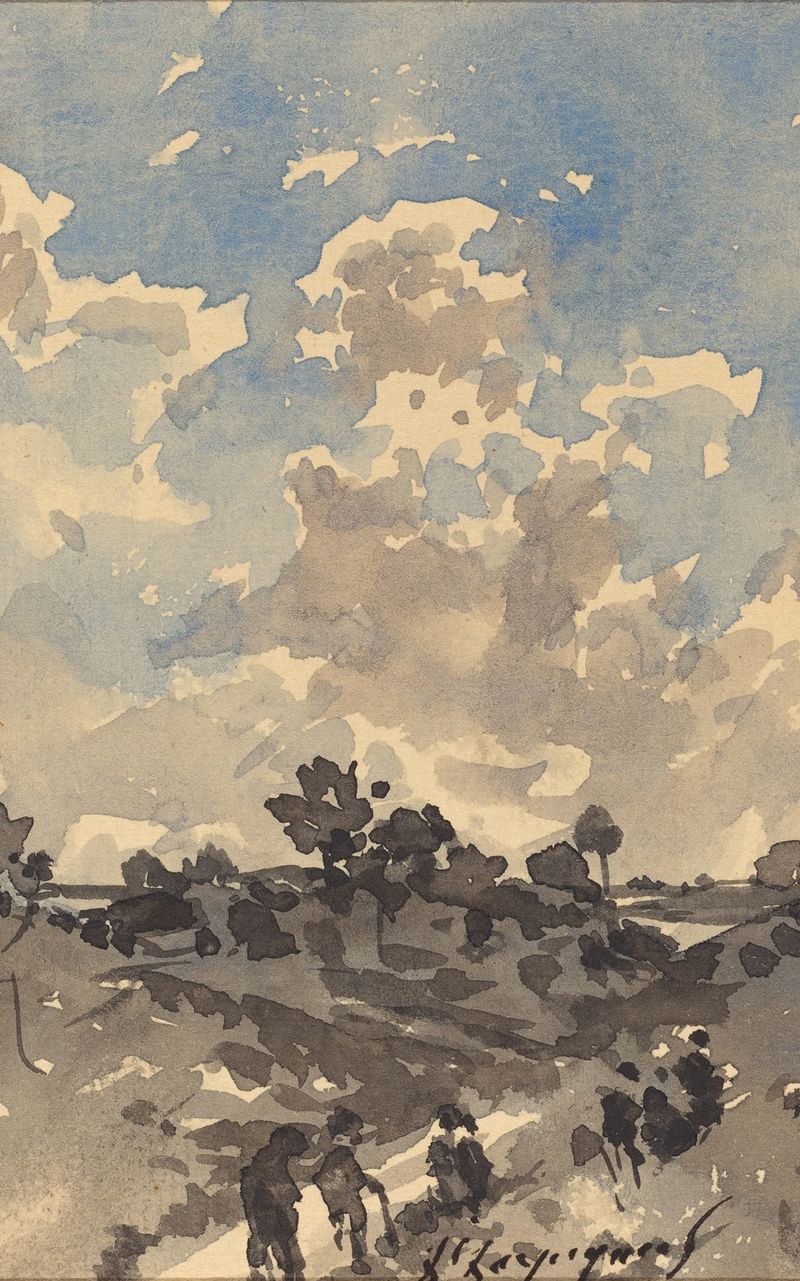
A Landscape with Figures Walking along a Path
Henri-Joseph Harpignies
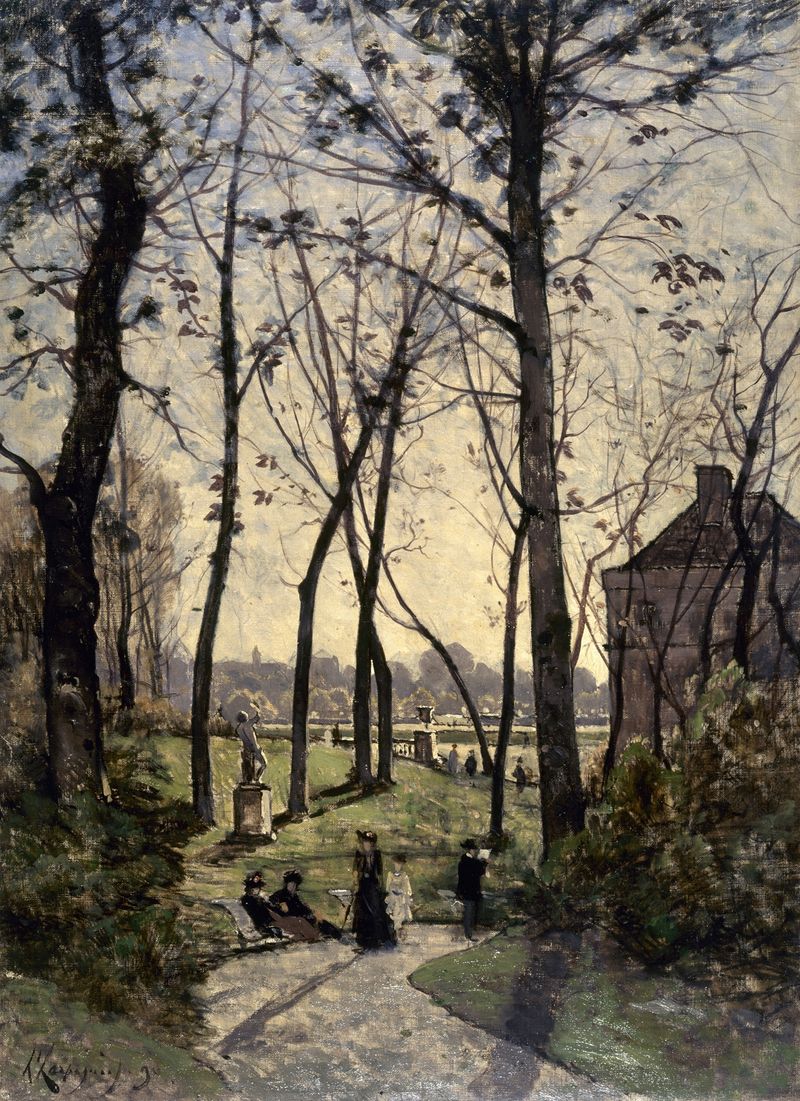
Le jardin du Luxembourg
Henri-Joseph Harpignies
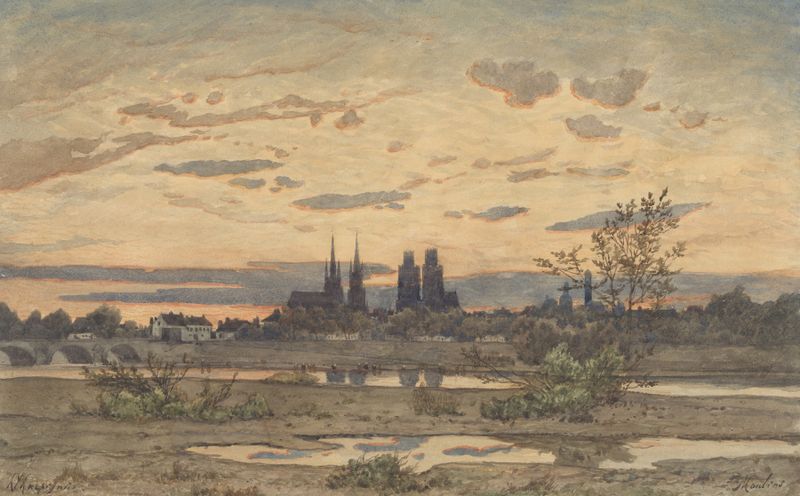
A View of Moulins
Henri-Joseph Harpignies
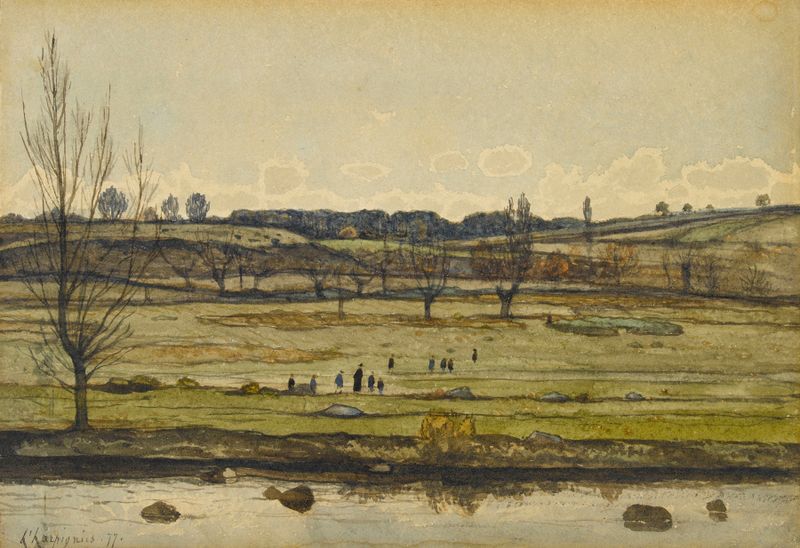
Paysage
Henri-Joseph Harpignies
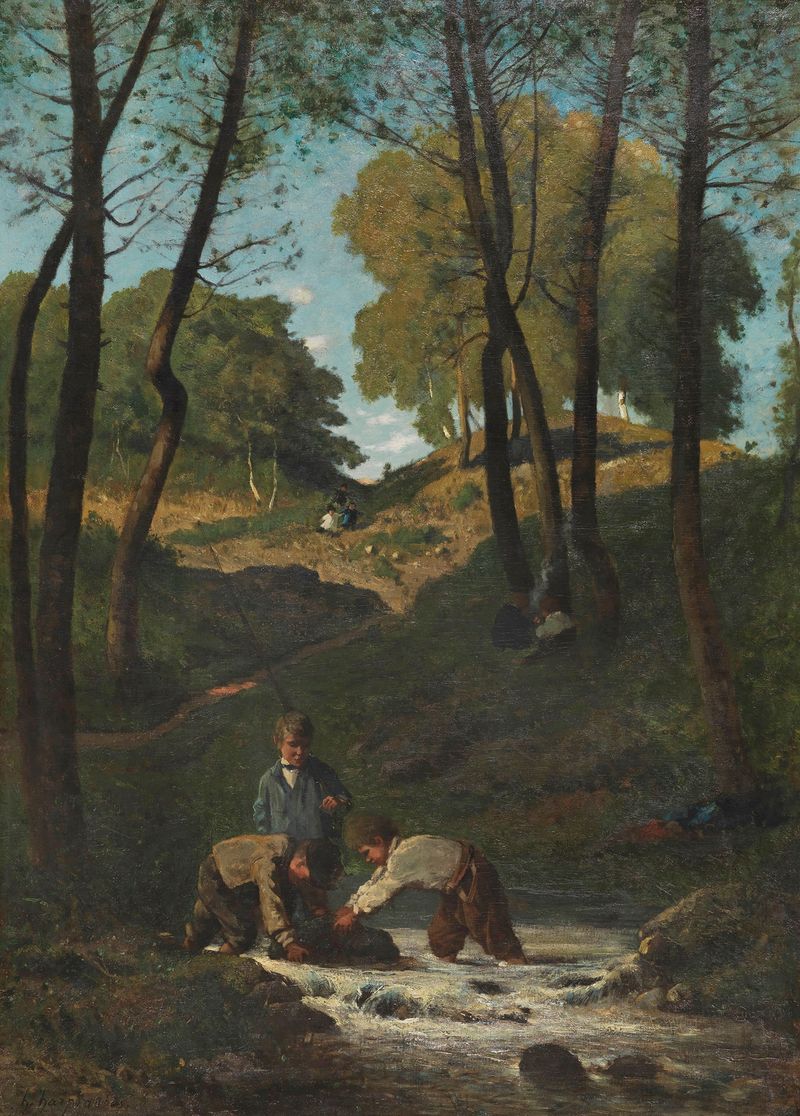
Chercheurs d’écrevisses
Henri-Joseph Harpignies
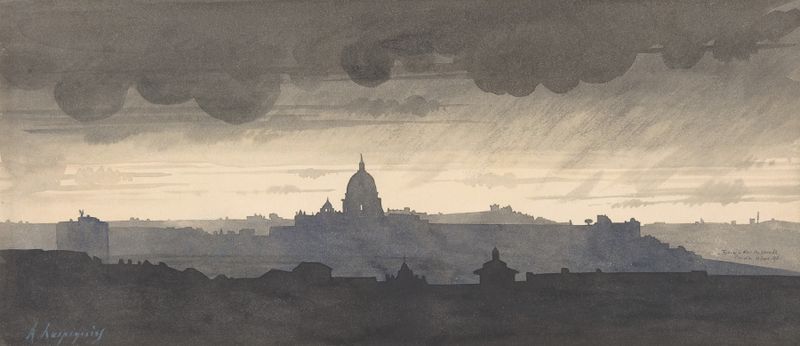
Saint Peter’s Seen From the Pincio, Rome
Henri-Joseph Harpignies
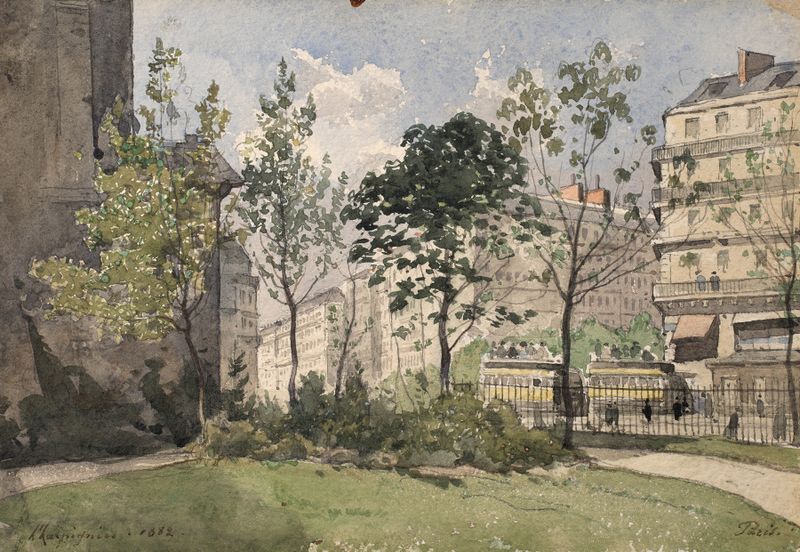
View of the forecourt of the Saint-Germain-des-Prés church
Henri-Joseph Harpignies
Le Colisée à Rome
Henri-Joseph Harpignies

Villefranche
Henri-Joseph Harpignies





