
Corso Sant’Anastasia, Verona — História e Análise
What if silence could speak through light? In Corso Sant’Anastasia, Verona, the artist captures a moment where stillness meets the innocence of an ordinary street, allowing the viewer to feel the whispers of a tranquil day. Look to the left at the narrow, winding street, lined with charming buildings that seem to lean into one another, sharing secrets. Notice how the warm light cascades down, illuminating the cobblestones and bathing the scene in a soft glow. The gentle brushstrokes create a sense of movement, each stroke echoing the lives that might have passed through this space, while the muted palette evokes a serene atmosphere, inviting contemplation. The interplay of light and shadow reveals emotional undertones—there’s a delicate tension between the vibrancy of life and the quiet of solitude.
The solitary figure in the foreground, a soft silhouette against the brightness, hints at a story untold. The slightly obscured details of the architecture suggest both familiarity and mystery, a reminder that even the most ordinary settings can harbor profound narratives waiting to unfold. Painted in 1828, this work emerged during a time when Bonington was deeply influenced by his travels across Europe. Living in Paris, he drew inspiration from the Romantic movement, intertwining natural beauty with human experience.
His depiction of Verona reflects not only his artistic growth during that period but also the broader shift in art towards capturing everyday moments infused with emotional depth.
Mais obras de Richard Parkes Bonington
Ver tudo →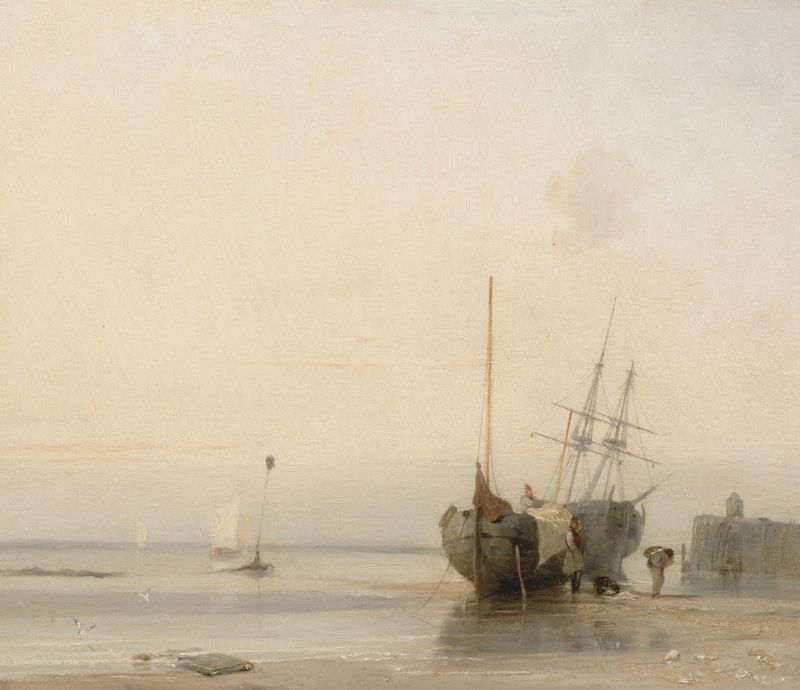
Calais Jetty, France
Richard Parkes Bonington
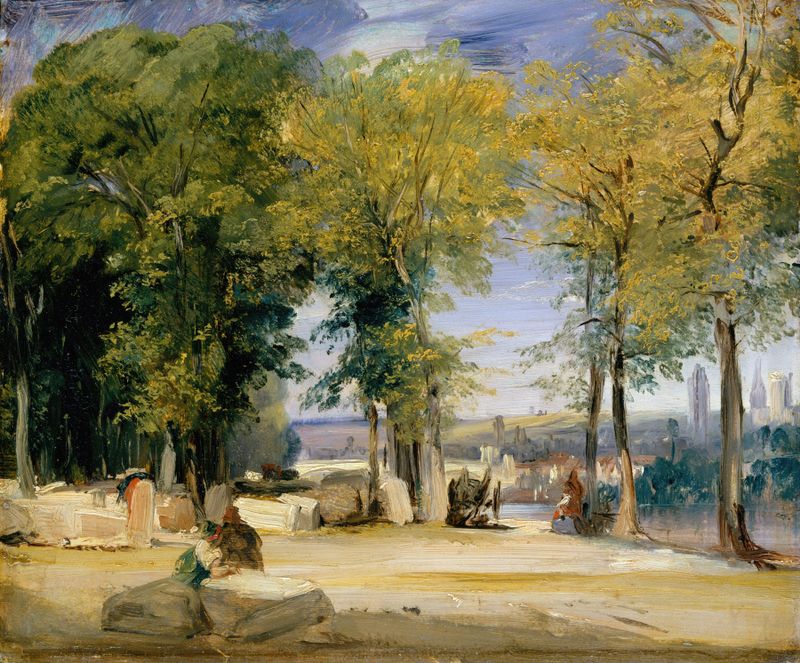
View near Rouen
Richard Parkes Bonington
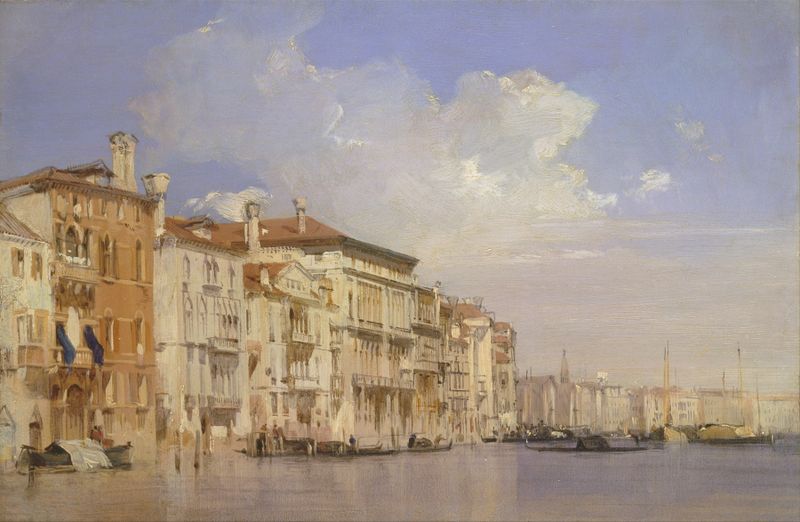
Grand Canal, Venice
Richard Parkes Bonington
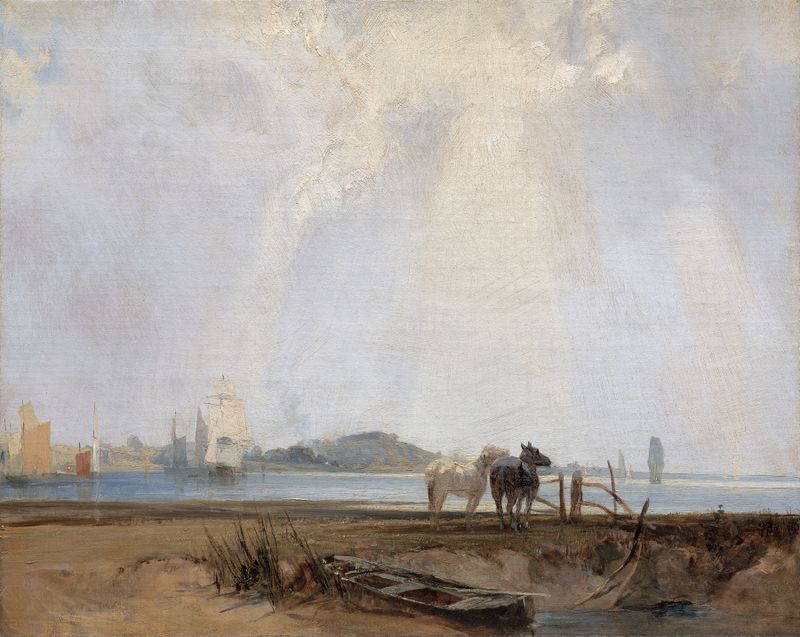
Near Quillebeuf
Richard Parkes Bonington
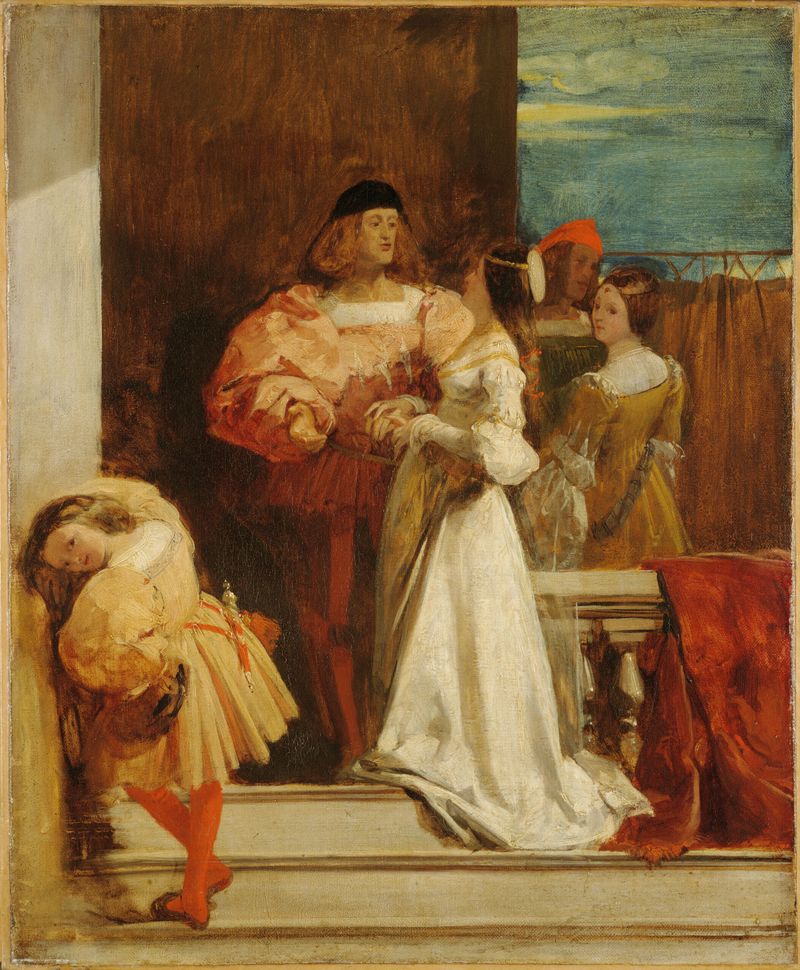
Evening in Venice
Richard Parkes Bonington
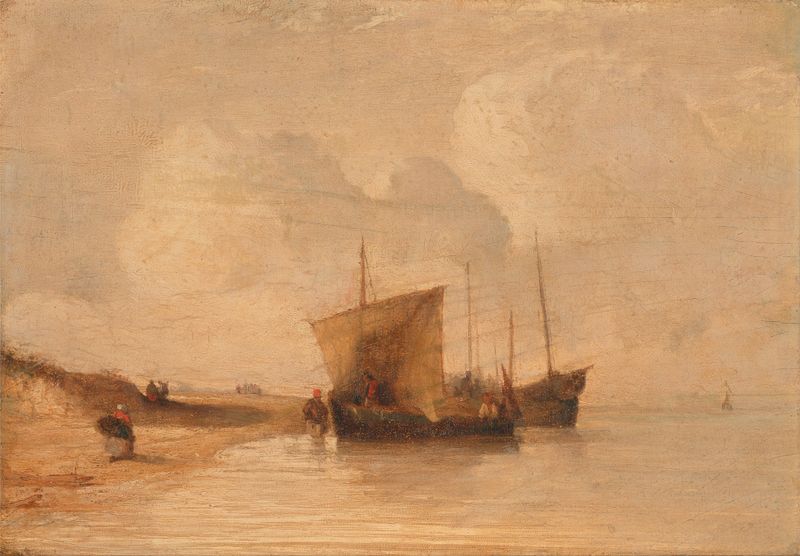
Normandy Coast
Richard Parkes Bonington
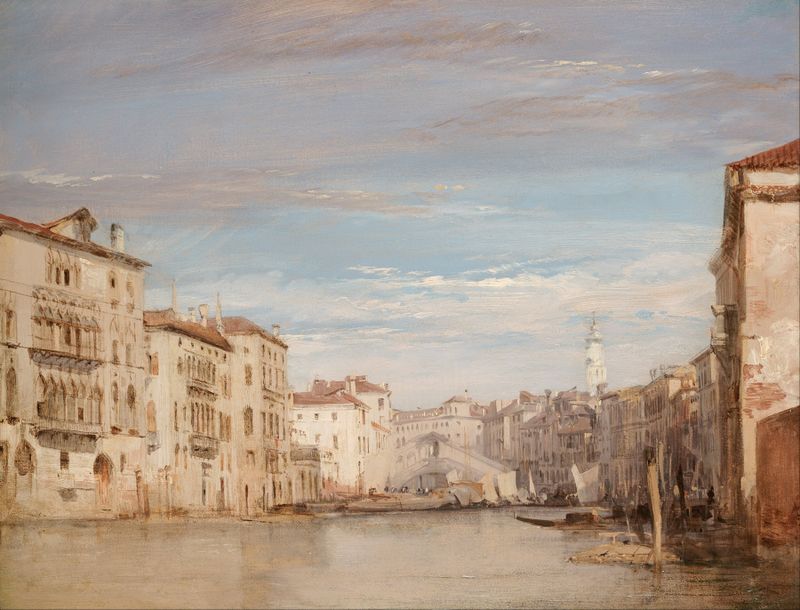
The Grand Canal, Venice, Looking Toward the Rialto
Richard Parkes Bonington
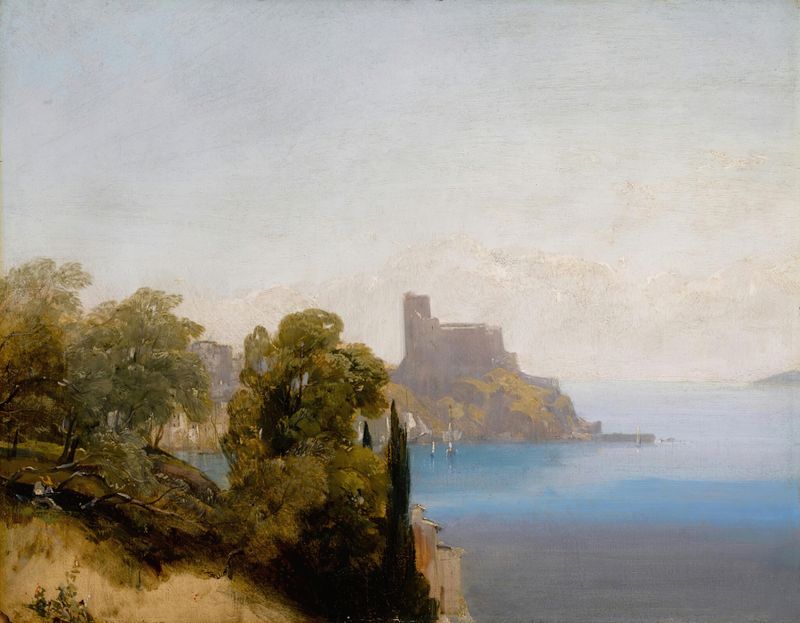
View of Lerici with Baron Charles Rivet sketching in the foreground
Richard Parkes Bonington
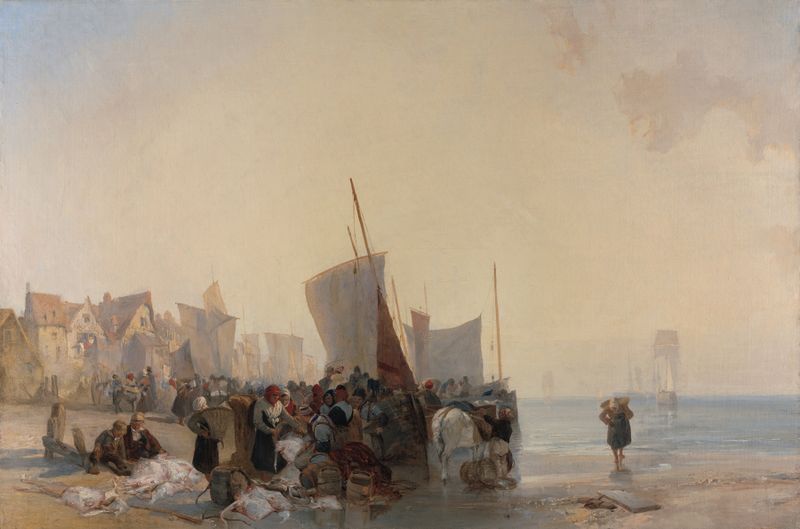
A Fish-market near Boulogne
Richard Parkes Bonington
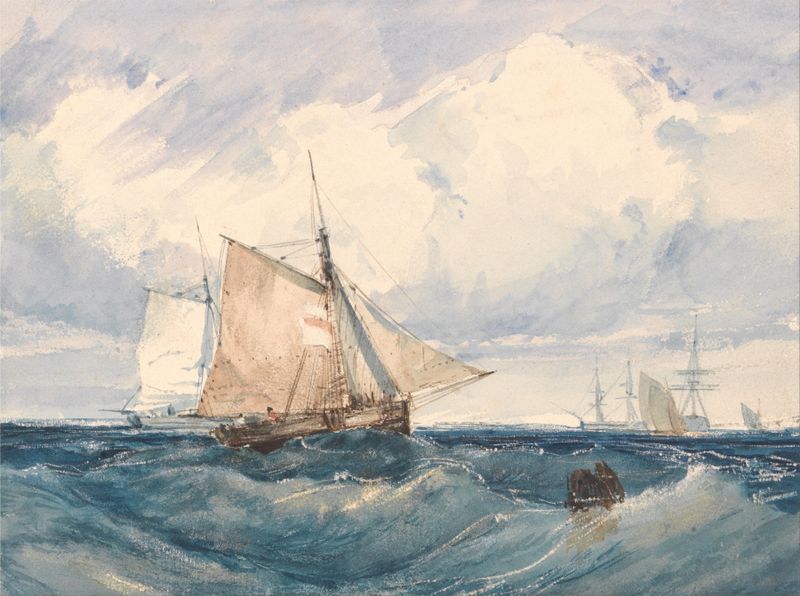
A Cutter and other shipping in a Breeze
Richard Parkes Bonington





