
Cour d’une maison, 19 rue des Gobelins — História e Análise
This thought lingers as one contemplates the intricate layers of existence that define each moment—an essence captured in vision and form. What happens when the joyous facade of a serene courtyard hides whispers of fate? Look to the left at the courtyard's cobblestones, each stone a testament to the passage of time, radiating soft shades of ochre and gray. Notice how the light filters through the surrounding arches, dappling the ground with warmth, inviting the viewer to step into a moment suspended in eternity.
The careful composition draws the eye toward the deep shadows that embrace the edges, illuminating the subtle interplay of architectural lines with muted hues, evoking a sense of quiet contemplation. Delving deeper, one finds a juxtaposition between the inviting space and the isolation it suggests. The seemingly tranquil setting contrasts sharply with the void created by the absence of human presence, serving as a metaphor for destiny’s often solitary path. Each element—from the faded paint on the walls to the scattered leaves—speaks to life's transience, reflecting how beauty often emerges from sorrow, hinting at stories untold. In 1926, when this work came to life, the artist was rooted in the vibrant yet complex landscape of post-war Europe.
Boberg, influenced by the shifting tides of modernism, sought to encapsulate the nuances of everyday life amid the backdrop of a world trying to redefine itself. His choice of subject, a simple urban courtyard, encapsulates both the mundane and the profound, offering a glimpse into the human experience during a time of personal and collective upheaval.
Mais obras de Ferdinand Boberg
Ver tudo →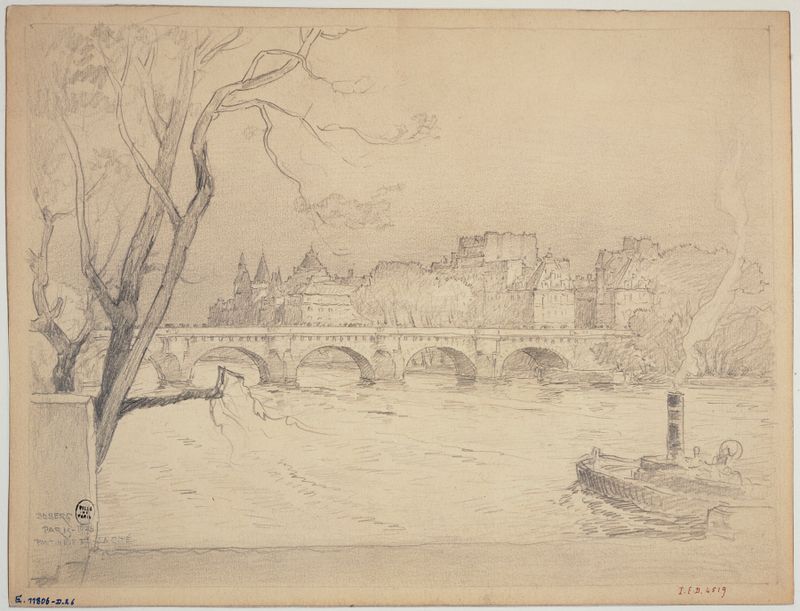
Le Pont-Neuf et la Cité
Ferdinand Boberg
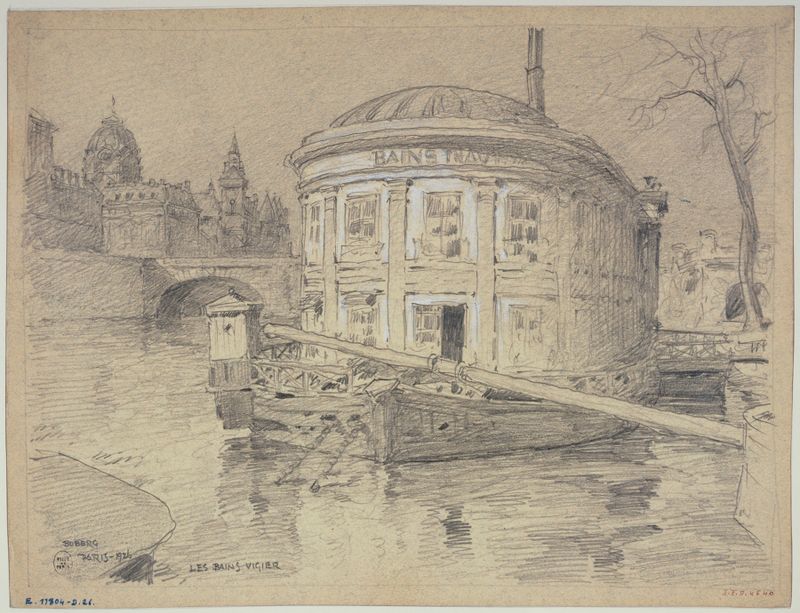
Les bains Vigier au Pont-Neuf
Ferdinand Boberg
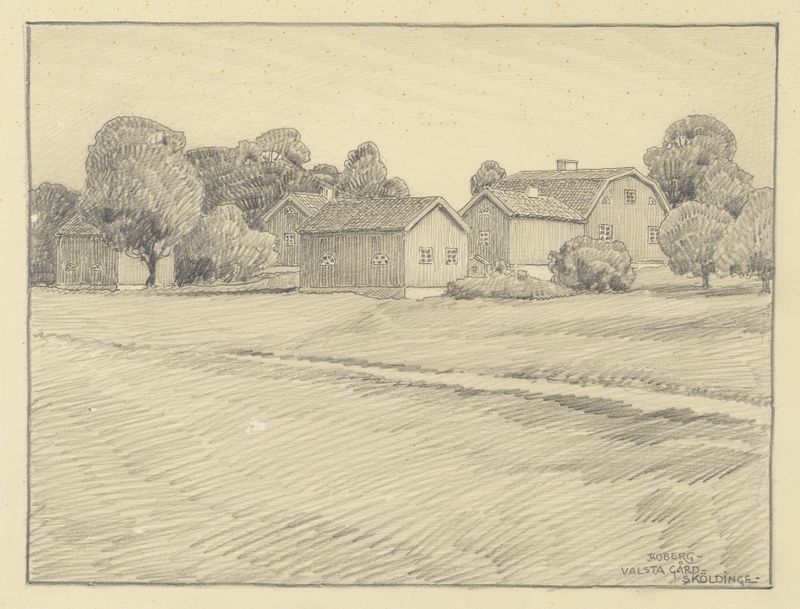
Valsta Gård
Ferdinand Boberg
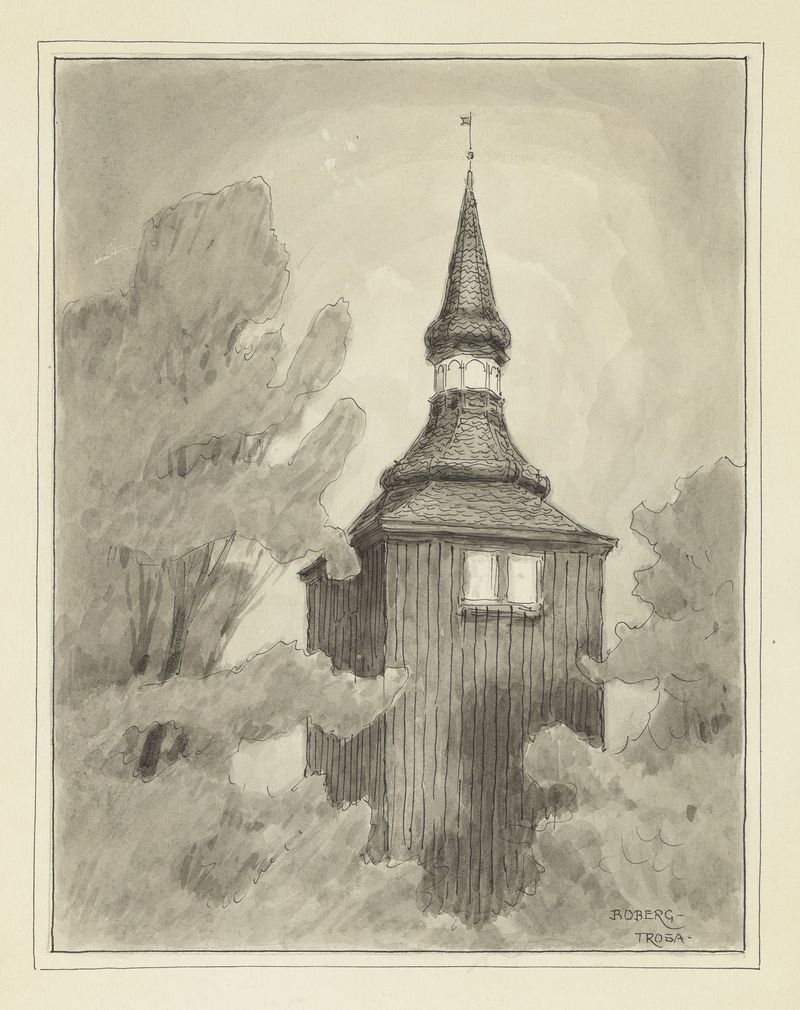
Trosa
Ferdinand Boberg
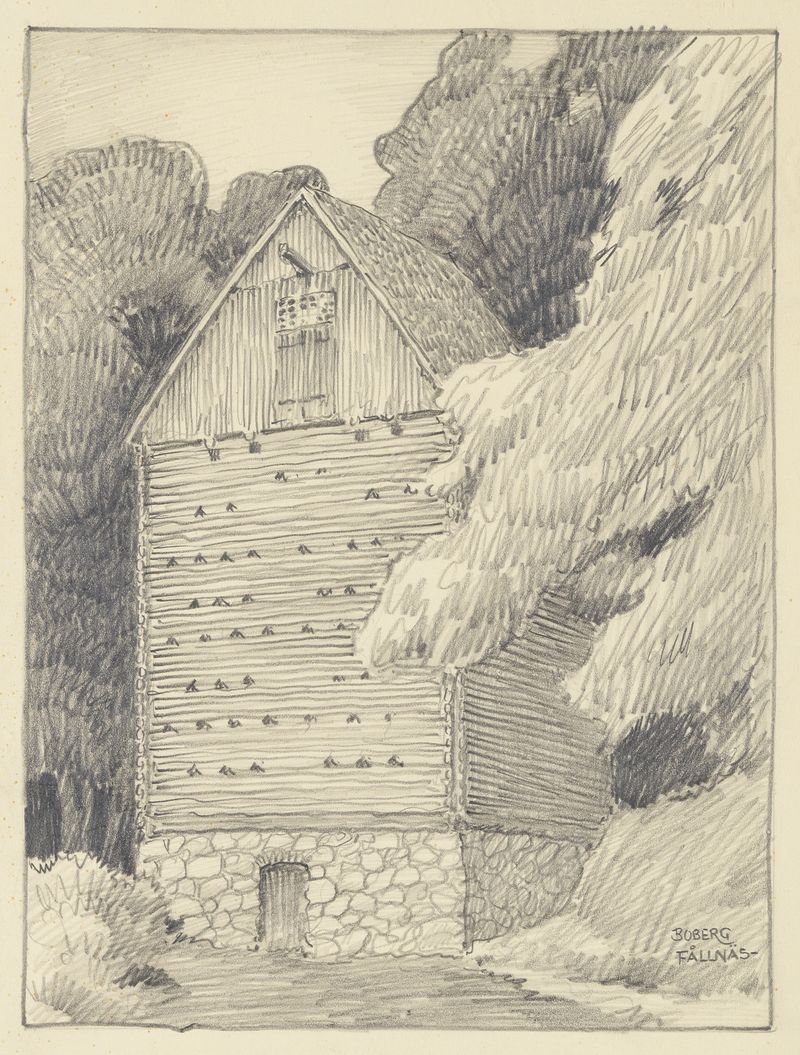
Fållnäs
Ferdinand Boberg
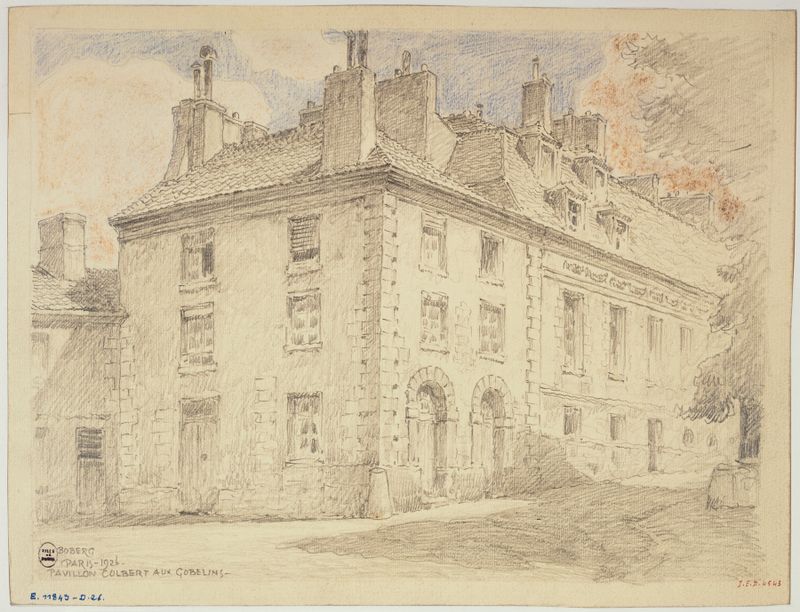
Le pavillon Colbert aux Gobelins
Ferdinand Boberg
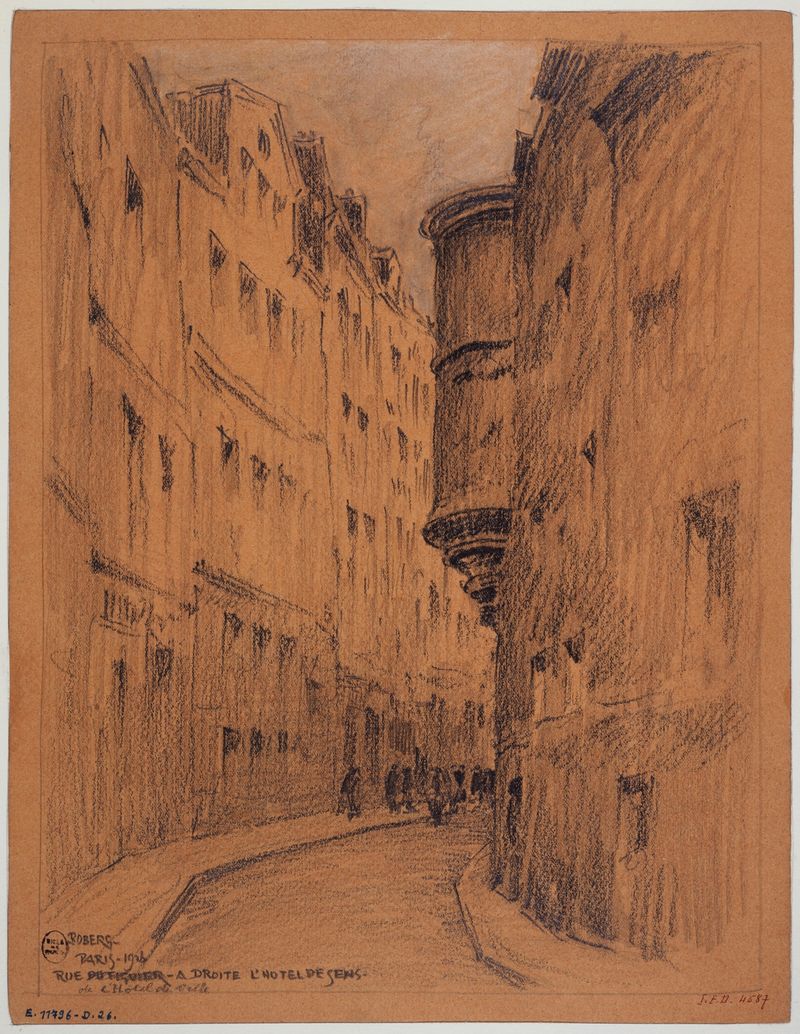
Rue de l’Hôtel de Ville; l’hôtel de Sens
Ferdinand Boberg
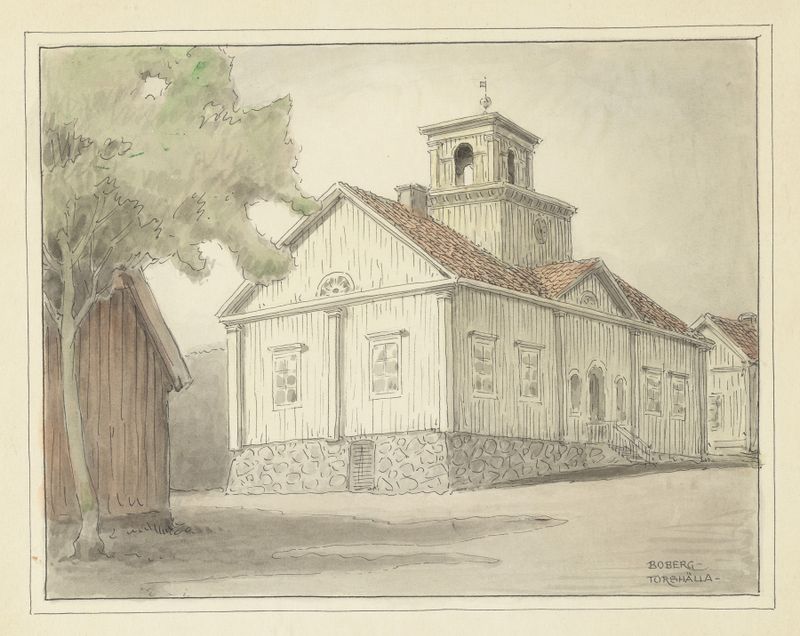
Torshälla
Ferdinand Boberg
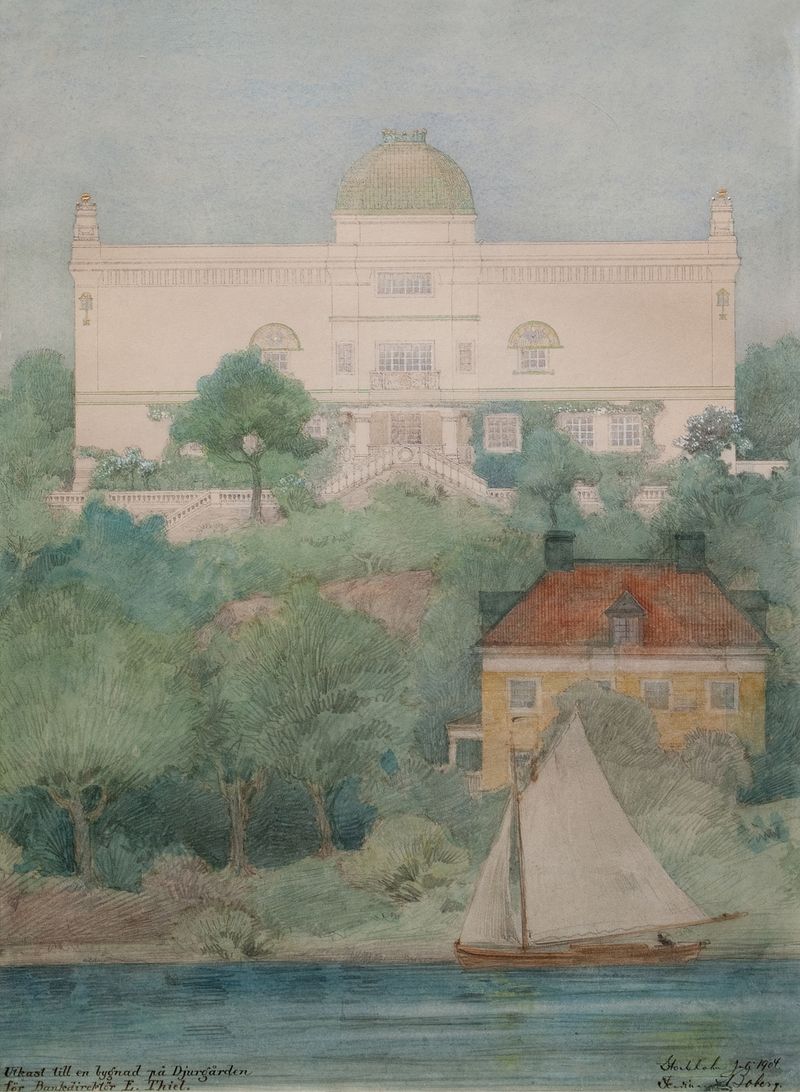
Sketch for a building for Thiel’s Gallery
Ferdinand Boberg
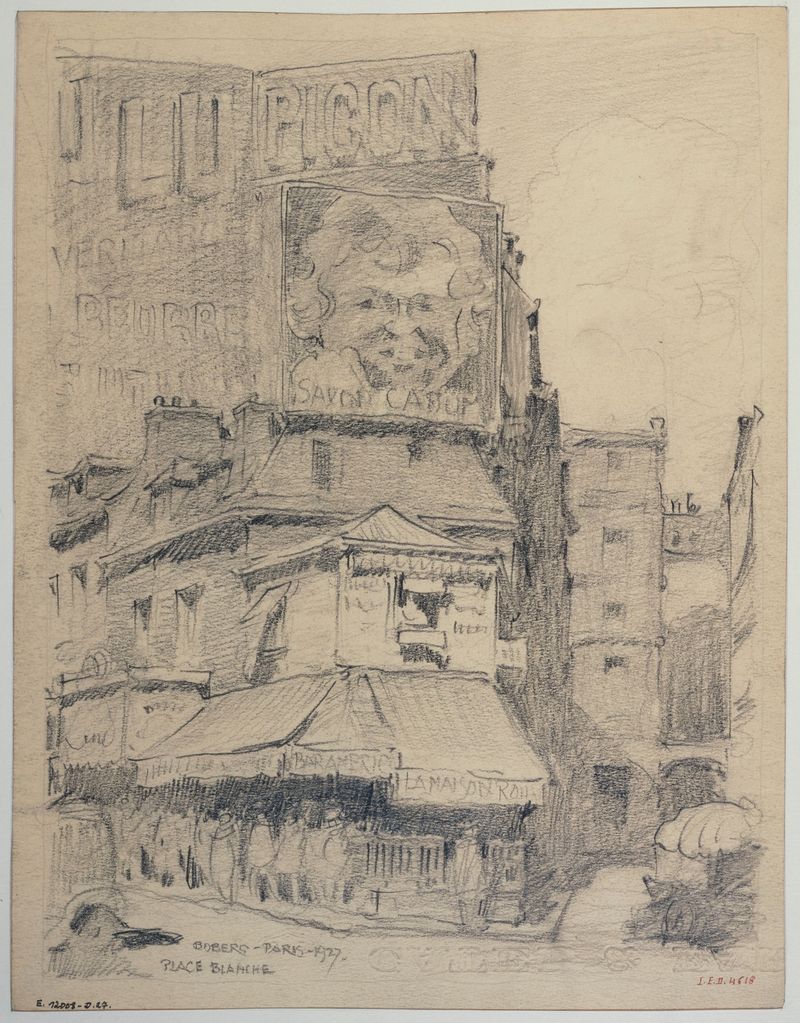
La place Blanche
Ferdinand Boberg





