
Cypress Vale — História e Análise
Can beauty exist without sorrow? Cypress Vale presents a delicate interplay of innocence and the shadows that accompany it, inviting reflection on the transient nature of joy. Look to the left at the lush, green cypress trees that rise majestically against a serene backdrop. Their rich, deep hues contrast starkly with the soft blues of the sky, tapering into an ethereal horizon. Notice how the gentle strokes of the brush dance across the canvas, creating a feeling of movement, as if the landscape itself breathes.
The light filters through the foliage, casting a serene ambiance that wraps around the viewer, evoking both peace and unease. Delve deeper into the subtleties of the scene, where the interplay between light and shadow hints at hidden narratives. The vibrant flora, teeming with life, stands in juxtaposition to the elusive mist that cloaks the distance, suggesting a lingering melancholy. Each stroke reveals a world caught between the beauty of the present and the inevitability of change, embodying the quiet tension of innocence faced with the weight of reality. In 1915, amidst a world teetering on the brink of turmoil due to the Great War, Ernest Haskell crafted this work in a moment of personal and societal reflection.
Living in the United States, he was influenced by the burgeoning art movements of the time, yet sought to capture a serene beauty that belied the chaos outside. It was a period when artists began to explore emotional depth, responding to the surroundings with poignant sensitivity, much like the serene yet complex landscape before us.
Mais obras de Ernest Haskell
Ver tudo →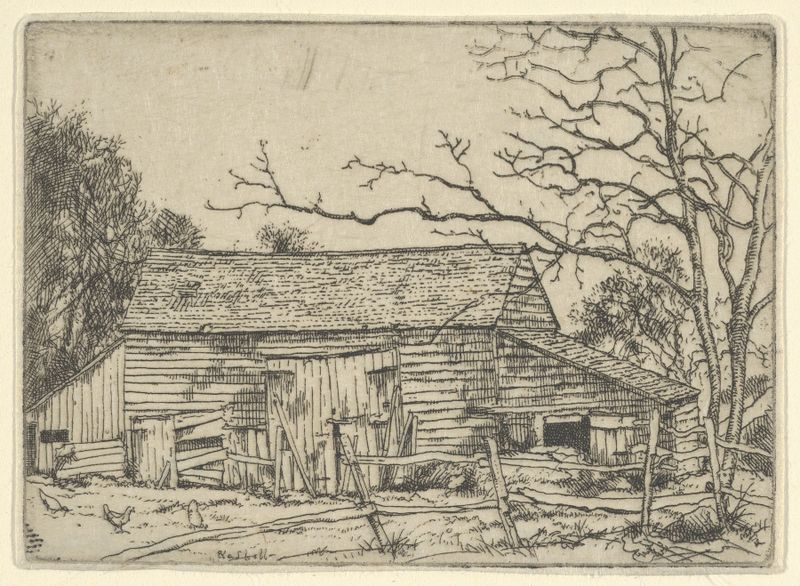
The Barn–Staten Island, N.Y.
Ernest Haskell

Four Live Oaks
Ernest Haskell
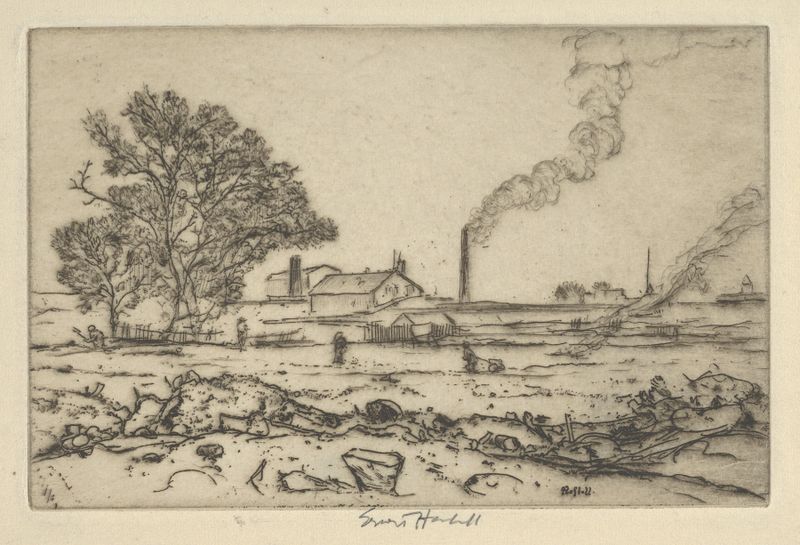
Outskirts of Boston
Ernest Haskell
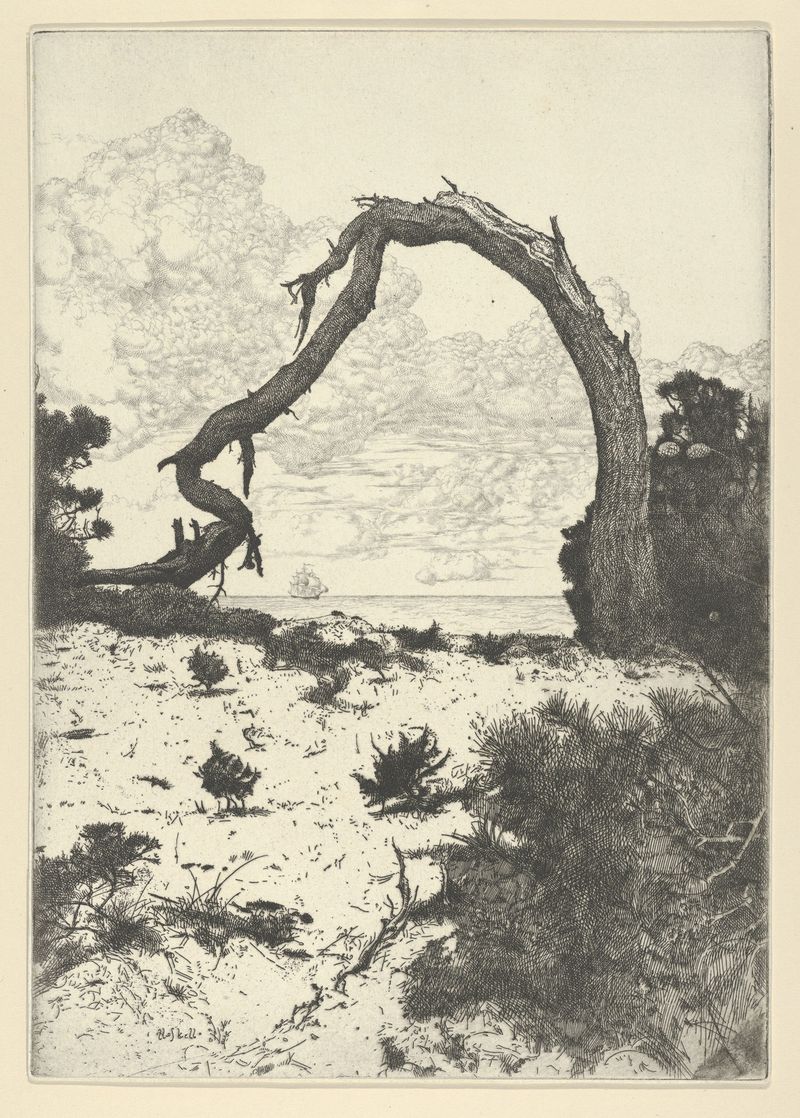
Pine Arch
Ernest Haskell

General Sherman
Ernest Haskell
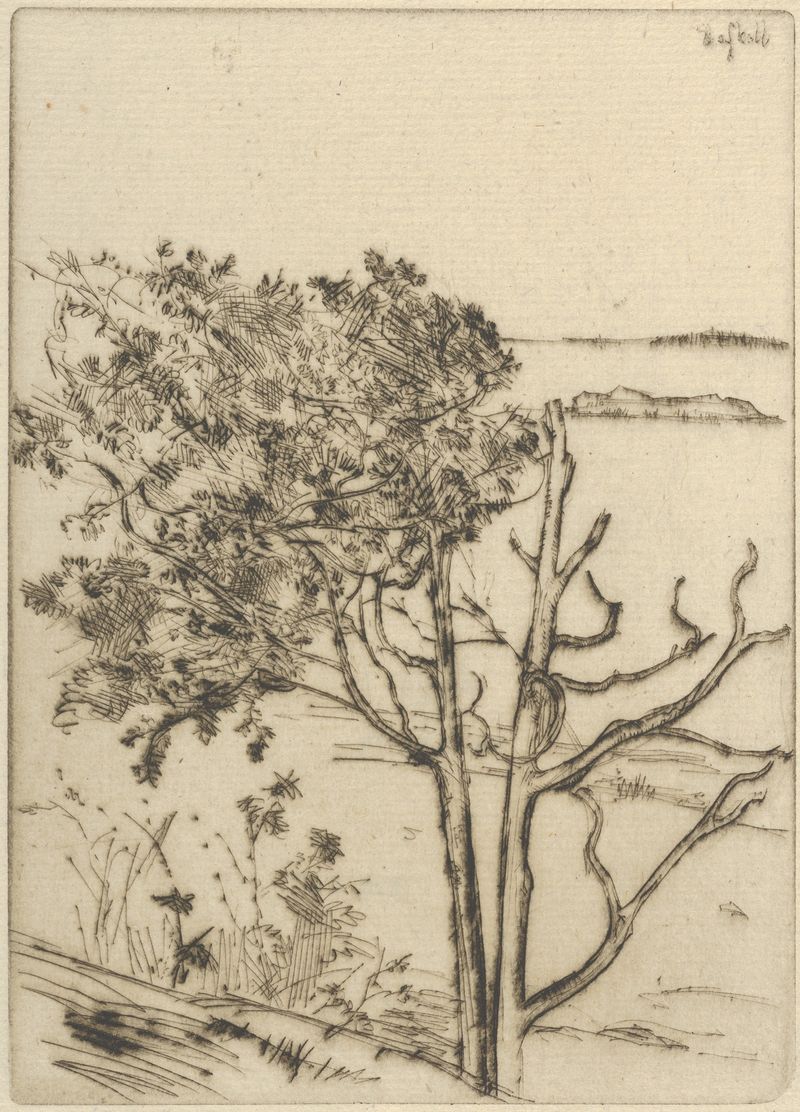
Ragged Tree – Maine
Ernest Haskell

Tide Mill
Ernest Haskell

Ship Building
Ernest Haskell
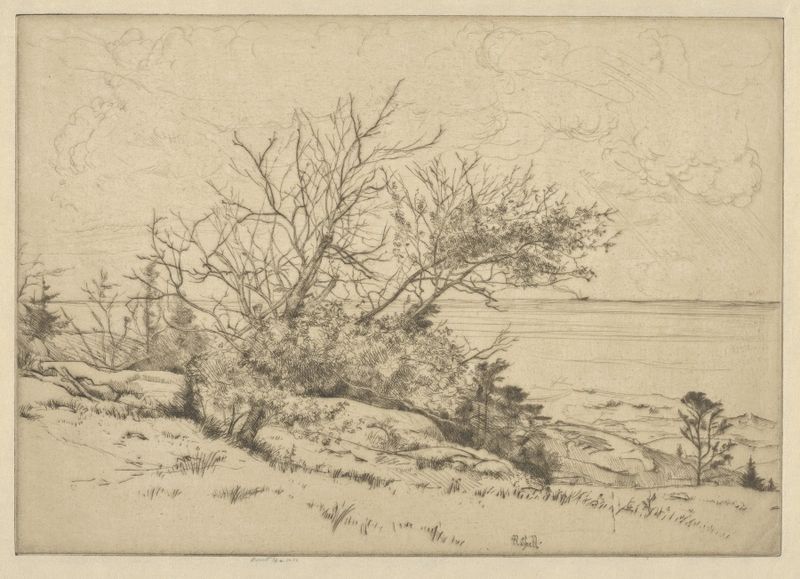
To the Southward – Ragged Island, Me.
Ernest Haskell
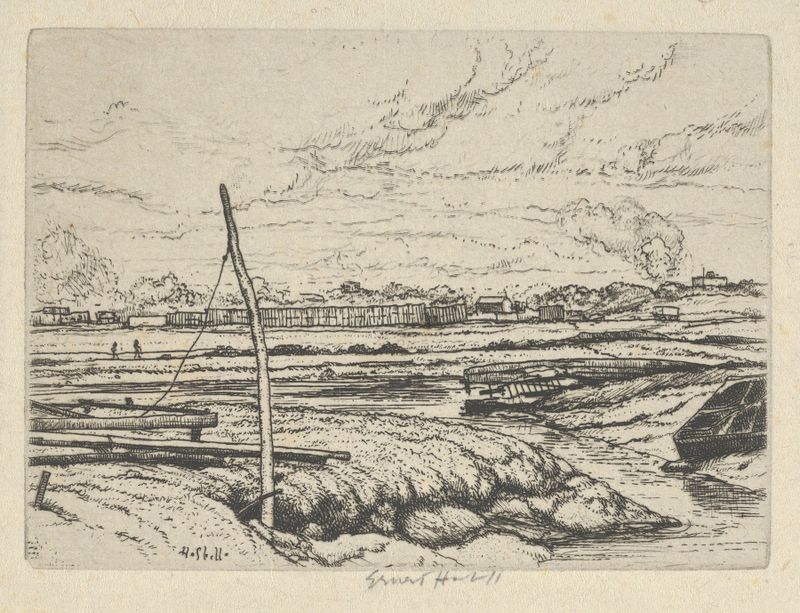
Long Island Marshes
Ernest Haskell





