
Dartmoor: The Source of the Tamar and the Torridge — História e Análise
When did color learn to lie? In Dartmoor: The Source of the Tamar and the Torridge, the swirling hues of green and blue tell tales of nostalgia that glitter beneath the water's surface, blurring the line between reality and memory. Look to the center of the canvas, where the tumultuous sky meets the rugged landscape. The intense brushstrokes evoke a storm brewing, while the light cascades through the clouds, illuminating the tranquil rivers below. Notice how the earthy browns and vibrant greens intertwine, forming a tapestry that draws you into the heart of Dartmoor.
The composition feels organic, as if the elements are conversing, each stroke a whisper of the landscape's untamed beauty. Yet, amid this vibrancy lies a profound tension. The turbulent skies suggest impending change, hinting at nature's capriciousness and the fragility of our fondest memories. The contrast between the chaos above and the serene waters below speaks to the duality of human experience — the joy of recollection intertwined with the inevitability of passing time.
A hidden figure, perhaps a traveler or a poet, lingers near the water’s edge, encapsulating the relationship between humanity and the wild, timeless landscape. Turner created this masterpiece in 1813 while living in London, a period marked by his increasing experimentation with light and color. The rise of Romanticism influenced his work, as he sought to capture the sublime beauty of nature amidst the Industrial Revolution's encroachment. This painting reflects a moment of introspection not only for him but for a society grappling with the changing relationship between humanity and the natural world.
Mais obras de Joseph Mallord William Turner
Ver tudo →
Dort or Dordrecht- The Dort Packet-Boat from Rotterdam Becalmed
Joseph Mallord William Turner
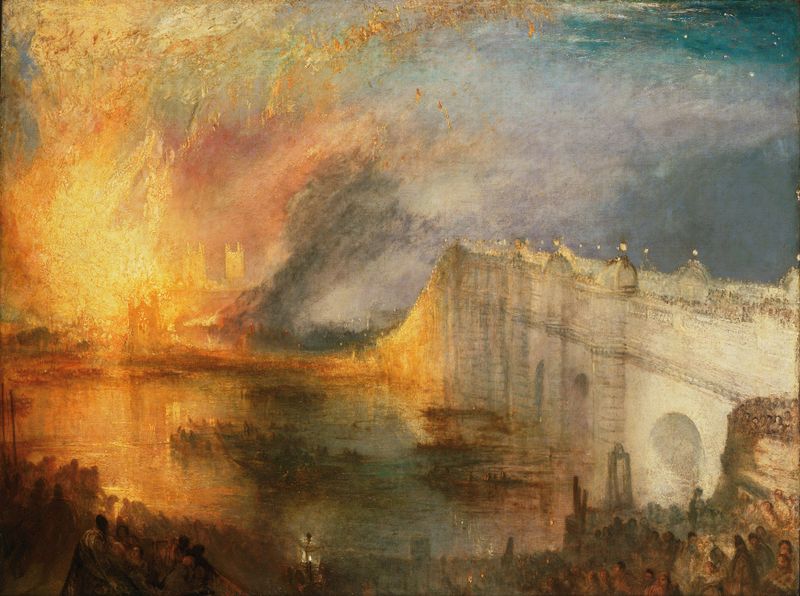
The Burning of the Houses of Lords and Commons, October 16, 1834
Joseph Mallord William Turner
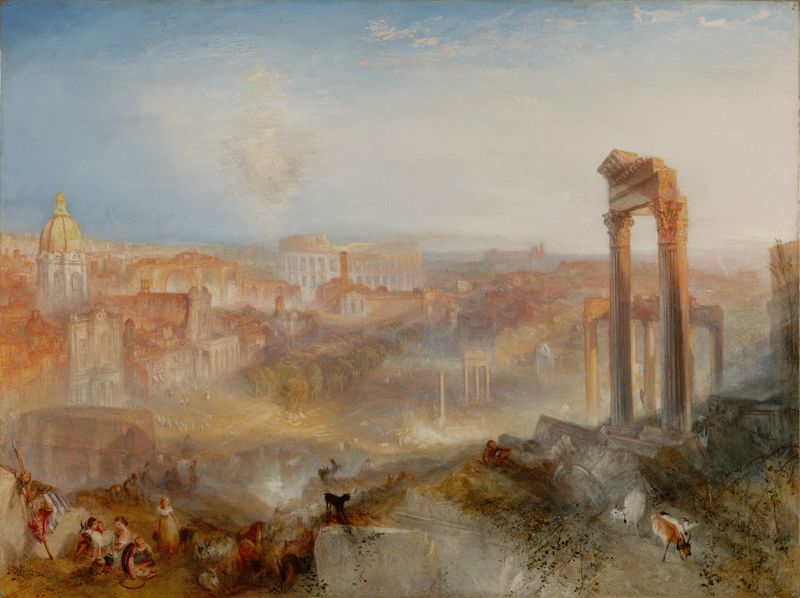
Modern Rome – Campo Vaccino
Joseph Mallord William Turner
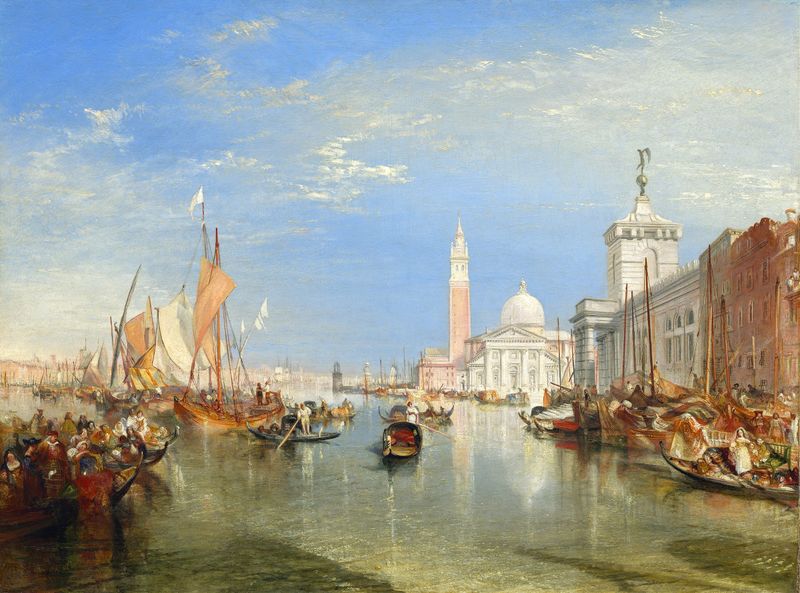
Venice – The Dogana and San Giorgio Maggiore
Joseph Mallord William Turner

The Burning of the Houses of Lords and Commons, 16 October 1834
Joseph Mallord William Turner
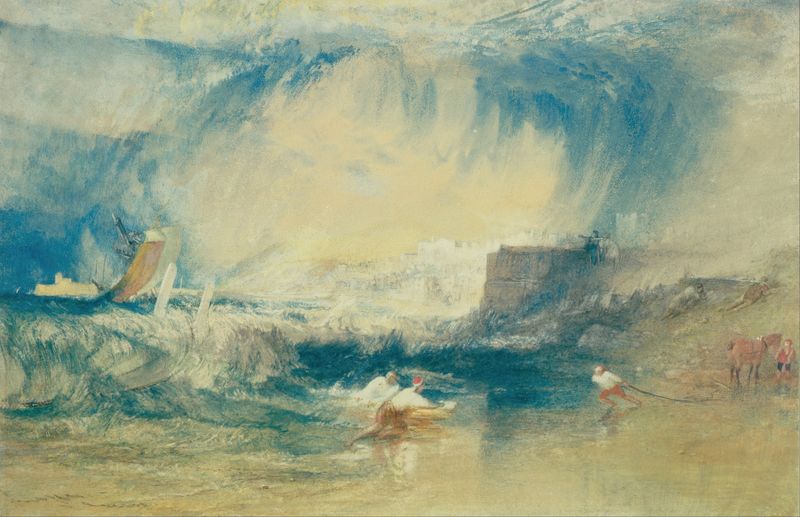
Lyme Regis, Dorsetshire, England
Joseph Mallord William Turner
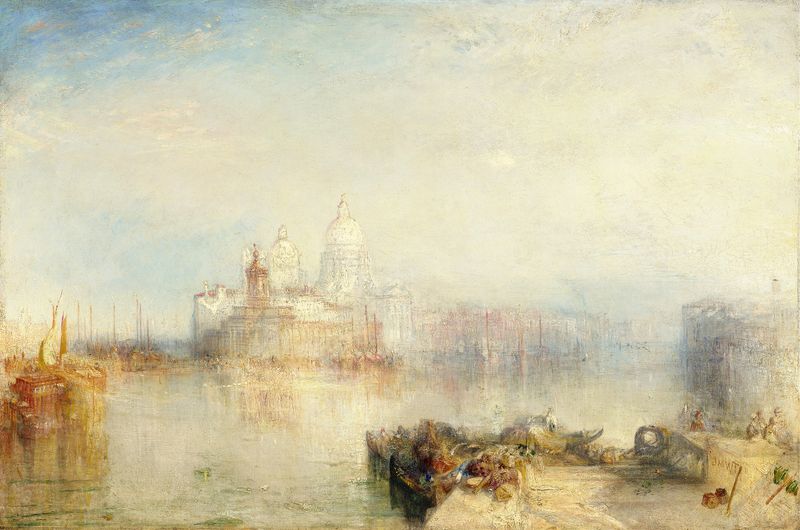
The Dogana and Santa Maria della Salute, Venice
Joseph Mallord William Turner
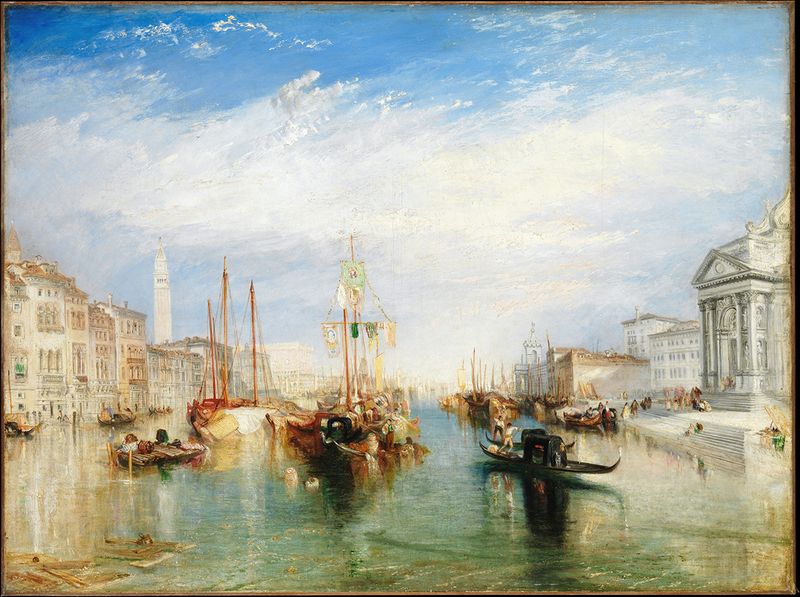
Venice, from the Porch of Madonna della Salute
Joseph Mallord William Turner
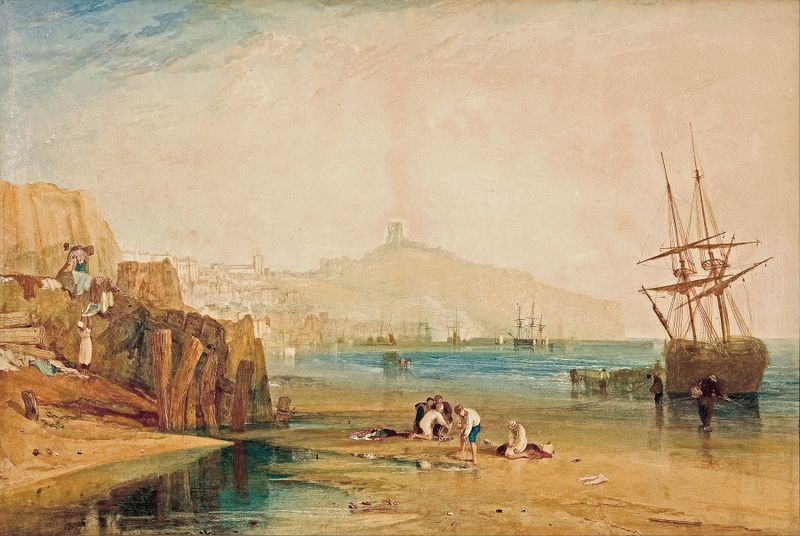
Scarborough town and castle; morning; boys catching crabs
Joseph Mallord William Turner
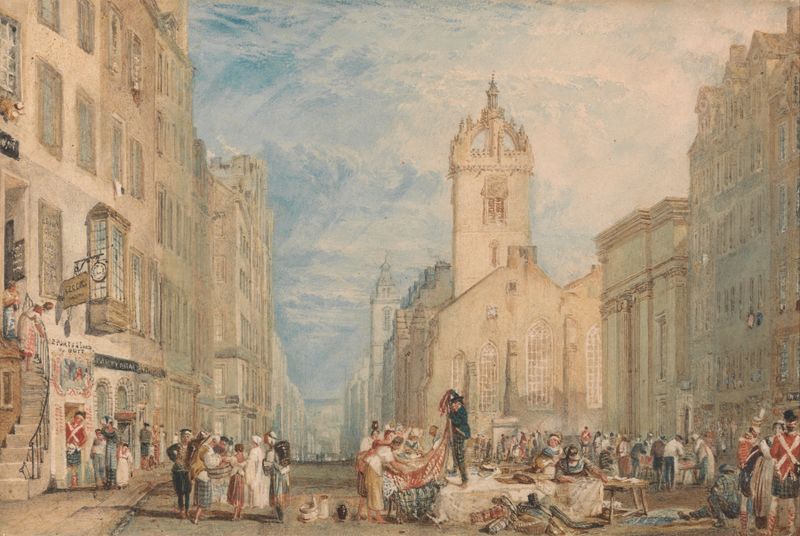
High Street, Edinburgh
Joseph Mallord William Turner





