
Das Gartenhaus beim Landhaus von Johann Baptist Weis in Speising — História e Análise
Is this a mirror — or a memory? In the serene embrace of nature, a garden house stands, silent and inviting, echoing whispers of tranquility amidst the vibrant chaos of life. Look to the left, where the gentle curvature of the garden path leads the eye toward the quaint structure nestled among lush greenery. Notice how the interplay of soft greens and warm earth tones creates a harmonious palette, inviting one to step into this peaceful retreat. The brushwork, delicate yet firm, captures the subtle details of the foliage, each leaf rendered with care, enhancing the overall serenity of the scene. As you draw closer, the contrasts unfold: the solidity of the garden house against the fluidity of the natural surroundings.
The light dapples through the trees, creating a rhythmic dance of shadows that suggest the passage of time. The quiet presence of this architectural gem hints at both solitude and community; it stands as a witness to the lives that have passed through, each moment imprinted in its walls, yet untouched by the turmoil of the outside world. Created in 1845, Das Gartenhaus beim Landhaus von Johann Baptist Weis in Speising reflects Friedrich Loos's deep appreciation for nature and architectural harmony during a period when Romanticism was flourishing. Living in Vienna, he was influenced by the prevailing artistic currents that celebrated both individual expression and the beauty of everyday life, positioning him as a pivotal figure in the transition toward modernist thought.
Mais obras de Friedrich Loos
Ver tudo →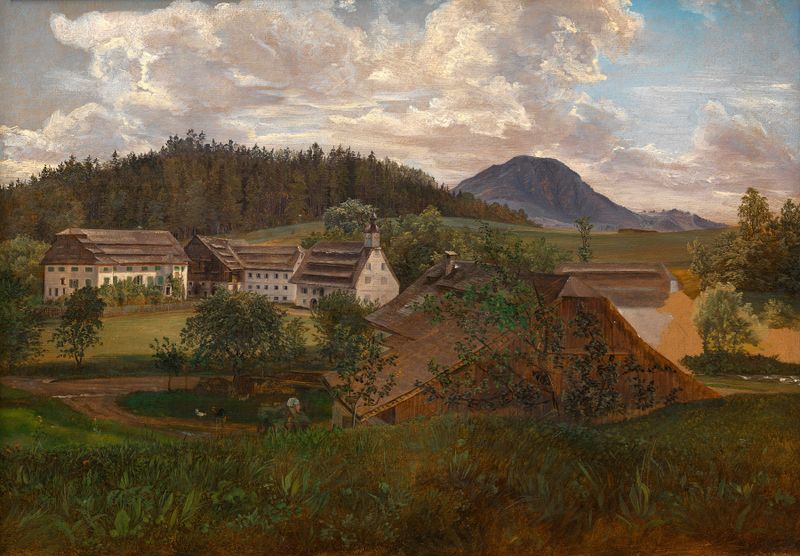
Salzburgische Landschaft mit Gutshof
Friedrich Loos
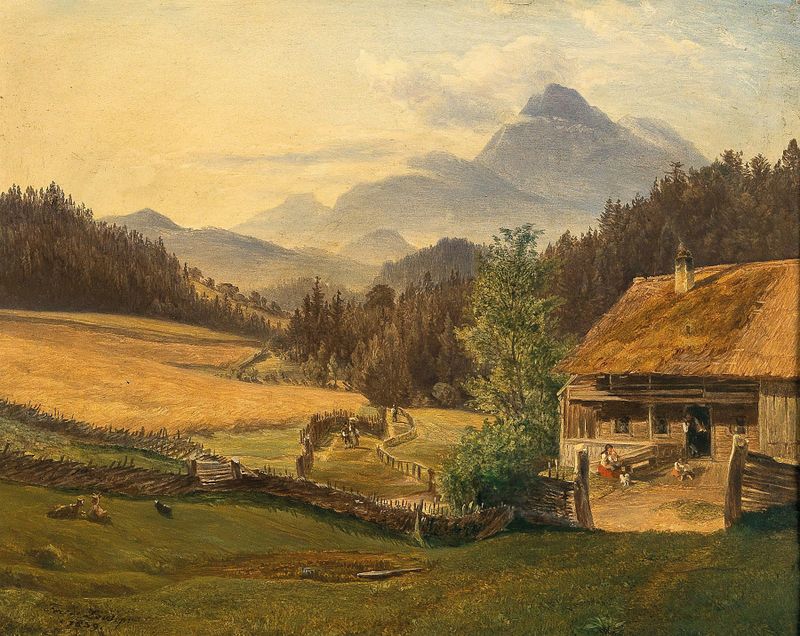
Summer landscape in the mountains
Friedrich Loos
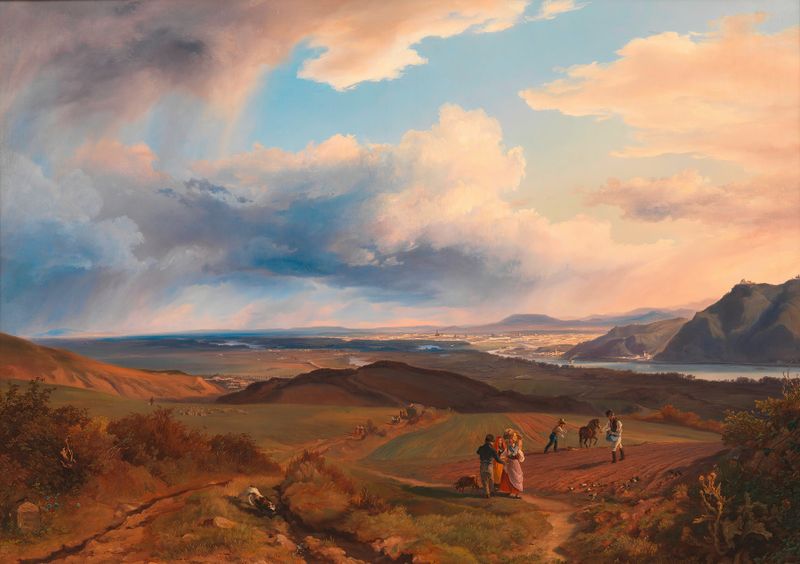
Blick auf Wien vom Bisamberg
Friedrich Loos
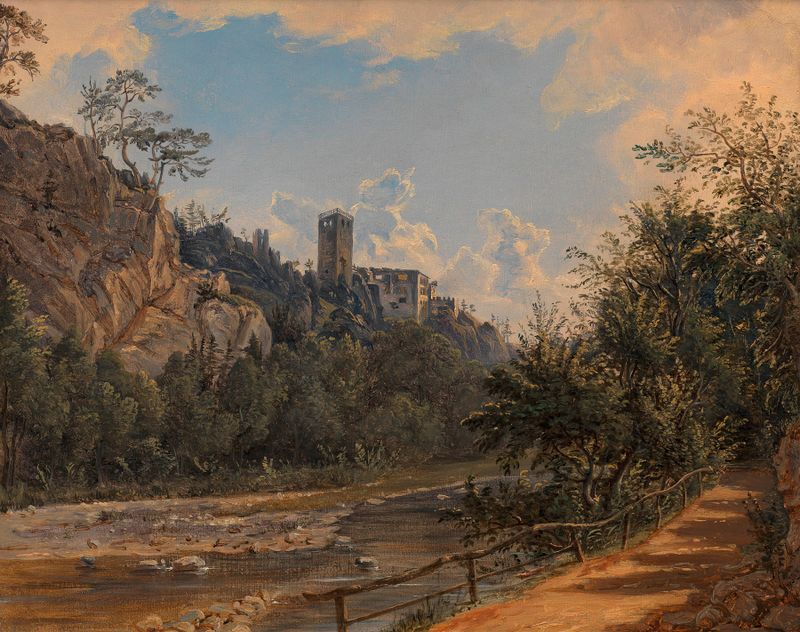
Ruine Rauhenstein bei Baden
Friedrich Loos

Die Ramsau bei Berchtesgaden
Friedrich Loos
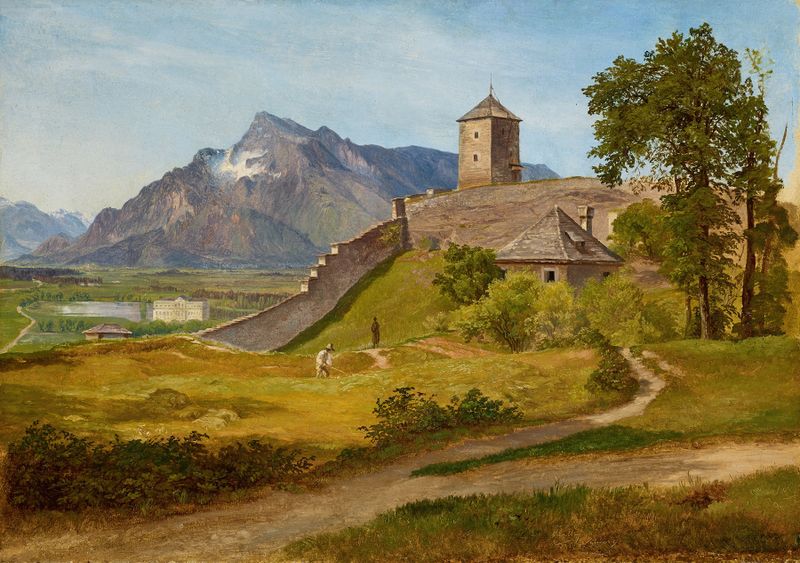
Das Militärwachthaus und der Josefsturm auf dem Salzburger Mönchsberg
Friedrich Loos
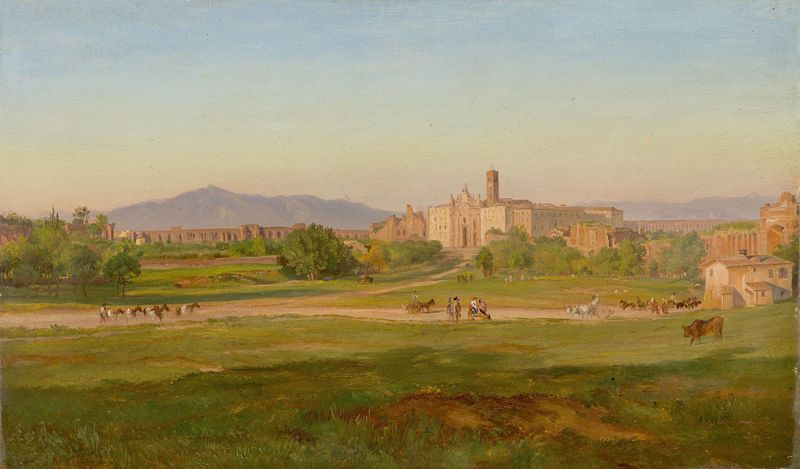
Blick auf die Basilica di Santa Croce in Gerusalemme (Rom)
Friedrich Loos

Monte Cavo bei Albano
Friedrich Loos

Der Mönchsberg in Salzburg mit dem Josefsturm
Friedrich Loos

Harvest near Rust on Lake Neusiedl
Friedrich Loos





