Death — História e Análise
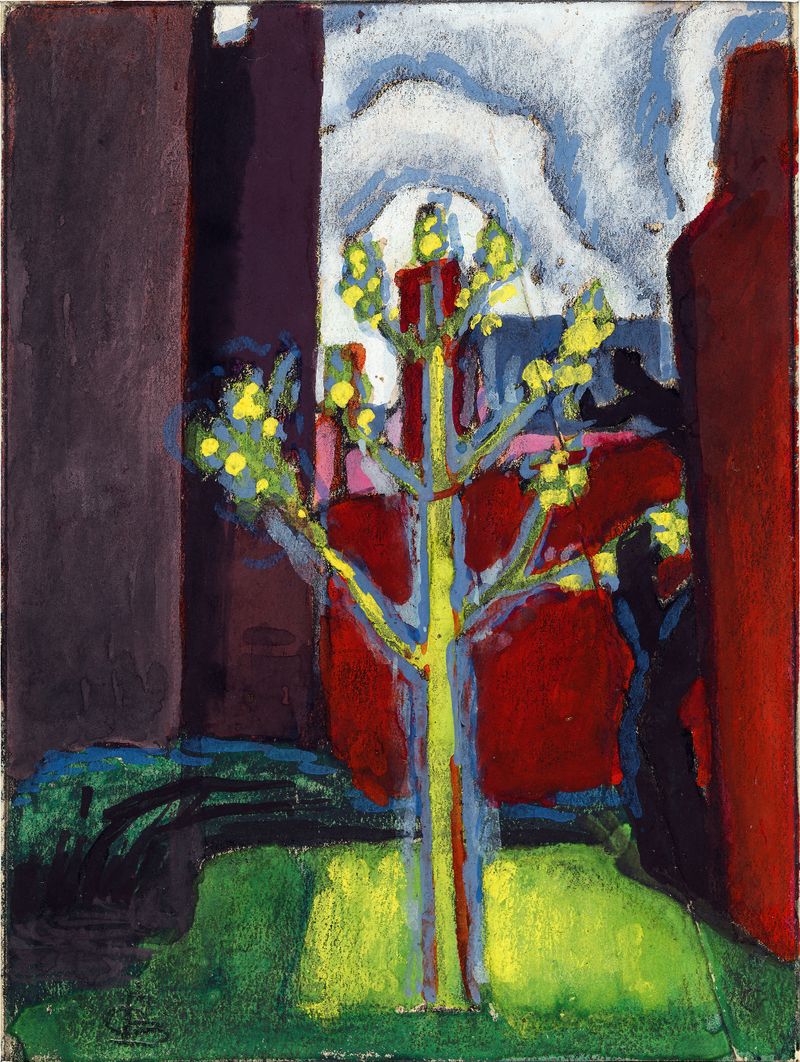
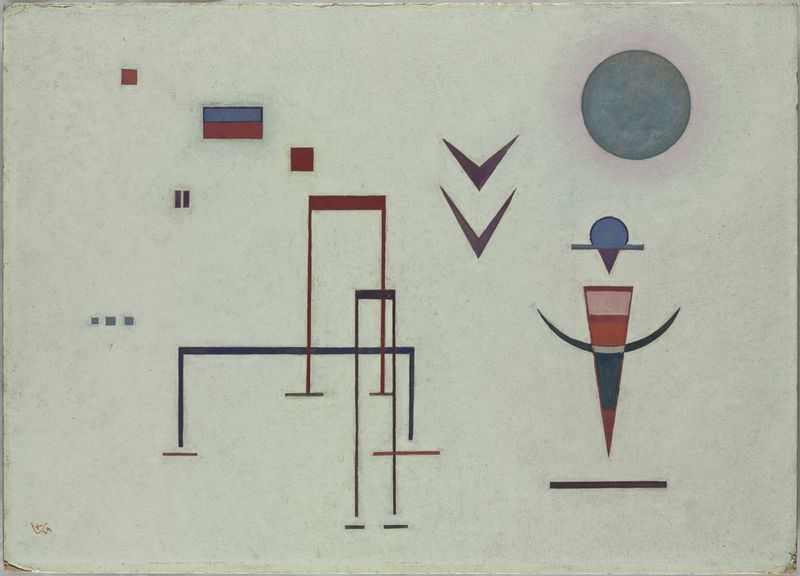
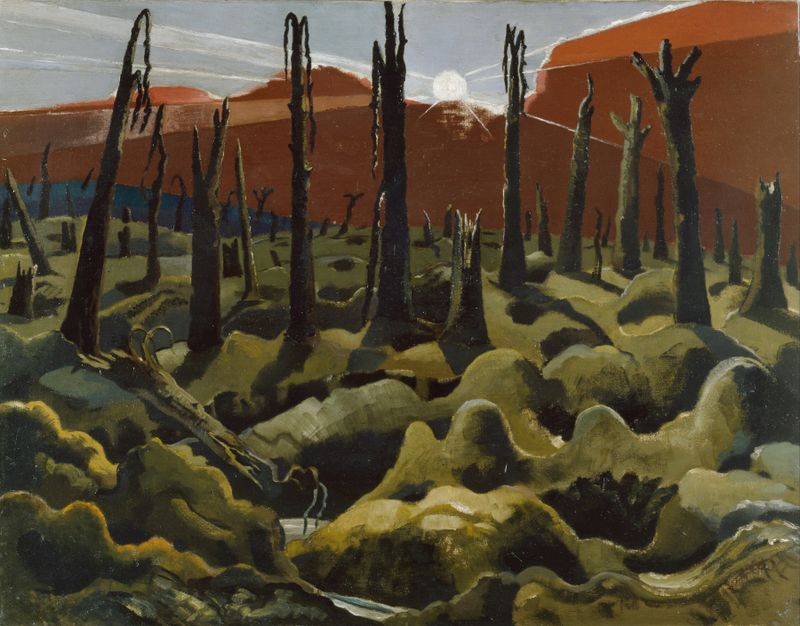
Can paint confess what words never could? In Oscar Bluemner's Death, silence envelops the viewer, capturing an emotion that transcends language. Look closely at the upper left corner, where deep reds and dark tones swirl, evoking a sense of urgency. The stark contrast with lighter hues at the center draws your gaze inward, illustrating the juxtaposition of life and loss. Notice how the forms resemble both organic shapes and geometric patterns, embodying the complexity of existence itself.
The brushwork is vigorous yet contemplative, a visual echo of the thoughts that accompany grief. Beyond the immediate composition, the interplay of light and shadow conveys a tension between despair and acceptance. The chaotic reds speak to the rawness of emotions, while the soothing earth tones in the background suggest an undercurrent of solace. This duality invites the viewer to reflect on mortality's inevitable presence, where beauty and sorrow coexist.
Each stroke resonates with the weight of untold stories left unspoken, imprinting the essence of silence onto the canvas. In 1926, Bluemner painted Death during a period marked by personal loss and existential contemplation. Living in the United States, he grappled with the intersections of modernism and emotional depth in art. This work reflects not only his personal struggles but also a broader artistic movement seeking to convey profound themes through abstraction, a testament to his innovative spirit during a transformative era.