Der Weiher (Concarneau) — História e Análise
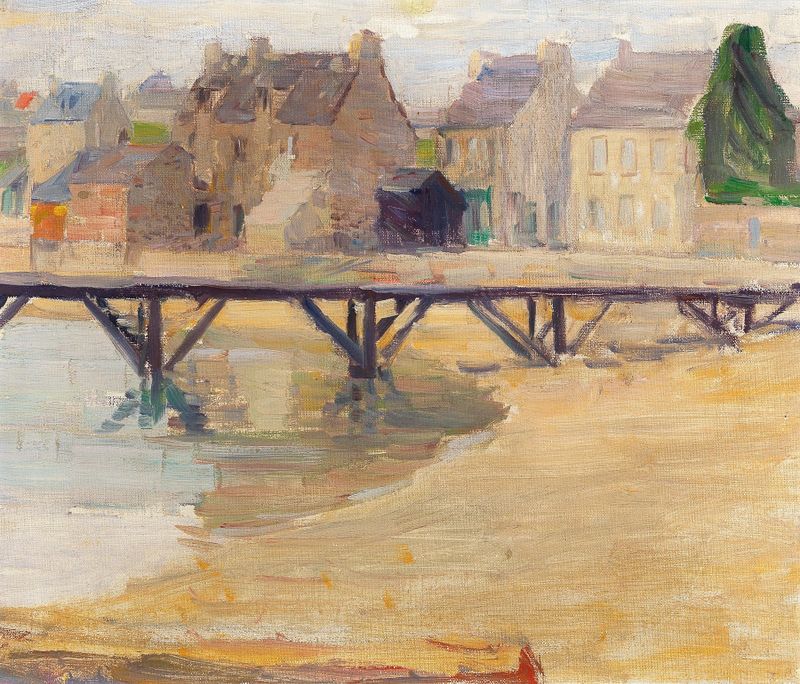
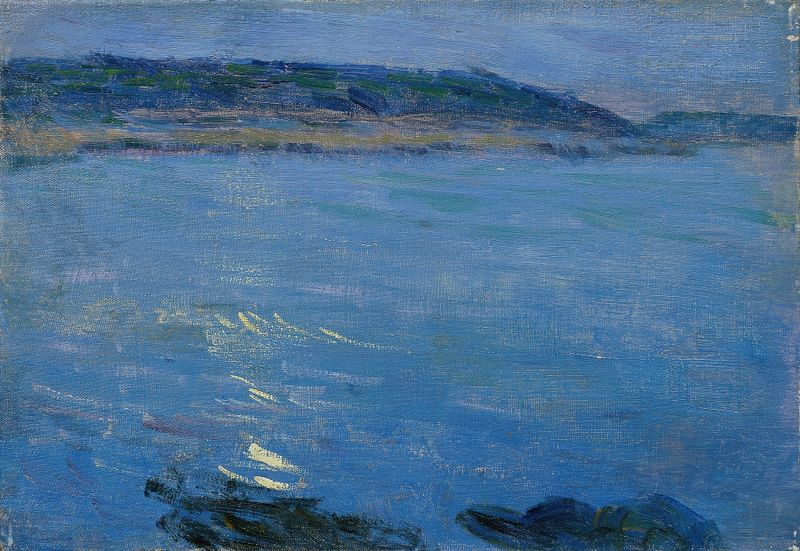
In a world where nature can cradle beauty yet conceal brutality, we find the sharp edges of existence both delicate and violent. Look to the left at the vibrant blue waters, where the sunlight dances upon the surface, creating a serene reflection that belies the tumult beneath. The lush greenery frames the scene, leading the eye to the enigmatic figures by the water’s edge, rendered with a soft, almost ghostly touch. Notice how Kurzweil employs a palette of contrasting hues, blending warmth and coolness, to evoke a sense of tension and harmony intertwined within the landscape. Beneath the tranquil surface lies a deeper narrative.
The juxtaposition of the calm water and the shadows creeping along the banks hints at unspoken conflicts, perhaps a metaphor for the violence that often lurks beneath the surface of idyllic moments. The almost dreamlike quality of the figures suggests memory, nostalgia, and the weight of unresolved histories, inviting the viewer to ponder what lies beyond the scene's serene facade. In 1904, while living in Vienna, the artist was navigating a transformative period in his career, marked by the increasing influence of modernism. This work emerged during a time of burgeoning change in the art world, where traditional approaches were being challenged, and new expressions of emotion were sought.
It reflects Kurzweil's evolving style and the complex interplay of beauty and violence that characterizes much of his oeuvre.