Die Tannhäuser-Legende — História e Análise
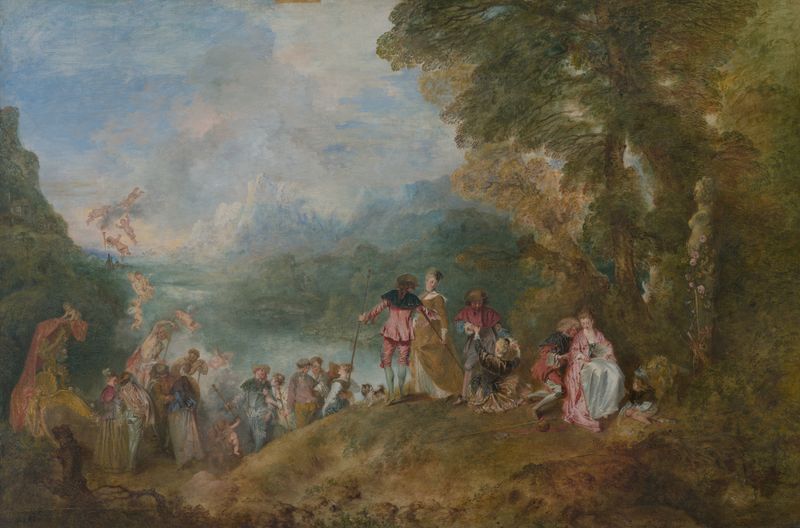
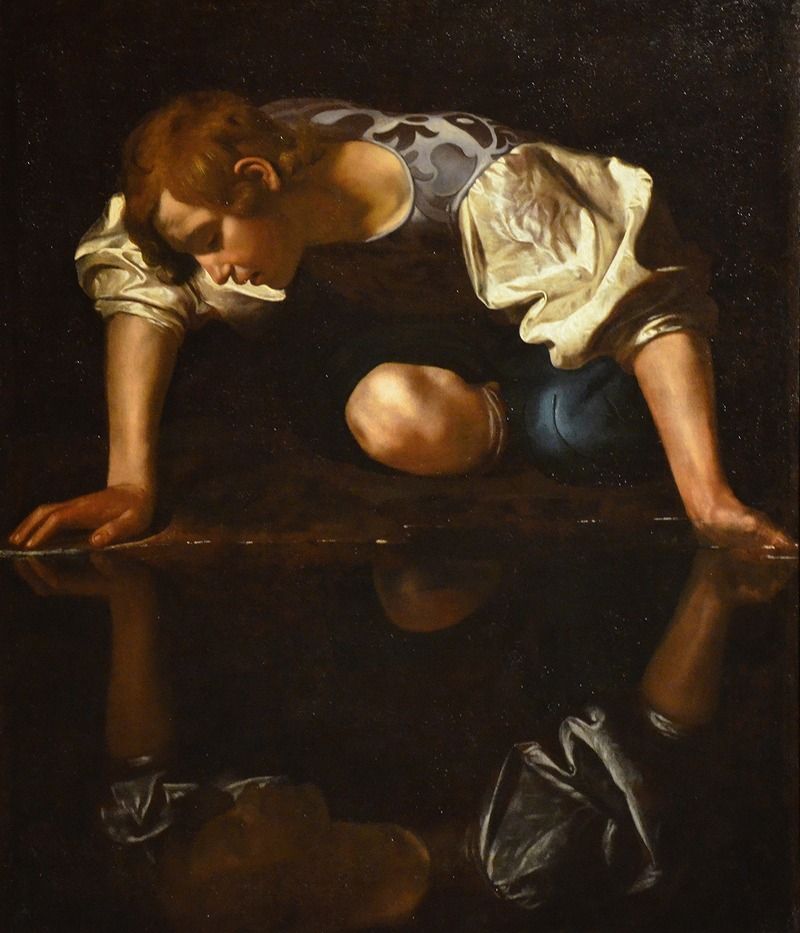
Is this a mirror — or a memory? In Die Tannhäuser-Legende, the past intertwines with the present, inviting us to reflect on the boundaries between illusion and reality. Look to the foreground, where the ethereal figure of Tannhäuser emerges, his gaze fixed wistfully upon a distant horizon. The hazy landscape behind him blurs into a dreamlike tapestry of muted greens and browns, creating a stark contrast with the bright, almost luminous strokes that define his silhouette. The artist employs a delicate balance of chiaroscuro to illuminate Tannhäuser's face while leaving the background in shadow, accentuating the tension between his longing and the elusive world he seeks. Beneath the surface of this piece lies a poignant exploration of yearning.
The vibrant hues of Tannhäuser’s garments symbolize his passionate spirit, yet they are cloaked in the somber tones of the surrounding landscape, suggesting an inner turmoil and the conflict between personal desire and societal constraints. The viewer can sense the weight of the legend’s implications, as if Tannhäuser's journey represents a broader human struggle for freedom and self-definition amid revolutionary change. Karl Russ painted this work in 1825 during a period marked by political upheaval in Europe, where the seeds of revolution were being sown. Living in a time when Romanticism was gaining momentum, he was deeply influenced by the cultural shifts surrounding him, as artists sought to express deeper emotions and individual experiences.
This painting reflects those sentiments, capturing not just a tale of legend but the very essence of a society on the brink of transformation.