
Double Title Page of a copy of the Shahnama of Firdausi — História e Análise
Can paint confess what words never could? In the delicate brushstrokes of the 16th century, a profound sorrow echoes through the intricate designs of this double title page, capturing the essence of human emotion in a silent embrace. Look closely at the ornate borders, where gold filigree dances amidst vivid lapis lazuli and deep crimson. The eye is drawn first to the elegantly inscribed calligraphy, curling like wisps of smoke, its fluidity contrasting with the structured geometric patterns that frame it. Notice the subtle interplay of light reflecting off the gilded elements; it gives the piece a luminescent quality, inviting contemplation and reverence, as if the very words carry weight beyond their ink. Within this artwork lies a poignant narrative of loss and remembrance.
The vibrant colors symbolize both the beauty of life and the inevitability of grief, creating a tension that resonates with viewers across centuries. The fusion of text and imagery reflects a culture that revered storytelling, reminding us of the fragility of existence—each swirl of detail invites us to meditate on the emotions that bind us across time and space. During the mid-16th century, artists of the Safavid dynasty were embracing intricate ornamentation while navigating the complexities of their evolving cultural identity. In this context, the creation of such pages not only served a functional purpose in manuscript illumination but also encapsulated the spirit of an era rich in artistic exploration and deep philosophical inquiry.
Mais obras de Islamic
Ver tudo →
The Ascent of the Prophet to Heaven, Page from the Khamsa of Nizami
Islamic

Qur'an Manuscript in Muhaqqaq
Islamic

Zal Climbing to Rudaba, page from a copy of the Shahnama of Firdausi
Islamic

Layla Visiting Majnun in the Desert, page from a copy of the Khamsa of Nizami
Islamic

Farhad Carrying Shirin and Her Horse, from a copy of the Khamsa of Nizami
Islamic

Zal and Rudaba in a Palace, page from a copy of the Shahnama of Firdausi
Islamic

A Battle Scene from a Shahnama Manuscript
Islamic

Qur'an leaf in Eastern Kufic script
Islamic

The Birth of Rustam, page from a copy of the Shahnama of Firdausi
Islamic

A Polo Game: Page from a Kulliyyat (Collected Works) of Sa'di
Islamic
Mais arte de Ilustração
Ver tudo →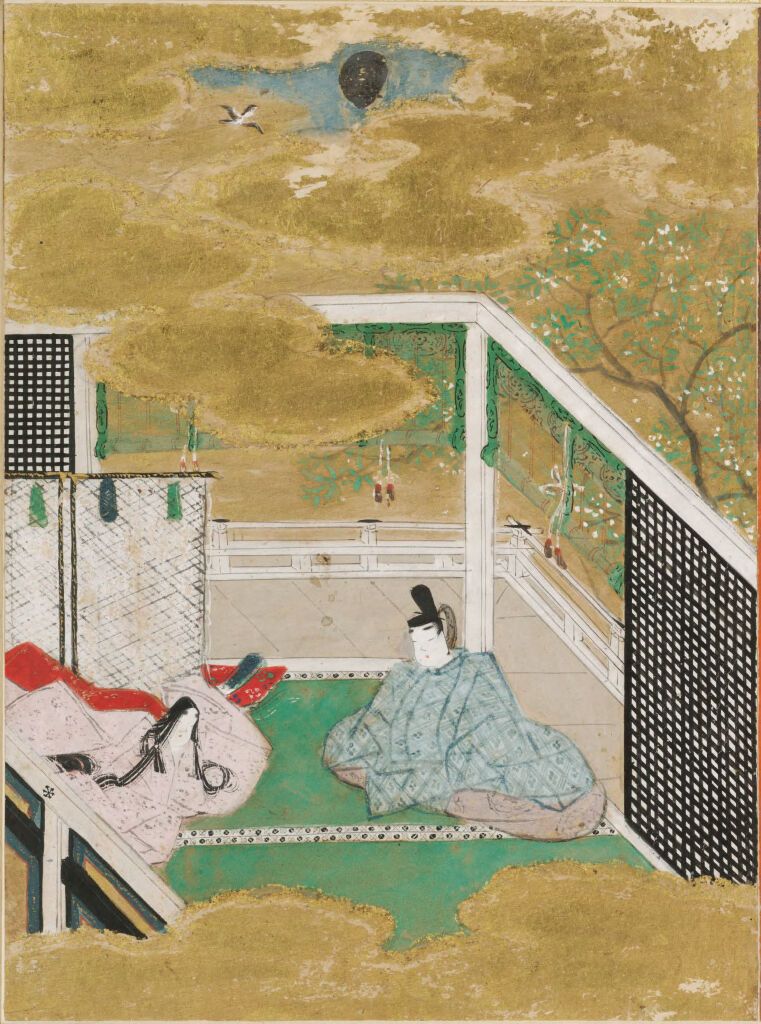
Falling Flowers (Hanachirusato), Illustration to Chapter 11 of the Tale of Genji (Genji monogatari)
Tosa Mitsunobu
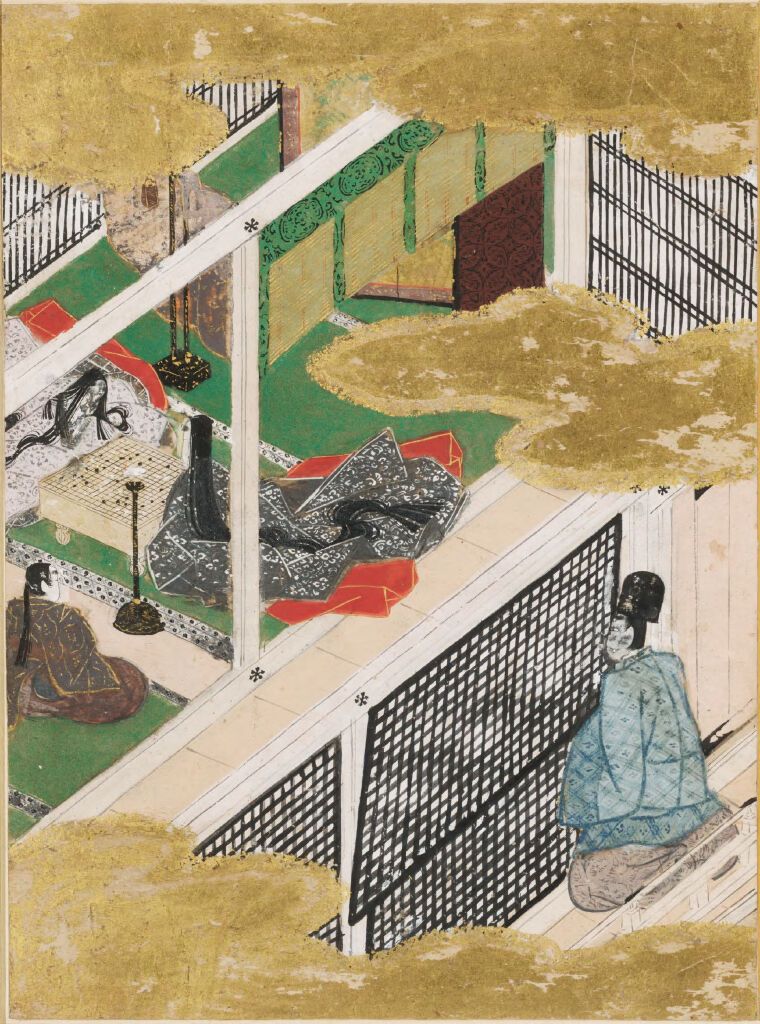
The Cicada Shell (Utsusemi), Illustration to Chapter 3 of the Tale of Genji (Genji monogatari)
Tosa Mitsunobu
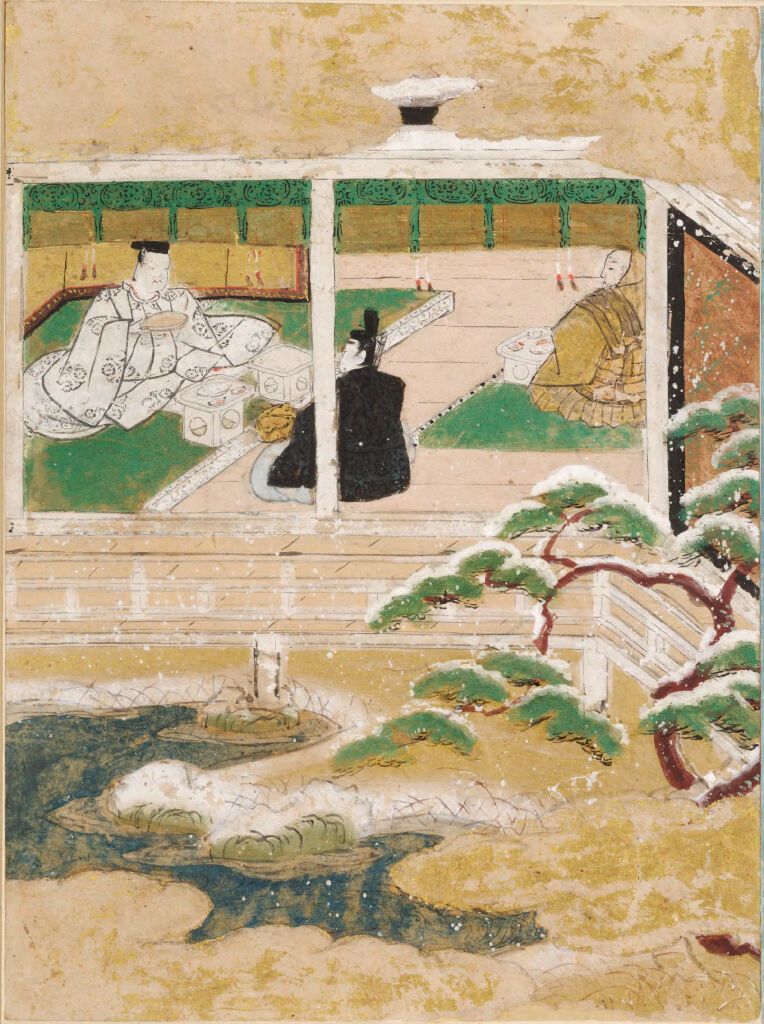
The Seer (Maboroshi), Illustration to Chapter 41 of the Tale of Genji (Genji monogatari)
Tosa Mitsunobu
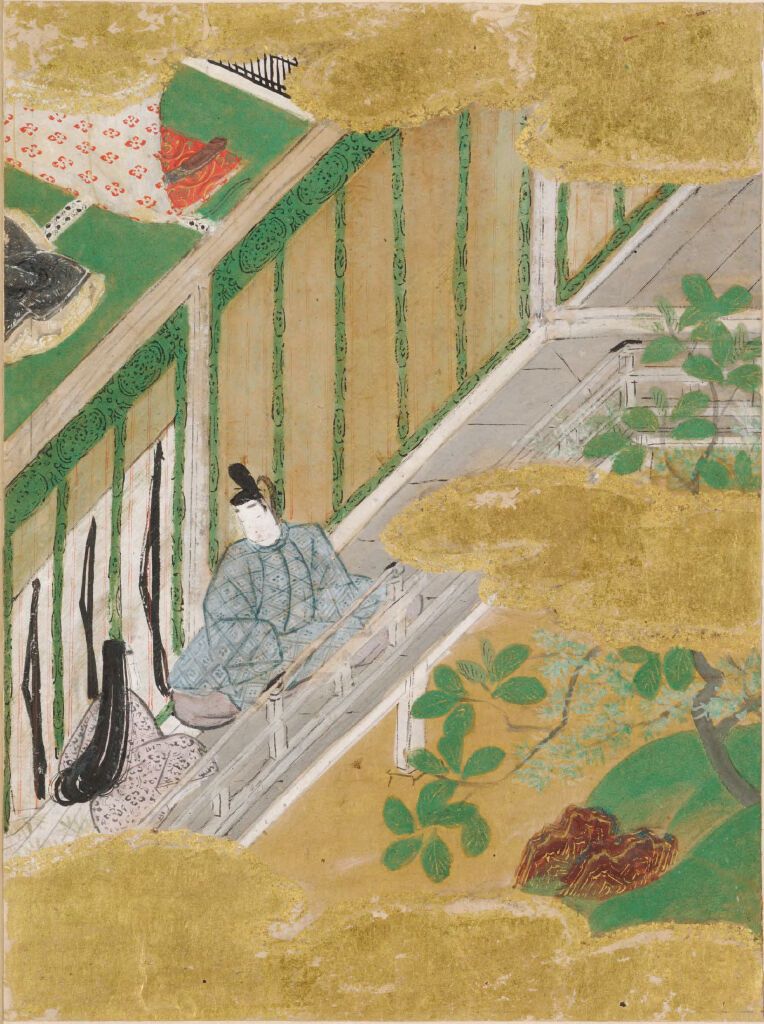
The Oak Tree (Kashiwagi), Illustration to Chapter 36 of the Tale of Genji (Genji monogatari)
Tosa Mitsunobu
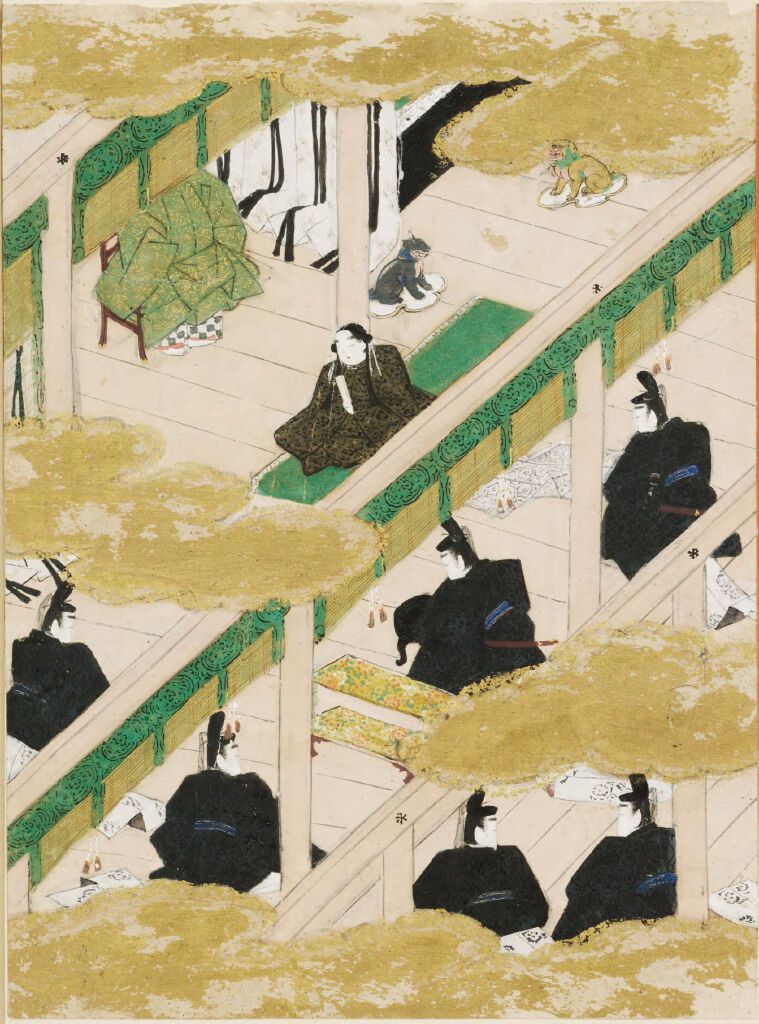
The Paulownia Pavilion (Kiritsubo), Illustration to Chapter 1 of the Tale of Genji (Genji monogatari)
Tosa Mitsunobu
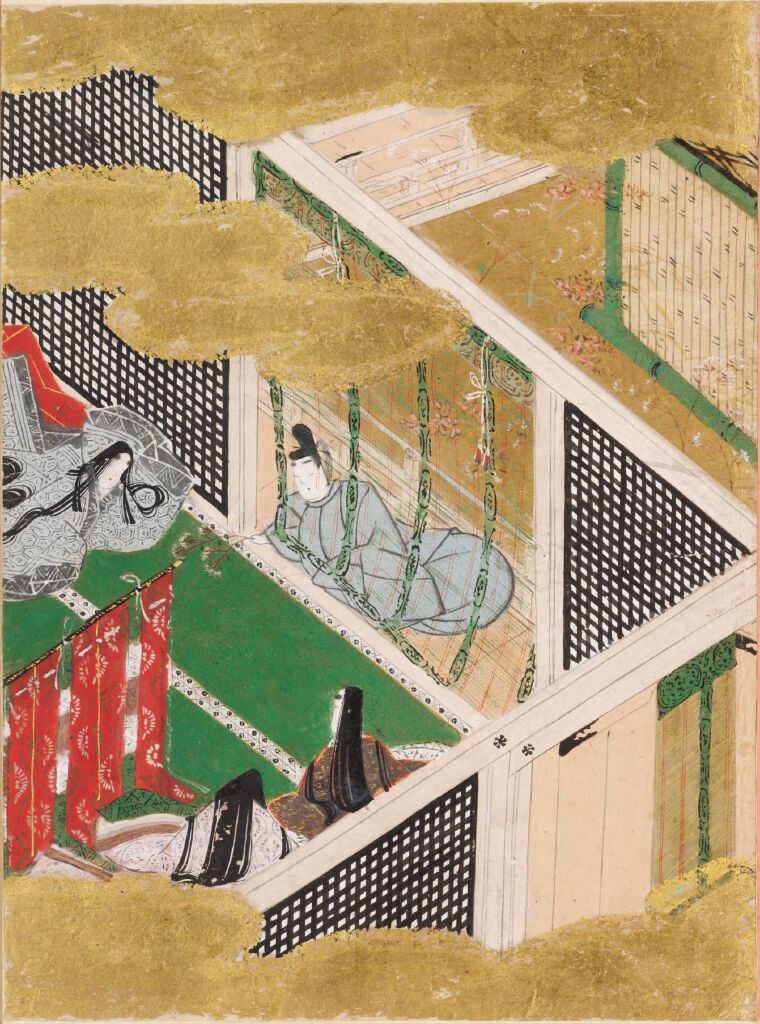
Thoroughwort Flowers (Fujibakama), Illustration to Chapter 30 of the Tale of Genji (Genji monogatari)
Tosa Mitsunobu