Early Evening — História e Análise
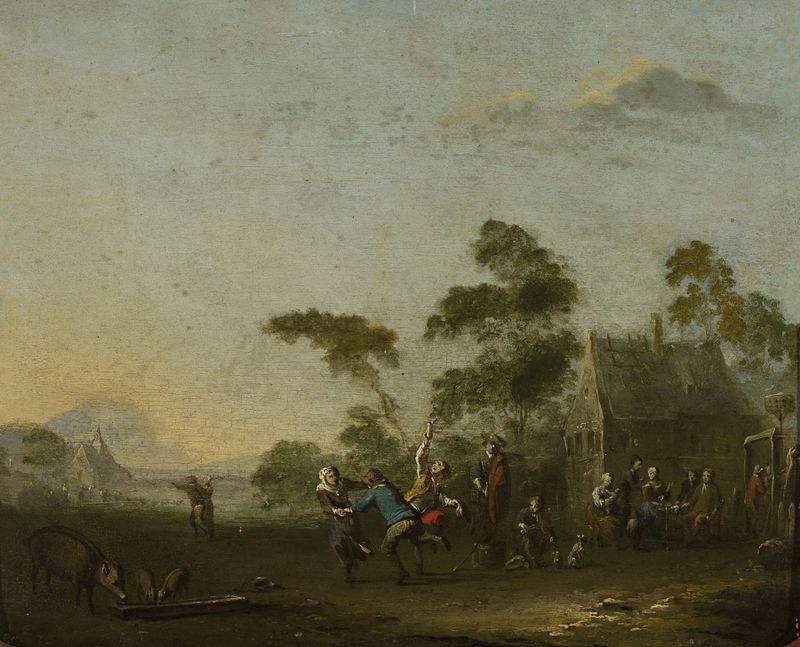
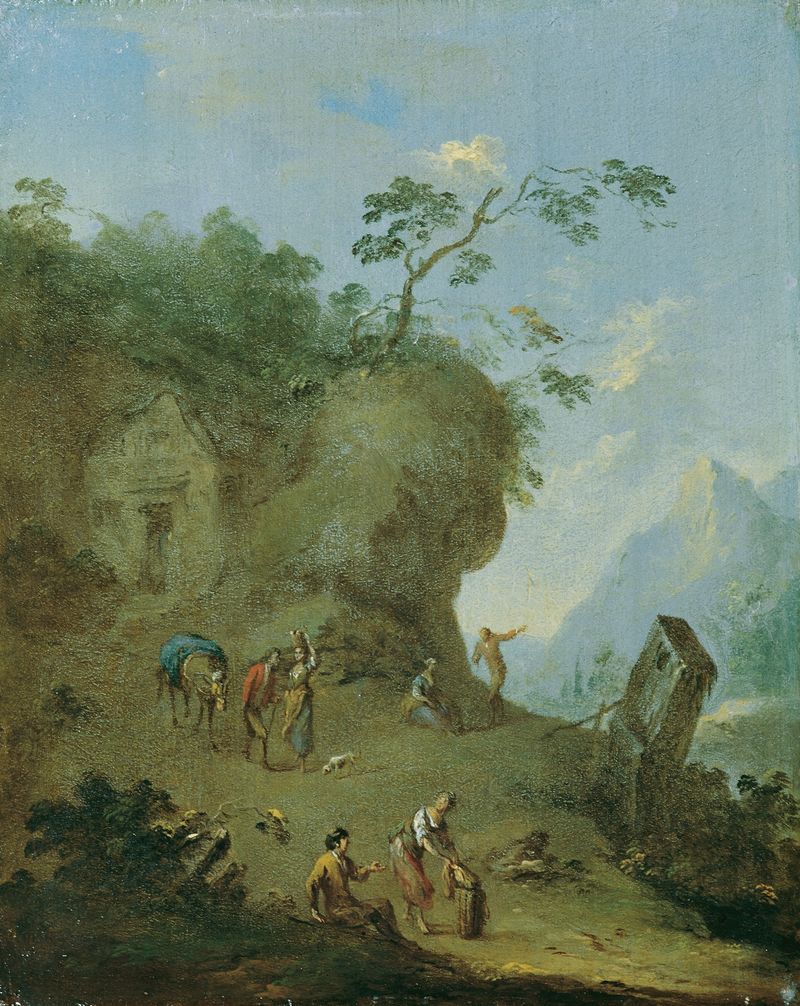
What secret hides in the quiet of the canvas? In Early Evening, light becomes a character of its own, weaving through the shadows and softly illuminating the unnoticed corners of a tranquil moment. Look to the left where a gentle glow envelops a solitary figure, seated beneath the boughs of a tree. The warm hues of dusk blend seamlessly with the cool shadows, creating a delicate balance that invites contemplation. Notice how the artist’s brush strokes evoke the textured surface of the foliage, while the transitioning colors of the sky hint at the day's end, a time of reflection and stillness. Amid the serene ambiance, a contrast emerges between the figure's solitude and the impending night, suggesting both peace and a sense of longing.
The serene expression juxtaposed with the encroaching darkness encapsulates the tension between isolation and connection. The delicate play of light and shadow reveals not just the landscape, but also emotional layers that invite viewers to ponder their own moments of stillness and introspection. Norbert Joseph Carl Grund painted this piece between 1740 and 1760, during a time when European art was shifting toward a more personal emotional expression. Living in Germany, he was influenced by the burgeoning Rococo style, which celebrated natural beauty and intimate moments.
This period marked a significant transition in artistic themes, as artists began to explore the subtleties of light and atmosphere, paving the way for future movements.