
East Front of Wilton House, Wiltshire, the Seat of the Earl of Pembroke — História e Análise
Did the painter know this moment would outlive them? In a world that yearns for permanence, the delicate brushstrokes of a fleeting scene can capture eternity, longing, and desire in a single frame. Look to the left at the grand façade of Wilton House, where classical architecture rises majestically, adorned with ornate details that demand your admiration. The gentle play of light cascades over the stone, revealing shadows that dance between the intricate carvings, evoking a sense of history and grandeur. Soft greens of the manicured landscape surround the structure, leading your eye through the meticulously arranged gardens, blending harmony and precision in a picturesque composition. Yet, beneath the surface lies an emotional tension—a nostalgia for a past era intertwined with the present.
The carefully cultivated gardens reflect a desire for beauty and order, symbolizing the power and privilege of the Earl’s legacy. In this portrayal of wealth and stability, one cannot ignore the unspoken yearning for continuity, as if the very stones cry out for remembrance, even as time marches on. John Buckler painted this work in 1809, during a period of rapid change in Britain, where the Industrial Revolution began reshaping landscapes and lives. As he captured the essence of architecture that stood as a testament to aristocratic lineage, he navigated a world facing both progress and the preservation of tradition in art.
Buckler's commitment to documenting such landmarks illustrates a deep desire to freeze moments in time, ensuring their stories endure long into the future.
Mais obras de John Buckler
Ver tudo →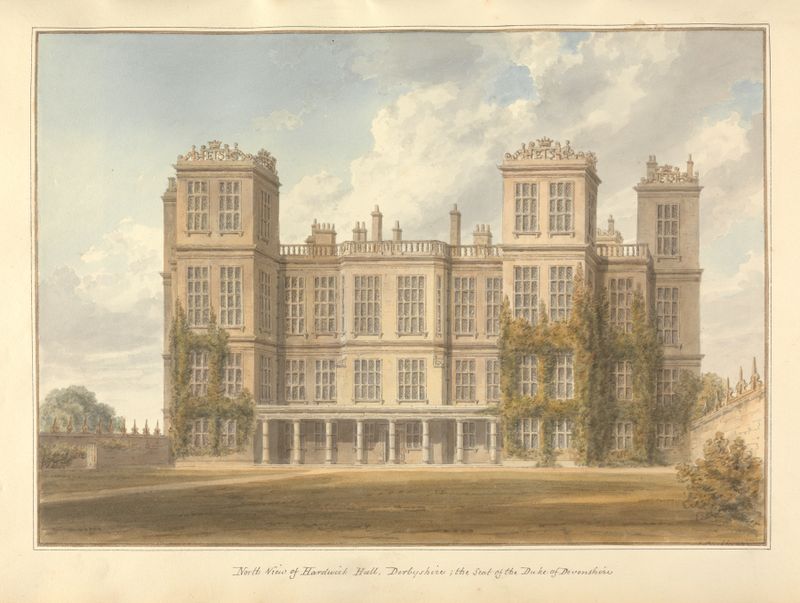
North View of Hardwick Hall, Derbyshire: the Seat of the Duke of Devonshire
John Buckler
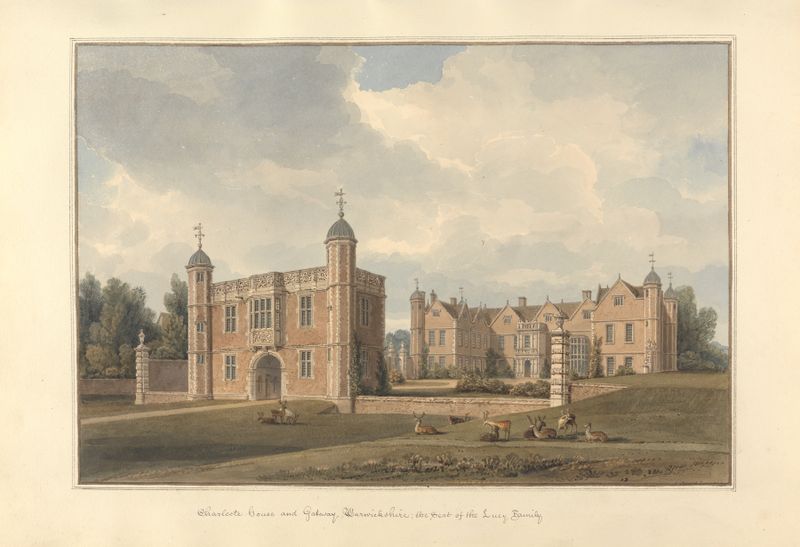
Charlcote house and Gateway, Warwickshire: the Seat of the Lucy Family
John Buckler

North East View of Holland House
John Buckler
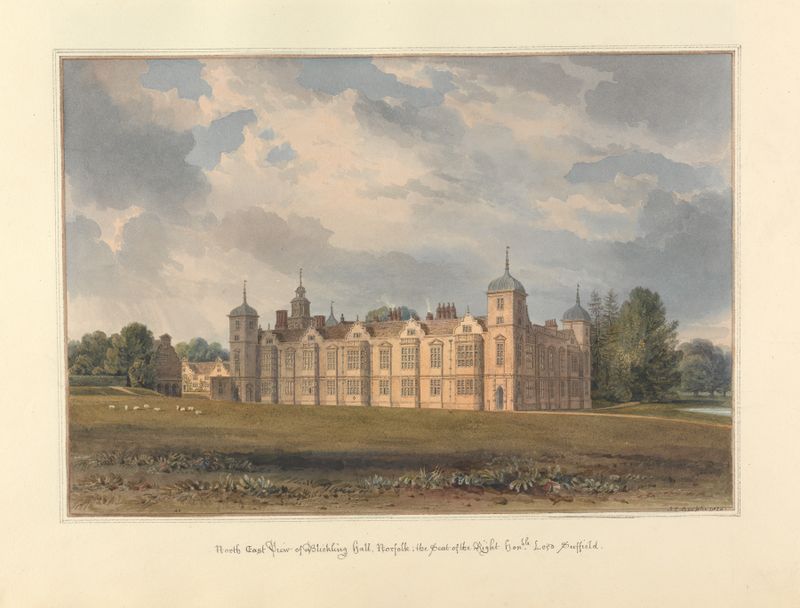
North East View of Blickling Hall, Norfolk: the Seat of the Right Hon’ble Lord Suffield
John Buckler
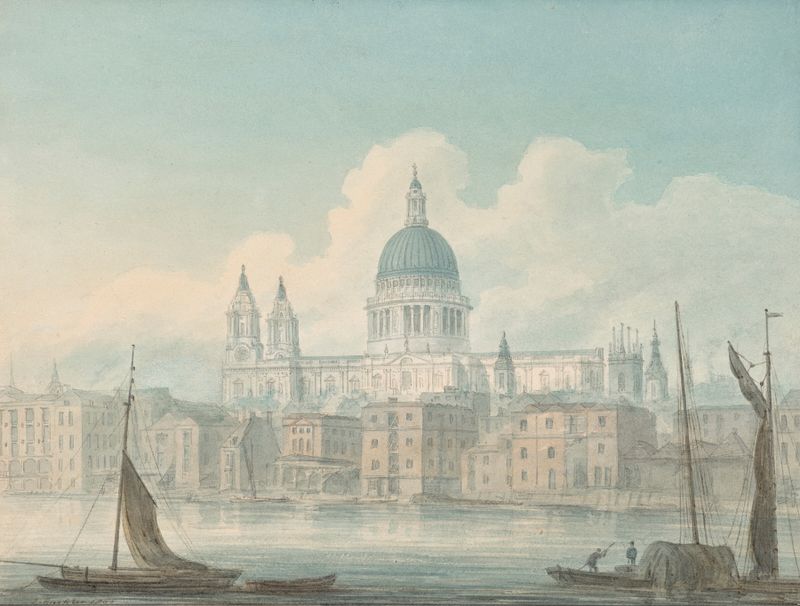
View of St Paul’s Cathedral, from the Southbank of the River Thames, London
John Buckler
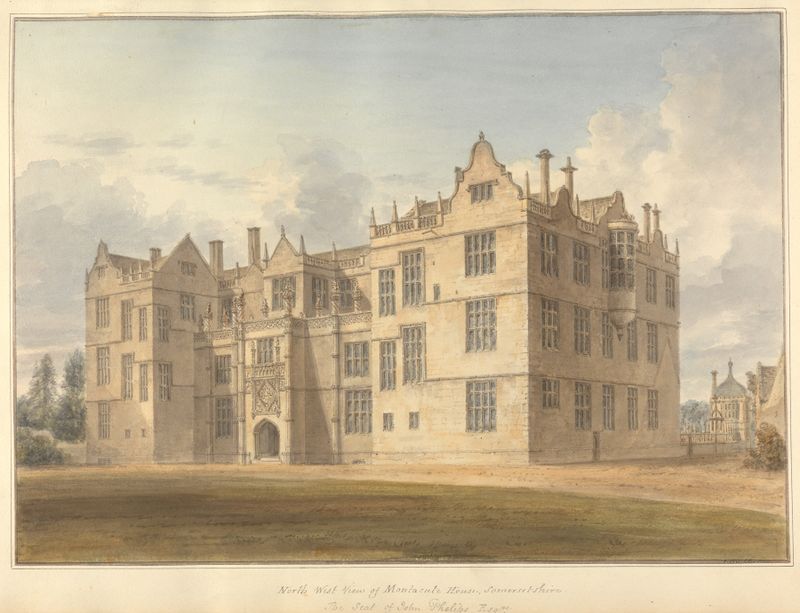
North West View of Montacute House, Somersetshire, The Seat of John Phelips Esqr.
John Buckler
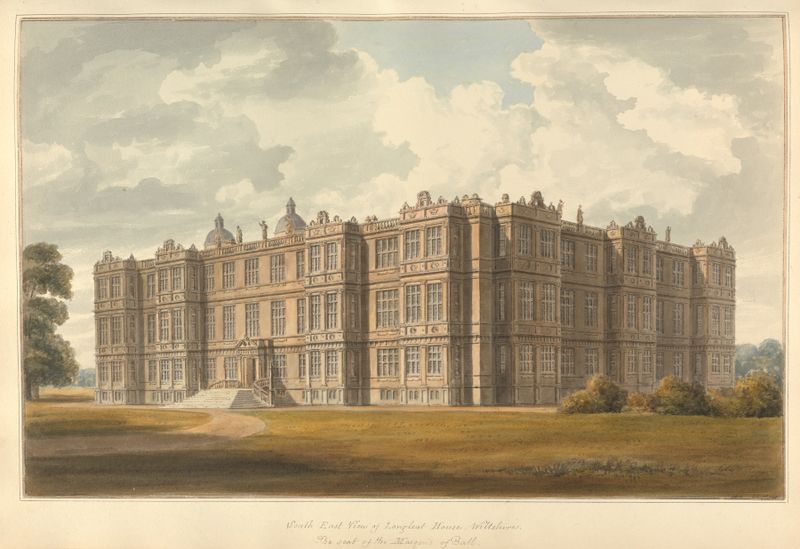
South East View of Longleat House, Wiltshire, the Seat of the Marquis of Bath
John Buckler
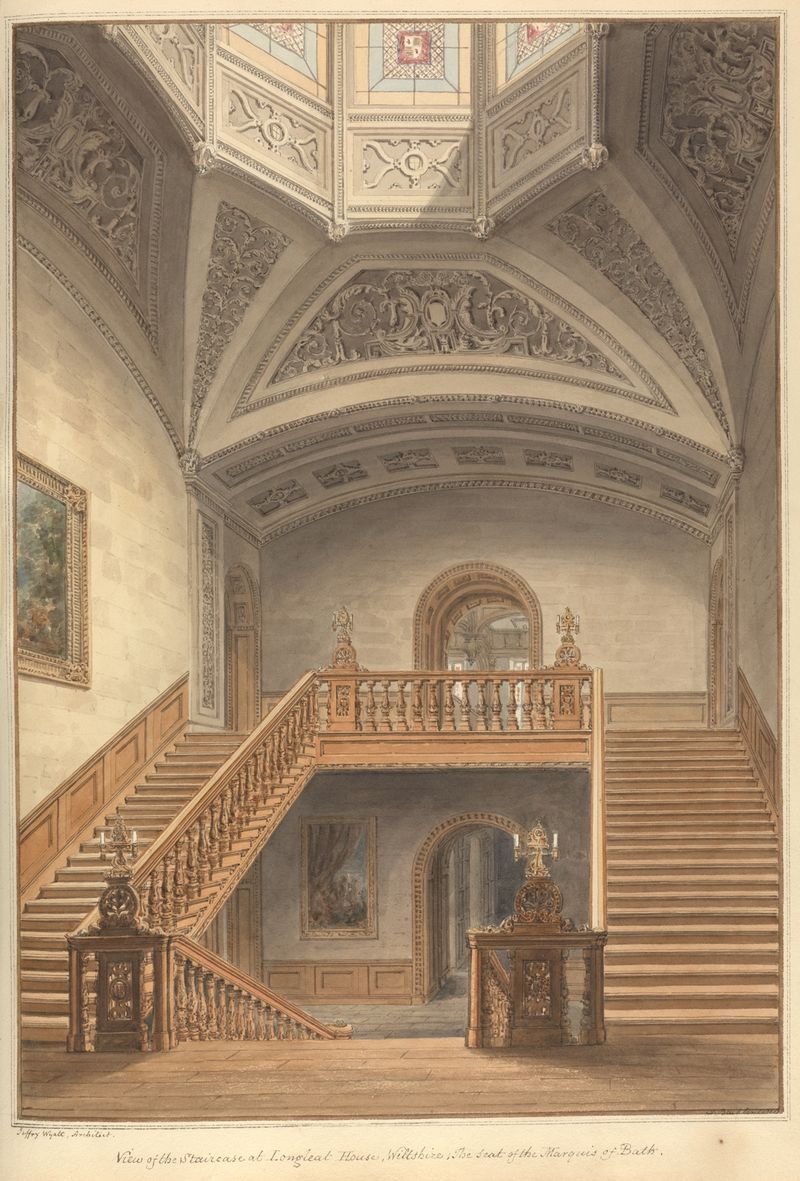
View of the Staircase at Longleat House, Wiltshire: the Seat of the Marquis of Bath
John Buckler
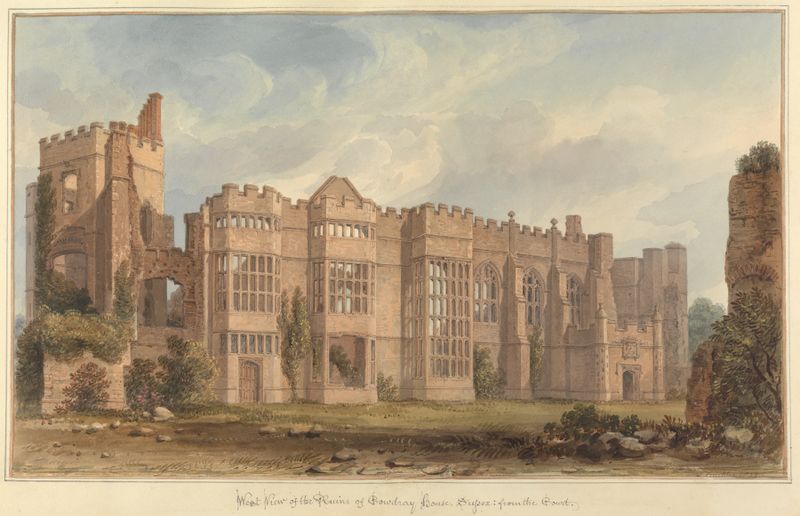
West View of the Ruins of Cowdray House, Sussex: from the Court
John Buckler
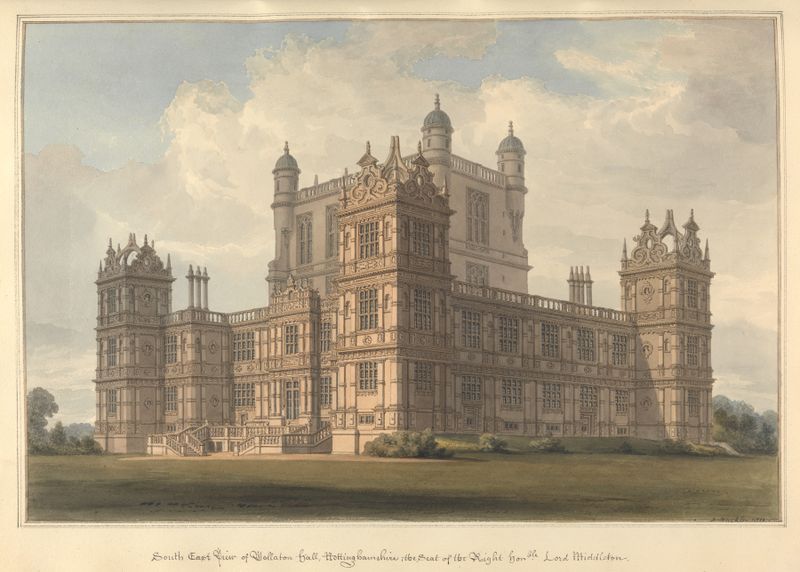
South East view of Wollaton hall, Nottinghamshire, the Seat of the Right honble. Lord Middleton
John Buckler
Mais arte de Arquitetura
Ver tudo →
The statue of Liberty
Frédéric Auguste Bartholdi

View of Houses in Delft, Known as ‘The Little Street’
Johannes Vermeer

View of Houses in Delft, Known as ‘The Little Street’
Johannes Vermeer

The Cathedral in Rouen. The portal, Grey Weather
Claude Monet

The yellow house
Vincent van Gogh

The Church in Auvers-sur-Oise, View from the Chevet
Vincent van Gogh