
Ebb Tide, Putney Bridge — História e Análise
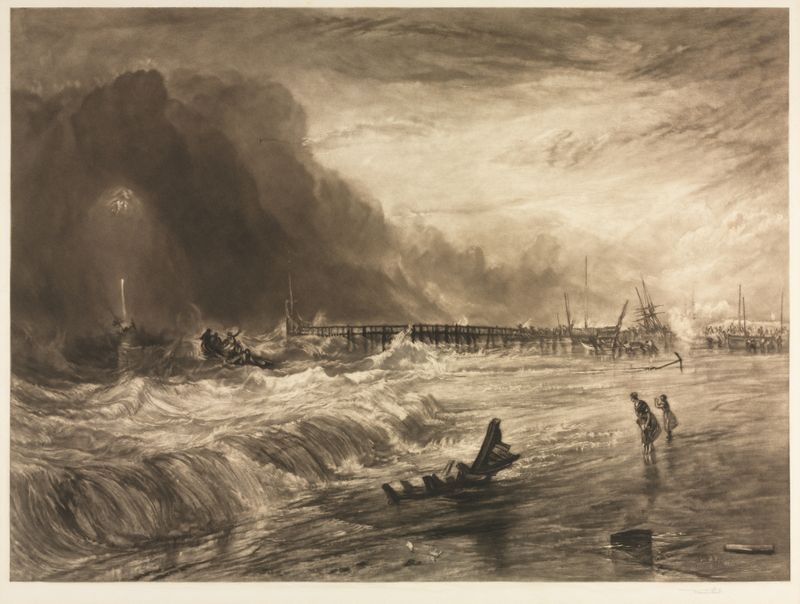
In the quiet moments of transition, nature speaks in whispers of change, echoing the revolutions within our own hearts. Look to the right at the serene flow of the Thames, its water reflecting the soft hues of dusk. The light dances across the surface, creating a luminous path that draws the eye toward the far bank, where the silhouettes of trees stand sentinel. The careful layering of colors—muted greens, rich blues, and the soft golds of the setting sun—encapsulate an ethereal tranquility that softens the bustle of life around it.
Each brushstroke demonstrates a mastery of engraving movement into stillness, inviting the viewer to lose themselves in the quiet ebb and flow of the scene. As you explore the canvas, notice how the interplay of shadows and light subtly reveals the tension between nature and the encroaching urbanity of the bridge. The figures in the foreground appear diminutive against the vastness of the sky and water, suggesting the insignificance of human endeavors amidst the timelessness of nature. The bridge itself, a symbol of connection and progress, stands testament to an era on the cusp of industrial revolution, a juxtaposition of natural beauty and man-made structures that invites contemplation on the passage of time. Painted in 1885, Ebb Tide, Putney Bridge emerged from the brush of Sir Frank Short during a period when Impressionism was gaining traction in the art world.
Living in England and influenced by his contemporaries, he sought to capture the fleeting effects of light and atmosphere, reflecting both the natural world and the changing dynamics of society. In his work, Short skillfully weaves the ripples of history into the fabric of the riverscape.
Mais obras de Sir Frank Short
Ver tudo →
Morning Haze in Chichester Harbor
Sir Frank Short
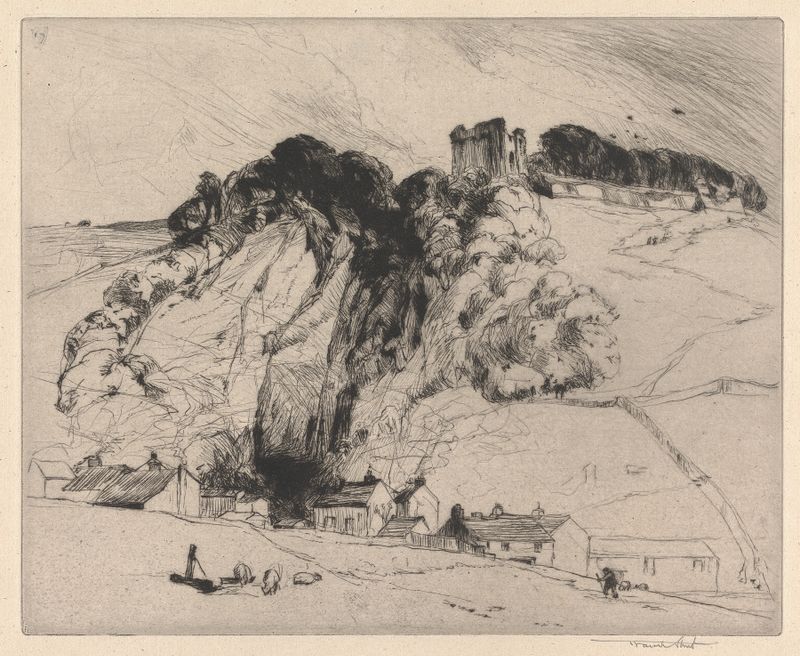
Peveril’s Castle, Derbyshire
Sir Frank Short
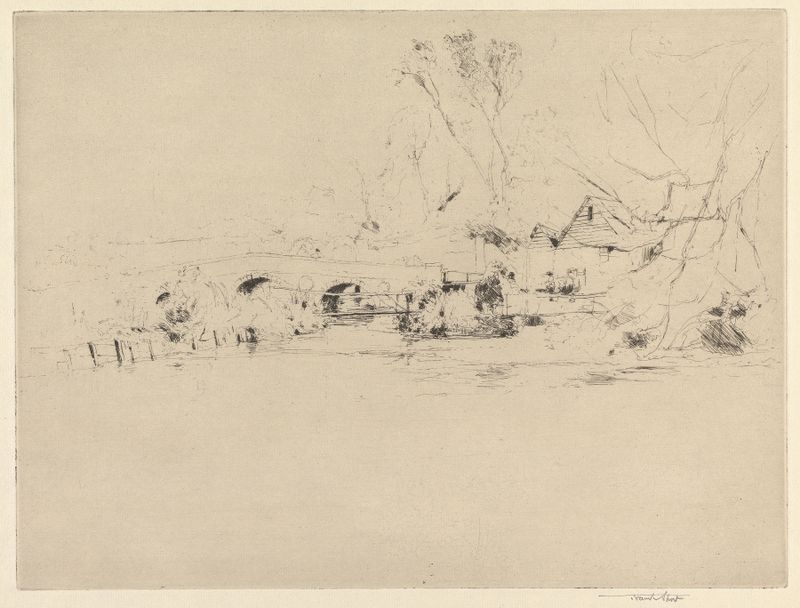
Old Mill on the Wandle, at Mitcham
Sir Frank Short

Moonlight on the Medway at Chatham
Sir Frank Short

Parkgate
Sir Frank Short
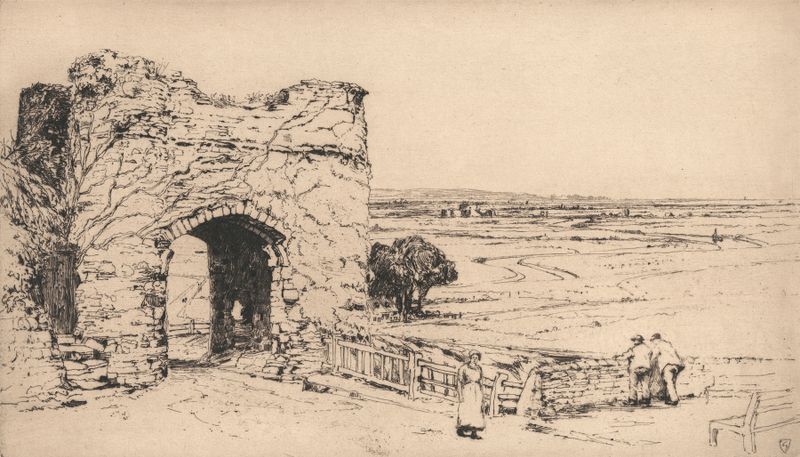
The Strand Gate, Winchelsea
Sir Frank Short

Bridgenorth
Sir Frank Short
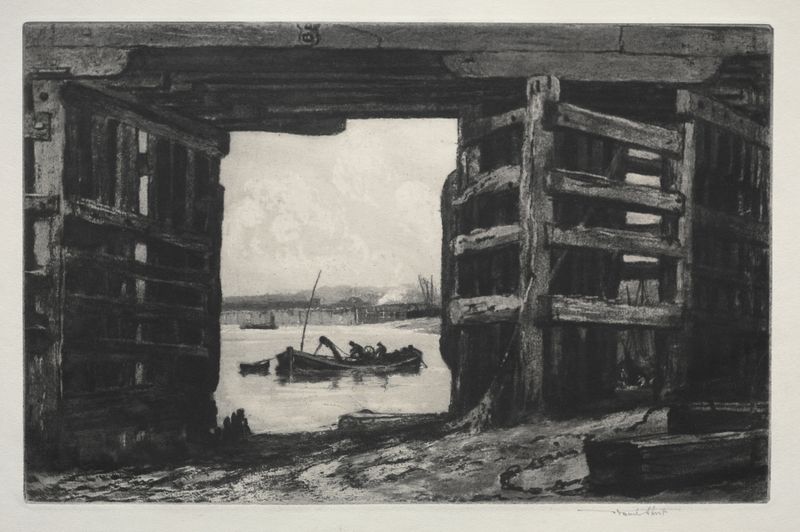
A Span of Old Battersea Bridge
Sir Frank Short

The Rope Walk, Spittal Bridge Whitby
Sir Frank Short
Vessel in Distress of Yarmouth
Sir Frank Short





