
Escalier du 28 rue de Bièvre, quartier Saint-Victor, 5ème arrondissement — História e Análise
In the quiet embrace of a Parisian alley, an unassuming staircase draws us into an innocent world, where each step leads deeper into the heart of a story untold. This painting invites viewers to step into a moment suspended in time, as if the air itself holds its breath in anticipation. Look to the left, where the delicate interplay of light and shadow caresses the weathered stone steps. Notice how the warm glow from the sun illuminates each surface, casting elongated shadows that dance upon the walls like whispers of those who tread here.
The muted palette of earthy hues evokes a sense of nostalgia, while the sharp angles of the staircase create a feeling of dynamic movement, pulling the eye upward and inviting exploration. At first glance, the simplicity of the scene belies the complex emotions woven into its fabric. The staircase, a symbol of ascension, hints at aspirations and the journey of life, yet it remains grounded in the tangible, mundane reality of urban existence. Each step, unadorned and intimate, conjures reflections of innocence lost and the beauty of the everyday, echoing the lives that have traversed this path.
The painting speaks to the tension between the aspiration for something greater and the acceptance of ordinary moments. During the late 19th century, when this artwork was created, Chauvet was immersed in the vibrant artistic movements of Paris, influenced by the burgeoning Impressionist scene that celebrated the beauty of light and everyday life. He sought to capture the essence of urban landscapes, focusing on the interplay of architecture and the human experience. This period was marked by a transformation in art as it moved away from rigid forms, allowing for the exploration of emotion and impression, shaping the legacy of modern painting.
Mais obras de Jules-Adolphe Chauvet
Ver tudo →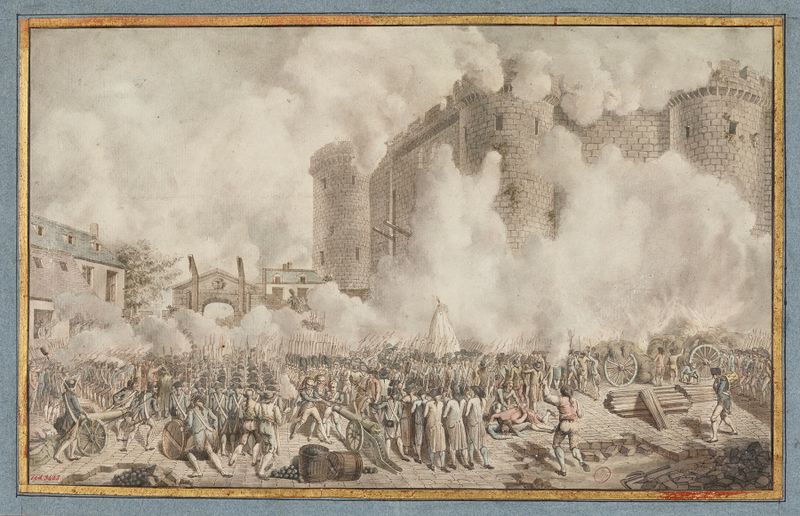
La prise de la Bastille, 14 juillet 1789
Jules-Adolphe Chauvet
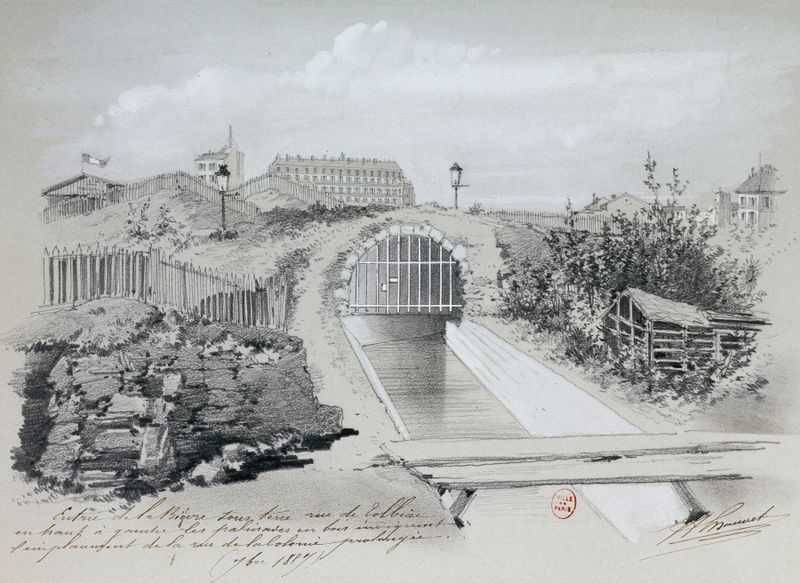
L’entrée de la Bièvre dans Paris rue de Tolbiac, 13ème arrondissement
Jules-Adolphe Chauvet
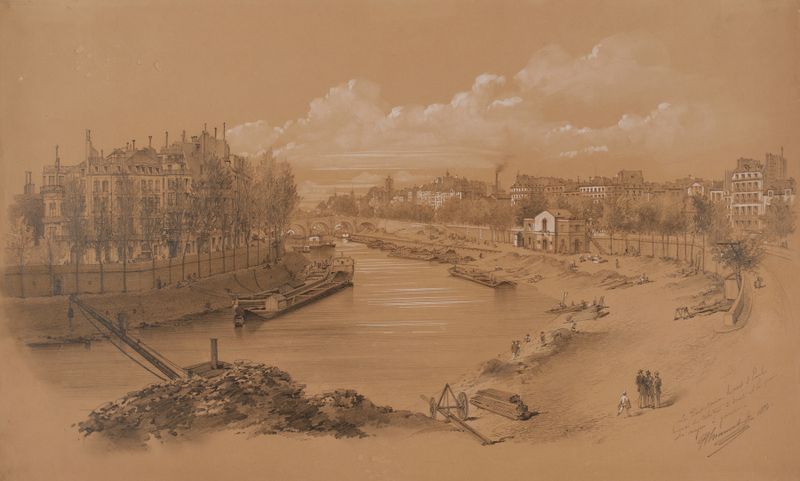
Le port Saint-Paul (absorbé par le port des Célestins en 1905), le Pont-Marie, le quai des Célestins à droite et le quai
Jules-Adolphe Chauvet
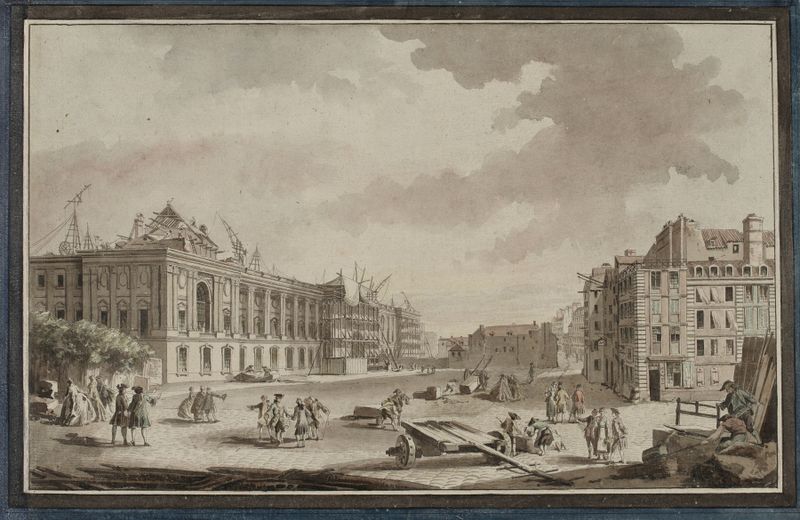
Dégagement de la colonnade du Louvre vers 1770.
Jules-Adolphe Chauvet
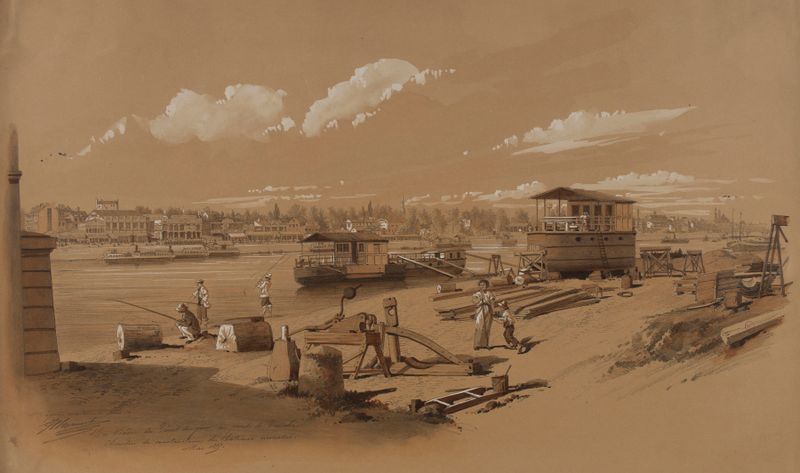
Du Viaduc du Point du jour au pont de Grenelle, chantier de construction des bateaux mouches
Jules-Adolphe Chauvet
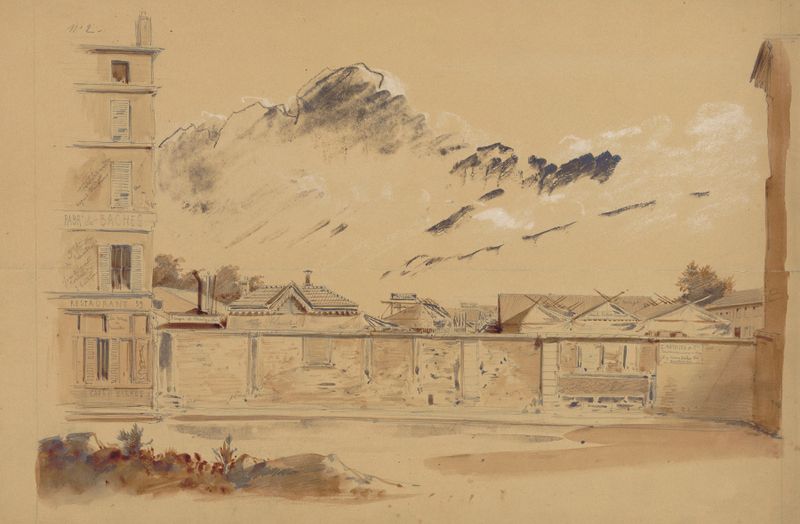
Vieux Bercy, N° 2
Jules-Adolphe Chauvet
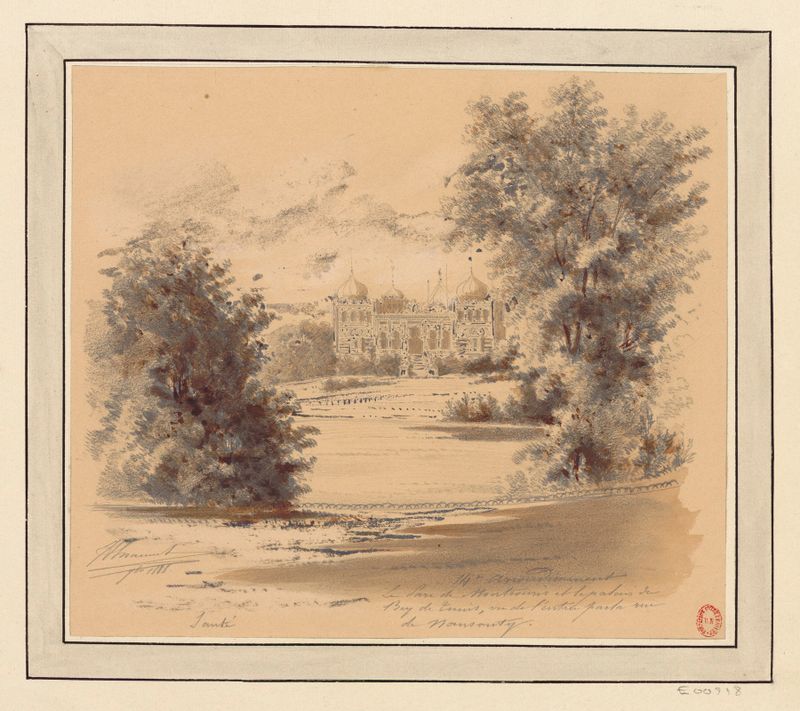
Le Parc de Montsouris et le palais du bey de Tunis, vu de l’entrée par la rue Nansouty
Jules-Adolphe Chauvet
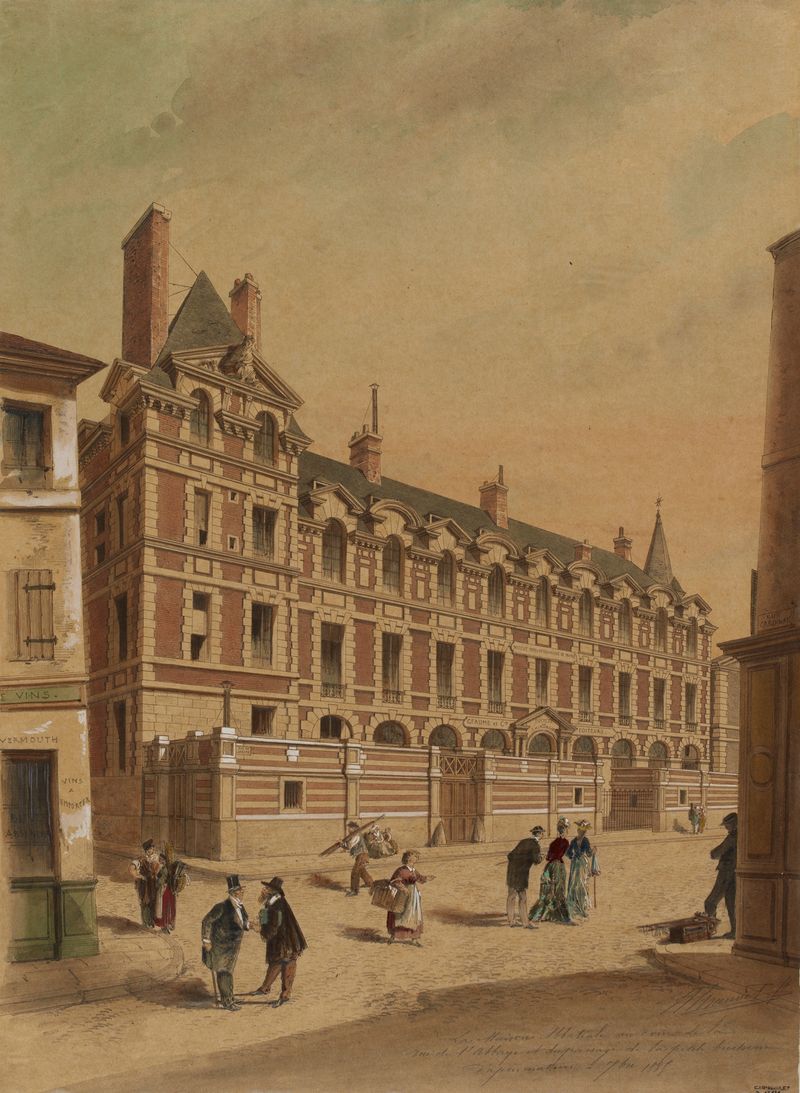
Maison Abbatiale à l’angle de la rue de l’Abbaye, de la rue Cardinale et du passage de la Petite-Boucherie, 6ème arrondi
Jules-Adolphe Chauvet
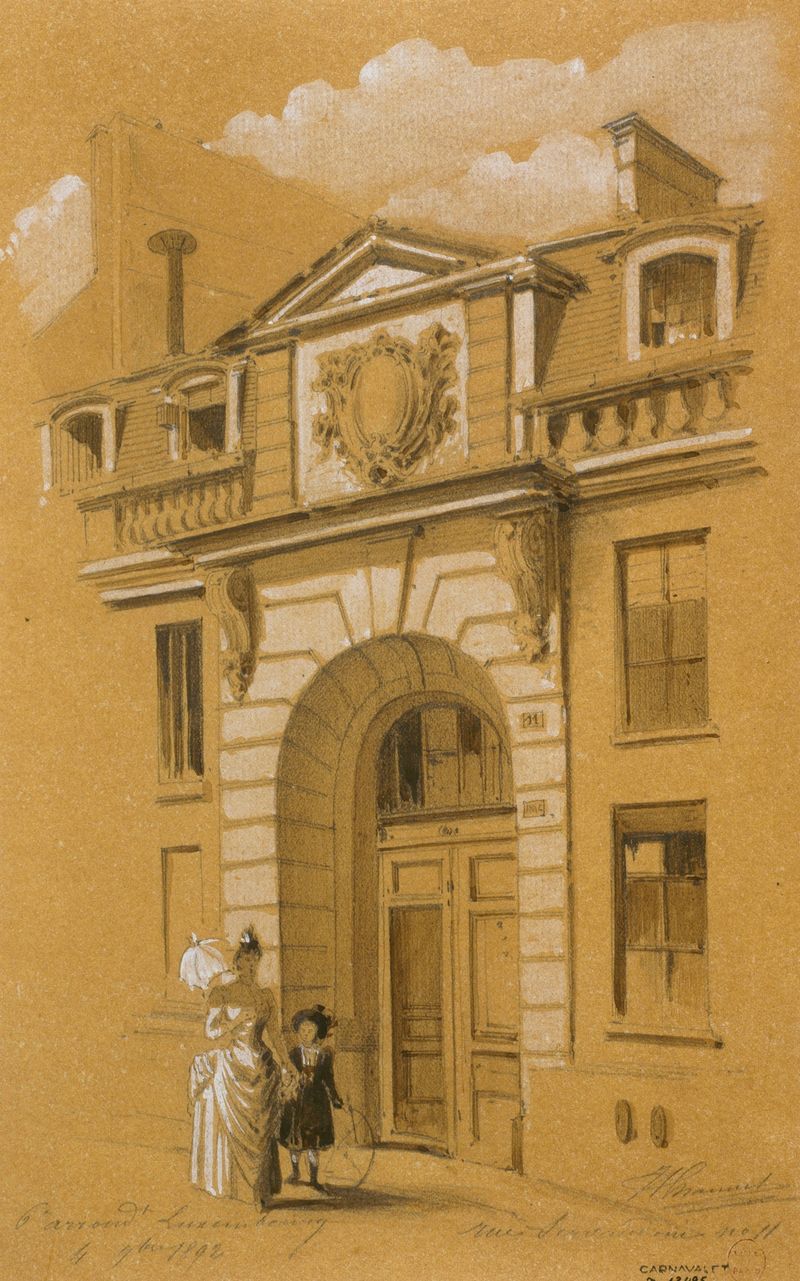
Porte d’entrée du 11 rue Servandoni, 6ème arrondissement
Jules-Adolphe Chauvet
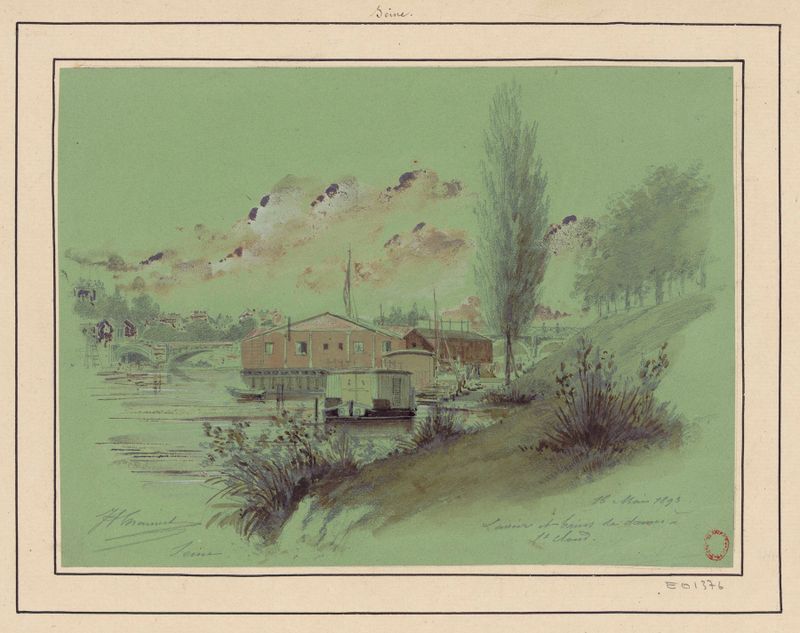
Lavoir et bains de dames à St Cloud – (Département de la) Seine
Jules-Adolphe Chauvet
Mais arte de Arquitetura
Ver tudo →
The statue of Liberty
Frédéric Auguste Bartholdi

View of Houses in Delft, Known as ‘The Little Street’
Johannes Vermeer

View of Houses in Delft, Known as ‘The Little Street’
Johannes Vermeer

The Cathedral in Rouen. The portal, Grey Weather
Claude Monet

The yellow house
Vincent van Gogh

The Church in Auvers-sur-Oise, View from the Chevet
Vincent van Gogh