
Eton, Twilight — História e Análise
Who listens when art speaks of silence? In the delicate hues of twilight, a quiet betrayal lingers in the air, whispering untold stories of the past. Focus on the serene riverbank to your left, where soft, fading light caresses the water’s surface, creating a mirror of oranges and purples. The painter’s brushstrokes are gentle yet deliberate, capturing the tranquil atmosphere of Eton as day melts into night. Notice the interplay of light and shadow; the fading brilliance hints at a world on the cusp of transformation, a moment suspended in time.
The distant silhouette of the trees stands resolute against the twilight sky, grounding the ethereal quality of the scene with a sense of permanence. Beneath the surface, one can sense an emotional tension; the stillness of the landscape contrasts with the inevitable passage of time. The river flows, relentless and unyielding, suggesting that while the moment may appear peaceful, change is afoot. There’s a feeling of nostalgia, the kind that tugs at the heartstrings, as if the viewer is left pondering what was lost with the day.
Each brushstroke reveals layers of meaning, inviting contemplation of personal and collective histories, and the shadows cast by choices made long ago. In 1839, while residing in England, the artist captured this scene at a time when he was deeply immersed in the Romantic Movement that celebrated nature and emotion. As the country underwent industrial change, Eton, Twilight reflects not only the physical landscape but also the inner world of longing and reflection that defined the era.
Mais obras de Peter De Wint
Ver tudo →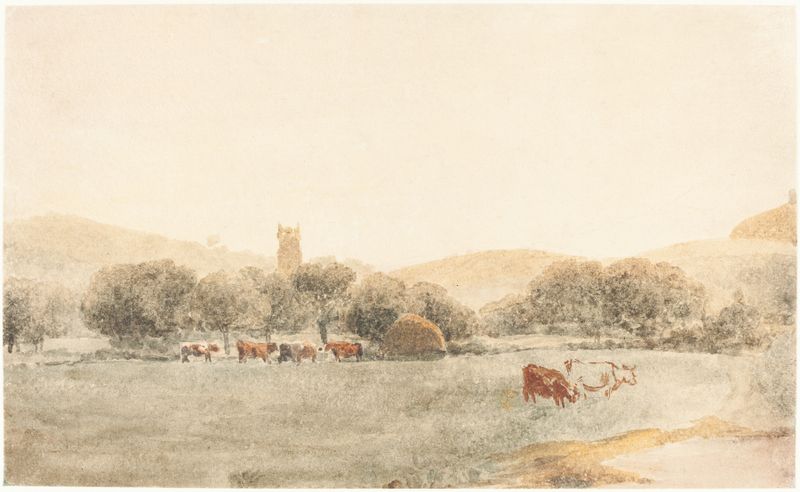
A Meadow with Cattle near Glastonbury
Peter De Wint
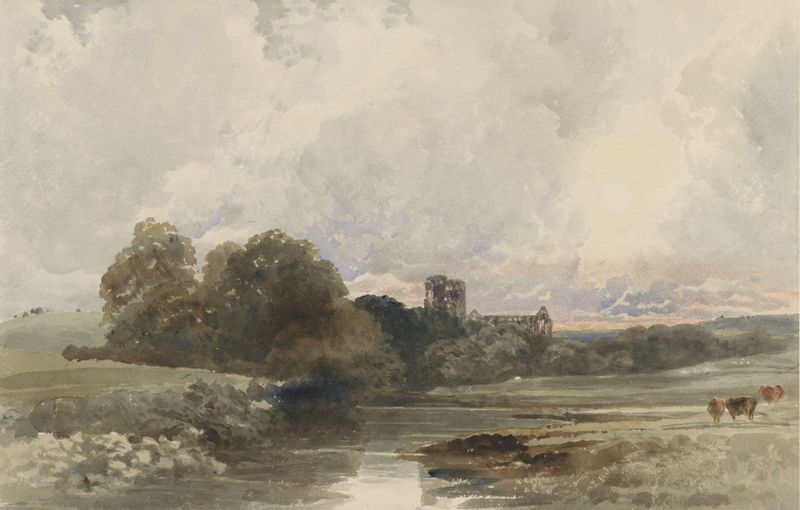
Avondlandschap met de ruïne van Kirkstall Abbey, Yorkshire
Peter De Wint
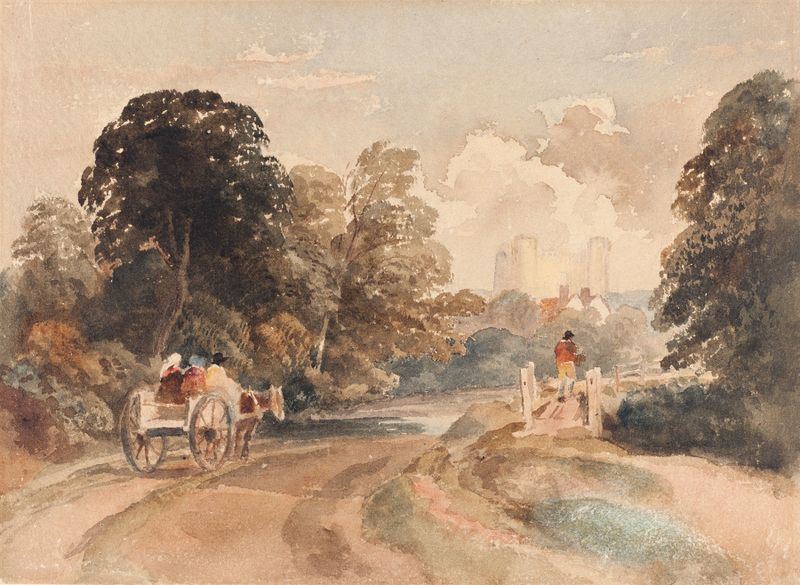
Landscape
Peter De Wint

Welsh Landscape with Cattle
Peter De Wint
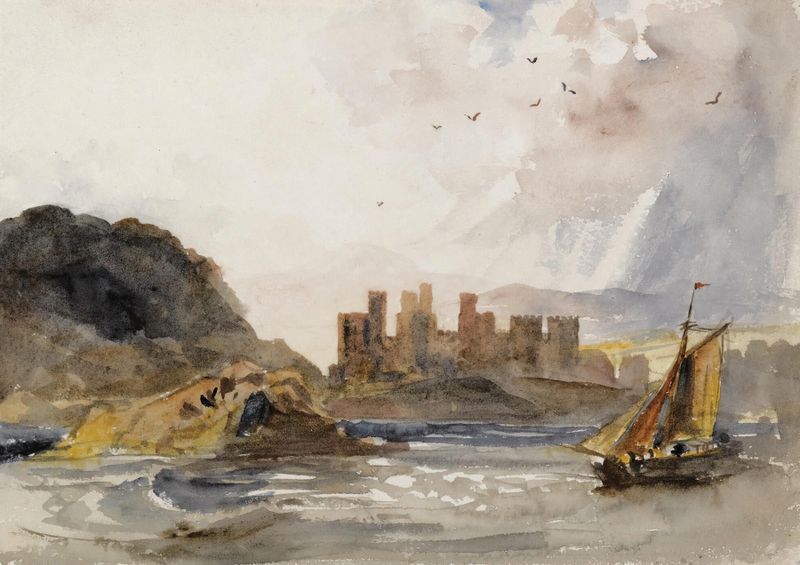
Conway Castle, North Wales
Peter De Wint

Evening on the Foss Dyke near Lincoln
Peter De Wint
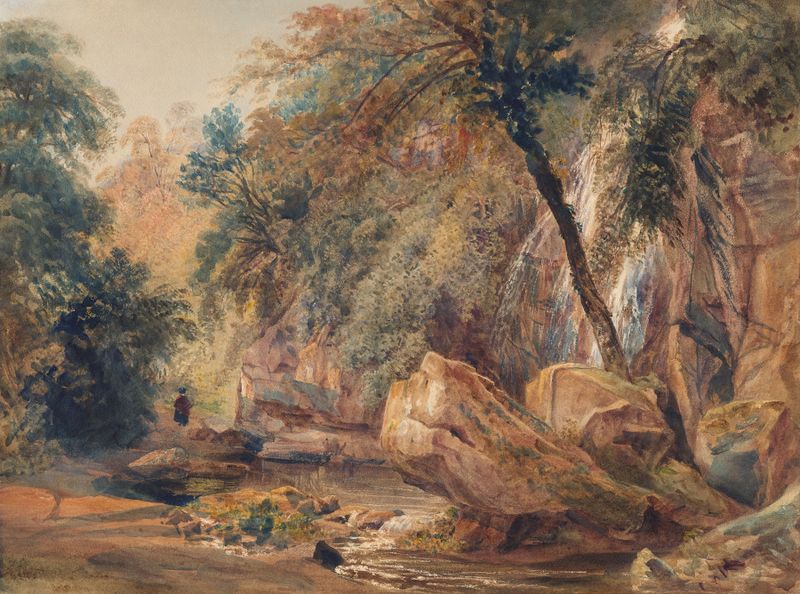
Waterfall in the Dingle at Badger Hall
Peter De Wint

Harvesting
Peter De Wint

Neath Abbey
Peter De Wint

Farmyard at Compton
Peter De Wint





