
Feldbrunnen — História e Análise
Can beauty exist without sorrow? In Feldbrunnen, the silence of a pastoral landscape evokes profound contemplation, beckoning viewers to ponder the echoes of emotion nestled within nature's tranquility. Look closely at the serene well in the foreground, where light dances over the water's surface, inviting you to pause and reflect. Take in the lush greenery surrounding it, a vibrant tapestry of greens, punctuated by soft earth tones. Notice how the composition leads your eye from the well up to the gentle hills in the background, an elegant progression that mirrors the flow of thoughts in quietude.
The interplay of light and shadow adds depth, grounding the scene while enhancing its ethereal quality. Yet the work carries whispers of something deeper. The well symbolizes not just sustenance, but a reservoir of hidden sorrows and untold stories. The stillness around it is both calming and haunting, suggesting a life once bustling with activity.
The juxtaposition of vibrant nature and the quiet absence of people invites a reflection on the loneliness that can accompany beauty—a reminder that calmness and chaos often coexist. Johann Ludwig Aberli created this piece during the late 18th century, a time when the Swiss landscape was gaining prominence in art. Living in a period marked by Enlightenment ideals and Romantic inclinations, Aberli sought to capture the sublime beauty of his homeland. As he painted, Switzerland was experiencing shifts in societal structure, infusing his landscapes with a dual spirit of hope and nostalgia, reflective of the changing world around him.
Mais obras de Johann Ludwig Aberli
Ver tudo →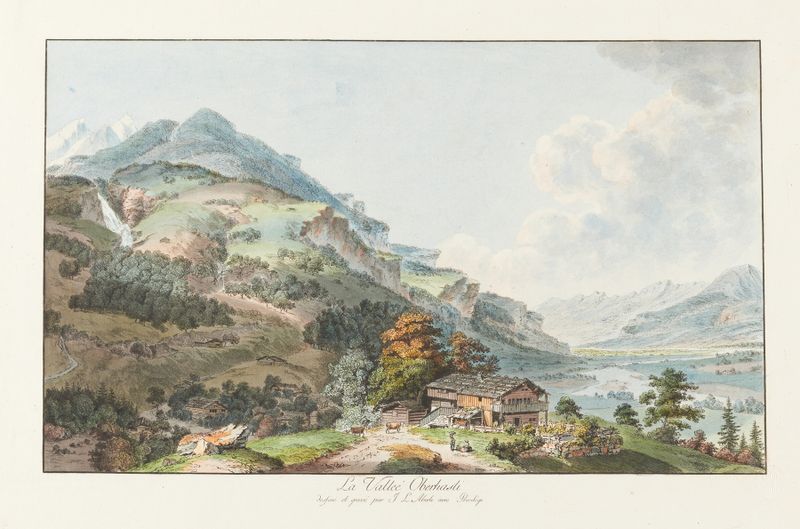
La Vallée Oberhasli
Johann Ludwig Aberli
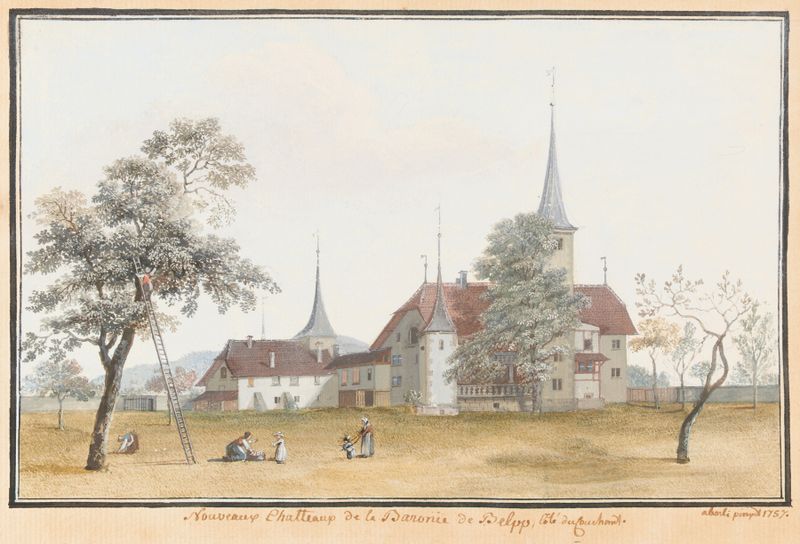
Nouveaux Chatteaux de la Baronie de Belpp; Côté du Couchant
Johann Ludwig Aberli
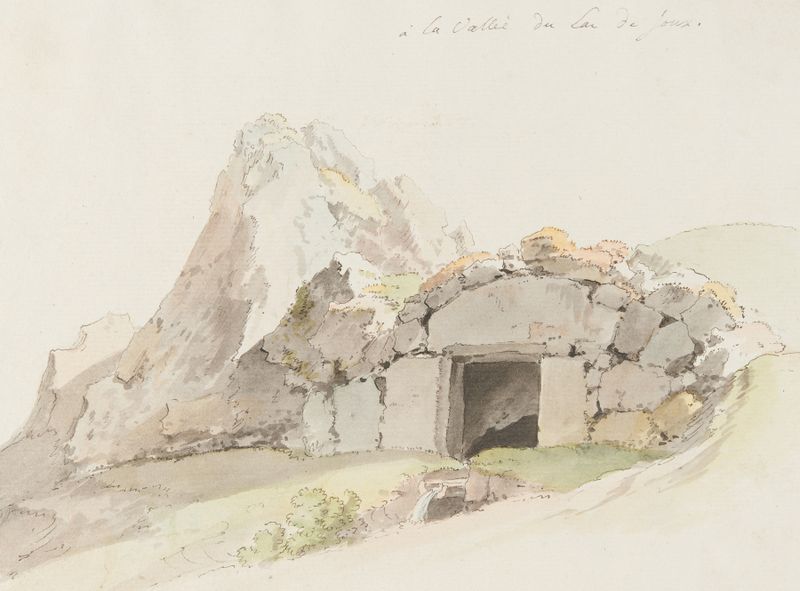
à la Vallèe du Lac de Joux
Johann Ludwig Aberli
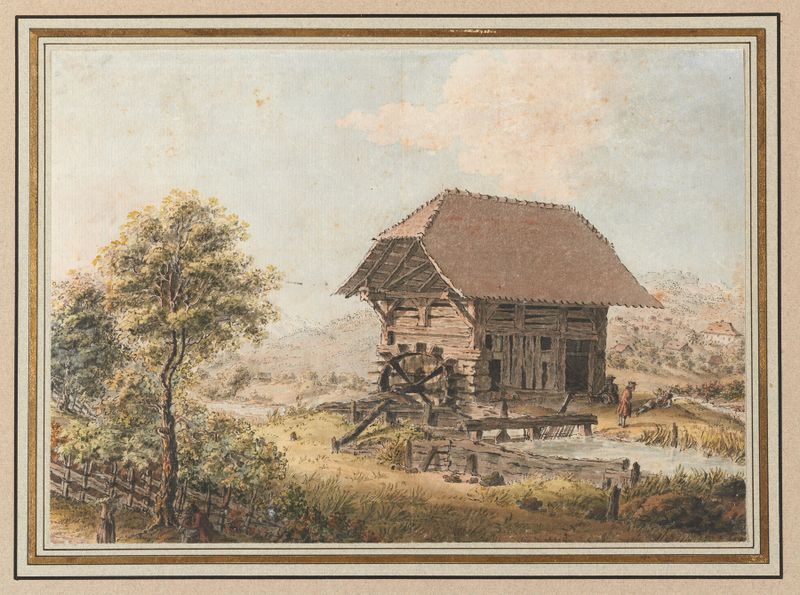
Ansicht einer Mühle im Berner Mittelland
Johann Ludwig Aberli
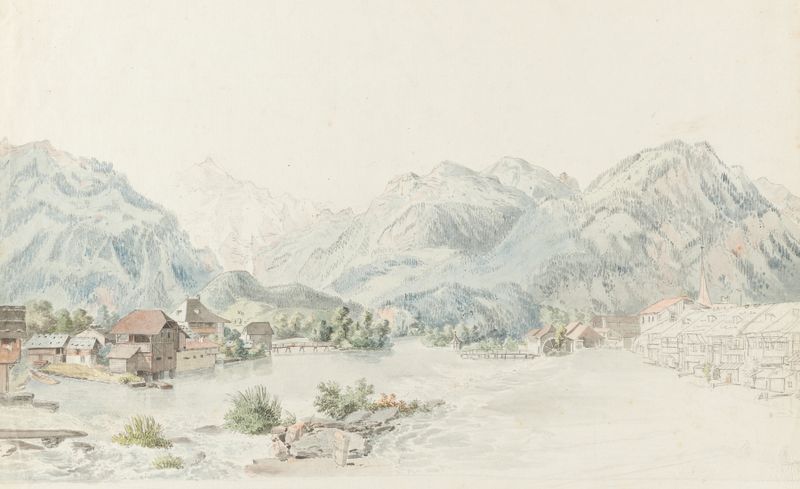
Ansicht von Unterseen
Johann Ludwig Aberli
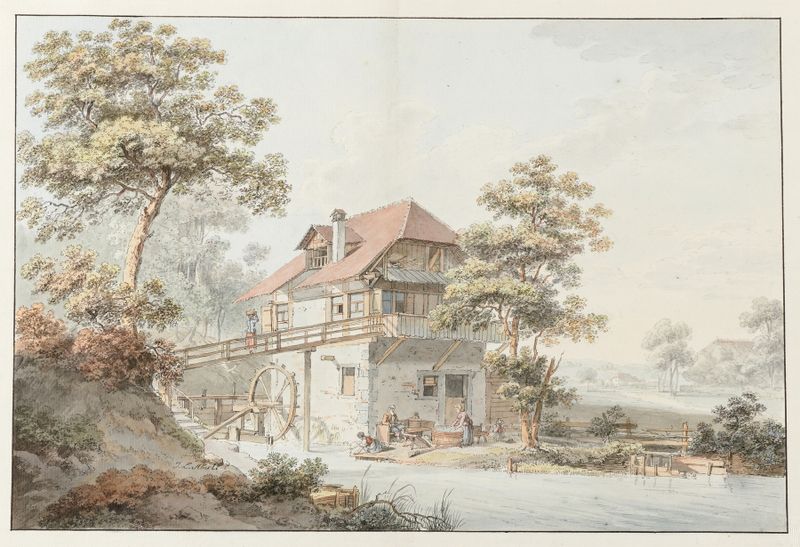
Ansicht einer Mühle im Berner Mittelland.
Johann Ludwig Aberli
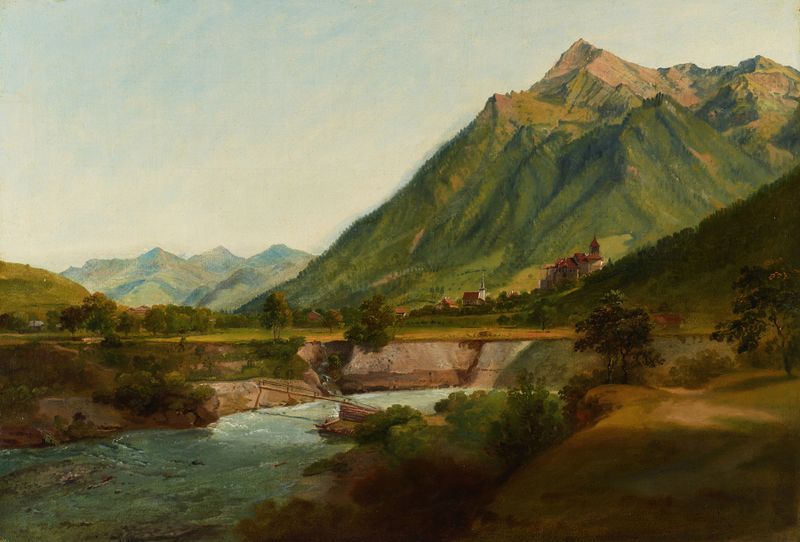
Vue du Château de Wimmis et des environs
Johann Ludwig Aberli
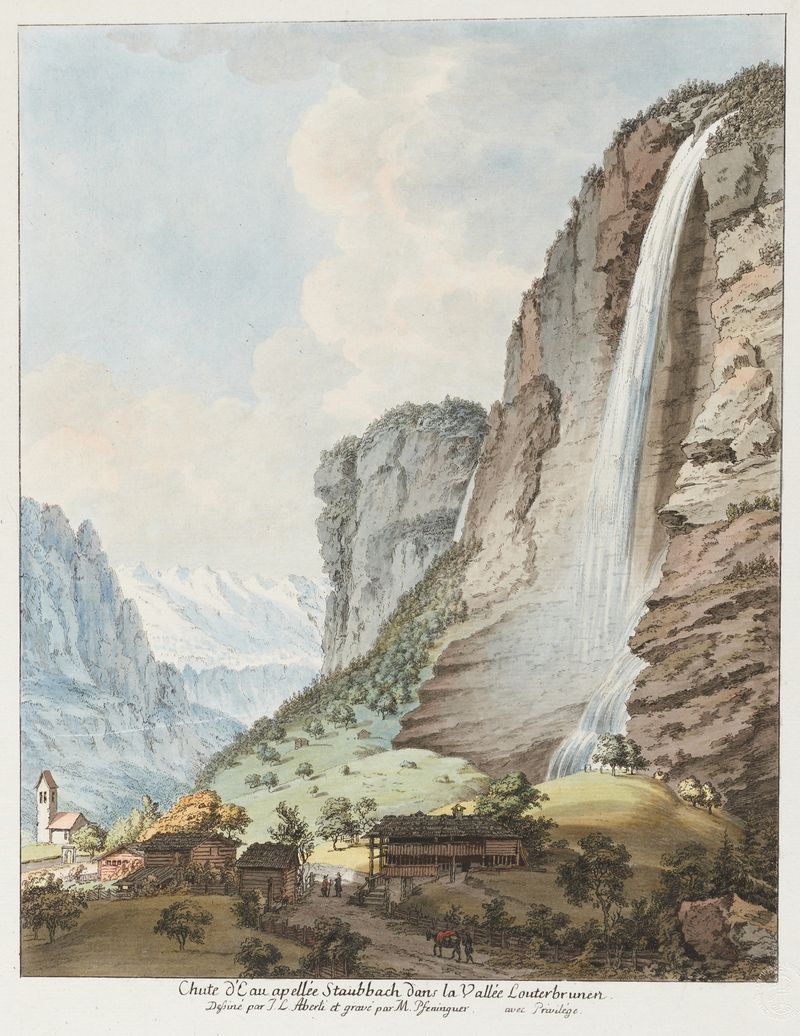
Chute d’Eau apellée Staubbach dans la Vallée Louterbrunnen
Johann Ludwig Aberli
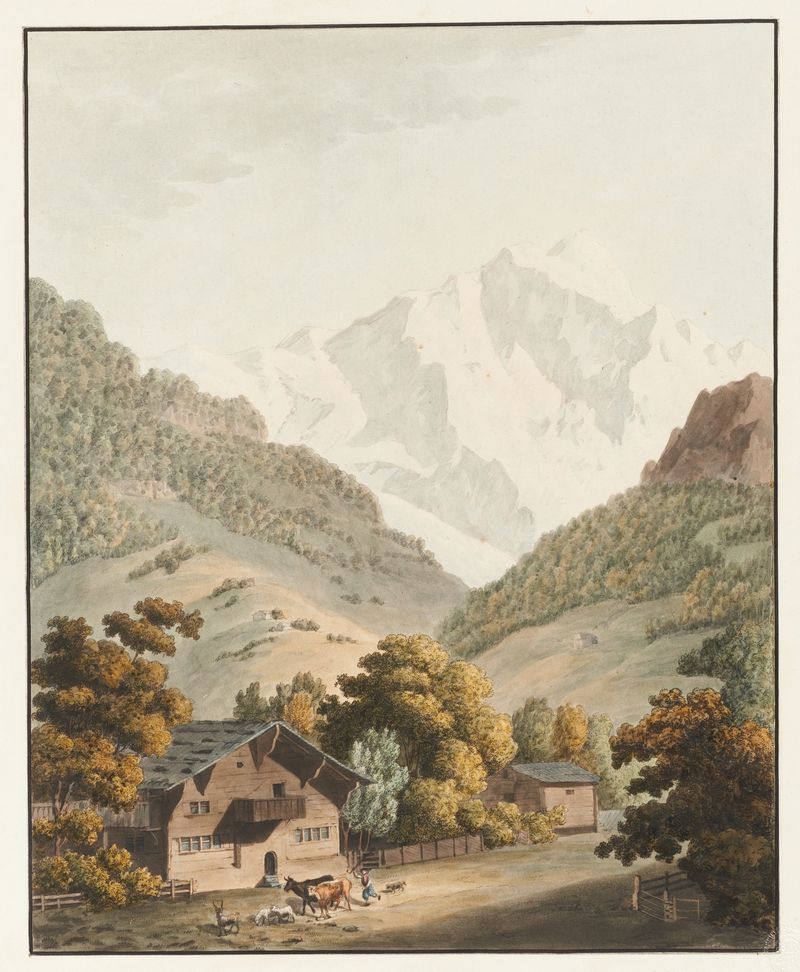
Vue du Jungfrau-Horn
Johann Ludwig Aberli
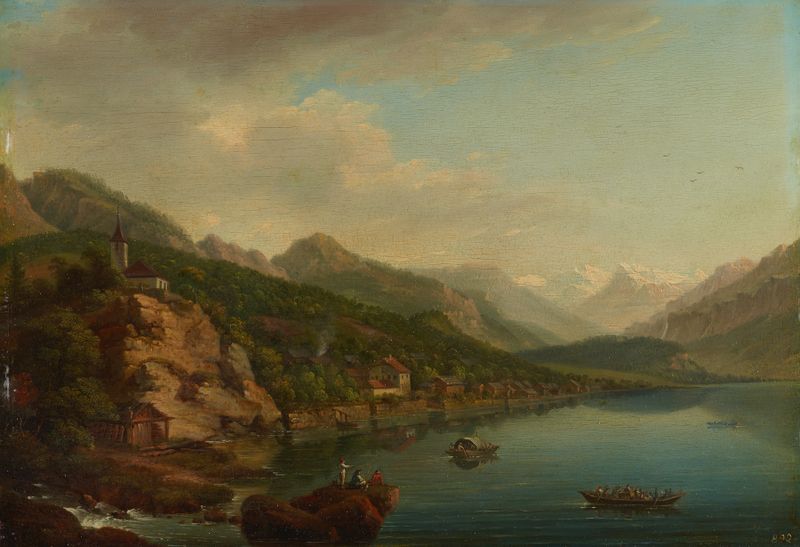
Vue du Village et du Lac de Brientz
Johann Ludwig Aberli





