Flower Beds in Holland — História e Análise
What secret hides in the quiet of the canvas? In the vibrant expanse of colors, a dream unfolds, whispering stories of life and beauty. Look to the lower right, where lively blooms burst forth in a riot of hues. Notice the brushstrokes—a symphony of thick, textured paint that embraces each petal and leaf, creating an almost sculptural quality. The palette vibrates with yellows, reds, and purples, intertwining in a harmonious dance.
Above, a serene sky stretches wide, painted in soft, swirling blues that evoke a sense of calm, inviting the viewer to linger. Yet beneath this idyllic surface lies a contrast that stirs the soul. The flowers, alive and radiant, seem eternally blooming, yet they are bound to the earth, destined to wither—a poignant reminder of the fragility of beauty. The juxtaposition of vibrant life against the inevitability of decay transforms this landscape into a meditation on transience.
Each flower holds a fleeting moment, beckoning us to cherish the present amidst the passage of time. In the early 1880s, as Van Gogh painted Flower Beds in Holland, he was grappling with the complexities of his art and mental health. Living in the Netherlands, he sought solace and inspiration in the natural beauty surrounding him. This period marked a significant evolution in his style, where he began to embrace color and emotion more boldly, laying the groundwork for his later masterpieces.
Mais obras de Vincent van Gogh
Ver tudo →
Starry Night
Vincent van Gogh
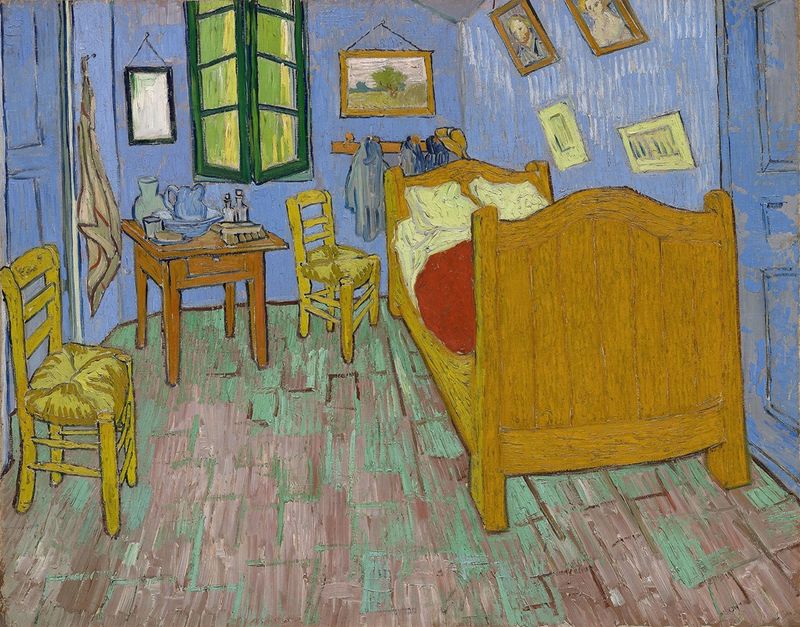
The Bedroom
Vincent van Gogh
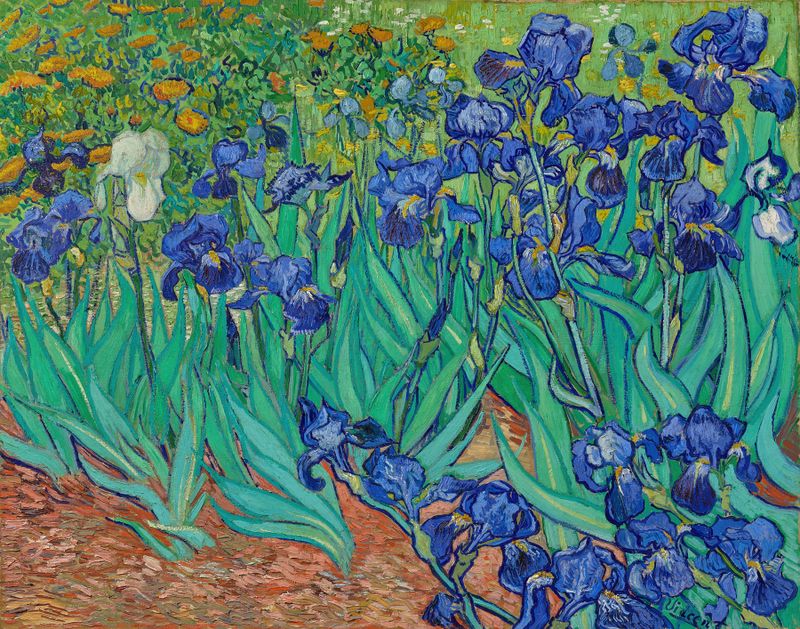
Irises
Vincent van Gogh
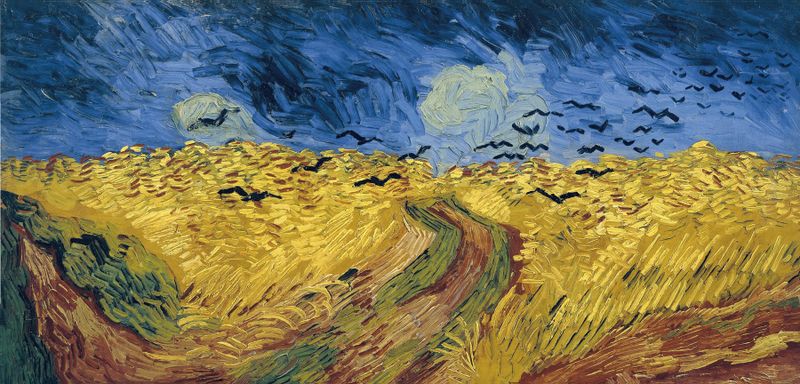
Wheatfield with Crows
Vincent van Gogh
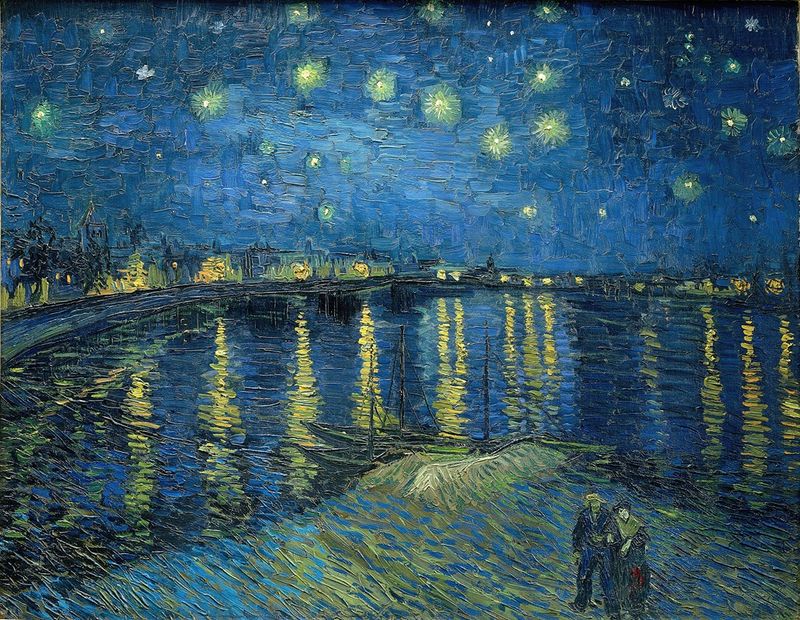
Starry Night over the Rhone
Vincent van Gogh

The yellow house
Vincent van Gogh
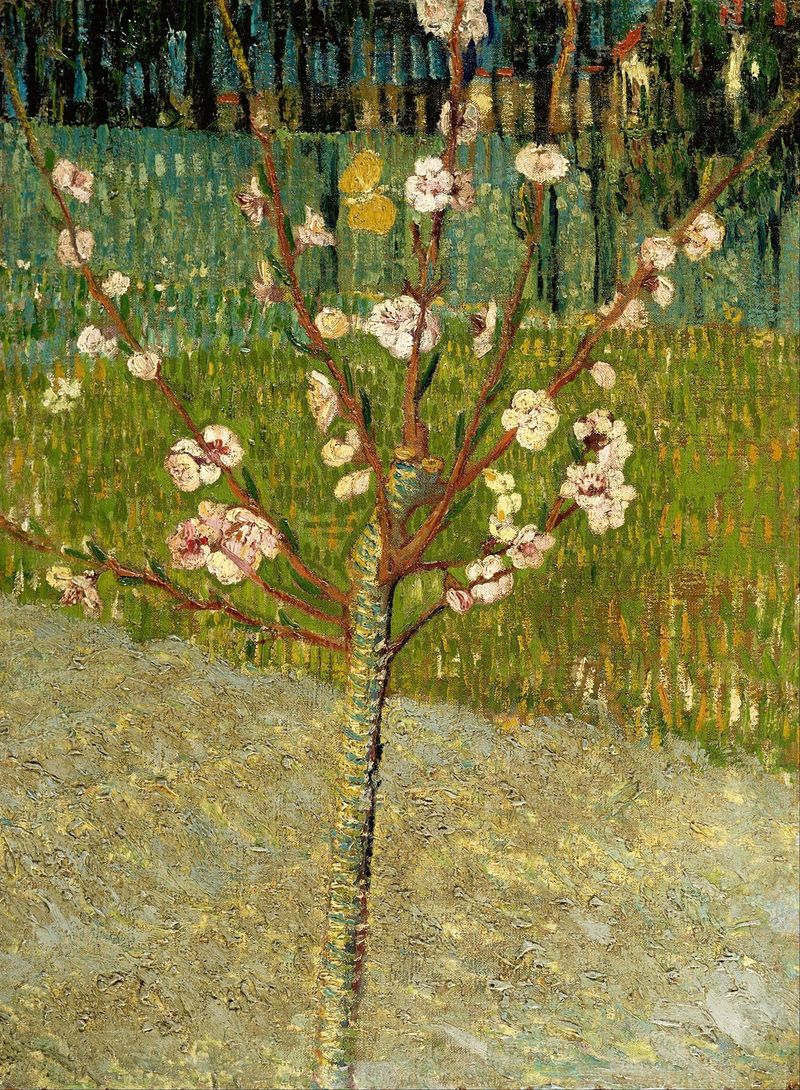
Almond tree in blossom
Vincent van Gogh

Portrait of Dr Gachet
Vincent van Gogh

The Church in Auvers-sur-Oise, View from the Chevet
Vincent van Gogh

Self-Portrait
Vincent van Gogh