Foggy Landscape in the Apennine — História e Análise
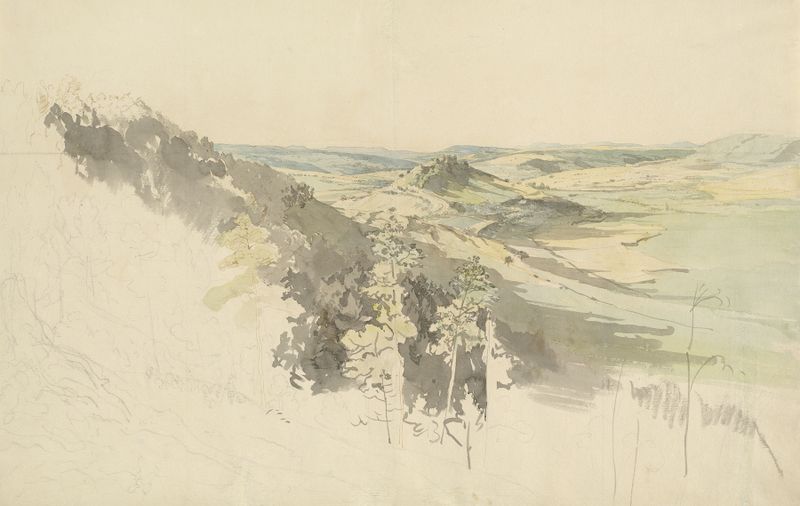
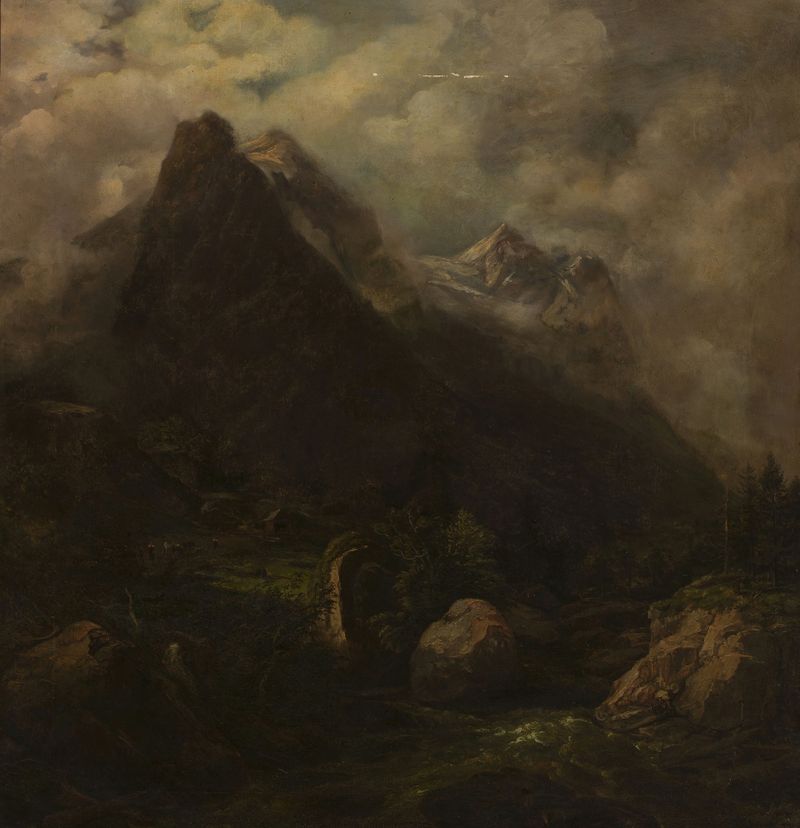
Did the painter know this moment would outlive them? A landscape shrouded in mist, invoking both mystery and melancholy, whispers the enduring essence of nature's fleeting beauty. Focus on the soft, muted palette that envelops the scene; an ethereal layer of fog unfurls across the rolling hills, inviting you to wander deeper into its embrace. Notice the subtle interplay of light and shadow, as gray tones blend seamlessly with hints of green and brown, creating a sense of depth and serenity. The distant outline of trees, rendered almost ghostly, stands as a testament to the unseen life that thrives in this quiet world. Beneath the surface of this tranquil setting lies a tension between presence and absence.
The enveloping fog can symbolize both obscurity and longing—a reminder of what is just out of reach. The solitary quality of the landscape evokes a yearning for connection, hinting at the artist's own introspective journey as he captured a moment that resonates with the human experience of solitude and reflection. Wagner painted this work during a time of considerable artistic evolution in the 19th century, where Romanticism flourished in Europe. Living in Germany and deeply influenced by the natural world, he sought to depict landscapes that transcended mere representation, marrying emotional depth with beauty.
The period was marked by a growing appreciation for nature as a subject, mirroring the societal shifts and the rise of individualism that characterized the era.