Fontarabia — História e Análise
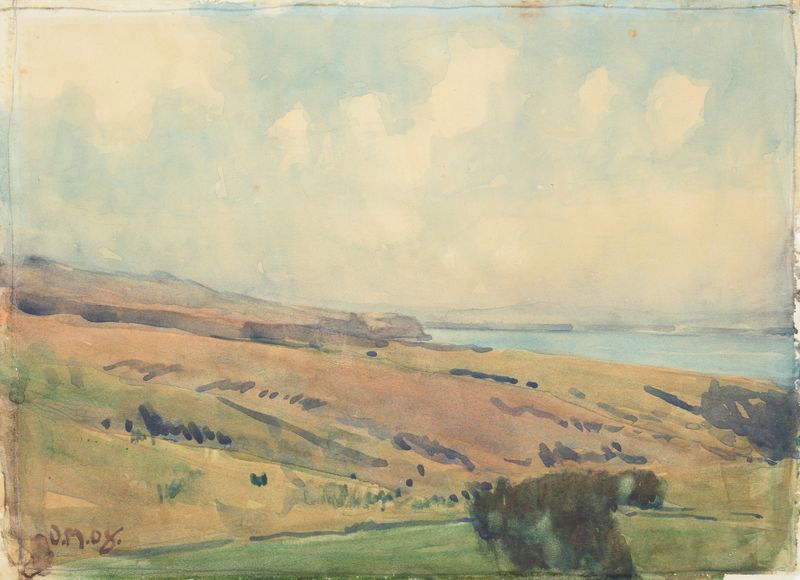
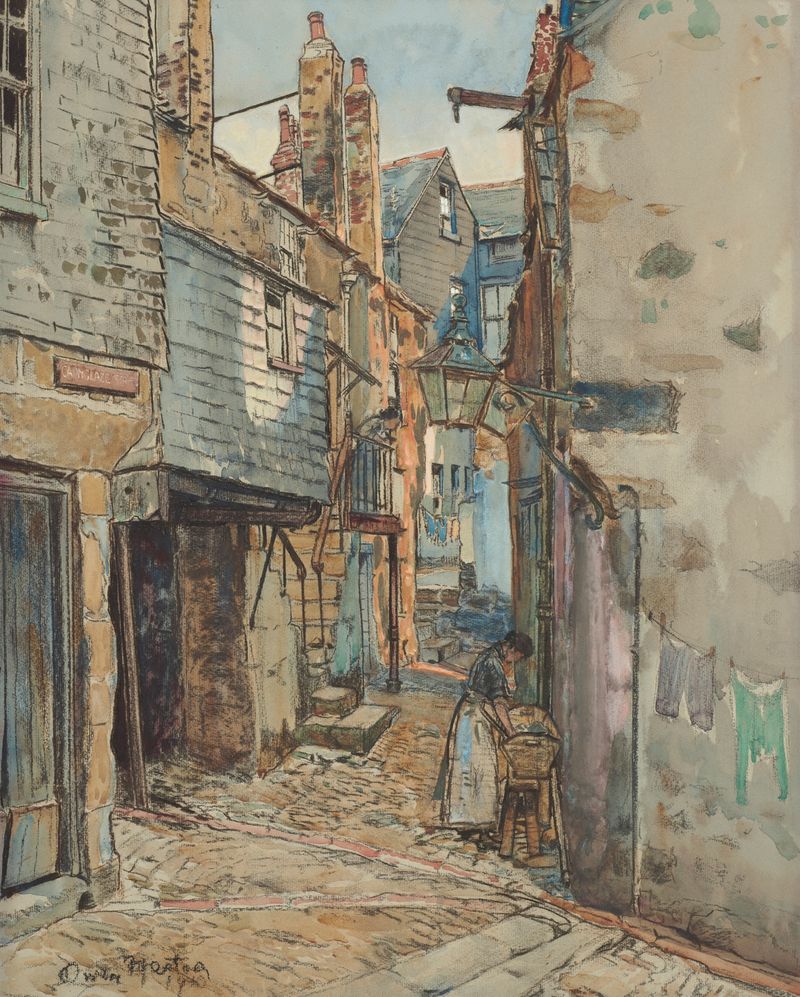
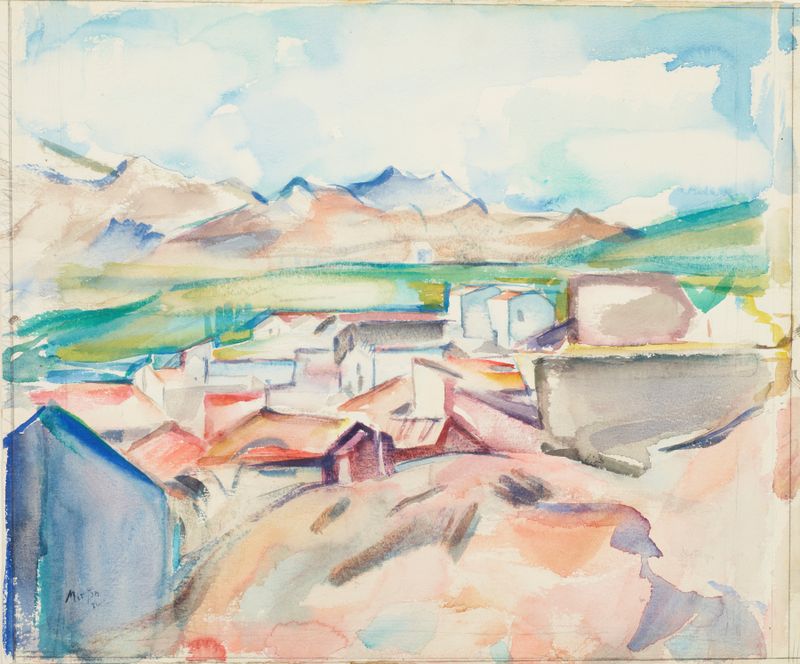
Is this a mirror — or a memory? The interplay of light and shadow in the canvas stirs something deep within, prompting the viewer to contemplate the essence of reflection and recollection. Focus on the soft, muted tones that envelop the scene; warm browns and gentle blues blend seamlessly, transporting us to a tranquil moment frozen in time. Notice how the light falls upon the distant hills, casting elongated shadows that stretch across the cobblestones of a quaint village. The artist’s brushwork invites you to trace the contours of the landscape, drawing your eye to the intricate details of the architecture, where the play of shadow hints at stories untold. In this work, a delicate tension emerges between reality and abstraction.
The shadows, almost sentient, suggest a presence just beyond our grasp, evoking feelings of nostalgia and longing. Merton captures the juxtaposition of permanence and transience — the solidity of the structures juxtaposed against the ephemeral nature of light, hinting at memories that linger long after the moment has passed. Each brushstroke feels like a whisper of history, inviting contemplation about the passage of time. Owen Merton painted Fontarabia in 1911 while living in Europe, a period marked by profound changes in the art world.
At the time, he was deeply influenced by the Impressionists, blending their techniques with his own sensibilities. The early 20th century was an era of experimentation, as artists sought new ways to express the complexities of perception and emotion, a quest that resonates through this evocative piece.