
Fort Wellington — História e Análise
What if beauty was never meant to be finished? In the haunting stillness of James Ensor's Fort Wellington, silence becomes a canvas of its own, inviting contemplation and introspection. Look to the foreground, where a solitary figure stands, gazing into the distance. The muted palette of ochres and greys envelops the scene, conjuring a sense of melancholy. The fort, a silent sentinel, looms in the background, its weathered stones bathed in soft light, creating a stark contrast to the figure’s vibrant attire.
Notice how the brushstrokes expertly blend realism with a dreamlike quality, inviting you to linger in this moment suspended in time. The emotional tension in this piece lies in the juxtaposition of solitude and the weight of history. The figure’s contemplative stance suggests longing, possibly reflecting on the fort's past, while the surrounding emptiness amplifies the feeling of abandonment. The delicate play of light and shadow dances across the canvas, symbolizing the duality of memory and the passage of time, as if the fort holds secrets waiting to be uncovered. In 1876, Ensor painted Fort Wellington during his early years in Belgium, a time when he sought to distance himself from traditional artistic norms.
The world of art was shifting, with movements like Impressionism emerging, and the artist was beginning to shape his unique voice. This work stands as a precursor to the vivid, symbolic universe that would later define his career, encapsulating the tension between reality and the unseen.
Mais obras de James Ensor
Ver tudo →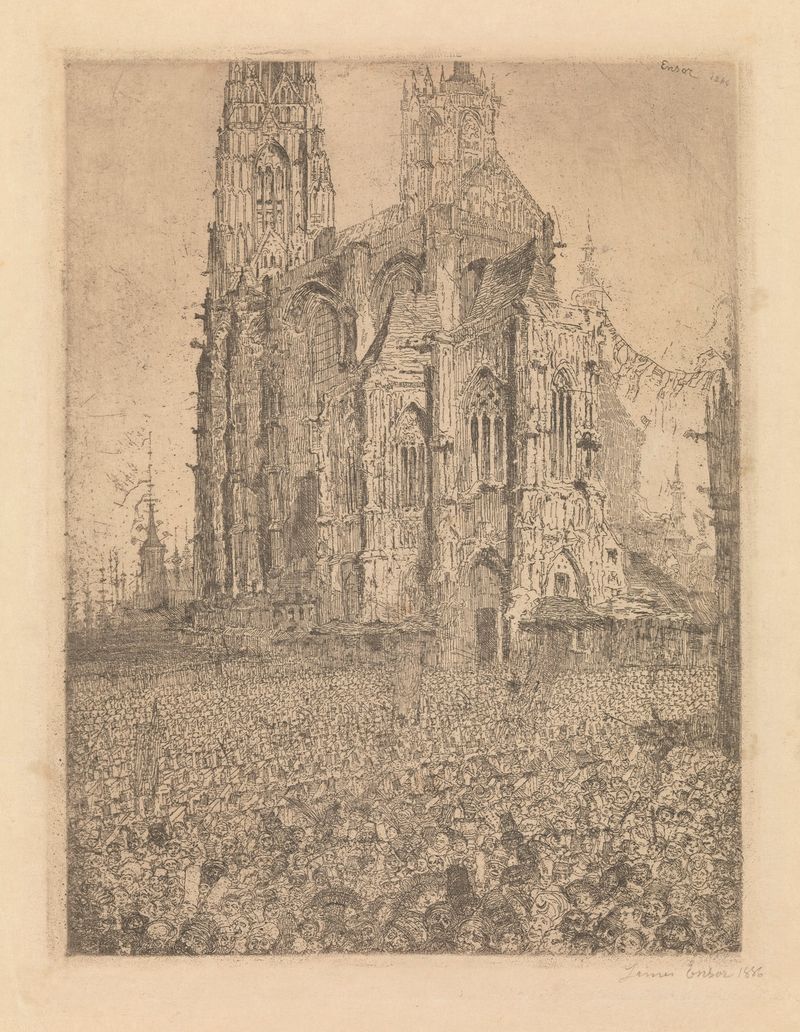
The Cathedral
James Ensor
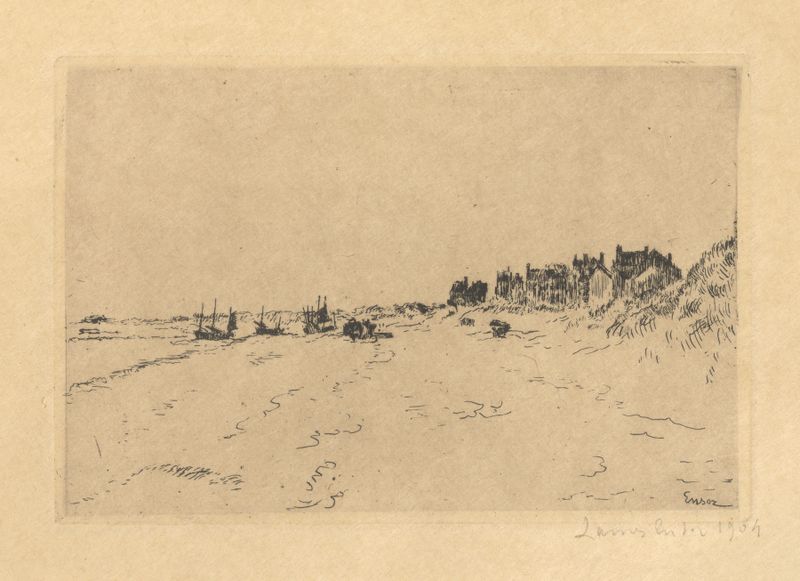
Het strand van De Panne
James Ensor
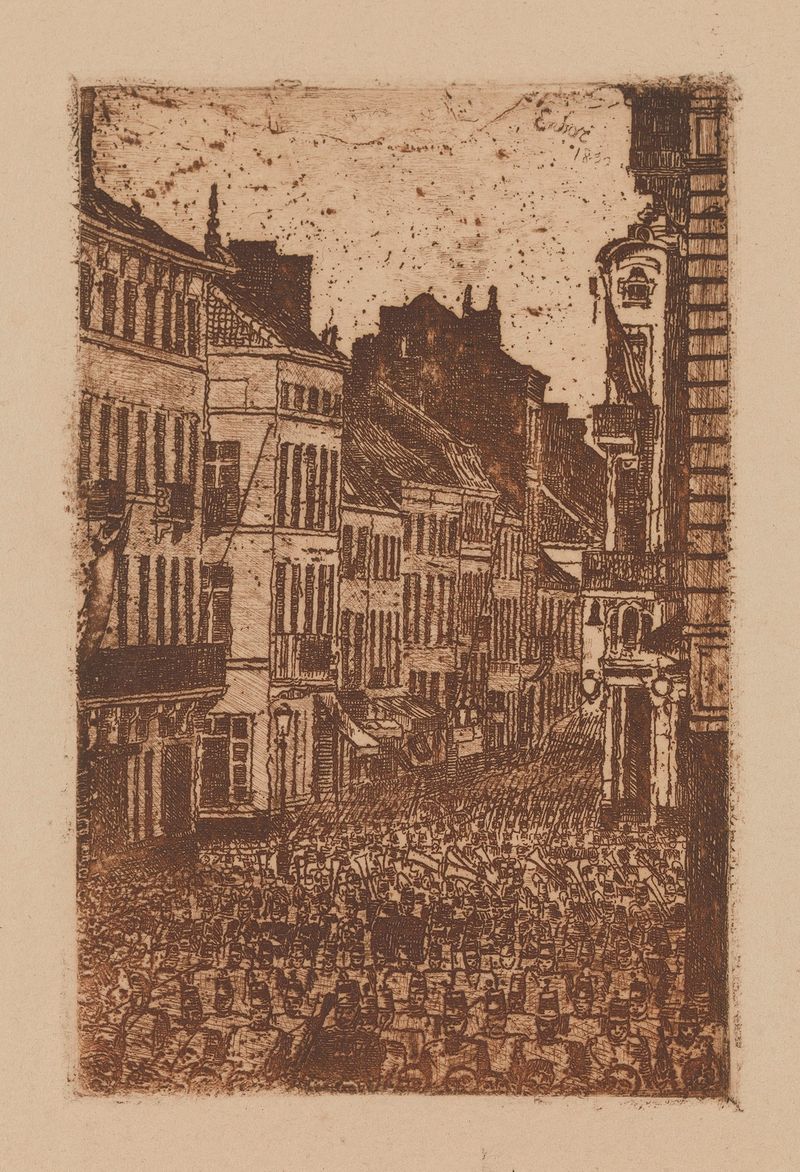
The Music in the rue de Flandre, Ostend
James Ensor
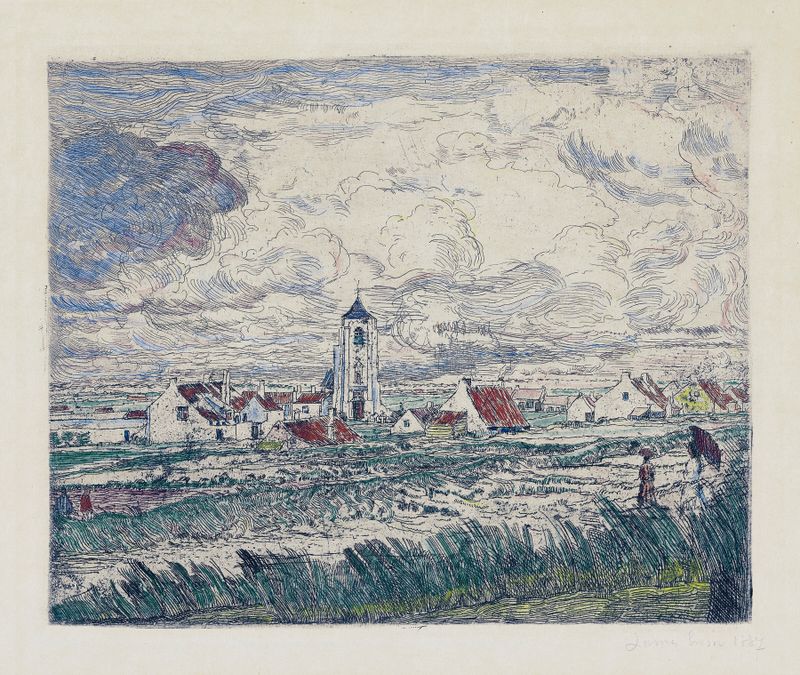
Grande vue de Mariakerke
James Ensor
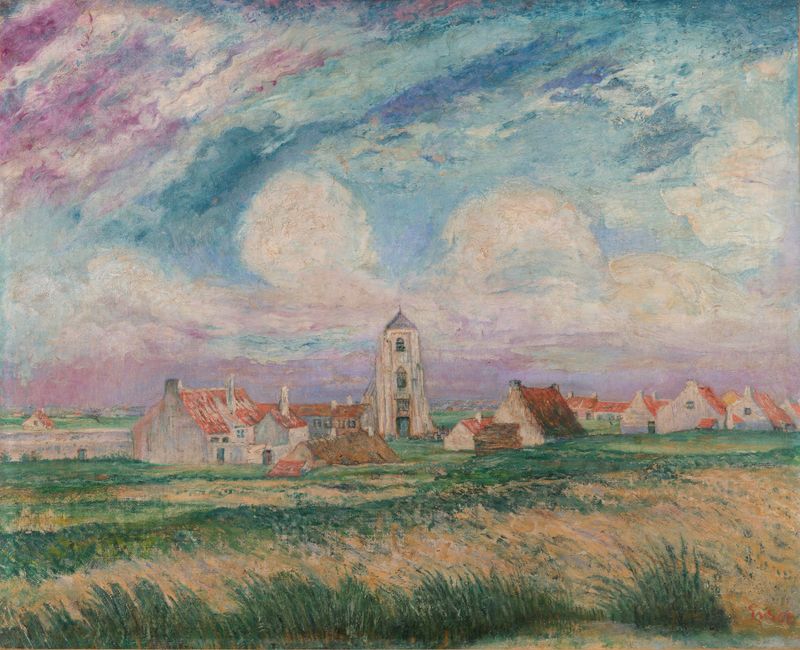
View of Mariakerke
James Ensor
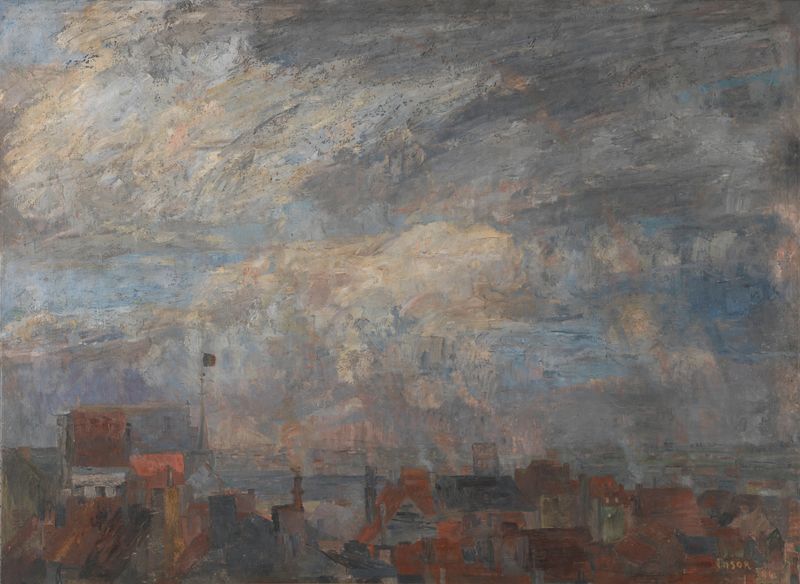
The Rooftops of Ostend
James Ensor
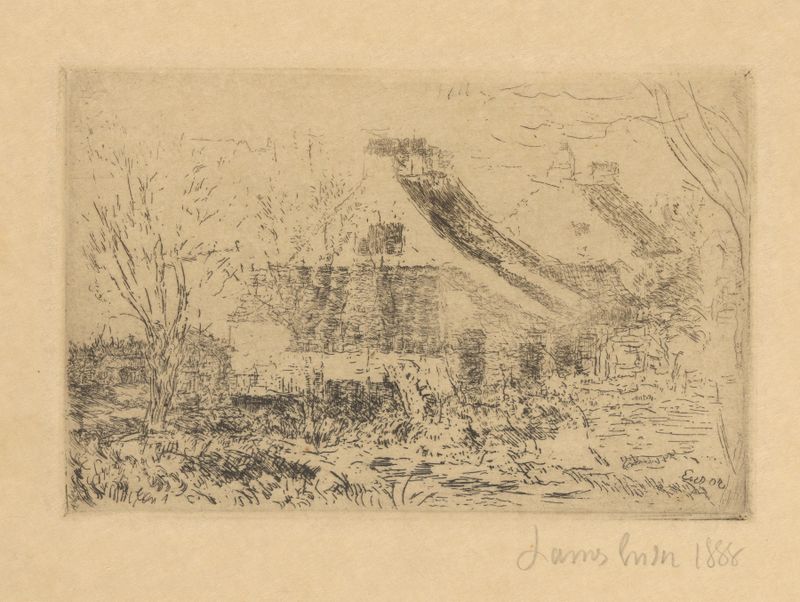
Huisjes in Mariakerke
James Ensor
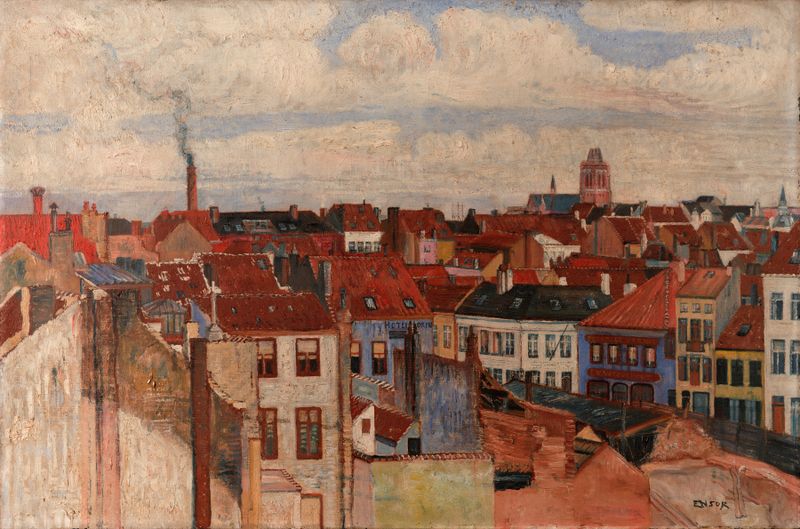
The rooftops of Ostend
James Ensor
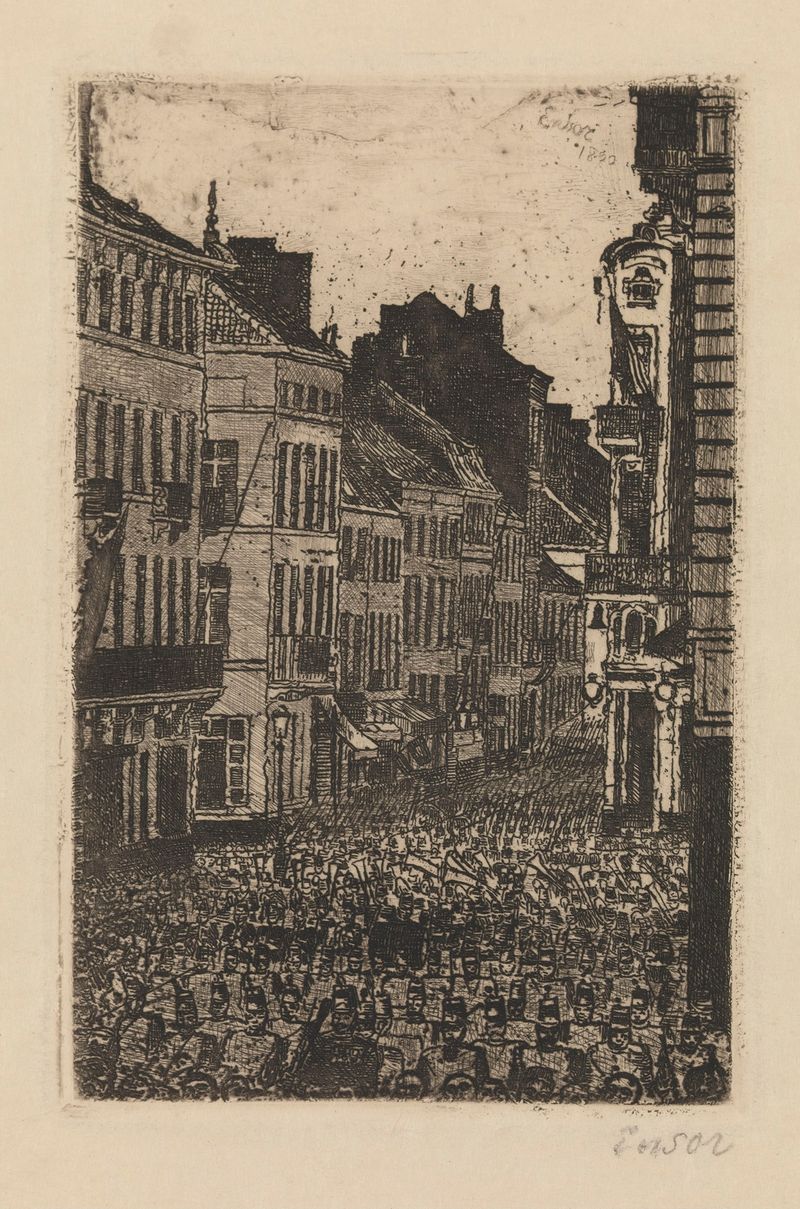
The Music in the rue de Flandre, Ostend
James Ensor
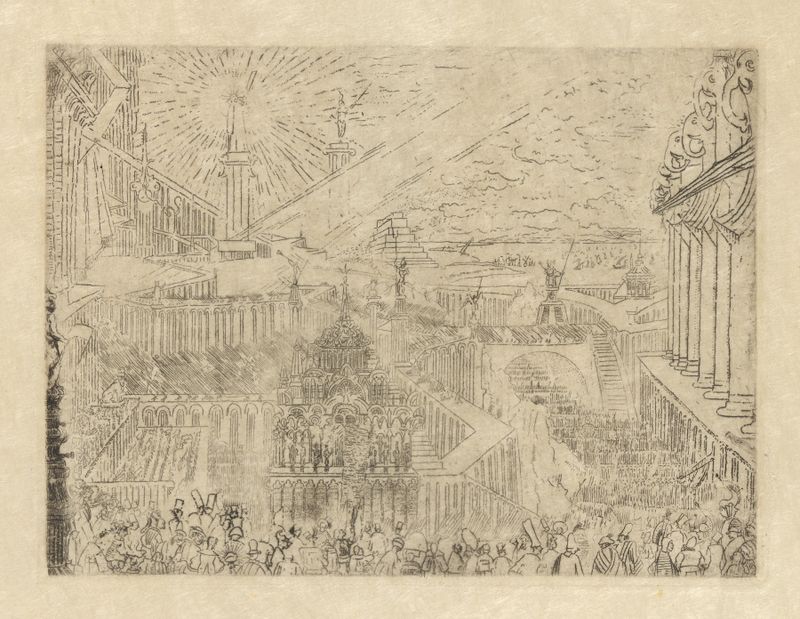
Verovering van een vreemde stad
James Ensor





