
Fortress in Verona — História e Análise
In Fortress in Verona, Jan Stanisławski reveals the obsessive dance between structure and nature, inviting us to ponder what lies beneath the strokes of color. Look to the left at the crumbling stone walls that frame the fortress, their rough texture a testament to time's relentless passage. Notice how the light cascades across the scene, illuminating patches of vivid greenery that subtly envelop the structure. The vibrant blues and earthy browns create a dialogue between the hard lines of the fortress and the soft embrace of nature, suggesting a tension between stability and decay. Within this juxtaposition lies an emotional depth that speaks of longing and persistence.
The fortress, once a stronghold, now stands at the mercy of the encroaching wilderness, symbolizing perhaps the inevitable decline of human endeavor against nature's ceaseless advance. The play of light and shadow evokes a sense of nostalgia and melancholy, as if the artist is reflecting on the fleeting nature of existence and the obsession to maintain relevance amidst the unstoppable march of time. Created in 1902, this work encapsulates a significant moment in Stanisławski's life as he delved into Impressionism while living in Poland. Emerging from a background steeped in realism, he sought to capture the essence of landscapes and architectural forms with a fresh perspective.
During this period, the artist was influenced by the artistic currents sweeping across Europe, blending the traditional with the modern, as he navigated both personal and artistic transformations.
Mais obras de Jan Stanisławski
Ver tudo →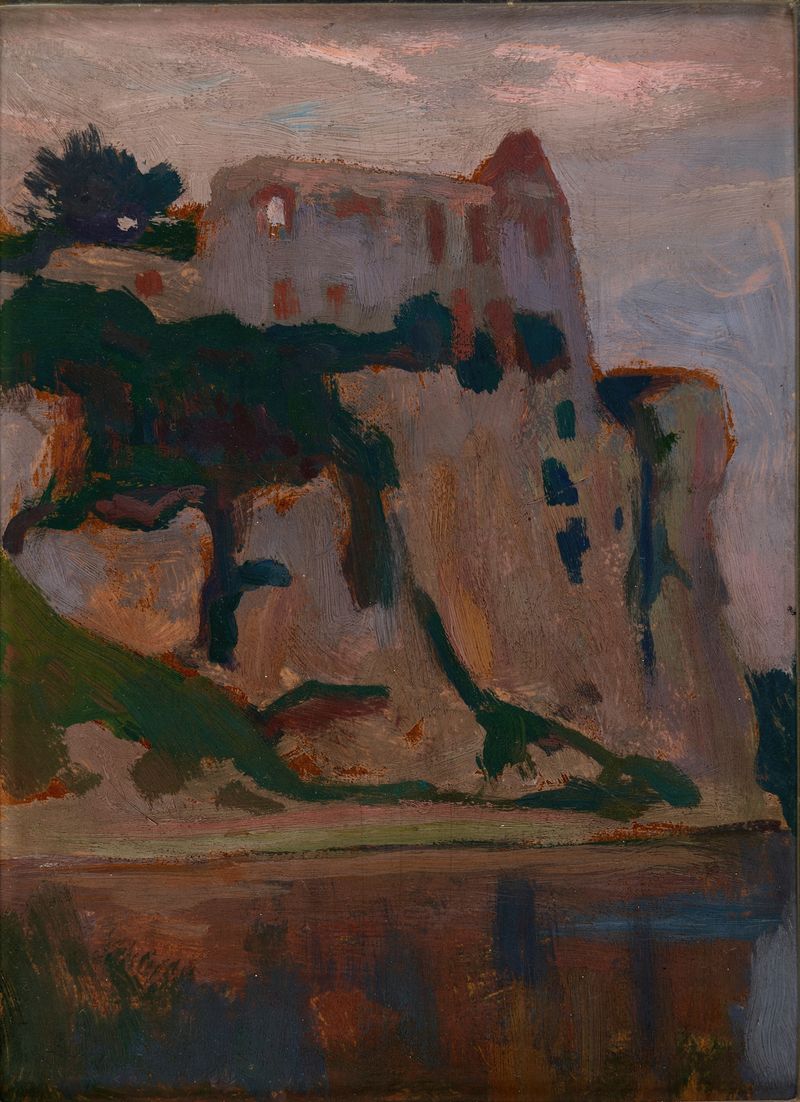
Tyniec at Dawn
Jan Stanisławski
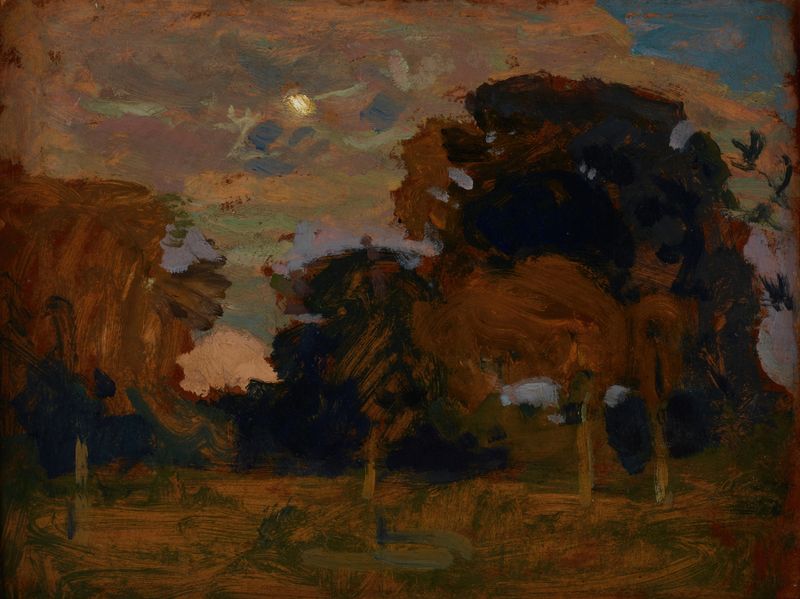
Moon in the Clouds
Jan Stanisławski
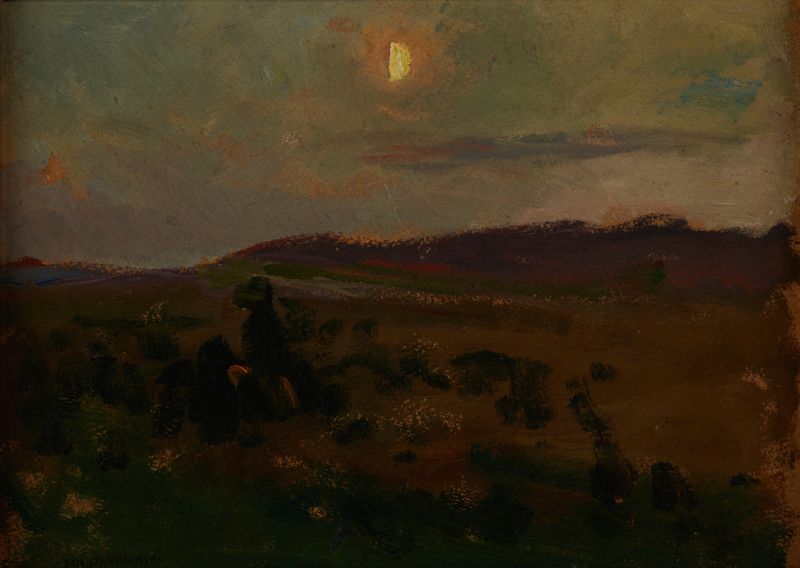
Moonrise
Jan Stanisławski
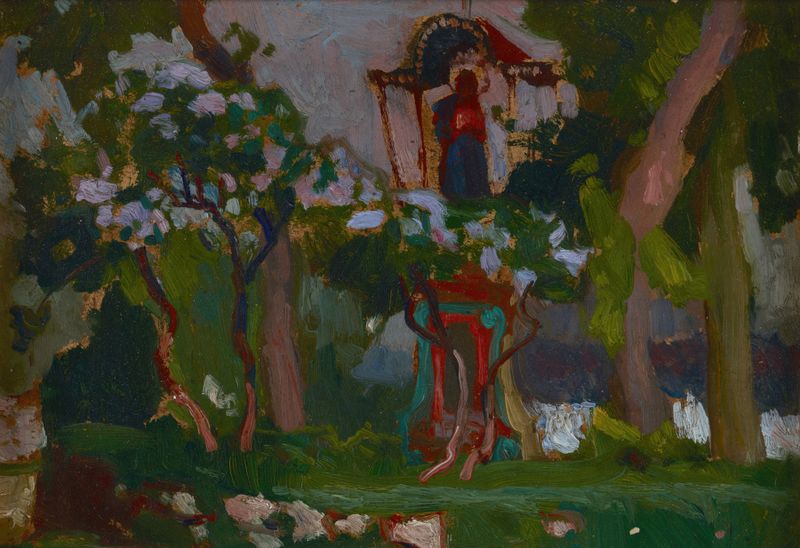
May
Jan Stanisławski
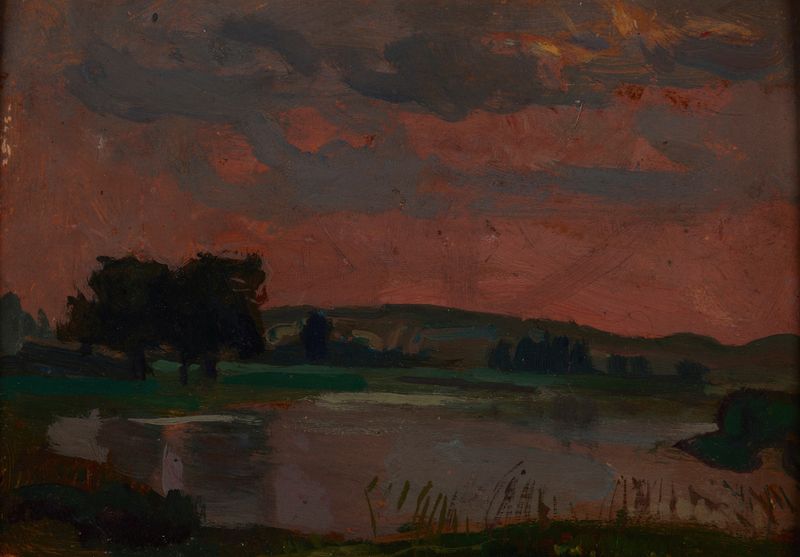
The Vistula in the Twilight
Jan Stanisławski
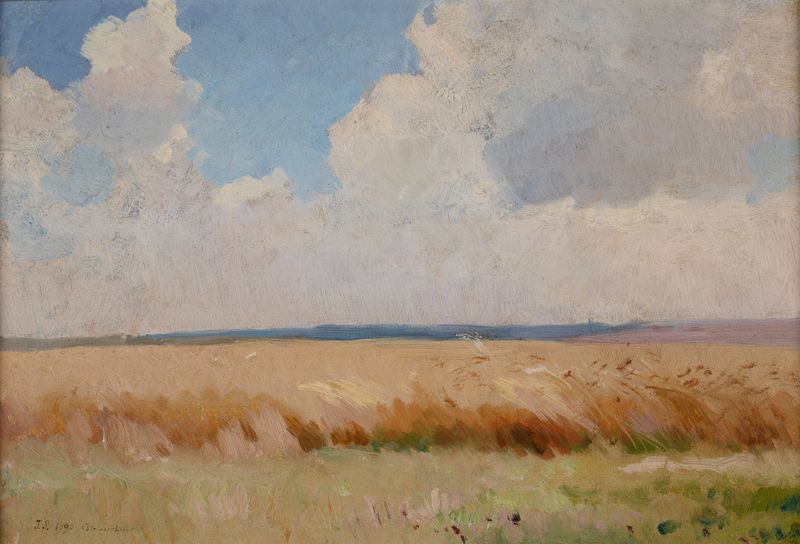
Field at Białocerkiew (Bila Tserkva)
Jan Stanisławski
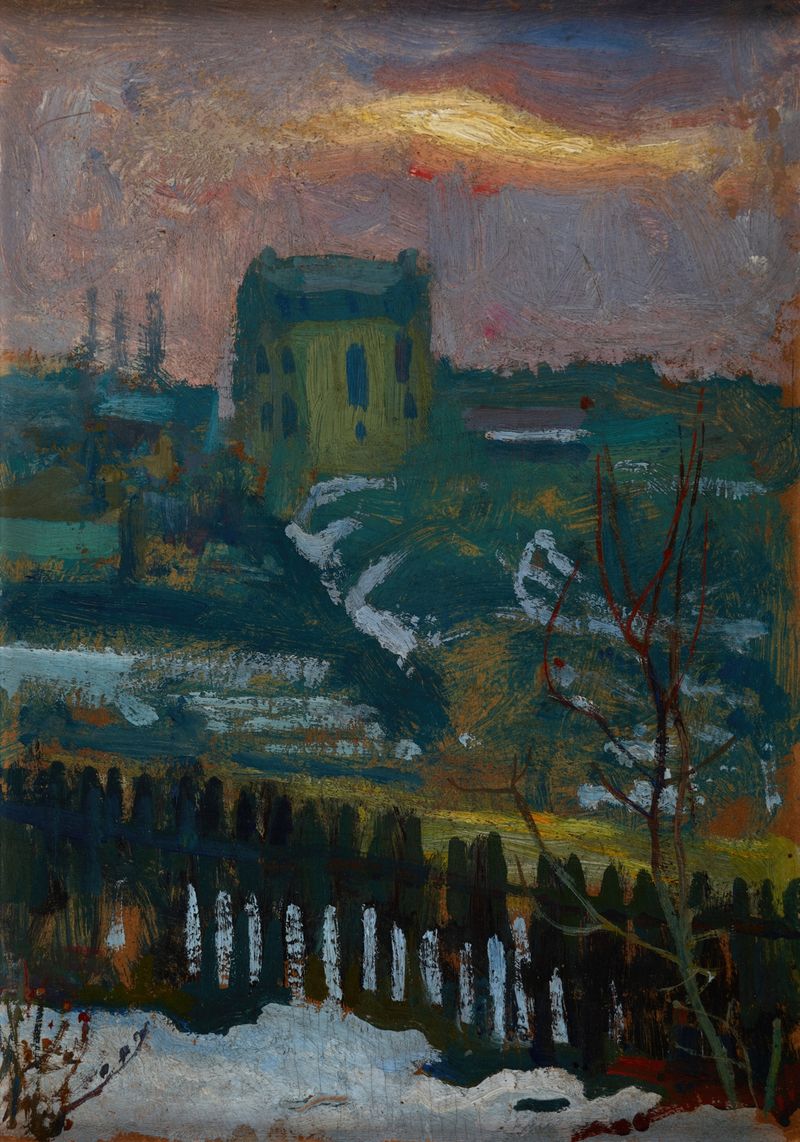
House in Winter
Jan Stanisławski
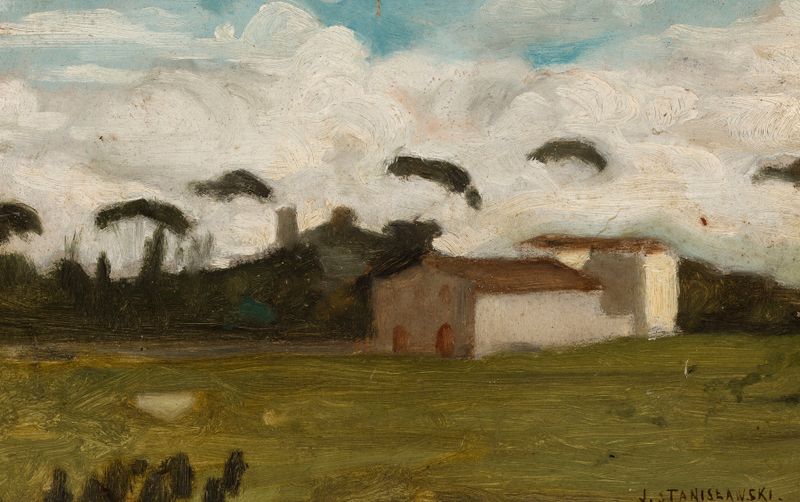
Landscape
Jan Stanisławski
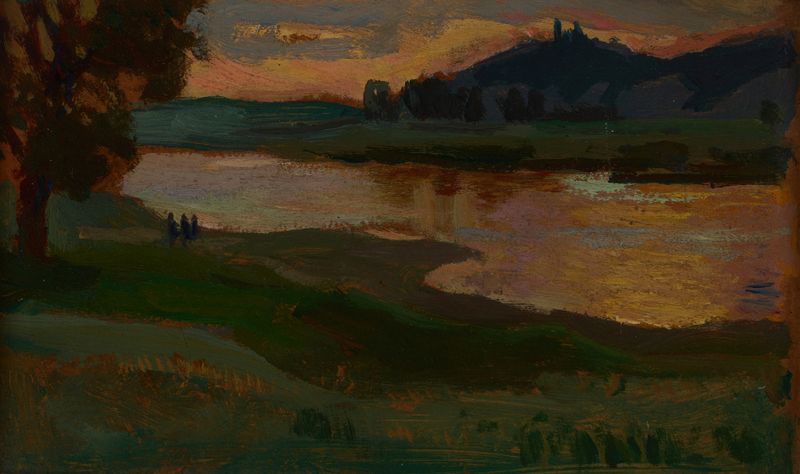
Bielany at Dusk
Jan Stanisławski
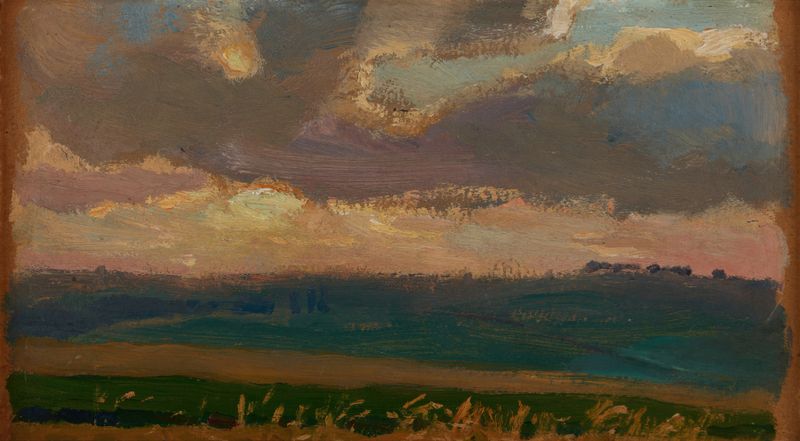
Fields at Proszowice
Jan Stanisławski





