
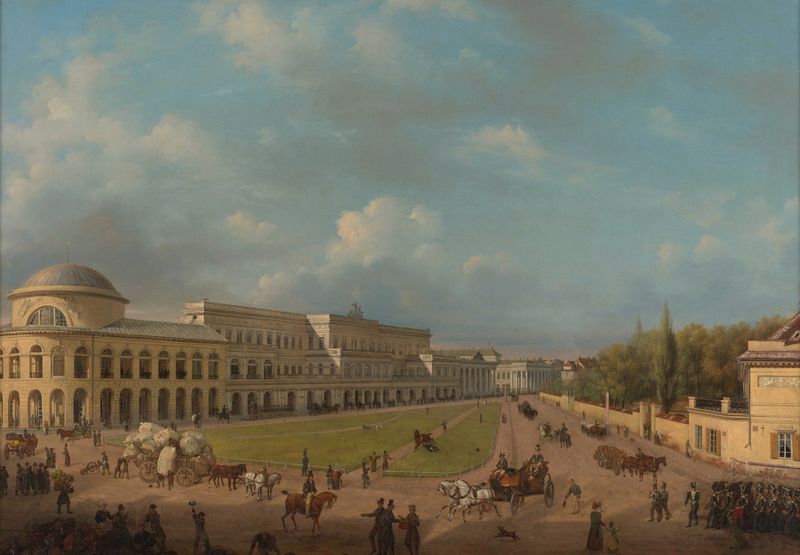
Fragment of the park in Natolin with the cowshed — História e Análise
In a world where moments fade as quickly as they emerge, the fragility of memory dances lightly in the brushstrokes of a landscape. Look to the left of the canvas, where the gentle hues of green blend seamlessly into the browns and grays of the cowshed. The soft delineation of the trees sways with the breeze, while the delicate strokes capture the play of sunlight filtering through the leaves. Notice how the shadows lengthen, drawing you into the serene space—the composition reveals not just a setting, but an invitation into a moment of pastoral tranquility. Yet, it is within the details that deeper meanings unfold.
The cowshed stands as a silent sentinel, evoking the dichotomy between rural simplicity and the transient nature of life surrounding it. The light, both warm and cool, casts a sense of nostalgia that hints at the passage of time—an echo of lives lived amidst the pastoral scene, now just a memory. The distant horizon suggests both permanence and ephemerality, embodying the fragility inherent in nature and existence. In 1833, the Polish painter was navigating a period of personal and artistic growth while capturing the essence of rural life in the changing landscape of Europe.
Working in Natolin, he found inspiration in the natural surroundings, reflecting a broader romantic movement that celebrated the beauty and simplicity of everyday life. This piece, with its quiet charm and evocative imagery, serves as a testament to both the artist's vision and the era’s longing for connection with nature.
Mais obras de Wincenty Kasprzycki
Ver tudo →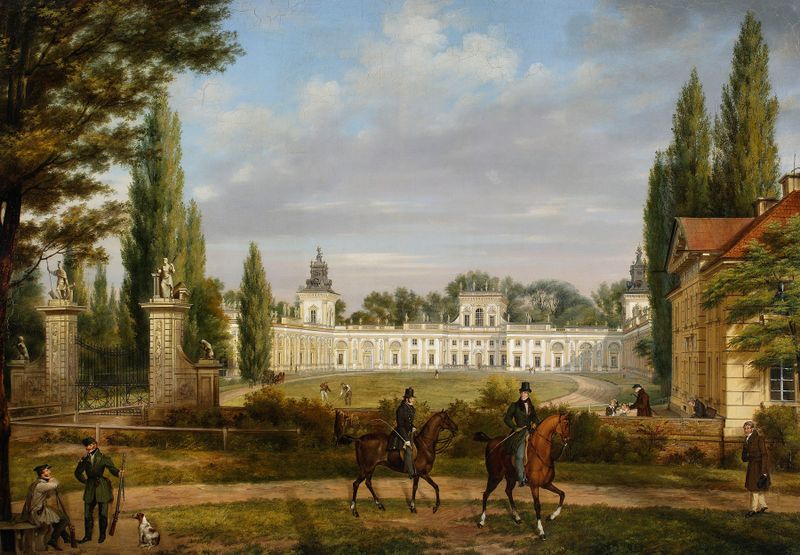
View of the Wilanów Palace from the entrance
Wincenty Kasprzycki
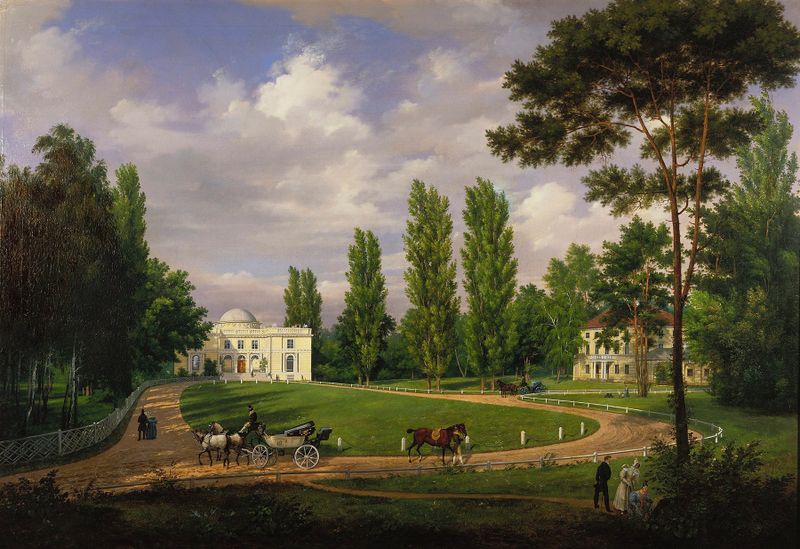
View of the Natolin Palace from the courtyard
Wincenty Kasprzycki
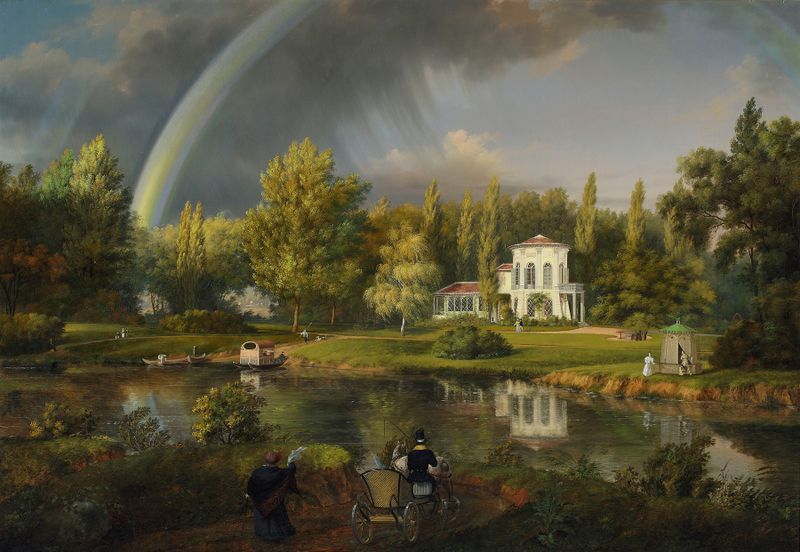
View of Morysinek in Wilanów
Wincenty Kasprzycki
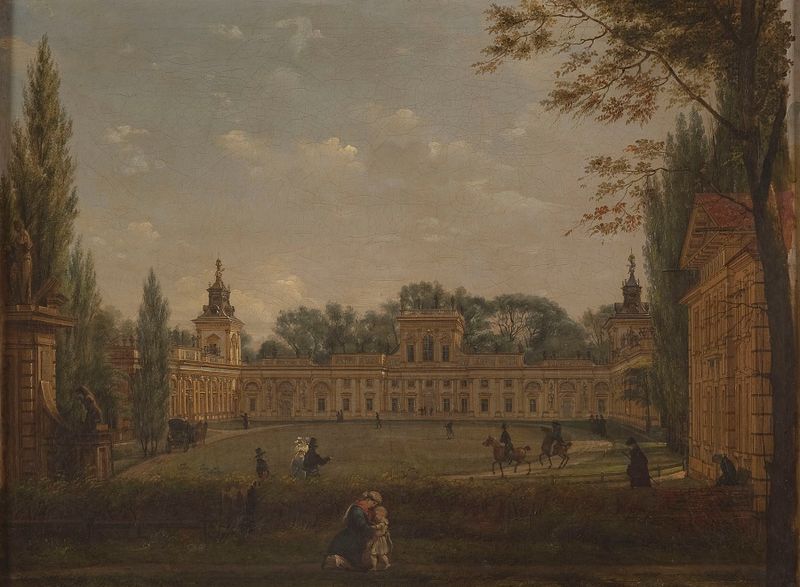
View of the Wilanów Palace from the courtyard
Wincenty Kasprzycki
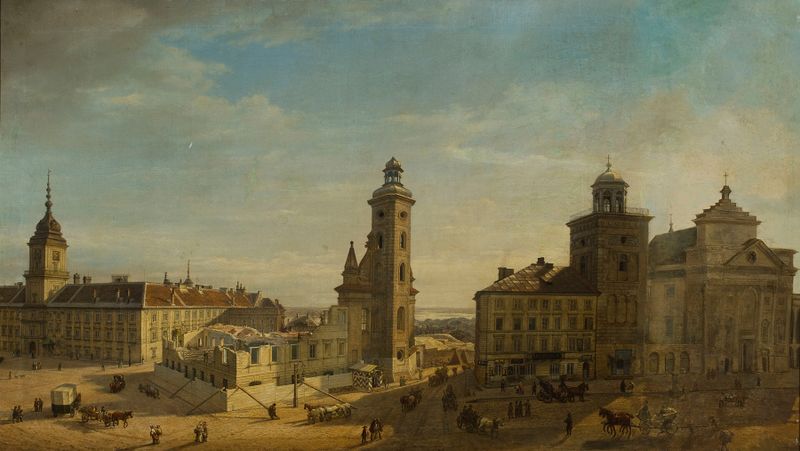
Demolition of the church St. Clara and the Bernardine nunnery in Warsaw
Wincenty Kasprzycki
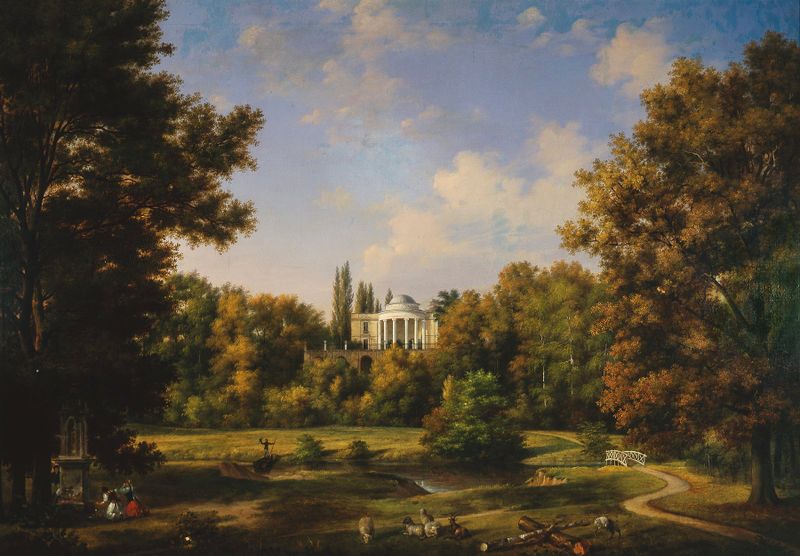
View of the Natolin Palace from the side of the park
Wincenty Kasprzycki
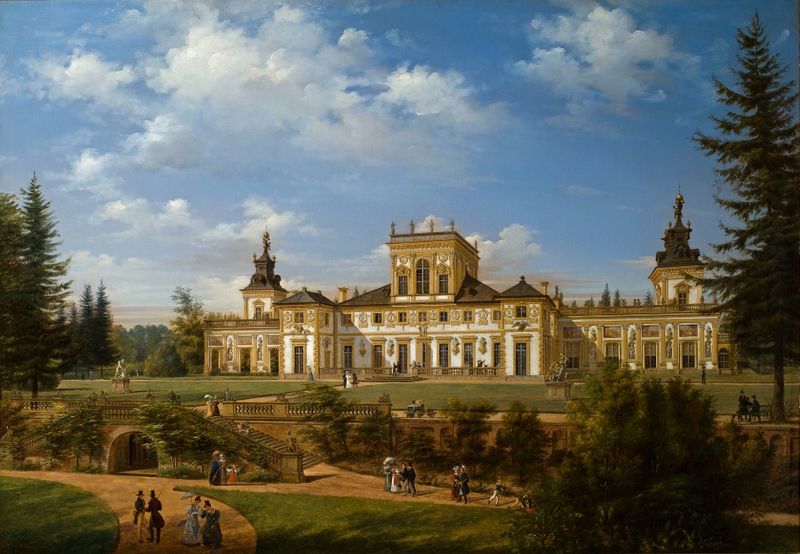
View of the Wilanów Palace from the side of the park
Wincenty Kasprzycki
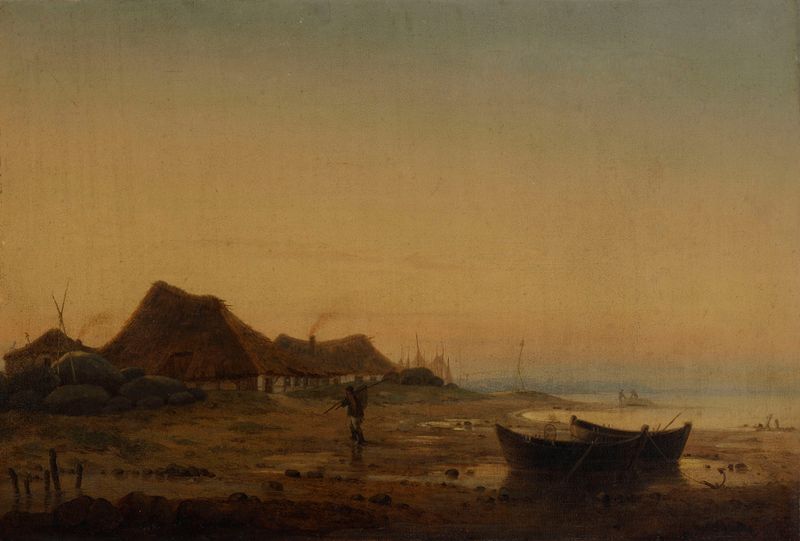
Ponadwiśle
Wincenty Kasprzycki
Plac Bankowy
Wincenty Kasprzycki





