
Fragments at Ephesus — História e Análise
Can beauty exist without sorrow? In Fragments at Ephesus, that question lingers as the eye dances over the remnants of an ancient world, caught between the whispers of history and the pulse of time. Look to the right, where a broken column stands defiantly against the backdrop of a crumbling temple. The interplay of light and shadow reveals the delicate textures of stone and foliage, inviting you to trace the lines of erosion that speak to centuries of weathering. The composition is balanced, yet dynamic, as painterly strokes capture the essence of movement—leaves fluttering in a soft breeze, fragments of marble poised as if they might yet rise again. Beneath the surface, the painting contrasts beauty with decay, suggesting a poignant narrative of loss.
The scattered stones are not mere remnants; they embody the fleeting nature of greatness and the inevitable passage of time. Each fragment tells a story, hinting at the vibrancy that once thrived, now a soft echo resonating through the ages. Sorrow weaves through the canvas, reminding the viewer that every moment of beauty is laced with the acknowledgment of what has been lost. Created in 1810, during a period of European fascination with ancient civilizations, the artist captures Ephesus at a time when archeological interests were burgeoning.
Mayer, traveling through the ruins, found inspiration in their remnants while navigating the transformative landscape of Romanticism in art. As the centuries-old civilization lay in fragments, his brush articulated a dialog between nostalgia and hope, inviting audiences to ponder the legacies that endure amid decay.
Mais obras de Luigi Mayer
Ver tudo →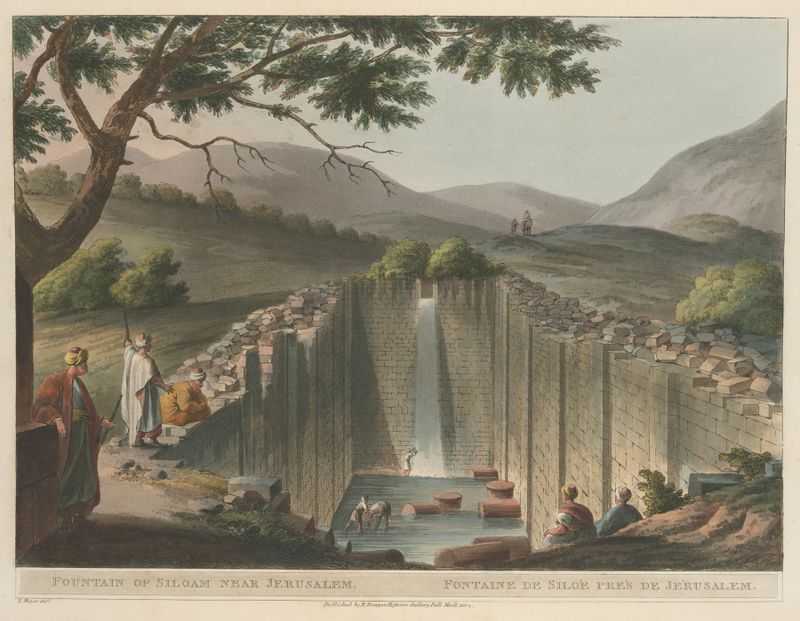
Fountain of Siloam Near Jerusalem
Luigi Mayer

View of the Dardanelles
Luigi Mayer
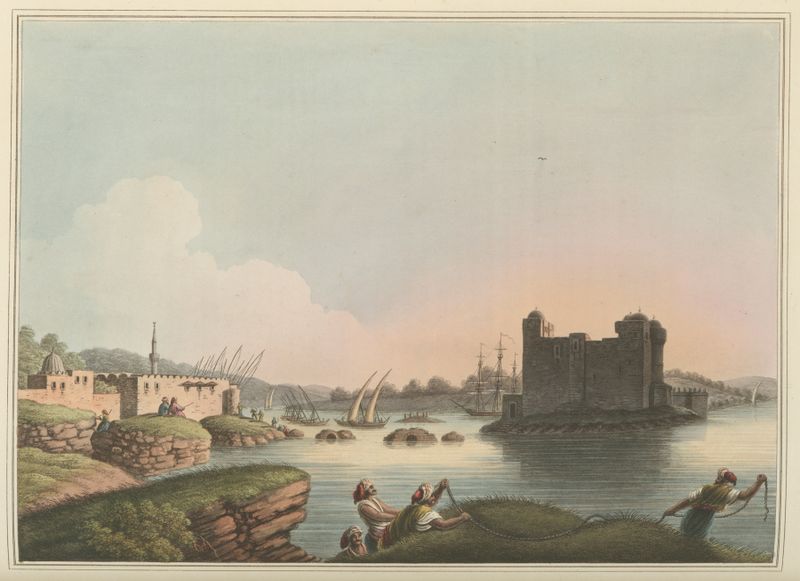
Port of Latachia
Luigi Mayer

Stadium at Ephesus
Luigi Mayer

Ancient Temples at Agrigentum
Luigi Mayer
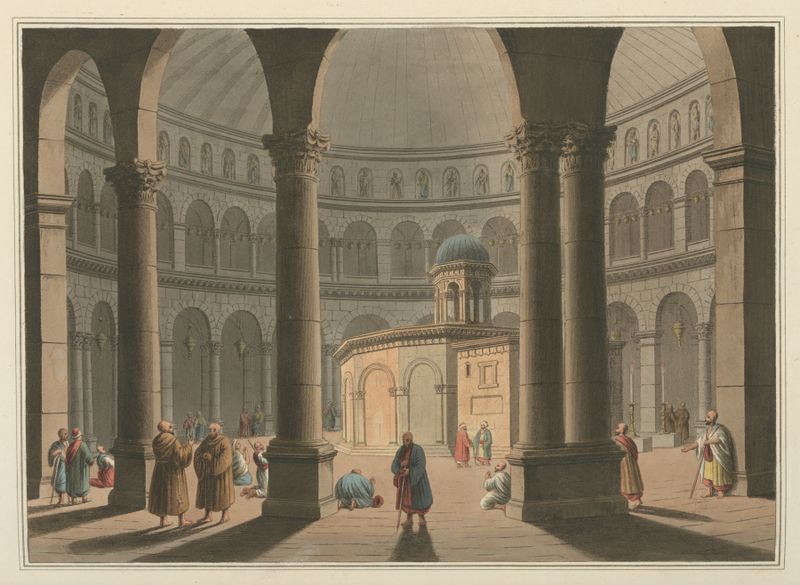
Church of the Holy Sepulchre
Luigi Mayer
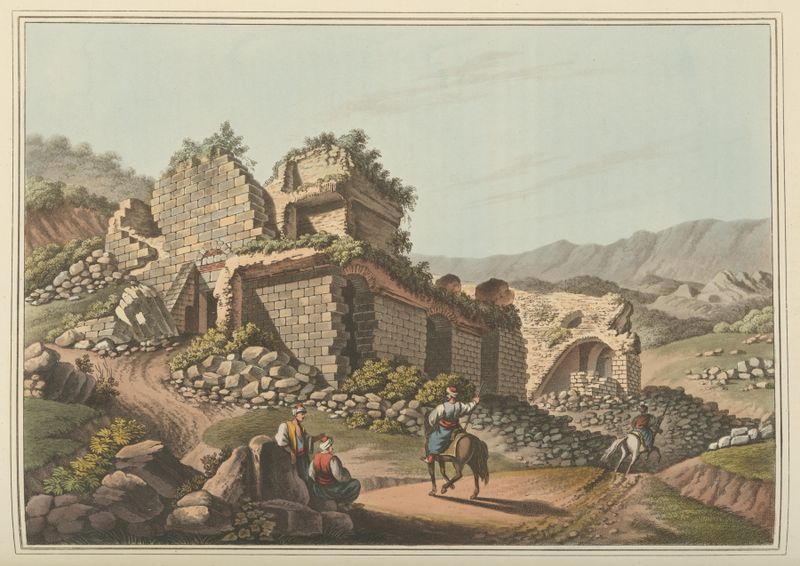
Theatre at Ephesus
Luigi Mayer
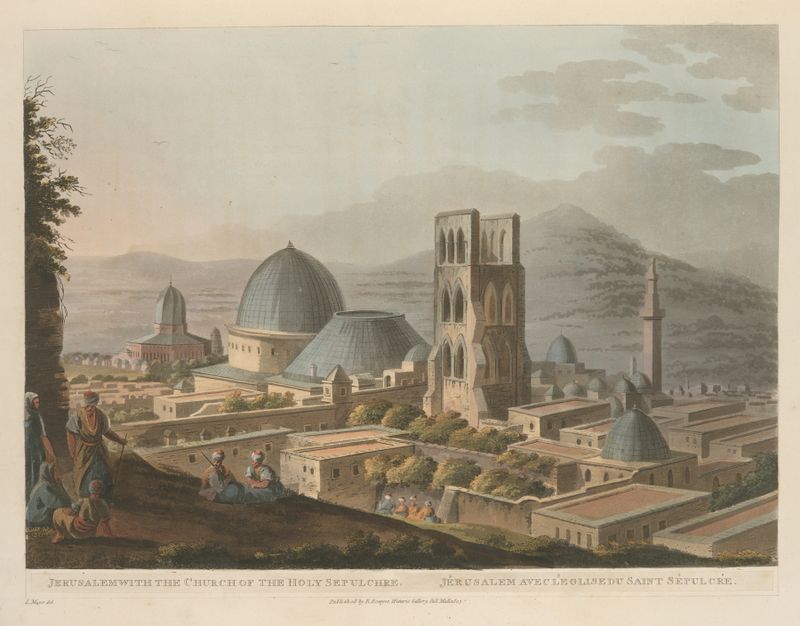
Jerusalem with the Church of the Holy Sepulchre
Luigi Mayer
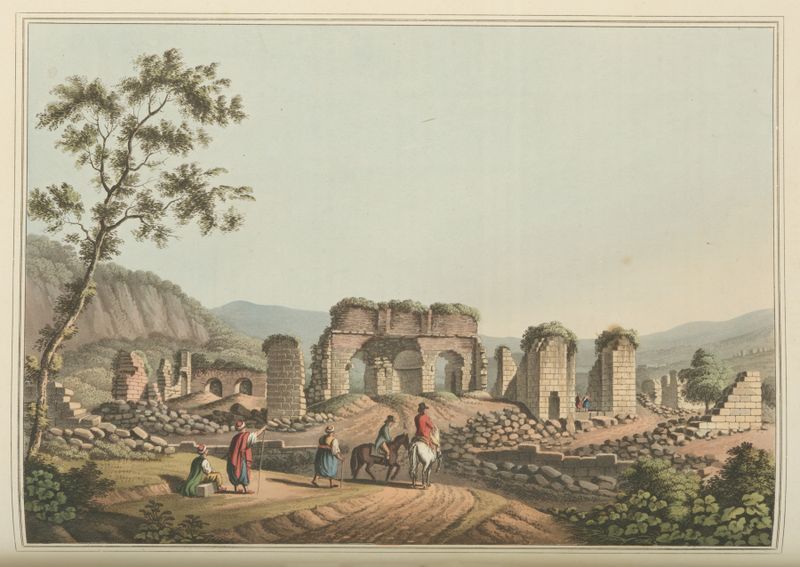
Ruins of the Temple of Diana at Ephesus
Luigi Mayer

Crater in the Island of Volcano
Luigi Mayer
Mais arte de Arquitetura
Ver tudo →
The statue of Liberty
Frédéric Auguste Bartholdi

View of Houses in Delft, Known as ‘The Little Street’
Johannes Vermeer

View of Houses in Delft, Known as ‘The Little Street’
Johannes Vermeer

The Cathedral in Rouen. The portal, Grey Weather
Claude Monet

The yellow house
Vincent van Gogh

The Church in Auvers-sur-Oise, View from the Chevet
Vincent van Gogh