
Gezicht op Bingen aan de Rijn — História e Análise
In the world of art, moments of ecstasy are captured not in fleeting emotions but in the very essence of landscapes, where nature and humanity intertwine. Look to the foreground, where the winding Rhine River beckons with its serene flow against the backdrop of Bingen. Notice how the intricate details of the town's architecture emerge from the dark strokes of the land, lending a sense of stability amidst the raw beauty of the natural world. The soft palette of blues and greens contrasts sharply with the earthy tones of the hills, guiding your gaze toward the horizon where sky and river meet, a delicate interplay of light that evokes both tranquility and a longing for exploration. In this composition, the interplay of light and shadow reveals a deeper story of ecstasy and the human experience.
The river, a lifeline, symbolizes both connection and passage, while the town stands as a testament to resilience. Hidden within the undulating hills are subtle hints of activity—perhaps ripening vineyards or distant travelers—evoking dreams and aspirations that dance just beyond the canvas's edge, inviting viewers to reflect on their own journeys. Wenceslaus Hollar created this piece in 1636 while residing in England, having fled his native Bohemia due to the Thirty Years' War. His work during this period reflects the shifting artistic focus towards realism and detail, as he embraced the landscapes of his new home, capturing their charm and complexity through meticulous engraving and drawing techniques.
This was a time when artists were beginning to explore deeper emotional connections with their subjects, as evidenced in this depiction of Bingen.
Mais obras de Wenceslaus Hollar
Ver tudo →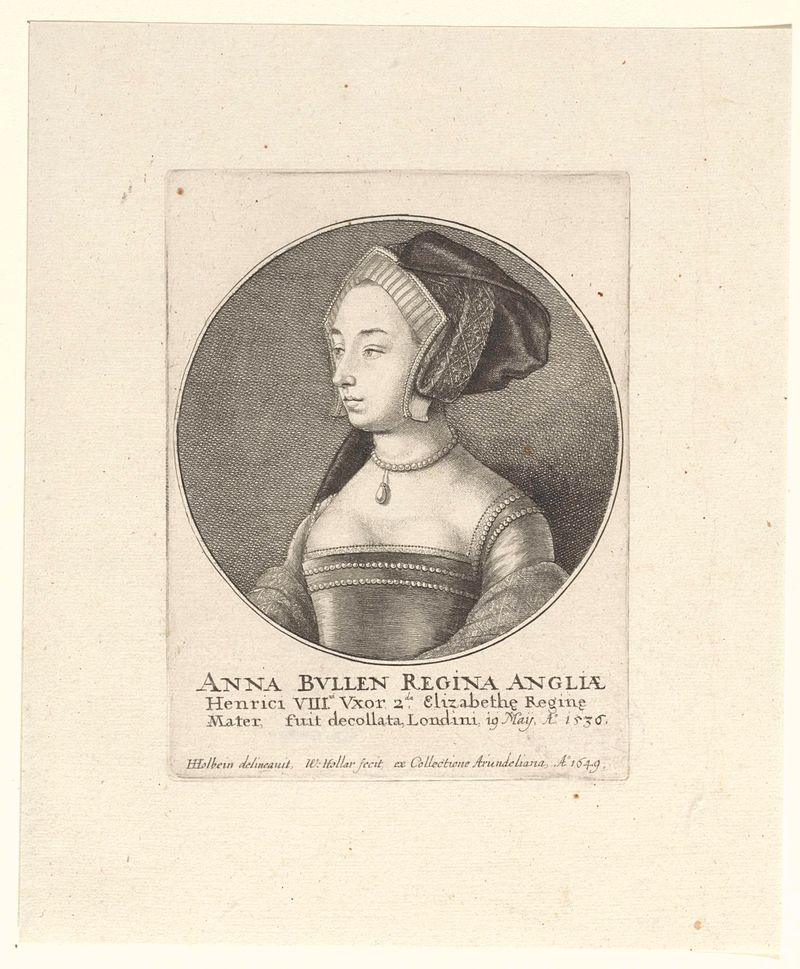
Portret van Anna Boleyn, koningin van Engeland
Wenceslaus Hollar
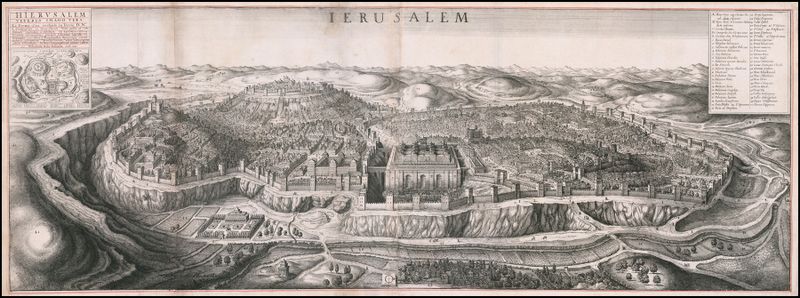
Bird’s eye view of Jerusalem
Wenceslaus Hollar
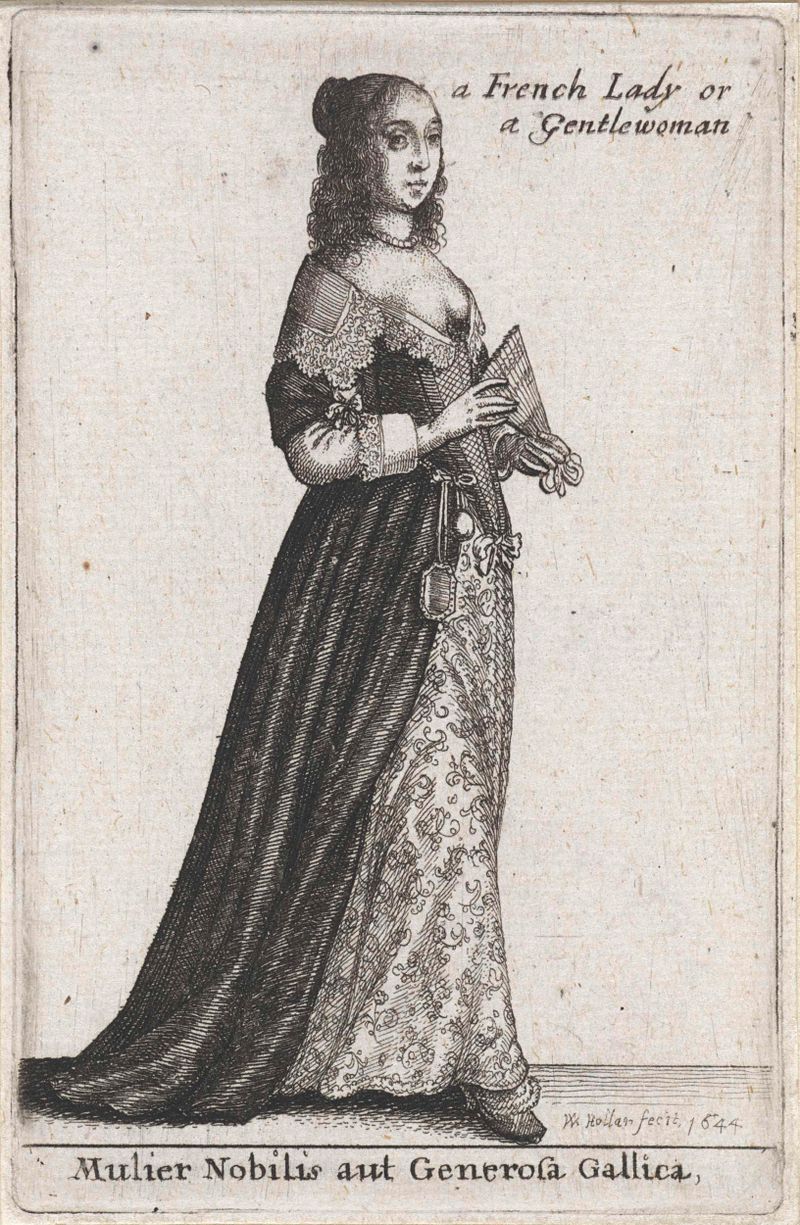
Mulier Nobilis aut Generosa Gallica / a French Lady or Gentlewoman
Wenceslaus Hollar
Titelprent voor: Ornatus Muliebris Anglicanus
Wenceslaus Hollar
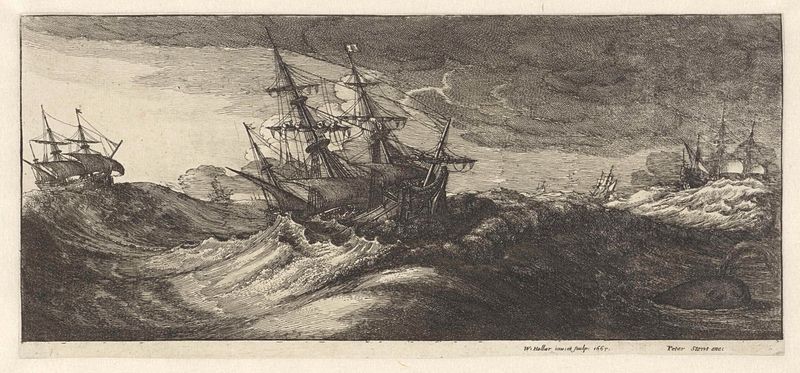
Oorlogsschepen en een walvis in een zeestorm
Wenceslaus Hollar
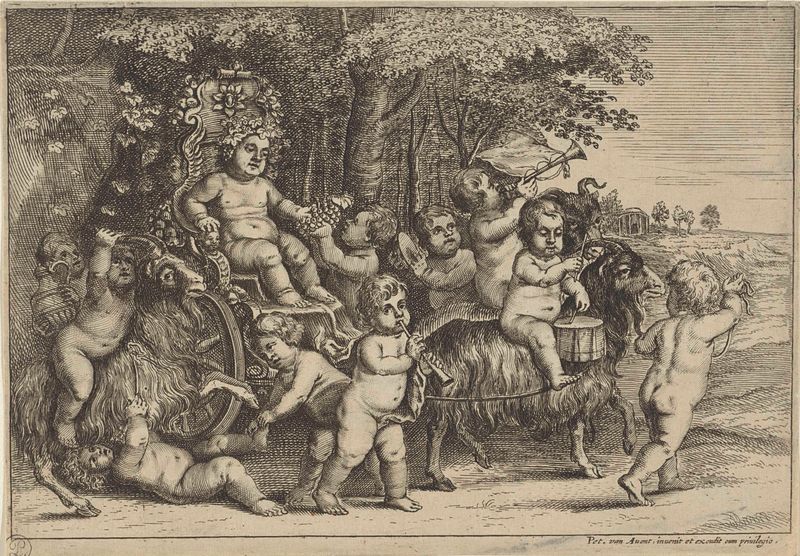
Optocht van bacchant en jongetjes op geiten
Wenceslaus Hollar
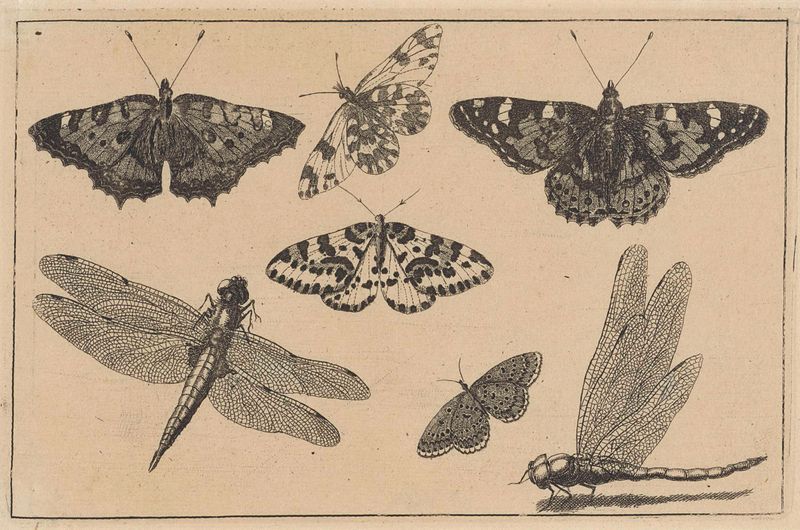
Twee libellen en vijf vlinders
Wenceslaus Hollar
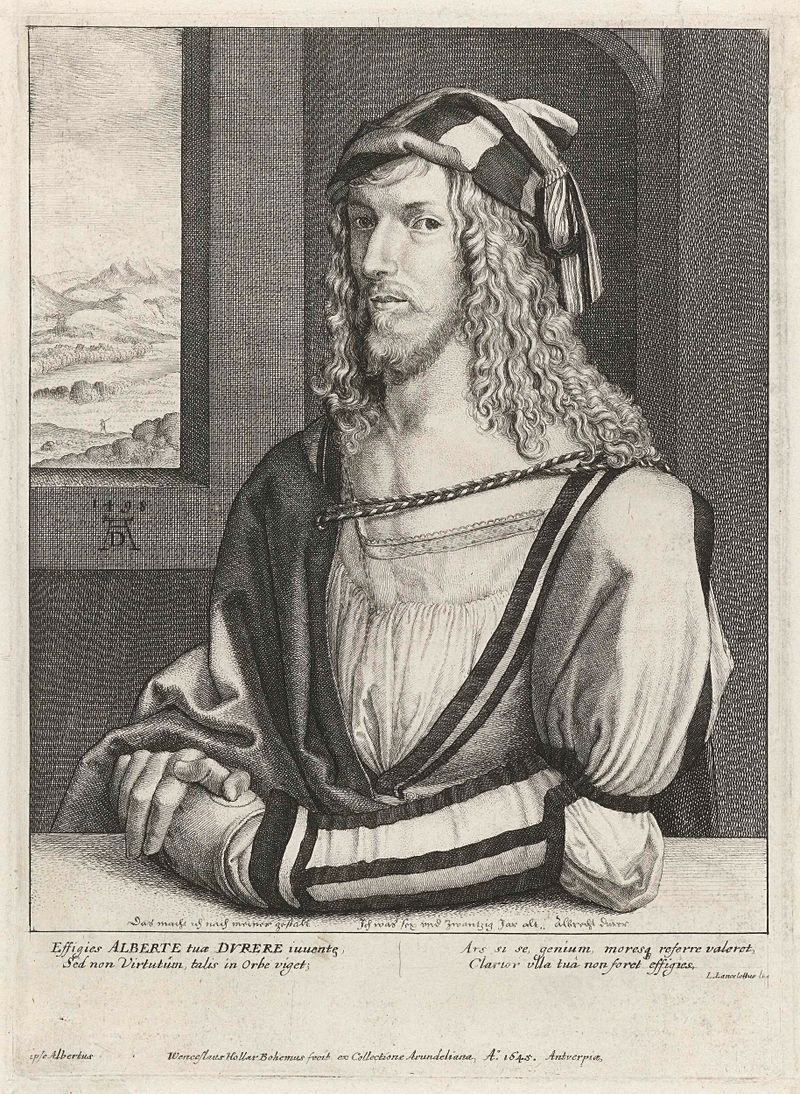
Portret van Albrecht Dürer
Wenceslaus Hollar
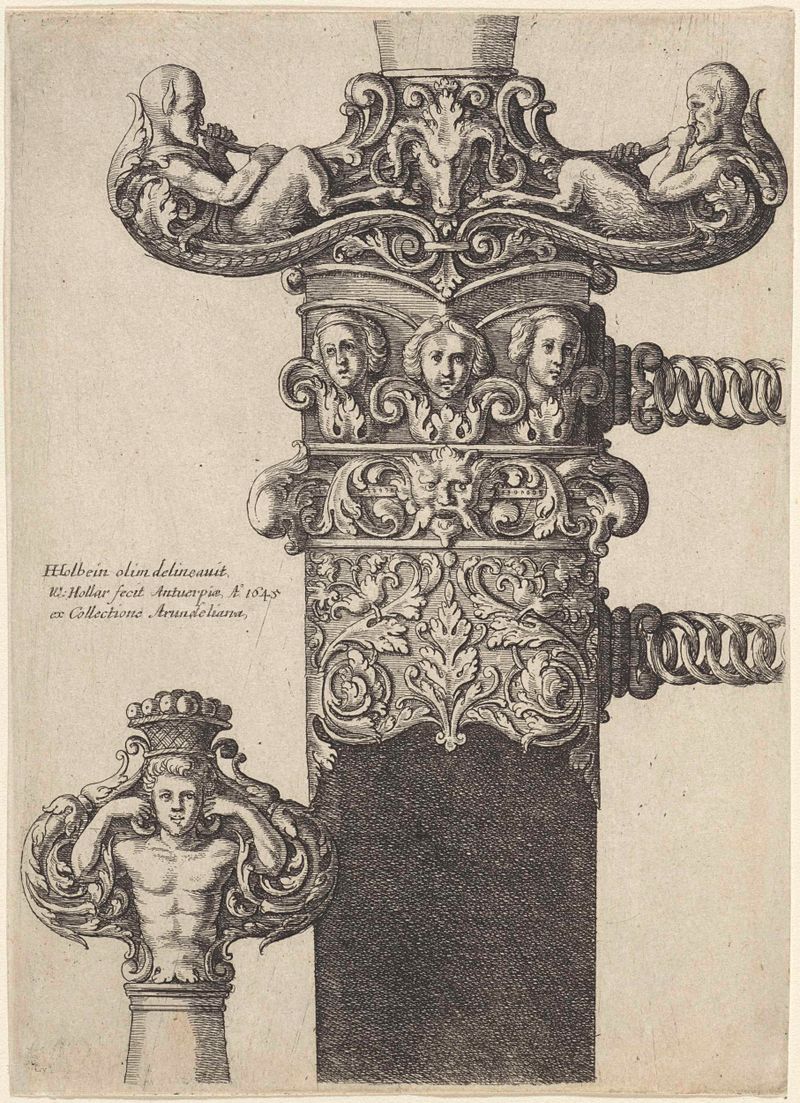
Ornamenteel ontwerp voor een dolk
Wenceslaus Hollar
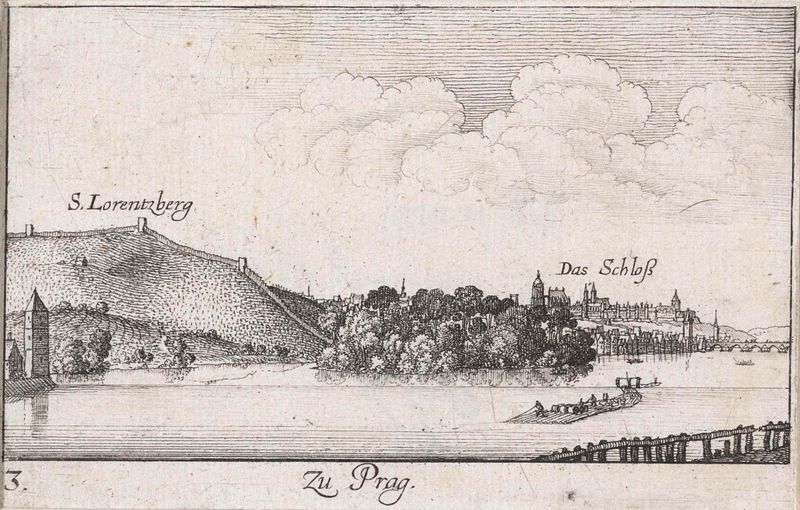
Gezicht op Praag vanaf de Moldau
Wenceslaus Hollar





