
Gezicht op een gedeelte van het toneel en de muur daarachter van het theater van Taormine — História e Análise
In the vast expanse of a theater scene, emptiness speaks louder than the grandest performances. It evokes a sense of longing, an invitation to reflect on both the spectacle and the absence of sound that frames it. Focus on the intricately rendered columns, strong and stoic, on the left side of the canvas. Their weathered textures contrast sharply with the vibrant hues of the sky, which transitions from deep azure to hints of warm pink.
The careful brushstrokes directing your gaze toward the distant coastline reveal a meticulous attention to detail, capturing the essence of Taormina while also amplifying the isolation of the theater's emptiness. Amidst the vibrant colors lies a haunting stillness. The absence of audience members creates a palpable tension, suggesting that the true drama occurs not on stage, but in the viewer's mind. The interplay between light and shadow serves as a metaphor for life's transient nature; just as the curtain rises and falls, so too do our moments of joy and solitude. In 1778, Ducros was deeply engaged with the picturesque movement, focusing on landscapes that captivated the imagination.
Residing in Rome at the time, he was influenced by the Enlightenment's embrace of nature's beauty. This painting reflects his ability to marry classical ideals with an emerging romantic sensibility, showcasing a theater that stands not only as a monument to performance but also as a profound space of introspection.
Mais obras de Abraham-Louis-Rodolphe Ducros
Ver tudo →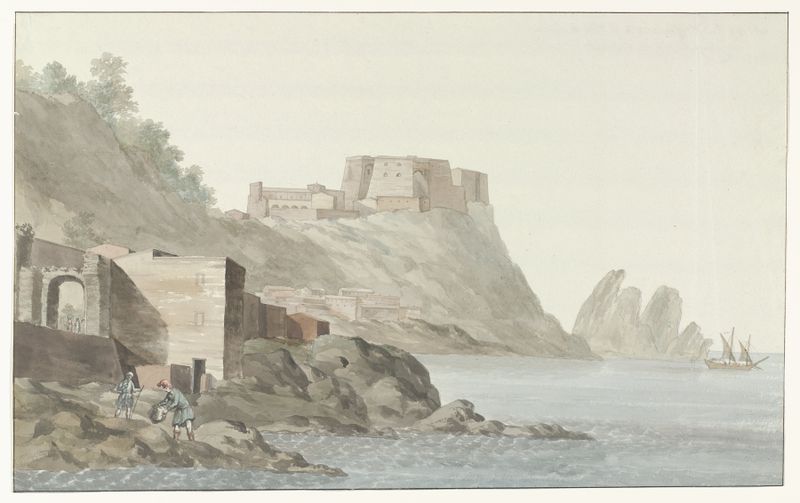
Rots en stad Scilla in de regio Calabrië aan de oostkust
Abraham-Louis-Rodolphe Ducros
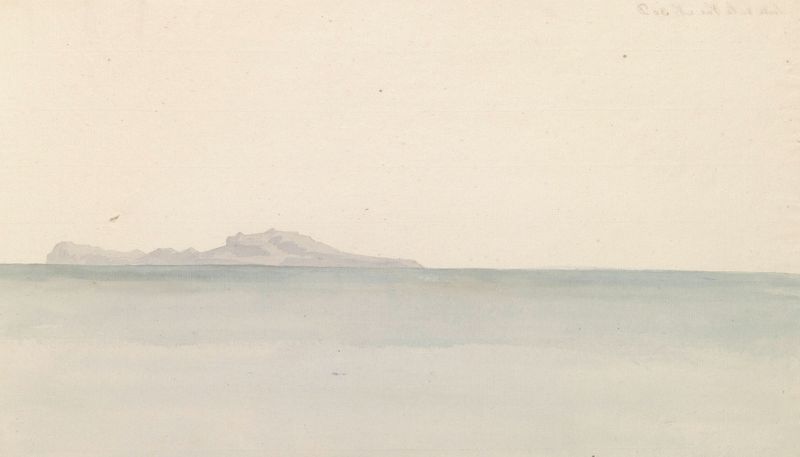
Gezicht op Golf van Napels vanaf kade bij kerk Santa Maria del Carmine
Abraham-Louis-Rodolphe Ducros
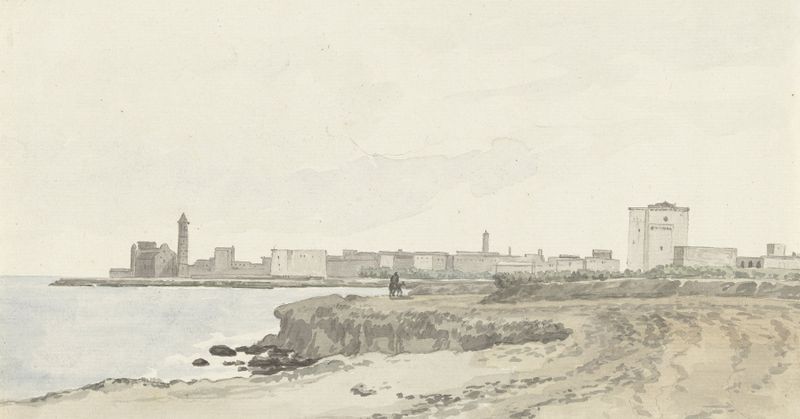
Gezicht op Trani gelegen aan de kust
Abraham-Louis-Rodolphe Ducros
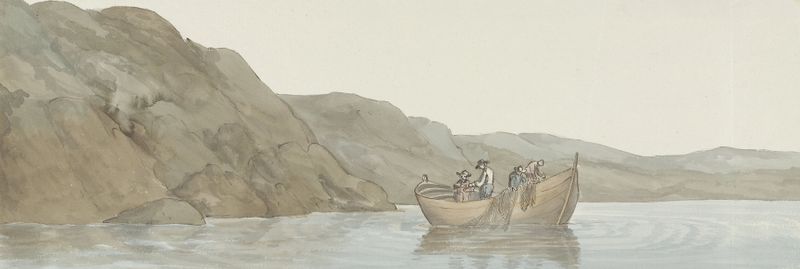
Gezicht op Kaap Paceco in Calabrië nabij de stad Scilla
Abraham-Louis-Rodolphe Ducros
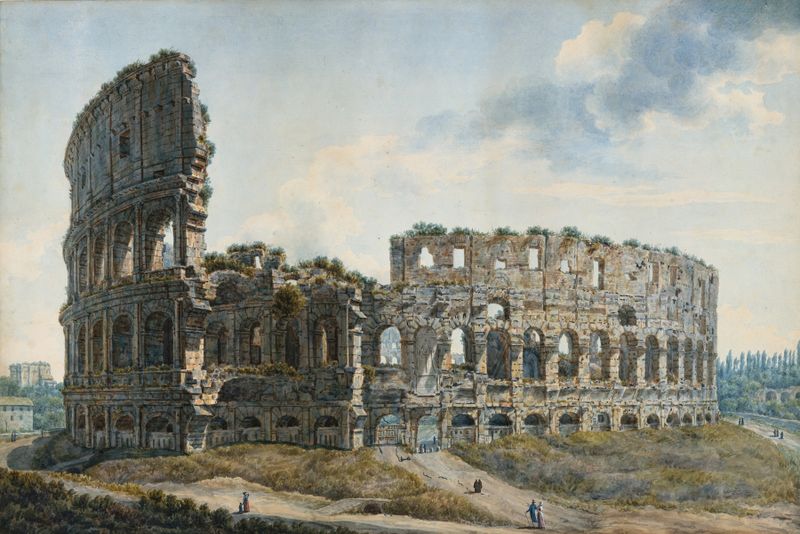
The Colosseum, Rome.
Abraham-Louis-Rodolphe Ducros
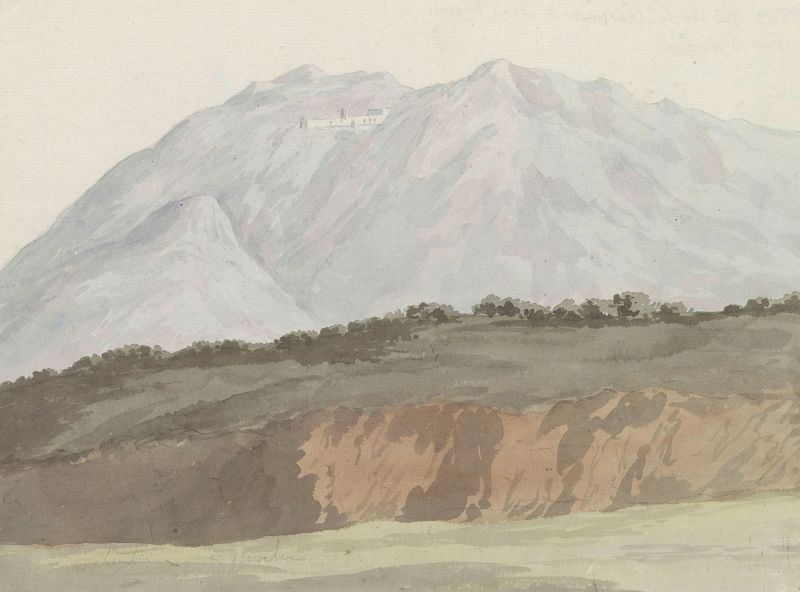
Gezicht op kartuizerklooster van Monte Vergine hoog gelegen boven Avellino
Abraham-Louis-Rodolphe Ducros
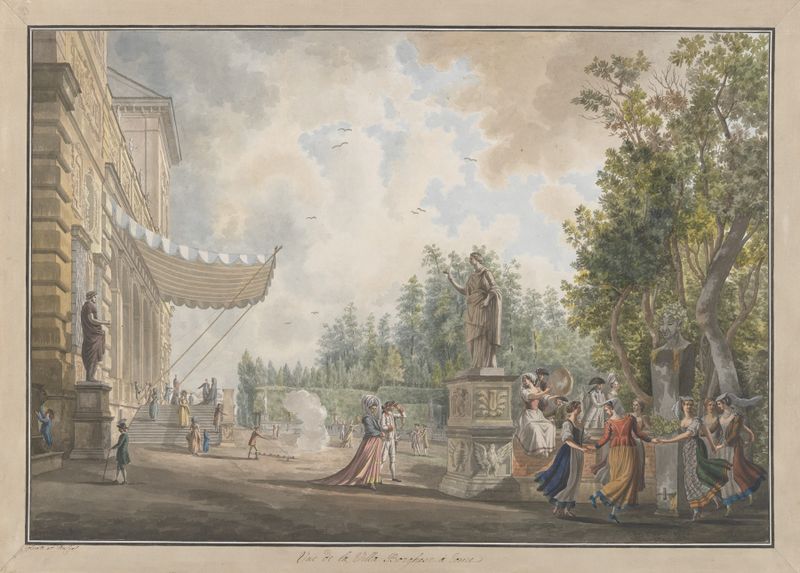
Villa Borghese
Abraham-Louis-Rodolphe Ducros
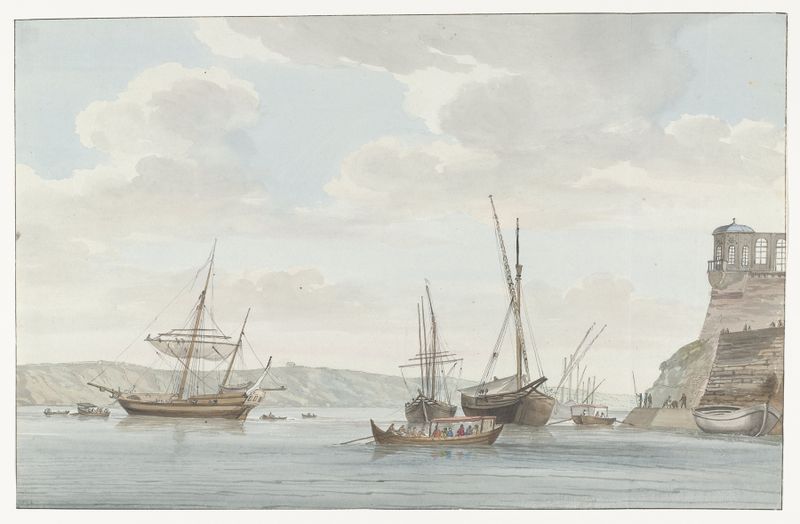
Tuinhuis van de Jardin du Grand Maître uittorend boven de haven met galei schepen op Malta
Abraham-Louis-Rodolphe Ducros
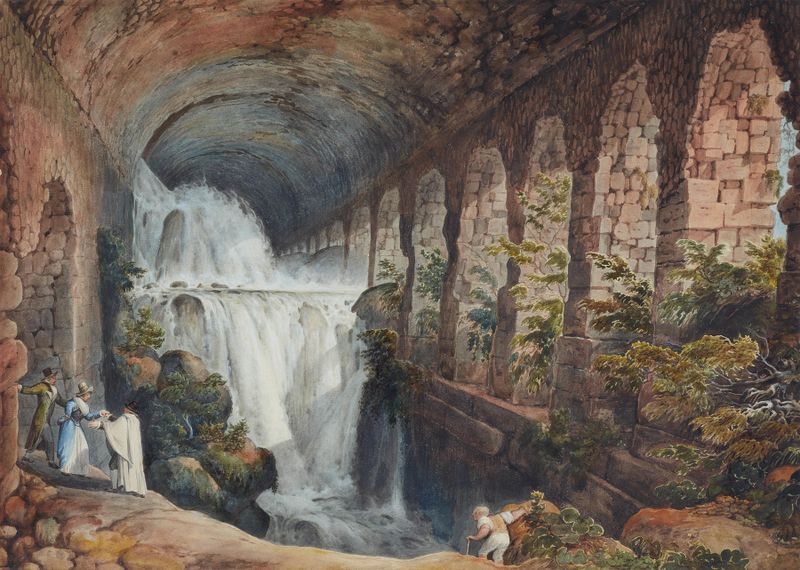
Aquädukt unter der Villa des Maecenas in Tivoli
Abraham-Louis-Rodolphe Ducros
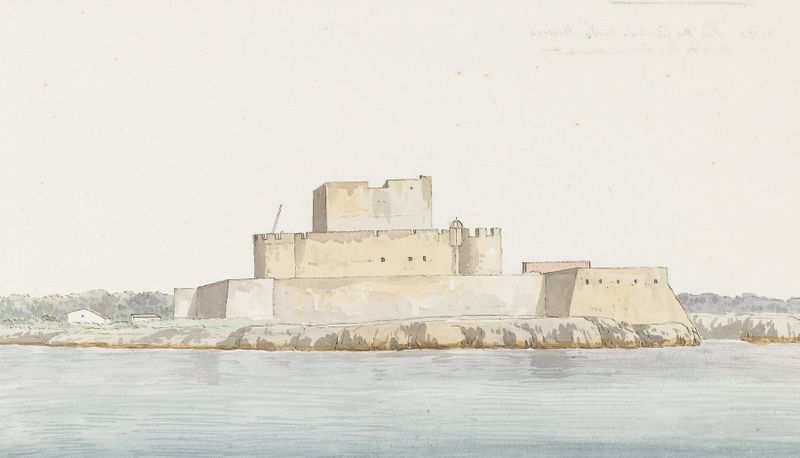
Gezicht op kasteel van San Mauro la Bruca vanaf zee bij aankomst
Abraham-Louis-Rodolphe Ducros
Mais arte de Arquitetura
Ver tudo →
The statue of Liberty
Frédéric Auguste Bartholdi

View of Houses in Delft, Known as ‘The Little Street’
Johannes Vermeer

View of Houses in Delft, Known as ‘The Little Street’
Johannes Vermeer

The Cathedral in Rouen. The portal, Grey Weather
Claude Monet

The yellow house
Vincent van Gogh

The Church in Auvers-sur-Oise, View from the Chevet
Vincent van Gogh