
Gezicht op een kerk aan het water — História e Análise
Where does light end, and longing begin? In a world where water mirrors the sky and objects dissolve into reflections, the boundaries of reality seem to blur, inviting contemplation. Look closely at the center, where the steeple of the church rises majestically above the tranquil water. The delicate strokes create a silvery sheen that bounces off the surface, drawing your eye to the interplay between the church and its mirrored twin. Notice the subtle gradations of color — soft blues and earthy greens that blend gently into one another, evoking a sense of harmony and peace.
The composition feels balanced, each element holding its own yet contributing to the whole. In this serene landscape, emotional undercurrents run deep. The church stands as a symbol of faith and permanence against the fluidity of the water, suggesting a tension between stability and transience. The reflections can also represent introspection, hinting at the inner thoughts and aspirations of those who might gaze at this scene.
Furthermore, the gentle ripples in the water evoke the passage of time, reminding us that moments of stillness are fleeting. Wenceslaus Hollar created this work during his time in the 17th century, a period marked by profound shifts within the European art scene. Living in Antwerp, he was influenced by the Baroque style, embracing detailed line work and ethereal landscapes. This serene portrayal emerged amidst his explorations of printmaking, as he sought to capture not just visual beauty, but the emotional resonance of the world around him.
Mais obras de Wenceslaus Hollar
Ver tudo →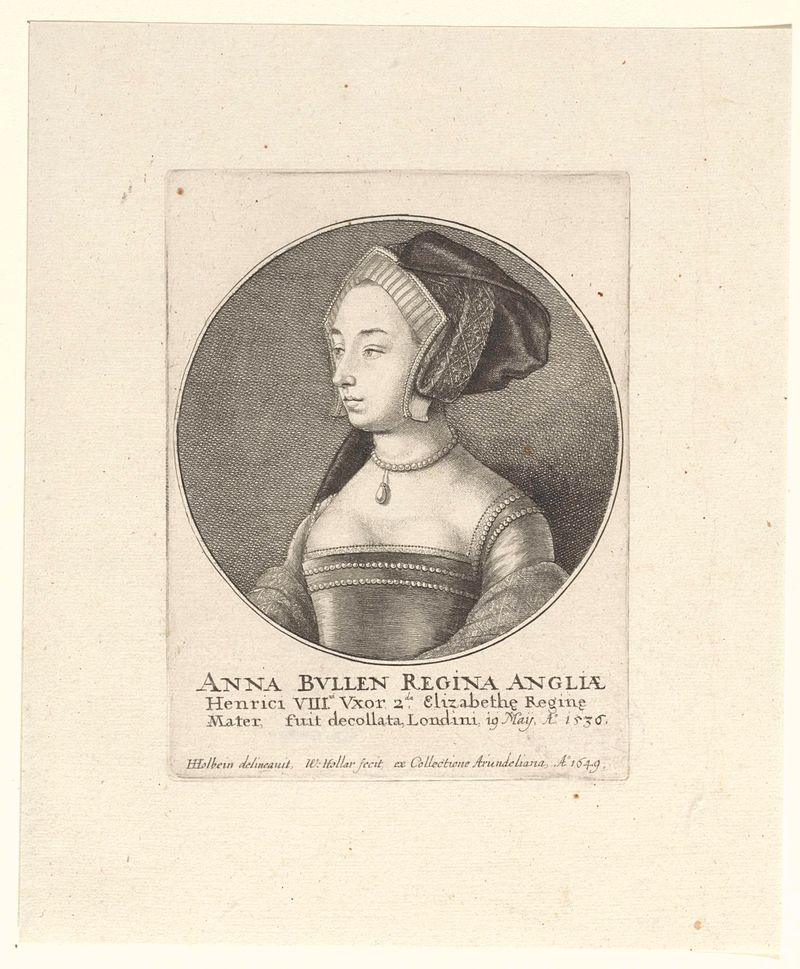
Portret van Anna Boleyn, koningin van Engeland
Wenceslaus Hollar
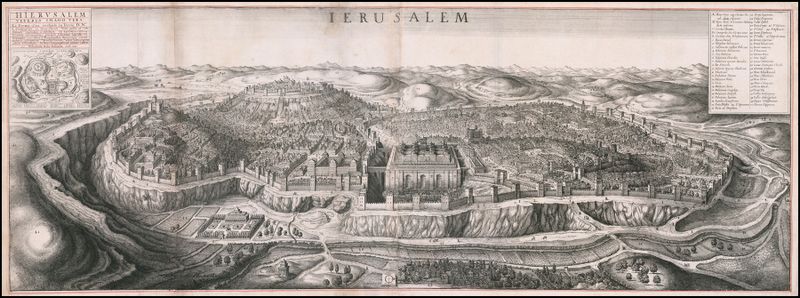
Bird’s eye view of Jerusalem
Wenceslaus Hollar
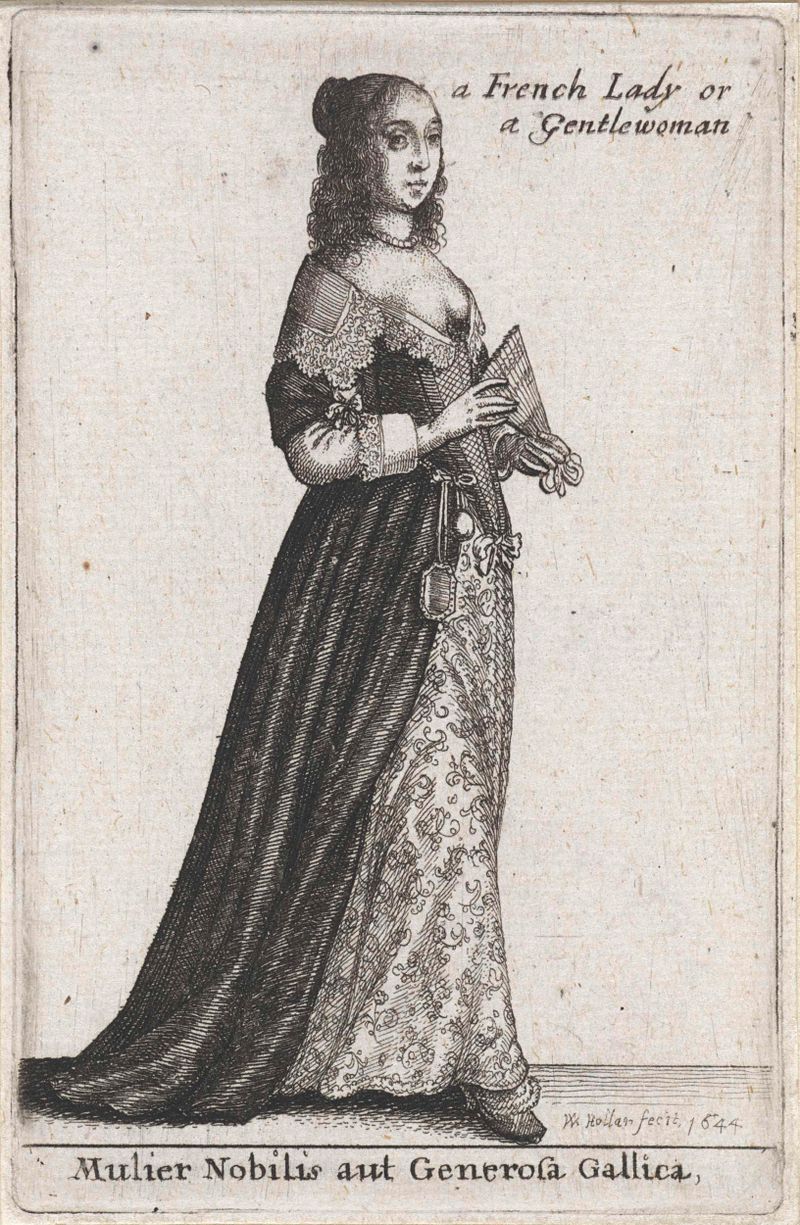
Mulier Nobilis aut Generosa Gallica / a French Lady or Gentlewoman
Wenceslaus Hollar
Titelprent voor: Ornatus Muliebris Anglicanus
Wenceslaus Hollar
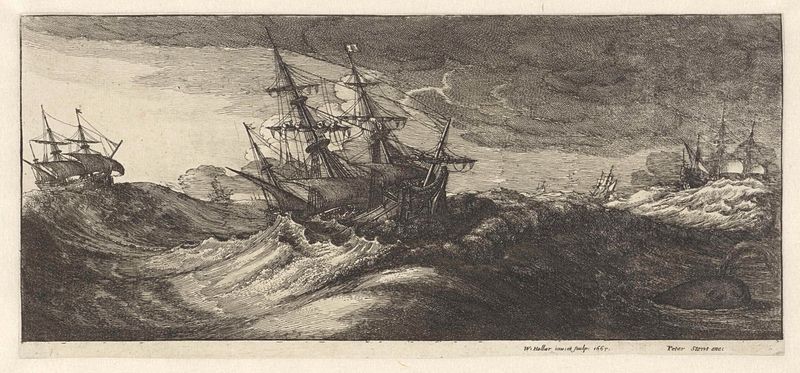
Oorlogsschepen en een walvis in een zeestorm
Wenceslaus Hollar
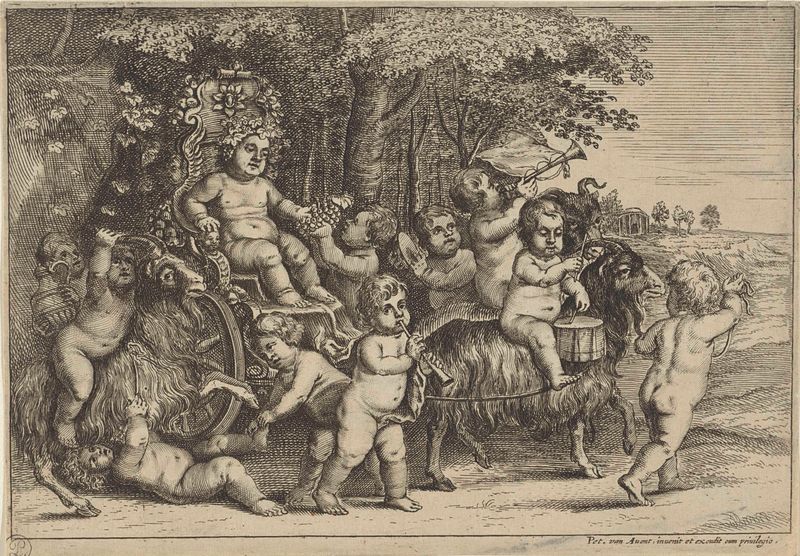
Optocht van bacchant en jongetjes op geiten
Wenceslaus Hollar
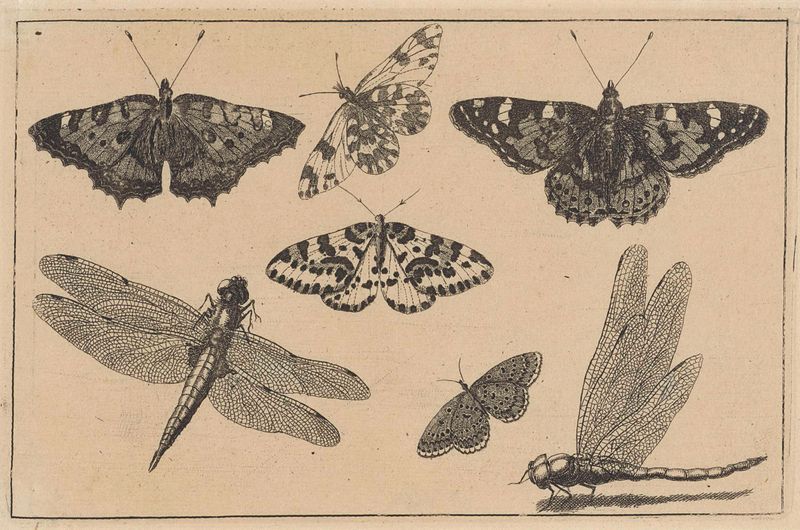
Twee libellen en vijf vlinders
Wenceslaus Hollar
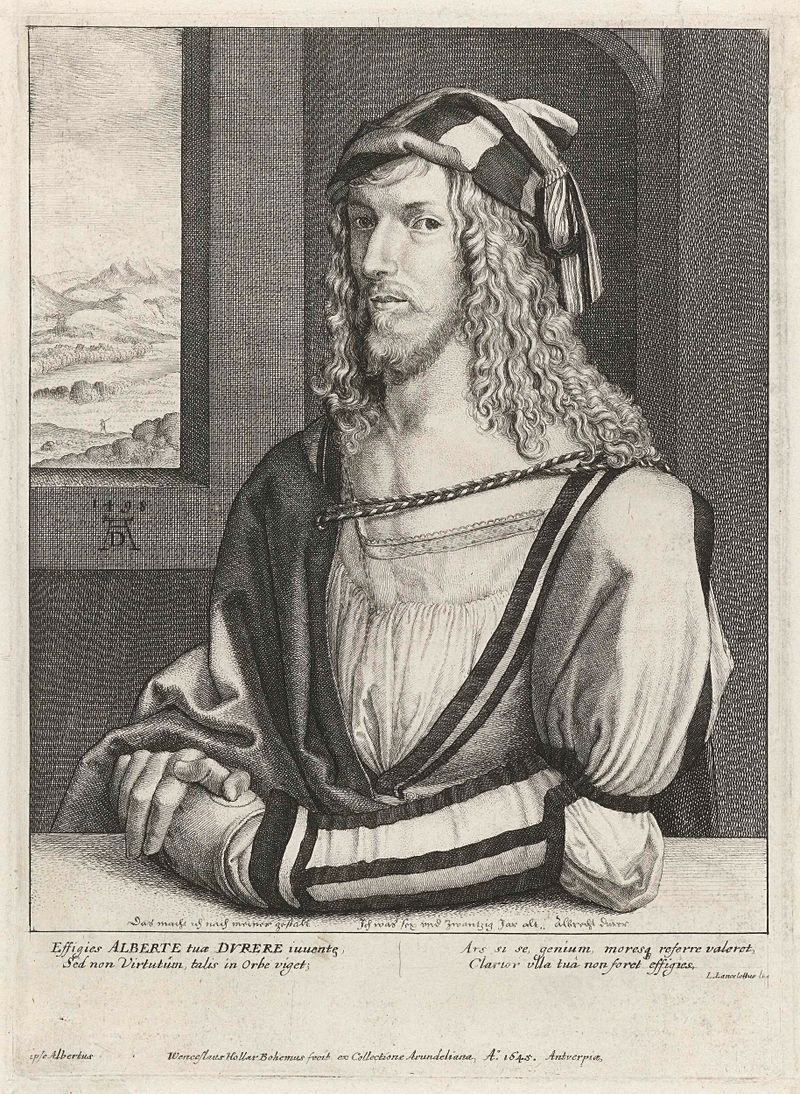
Portret van Albrecht Dürer
Wenceslaus Hollar
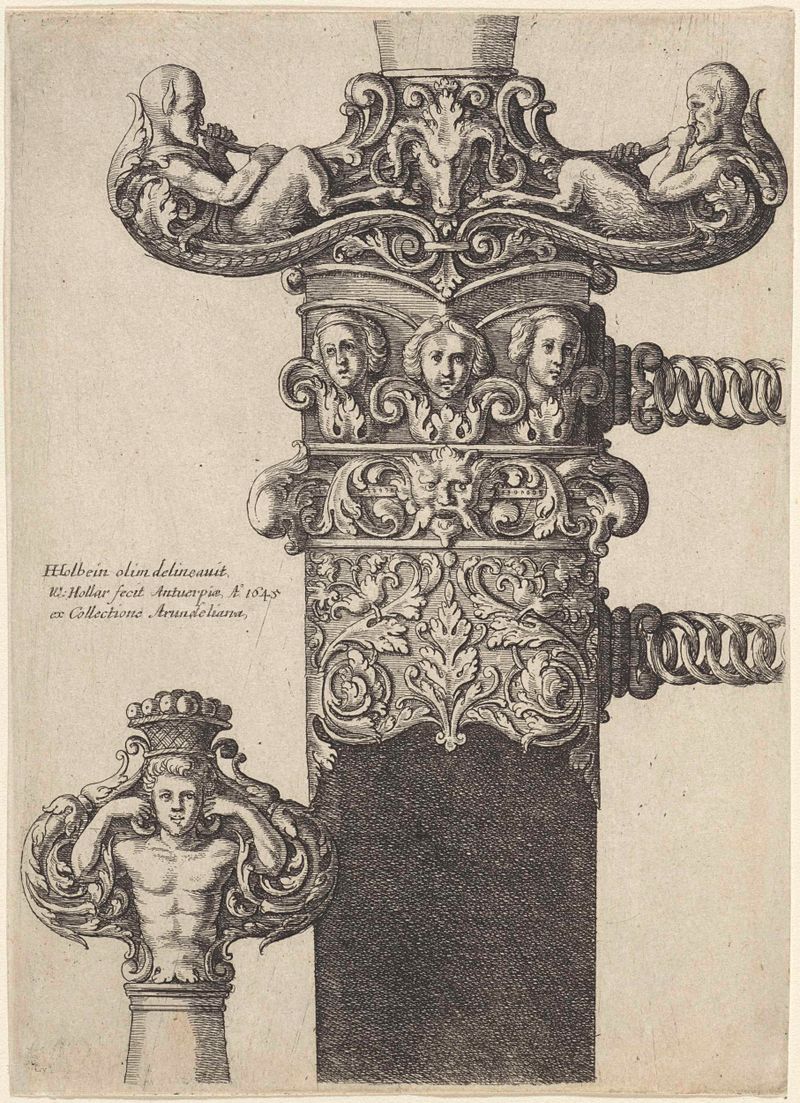
Ornamenteel ontwerp voor een dolk
Wenceslaus Hollar
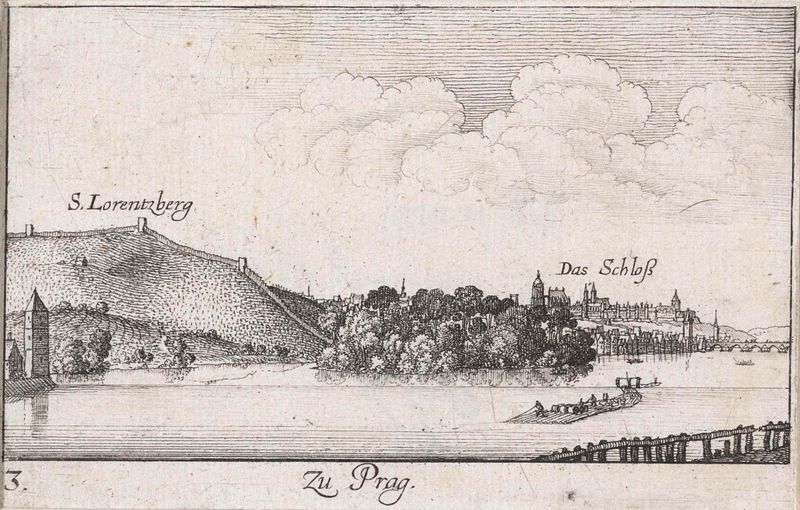
Gezicht op Praag vanaf de Moldau
Wenceslaus Hollar





