Green, blue and purple — História e Análise
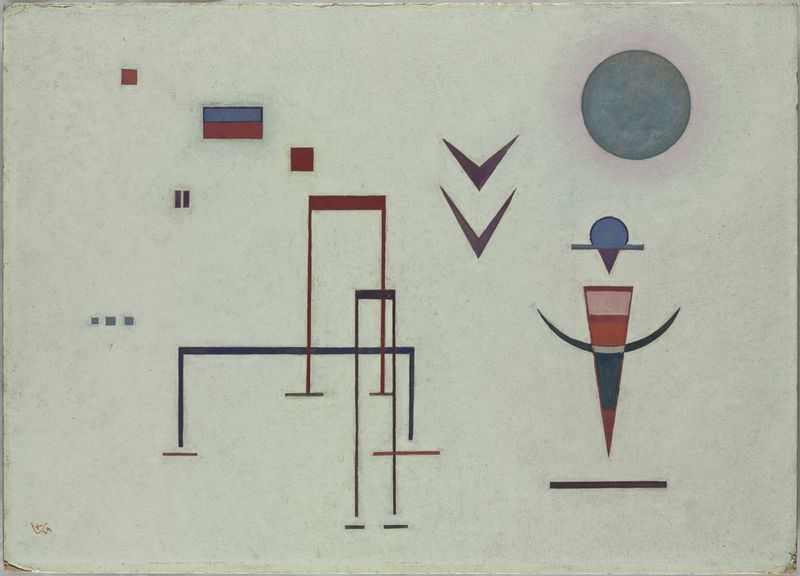
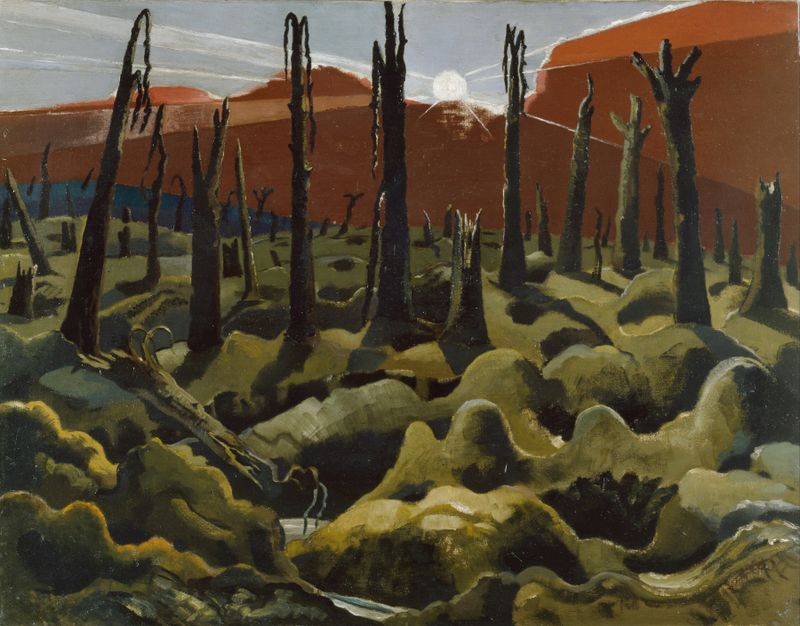
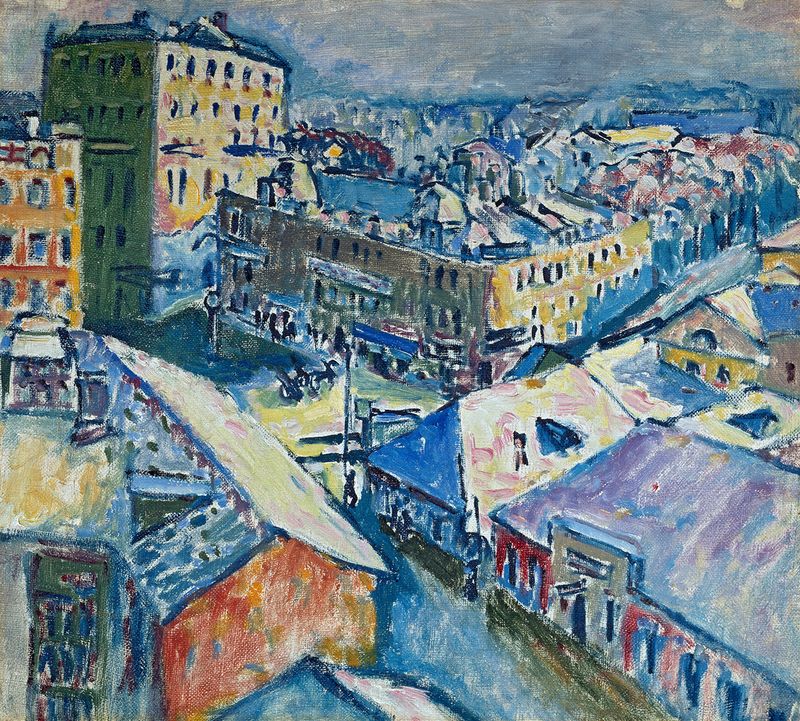
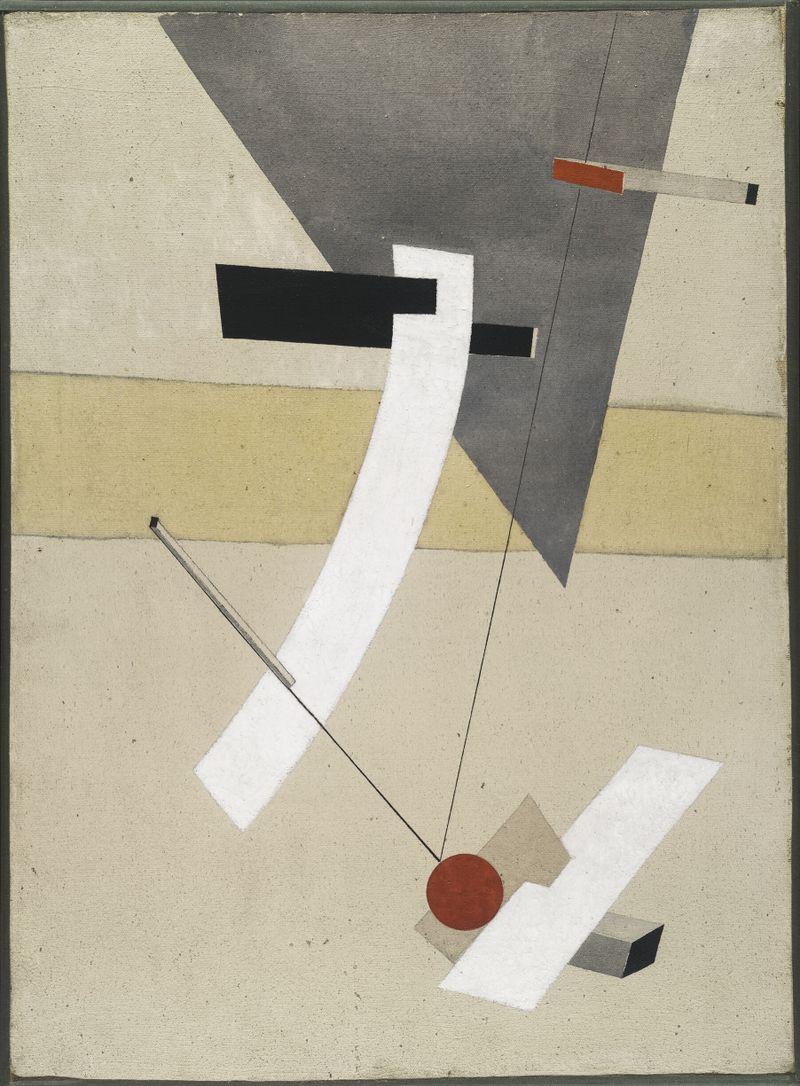
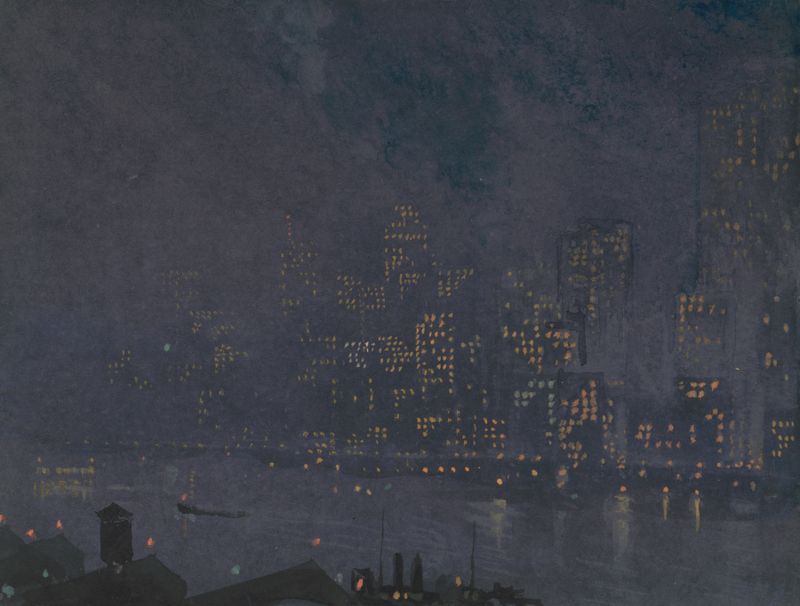
When did color learn to lie? One glance at this piece reveals a fragility that transcends mere pigment, beckoning an exploration of the hidden truths beneath vibrant hues. Focus your eyes on the interplay of color across the canvas, where shades of green, blue, and purple intertwine in a delicate dance. Notice how the fluid brushstrokes create a sense of movement, inviting a closer inspection of the layers. The varied applications of paint suggest both the chaos of nature and the artist's intention, while the light breathes life into the composition, casting shadows that reveal its depth and complexity. Beneath the surface lies an emotional tension, an interplay between the vibrant and the muted.
The rich colors evoke a sense of the ephemeral—beauty that is simultaneously captivating and fleeting. This duality speaks to the fragility of existence; the colors, while bold, hint at vulnerability, suggesting that what thrills the eye may also obscure deeper truths. The balance of vibrancy and tenderness masterfully captures the essence of life’s transient moments. In 1880, Joseph Pennell was deeply engaged in the exploration of modern techniques, reflecting the artistic shifts of the era.
Living in London, he was influenced by the Impressionist movement, experimenting with color and light in innovative ways. This period marked a significant evolution in his work, as he sought to bridge the traditional with the newly emerging styles, pushing the boundaries of artistic expression.
Mais obras de Joseph Pennell
Ver tudo →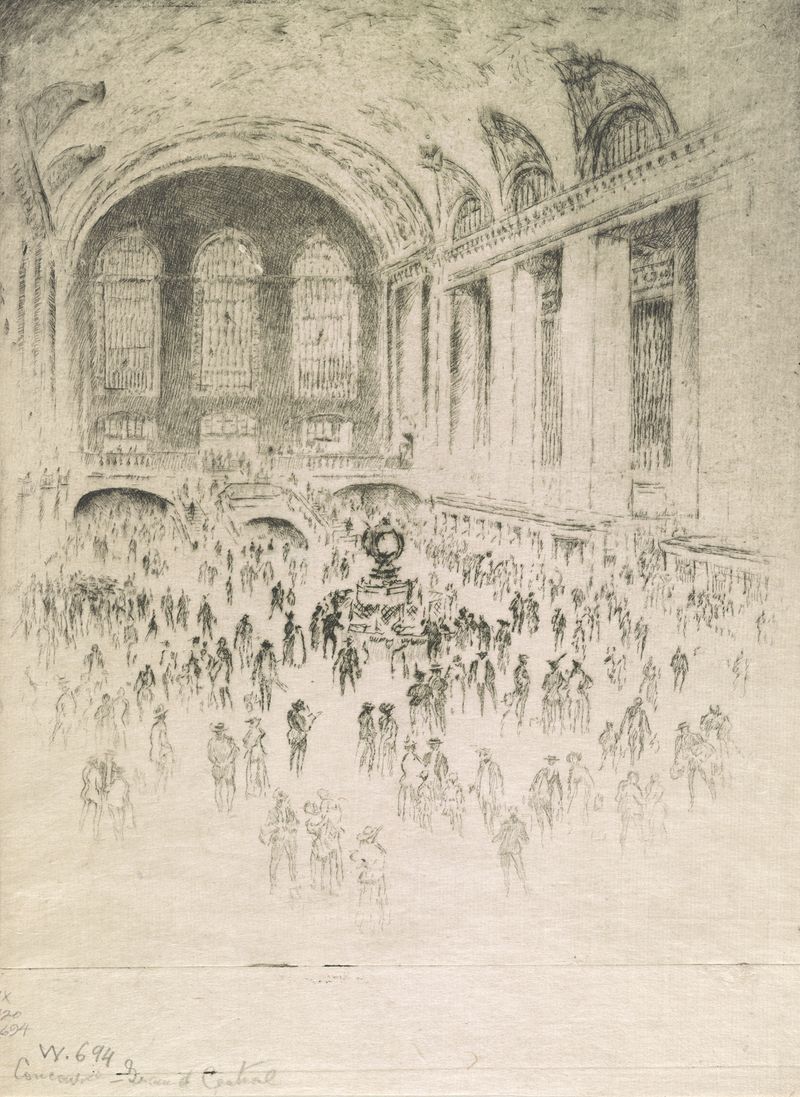
Concourse, Grand Central
Joseph Pennell
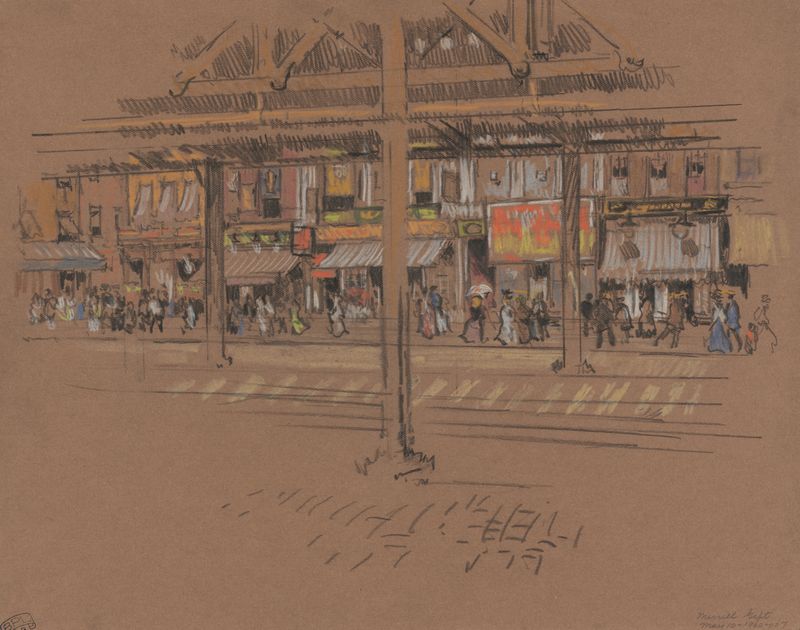
Sixth Avenue
Joseph Pennell
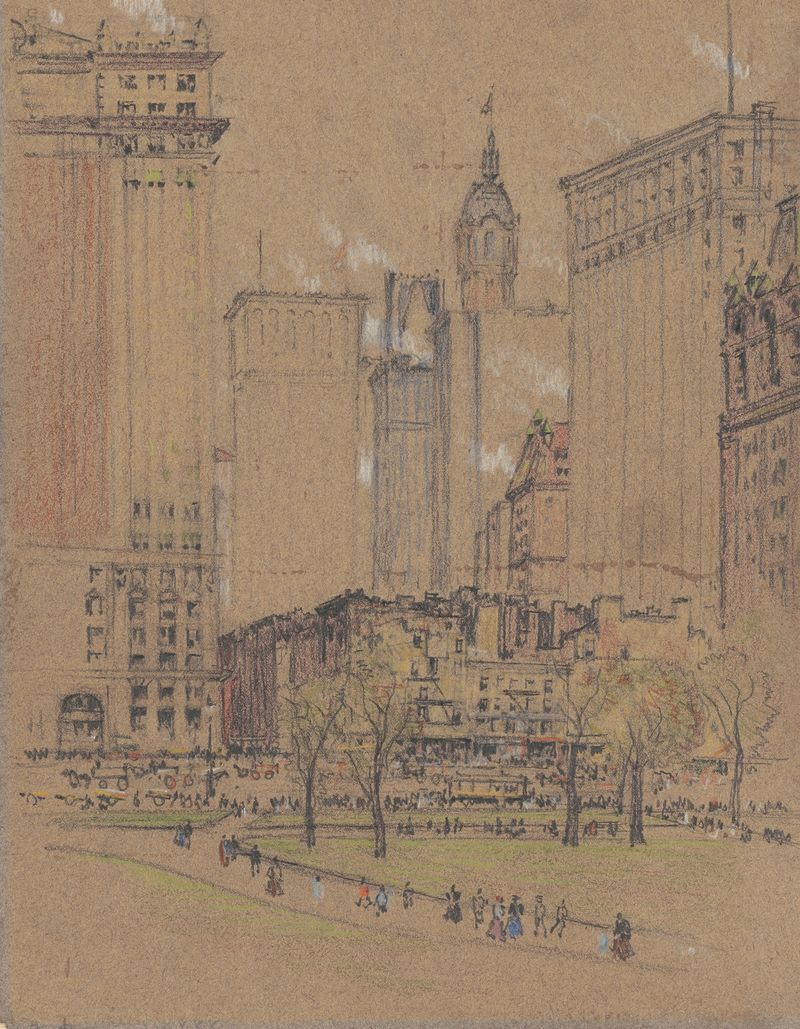
New York,the Old and the New
Joseph Pennell
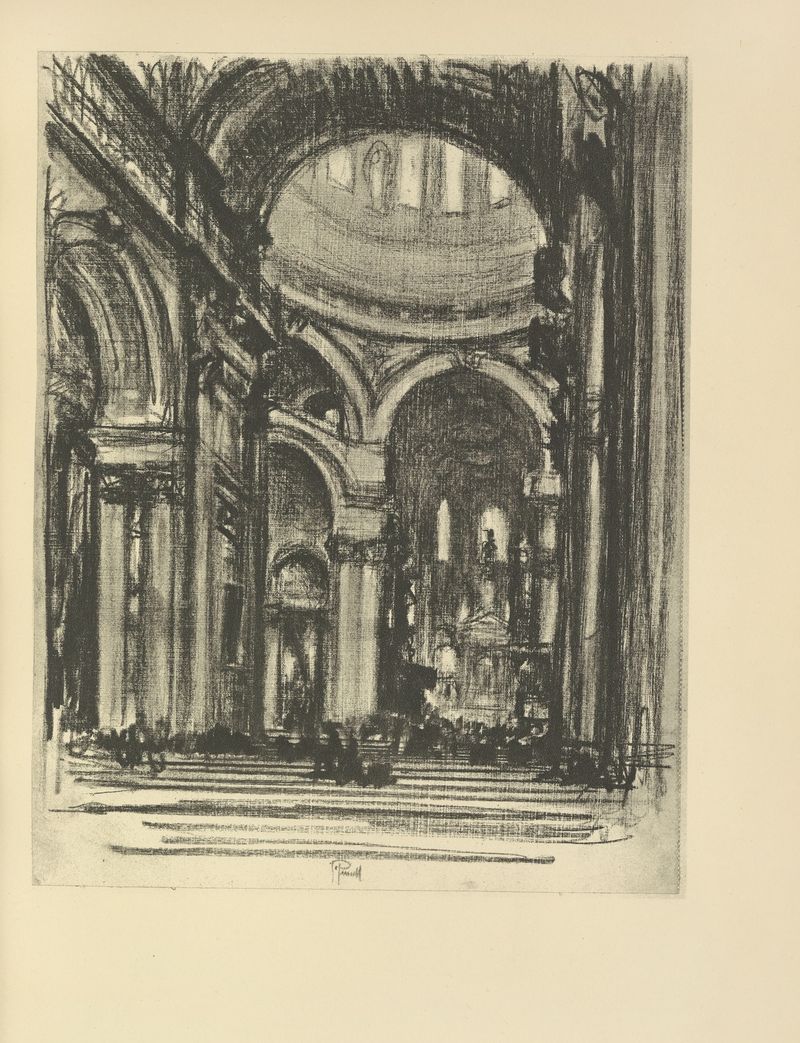
St. Paul’s, The Nave
Joseph Pennell
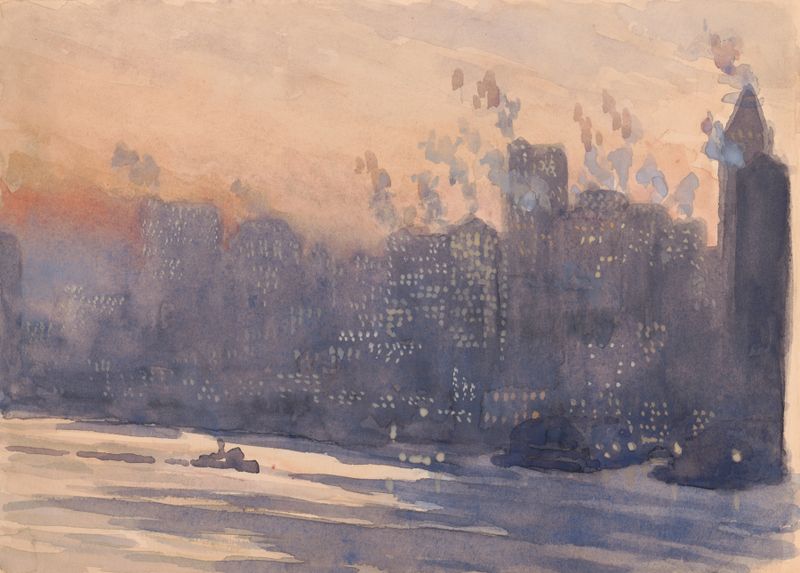
New York City harbor and skyline at night
Joseph Pennell
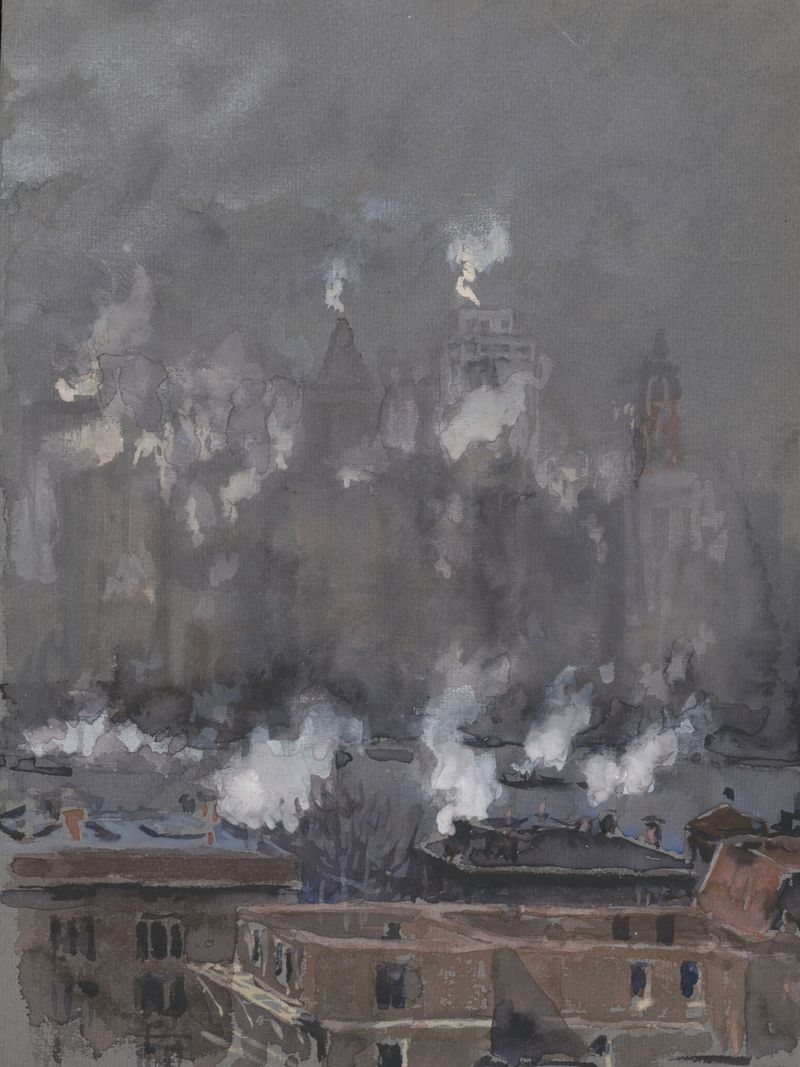
Smoke and fog on gray day, New York City
Joseph Pennell
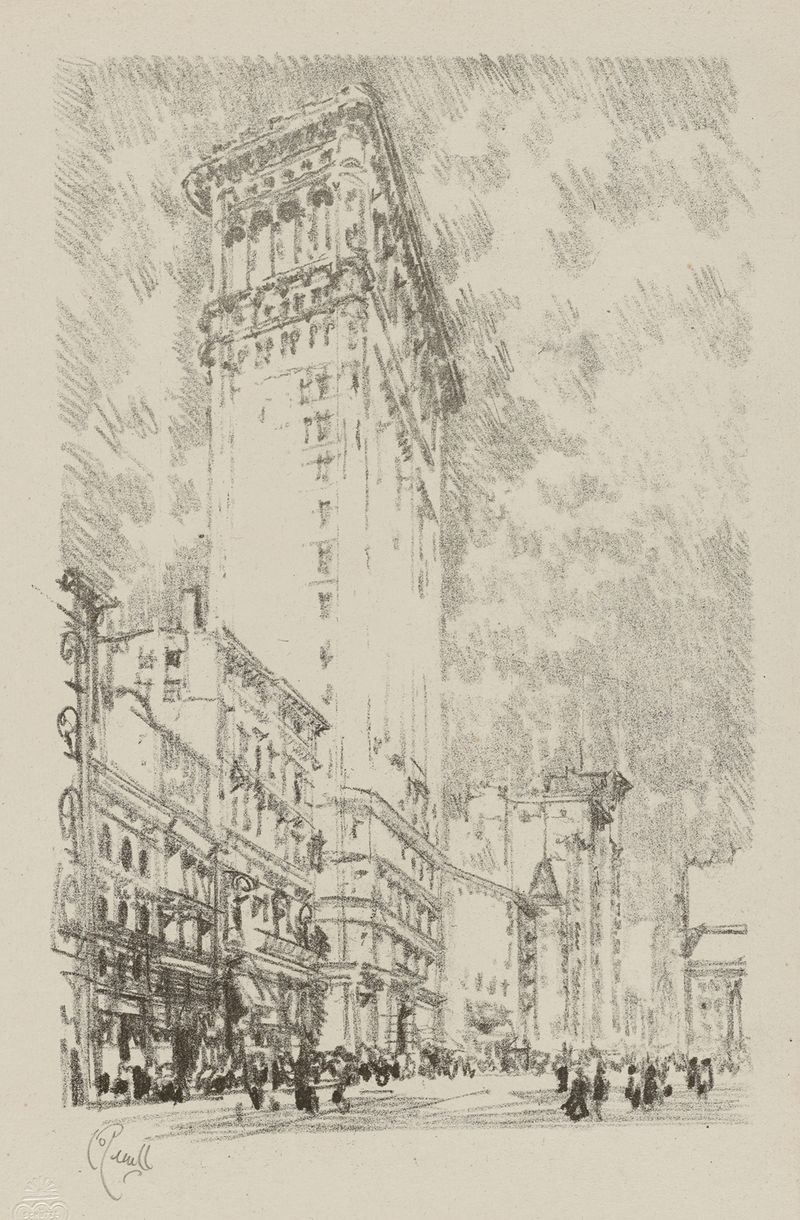
The Flat Iron
Joseph Pennell
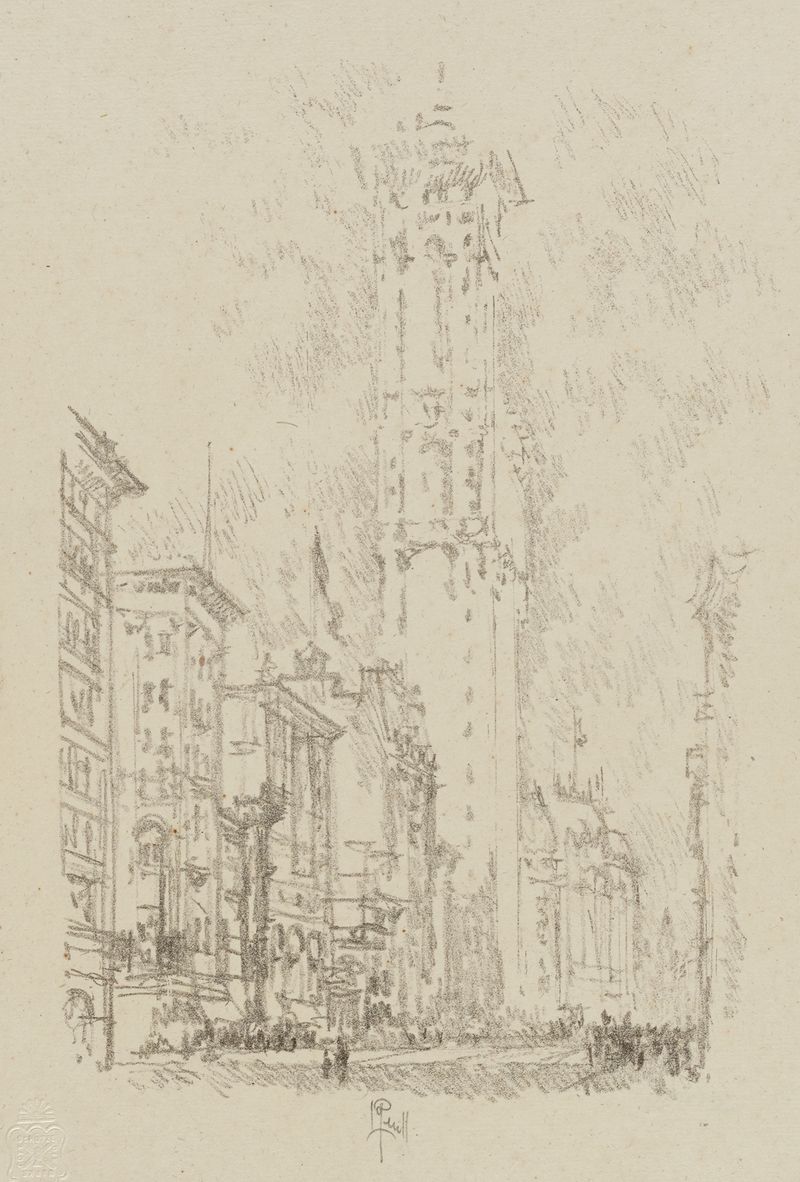
The Times Building
Joseph Pennell
Skyscrapers at night
Joseph Pennell

St. James’ Park
Joseph Pennell