
Grey Spring Day — História e Análise
Could a single brushstroke hold eternity? This question lingers in the air like the muted colors of a landscape that speaks of longing and introspection. Look to the gentle gray palette enveloping the canvas, where the hues merge seamlessly, evoking the quietude of an overcast day. The soft strokes create an atmosphere thick with emotion, guiding your gaze to the horizon where an ethereal light breaks through the clouds, illuminating the distant trees. Notice the delicate brushwork that defines the subtle forms, giving life to nature while maintaining an almost dream-like quality, as if time itself has slowed in reverence to the scene. In this tranquil composition, contrasts emerge: the stillness of the landscape juxtaposed with a sense of yearning that pervades the air.
Each detail, from the somber clouds to the tender suggestion of green below, hints at a deeper obsession with the fleeting nature of beauty and the passage of time. The light breaking through becomes a metaphor for hope, a reminder that even on the grayest of days, the promise of warmth and vibrancy lingers just beyond reach. In 1903, during the height of Poland’s artistic awakening, Jan Stanisławski created Grey Spring Day in response to the burgeoning Symbolist movement. Experiencing both personal and artistic growth, he sought to capture the essence of his surroundings, reflecting broader themes of introspection and emotional depth while navigating the complexities of identity in the early 20th-century European art scene.
Mais obras de Jan Stanisławski
Ver tudo →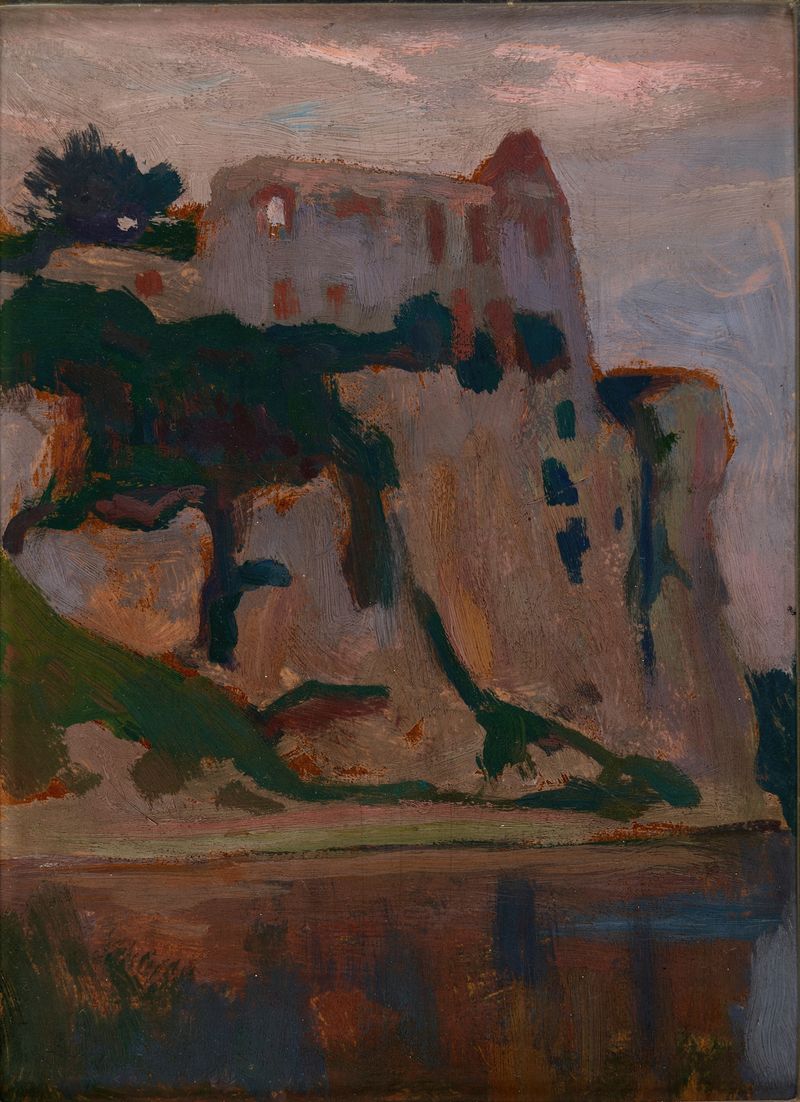
Tyniec at Dawn
Jan Stanisławski
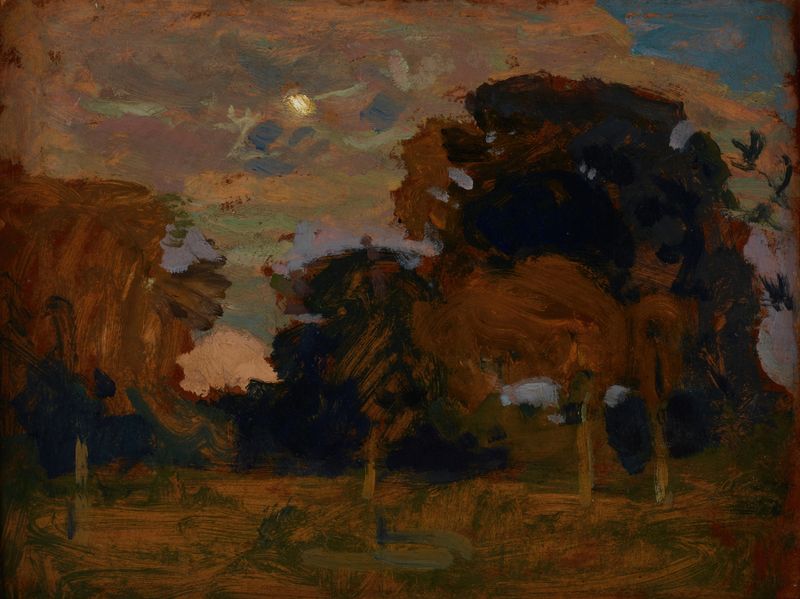
Moon in the Clouds
Jan Stanisławski
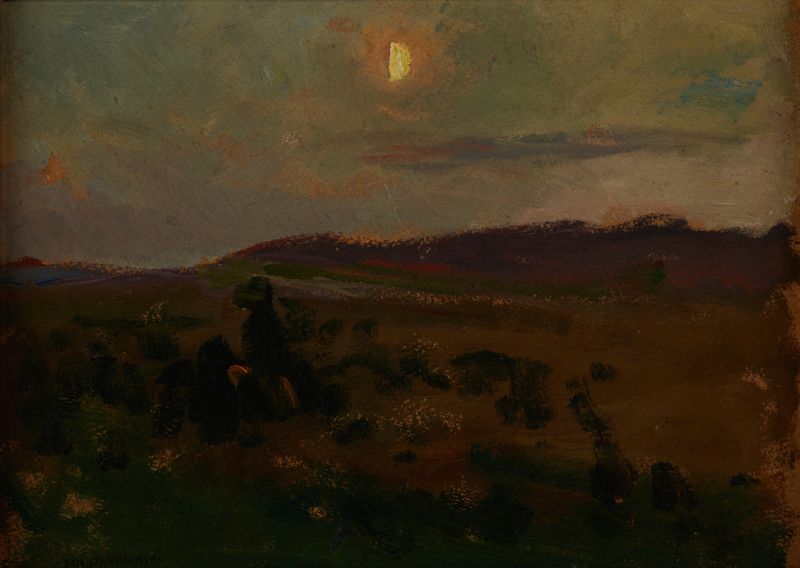
Moonrise
Jan Stanisławski
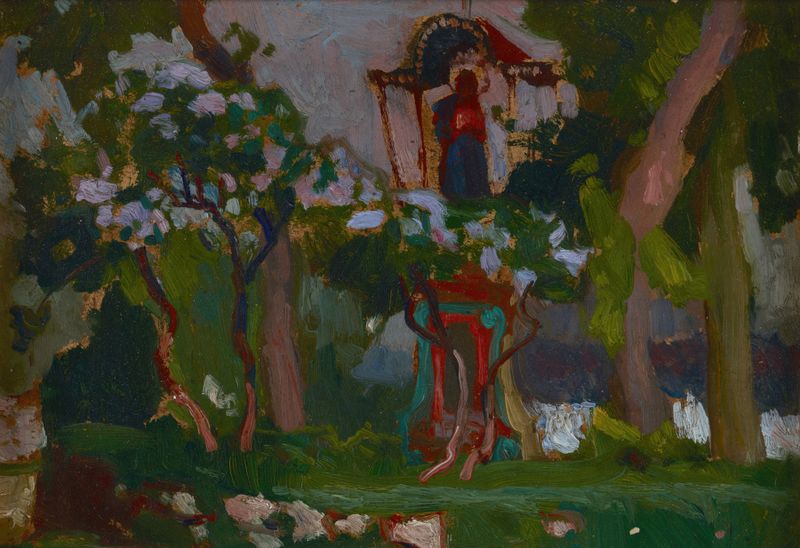
May
Jan Stanisławski
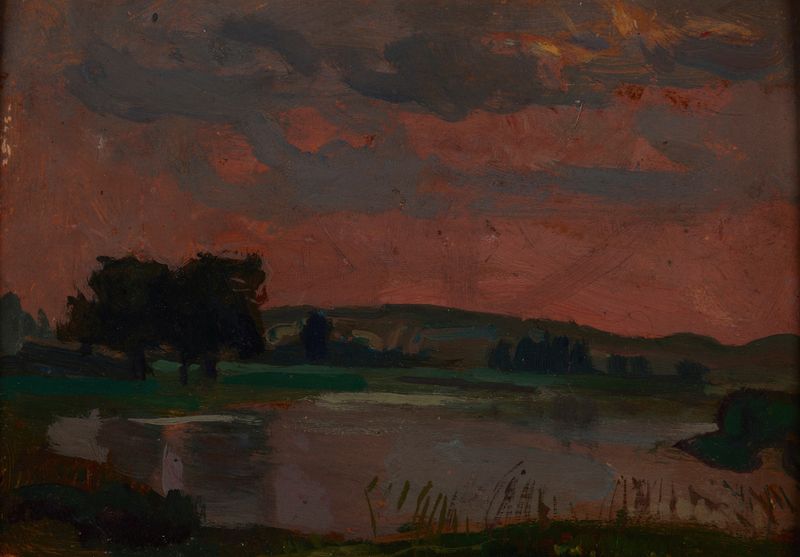
The Vistula in the Twilight
Jan Stanisławski
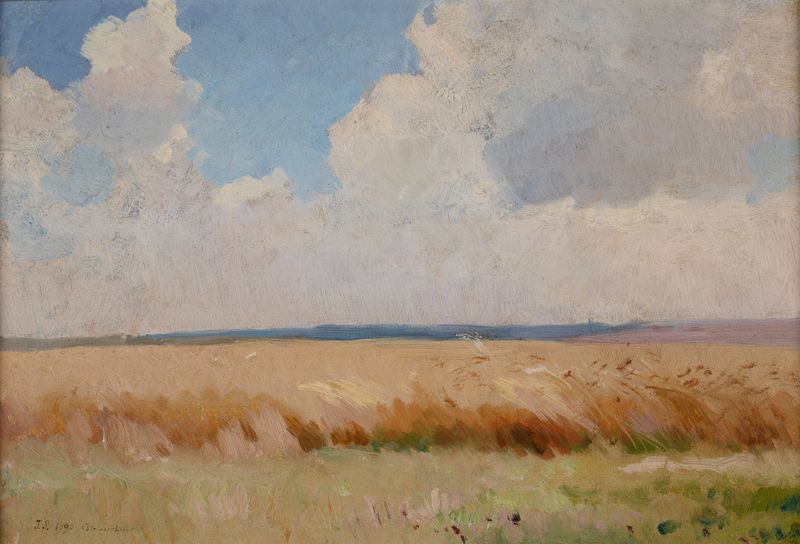
Field at Białocerkiew (Bila Tserkva)
Jan Stanisławski
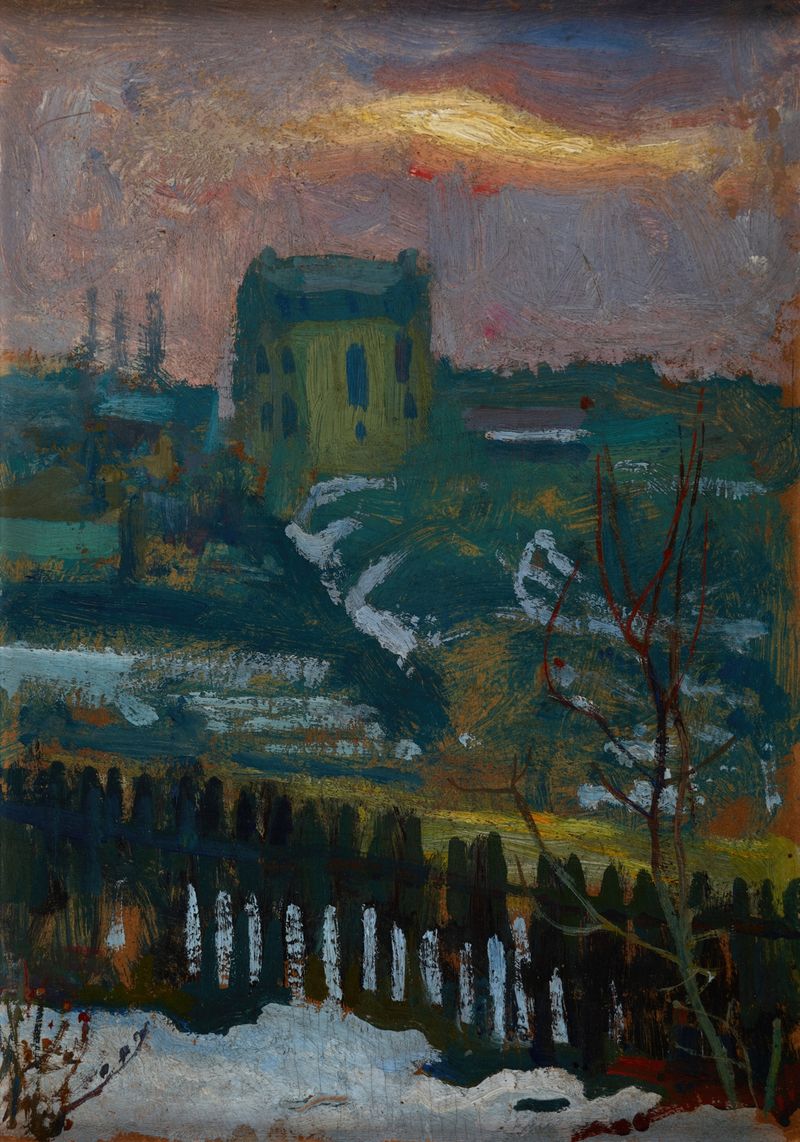
House in Winter
Jan Stanisławski
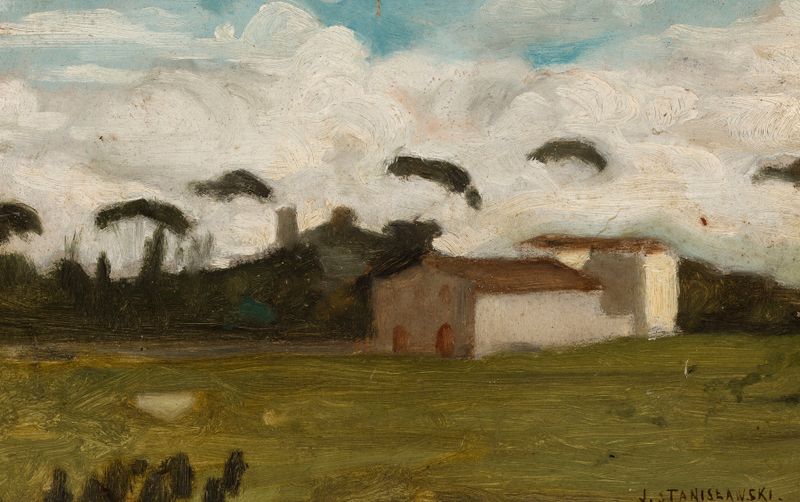
Landscape
Jan Stanisławski
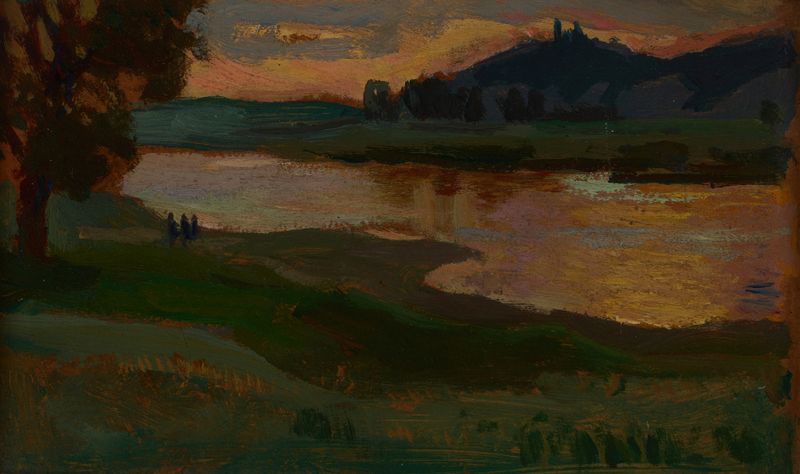
Bielany at Dusk
Jan Stanisławski
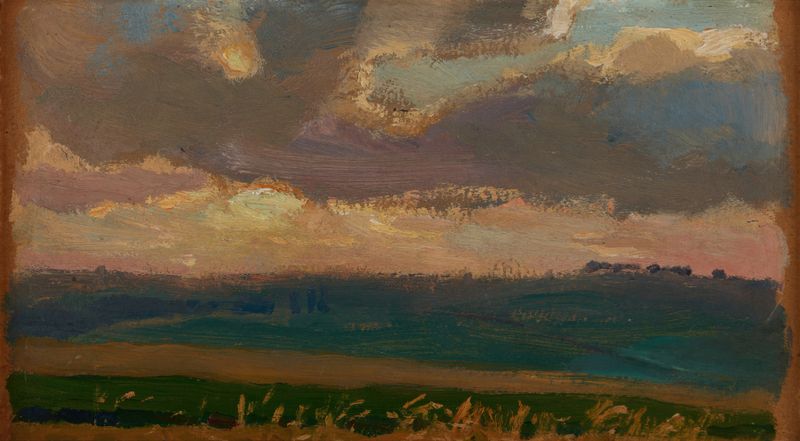
Fields at Proszowice
Jan Stanisławski





