
Grim Spain — História e Análise
In a world shrouded by despair, hope flickers quietly, waiting for its moment to shine through the darkness. Look to the lower half of the canvas, where somber greys and muted earth tones dominate the scene, creating a visceral heaviness. The jagged lines of the barren landscape seem to echo the emotions of those who traverse it, while in stark contrast, a subtle light radiates from the horizon, suggesting the dawn of something new. The brushstrokes are deliberate yet soft, imbuing the scene with a sense of stillness that invites contemplative reflection. This tension between the desolation and the faint glimmer of light embodies the dichotomy of struggle and potential.
The starkness of the foreground speaks not only to the harshness of the environment but also to the resilience of the human spirit, with each shadow carrying the weight of unspoken stories. The interplay of dark and light serves as a reminder that even in the bleakest moments, hope can be found, whispering beneath the surface. Created in 1877, this piece marks a pivotal time for Haden, who was deeply influenced by the social and political upheavals of his day. Working in London during the late Victorian era, he sought to articulate the complexities of his experiences and observations, capturing the essence of a world in transformation.
The exploration of such themes in his work contributed to the broader narrative of art during this period, where empathy for the human condition began to emerge as a central concern.
Mais obras de Francis Seymour Haden
Ver tudo →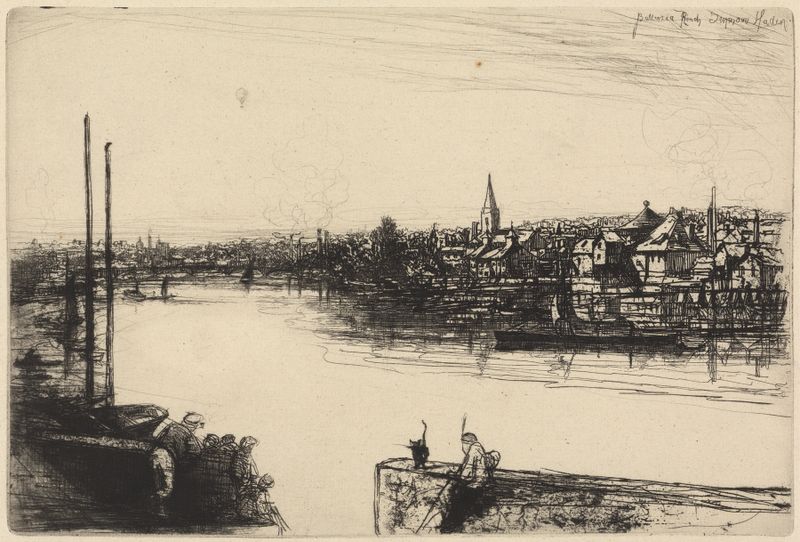
Battersea Reach
Francis Seymour Haden

Nine Barrow Down
Francis Seymour Haden
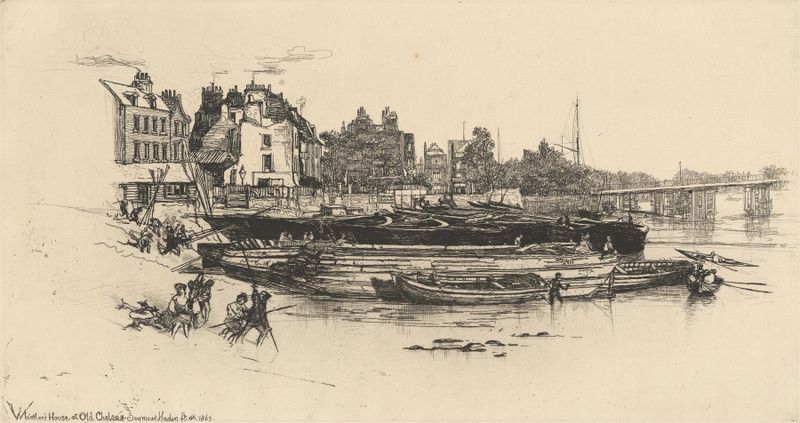
Whistler’s House at Old Chelsea
Francis Seymour Haden

The Mill-Wheel
Francis Seymour Haden
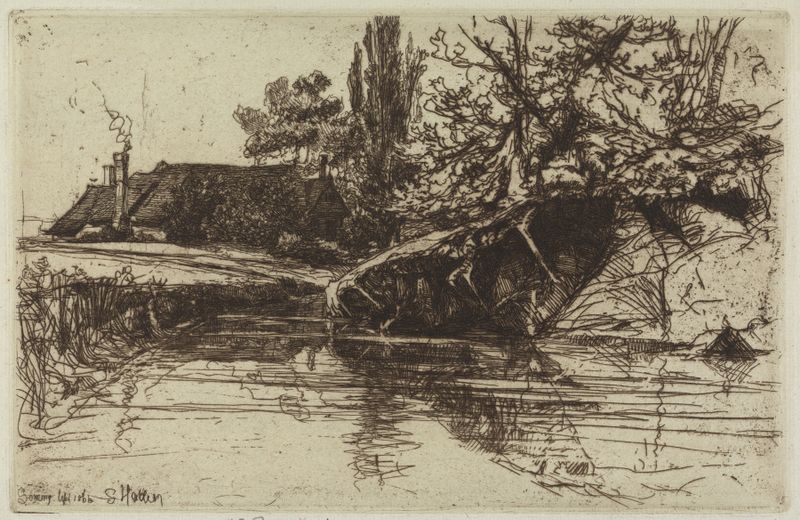
The Moat House
Francis Seymour Haden

By Twickenham
Francis Seymour Haden

Newcastle Emlyn
Francis Seymour Haden
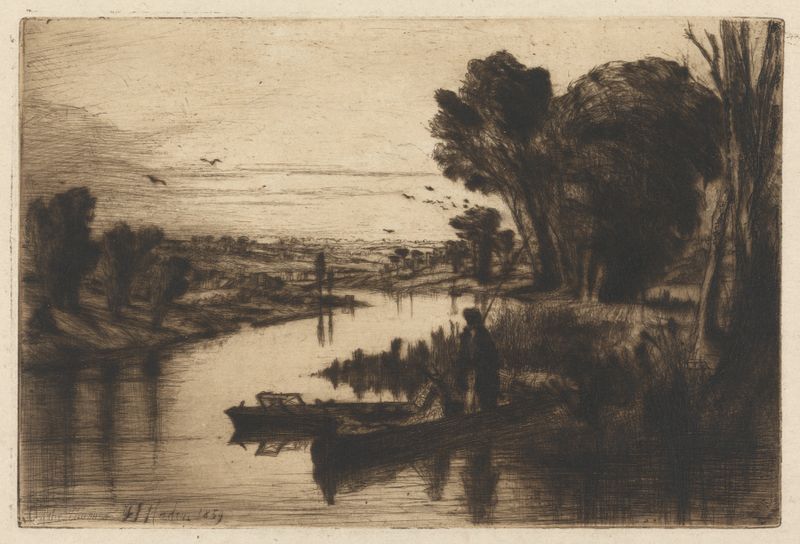
On the Thames
Francis Seymour Haden

Kidwelly Castle
Francis Seymour Haden
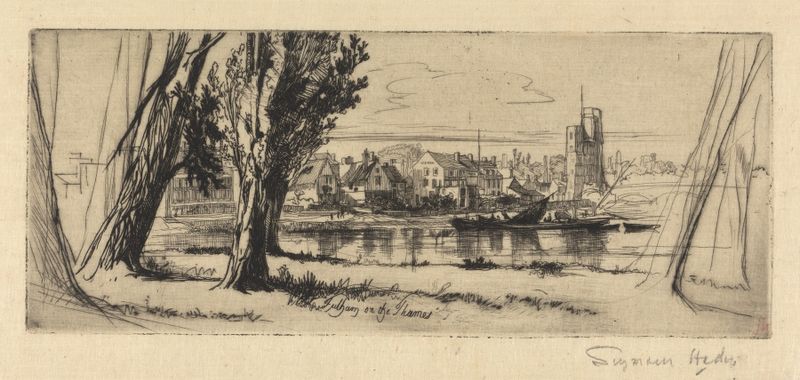
Fulham on the Thames
Francis Seymour Haden





