Groep van 21 tegels horend bij de schoorsteen afkomstig uit het gebouw van de West-Indische Compagnie — História e Análise
Could beauty survive in a century of chaos? This question echoes through the intricate designs of a ceramic masterpiece, its tiles whispering stories of resilience and artistry amidst tumultuous times. Look closely at the tiles’ surfaces, where detailed motifs entwine with vivid colors, creating a tapestry of life. The patterns, rich in blue and white, draw your gaze first; each tile presents a unique scene, inviting exploration. Notice how the delicate brushwork captures movement and sentiment, turning mundane objects into vessels of emotion and history.
The composition is not merely decorative; it tells of a proud legacy, anchoring the viewer to a moment long past. Yet beneath this ornamental facade lies a narrative steeped in tension. Each tile serves as a fragment of a collective memory, reflecting the ambitions and struggles of the Dutch Golden Age. The juxtaposition of serene imagery against the backdrop of colonial enterprise invites contemplation on the cost of beauty and the chaos of expansion.
As you examine the subtle imperfections in the glaze, consider how these flaws echo the human experience, revealing the fragility of all that we create. Crafted between 1650 and 1675, this work emerged during a pivotal era for the artist, whose identity remains shrouded in mystery. The West India Company was at its peak, and the blossoming of trade created a demand for decorative arts that celebrated both wealth and heritage. In a world marked by exploration and exploitation, these tiles stand as a testament to the enduring spirit of creativity, transcending the chaos of their time.
Mais obras de Unknown Artist
Ver tudo →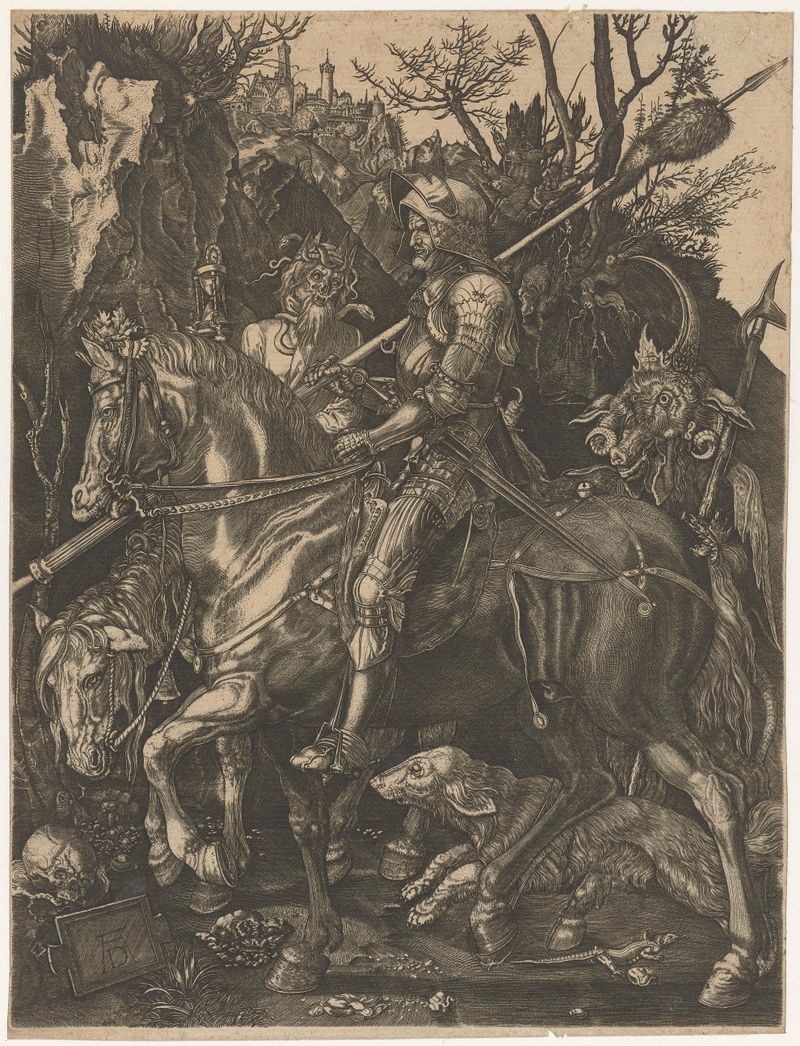
Ridder, Dood en Duivel
Unknown Artist
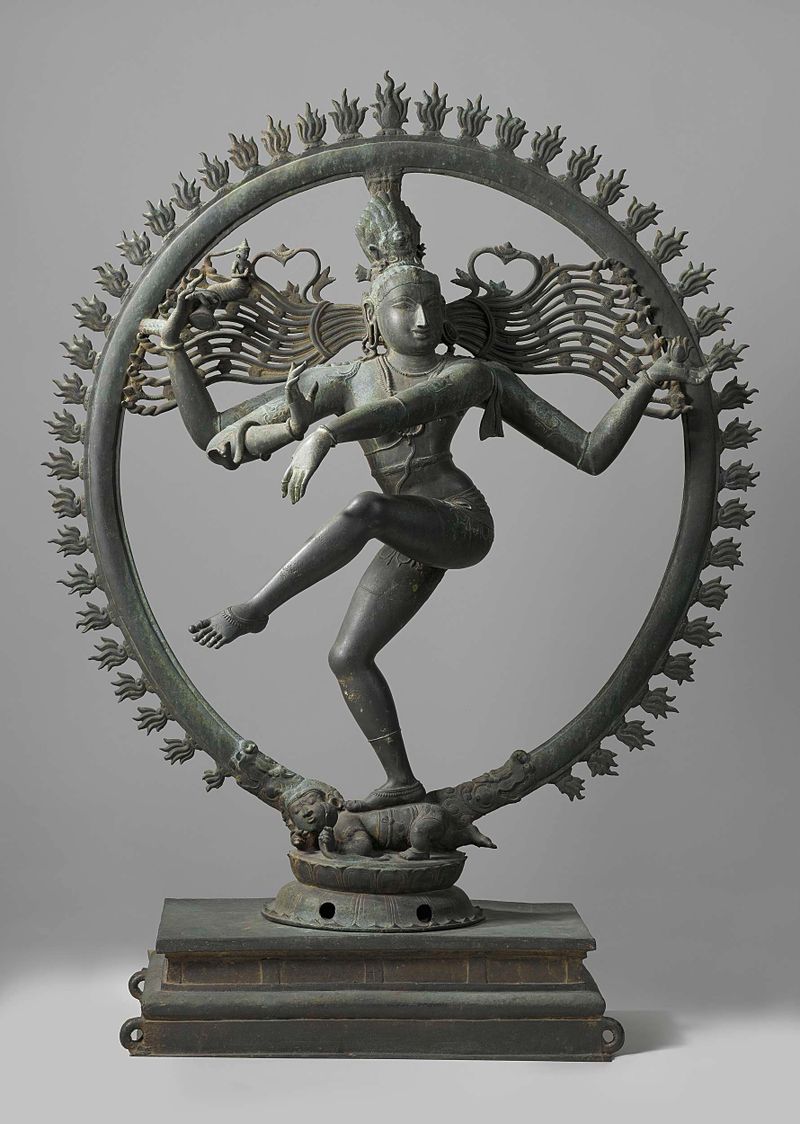
Shiva Nataraja
Unknown Artist
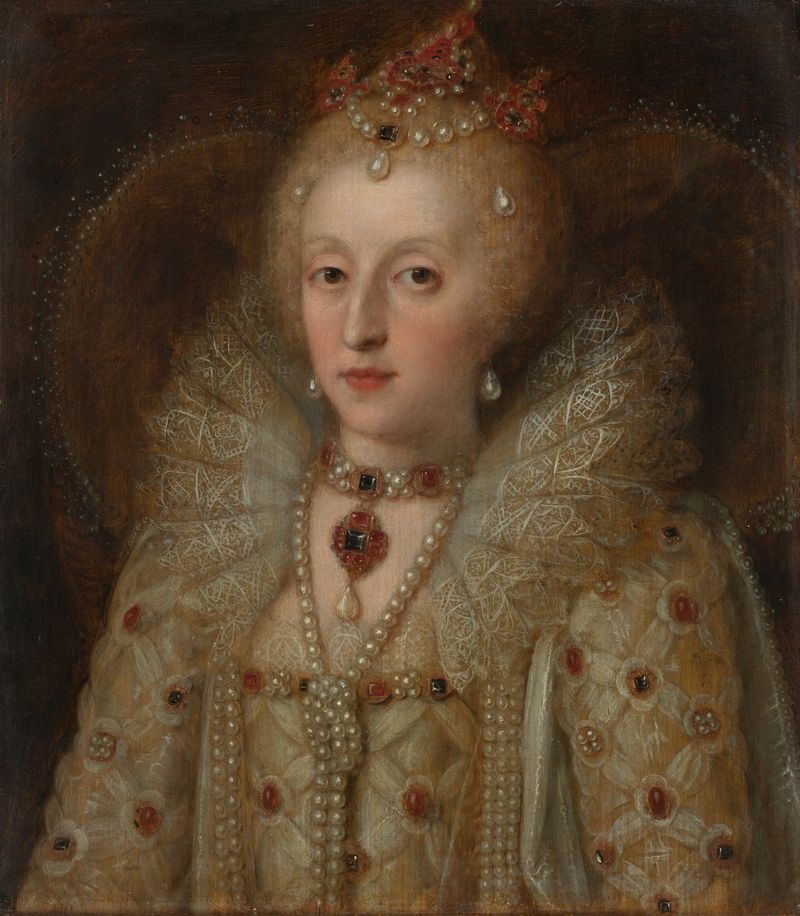
Portrait of Elizabeth I, Queen of England
Unknown Artist
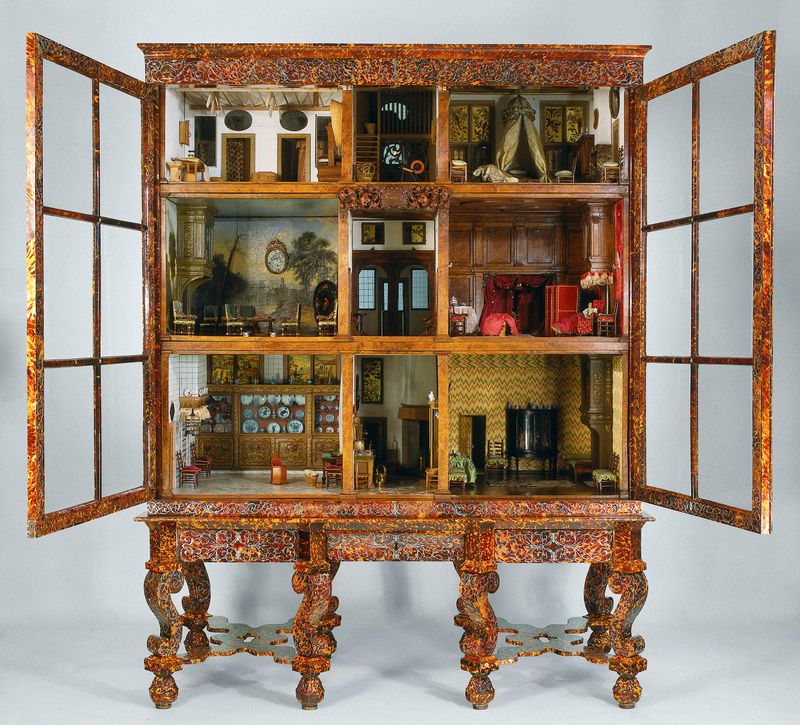
Dolls’ house of Petronella Oortman
Unknown Artist
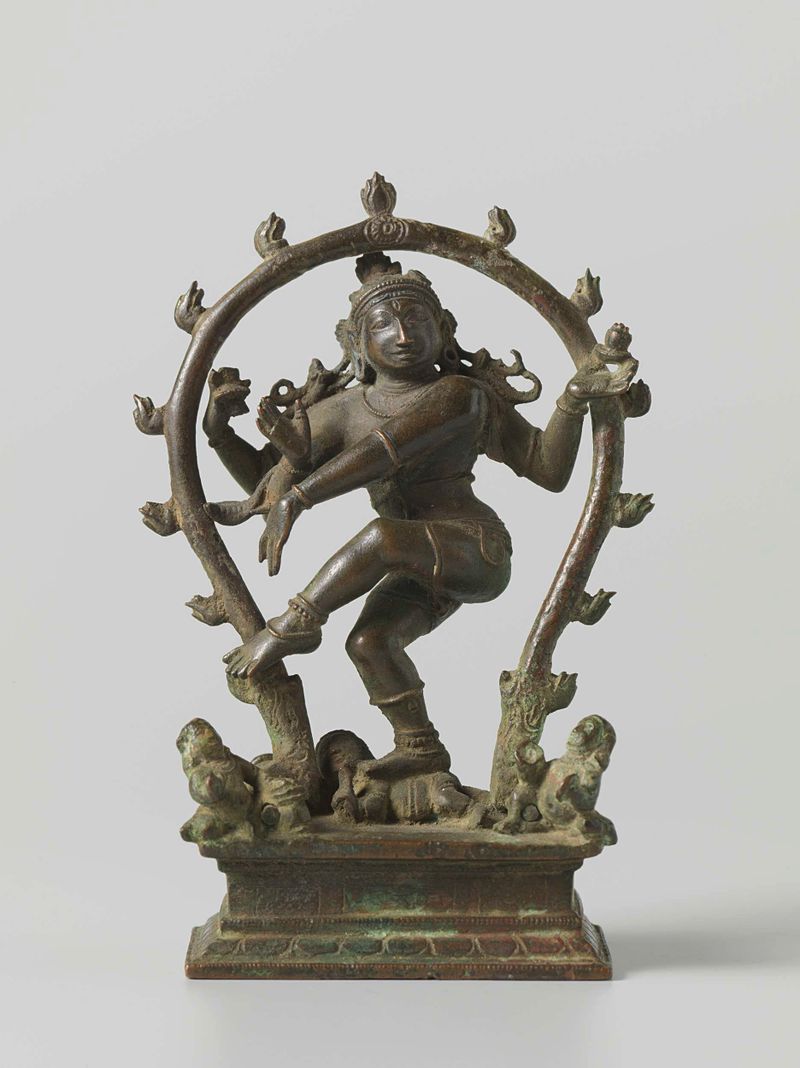
Shiva Nataraja
Unknown Artist

The Tale of Genji
Unknown Artist

The Tale of Genji
Unknown Artist
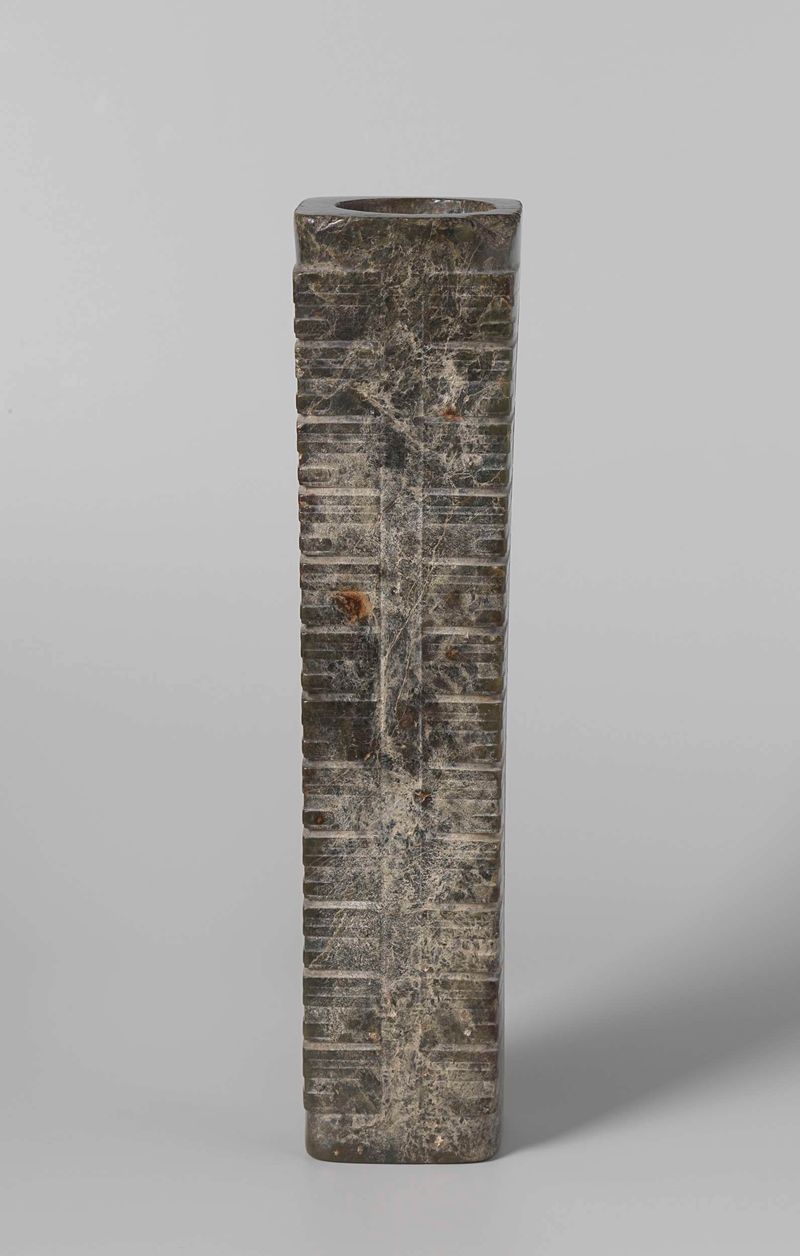
Cong
Unknown Artist
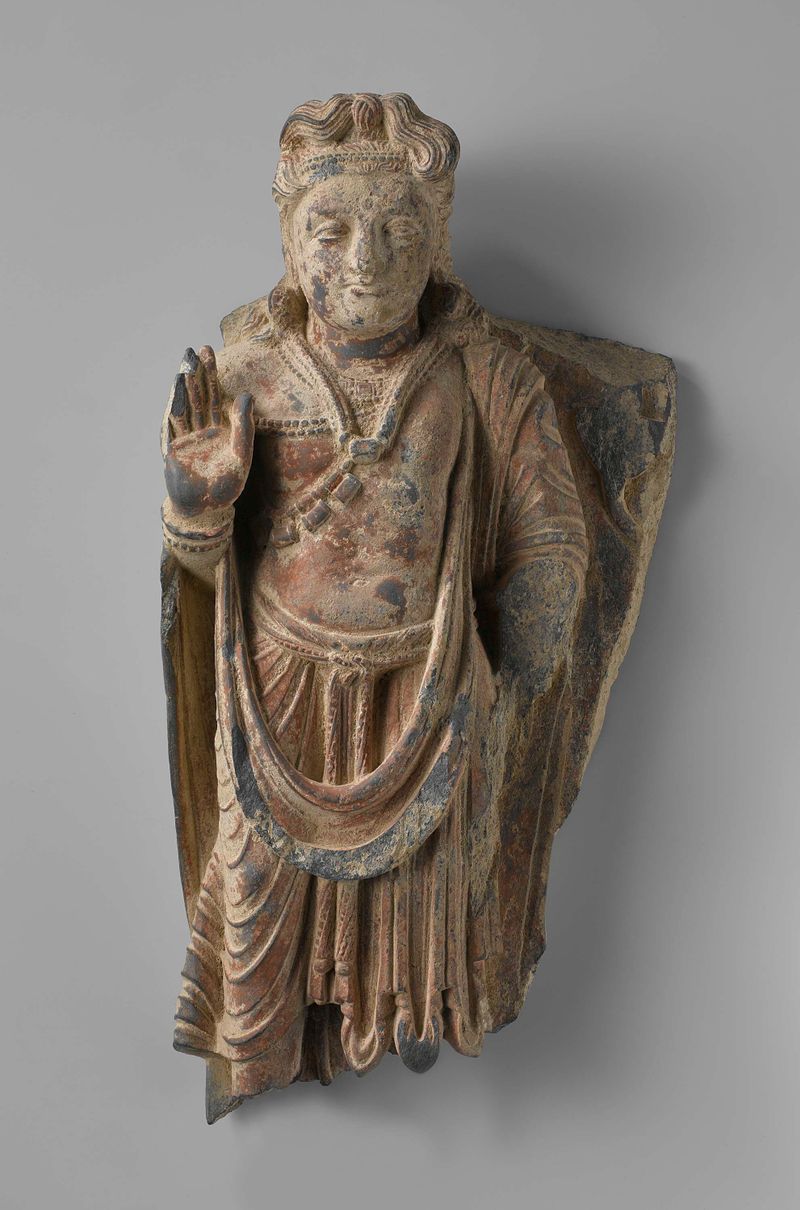
The bodhisattva Maitreya
Unknown Artist
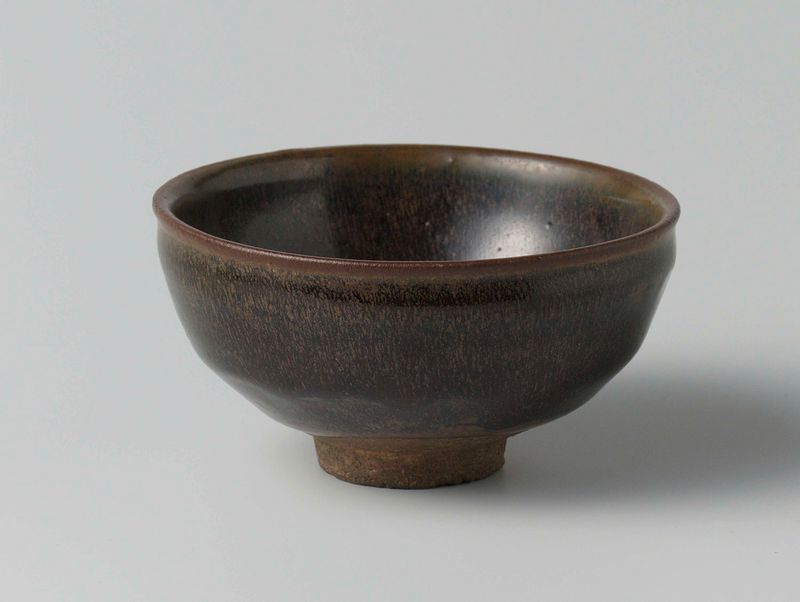
Teabowl with a 'hare's fur' glaze
Unknown Artist