Herbstlandschaft — História e Análise
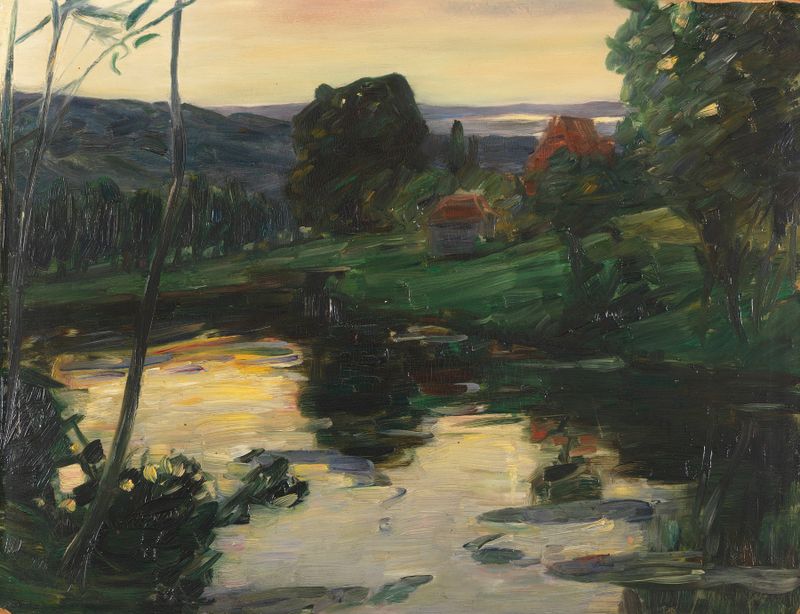
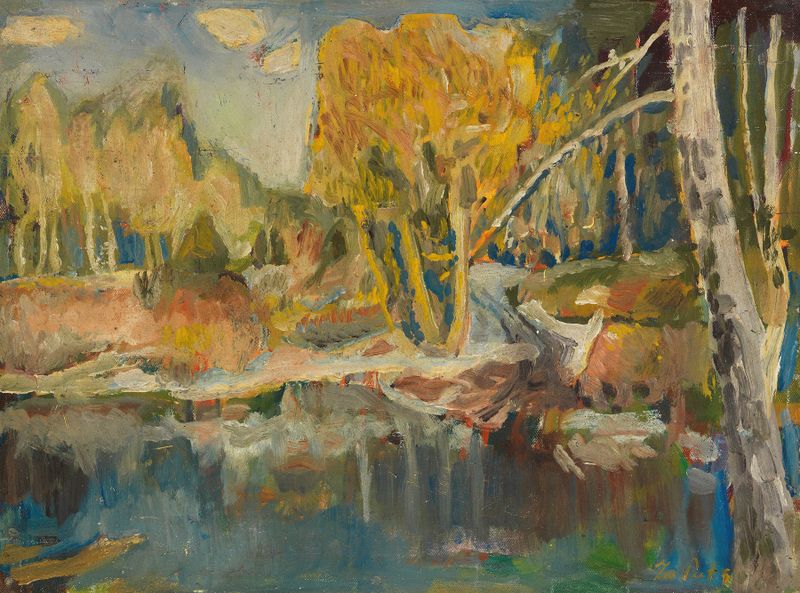
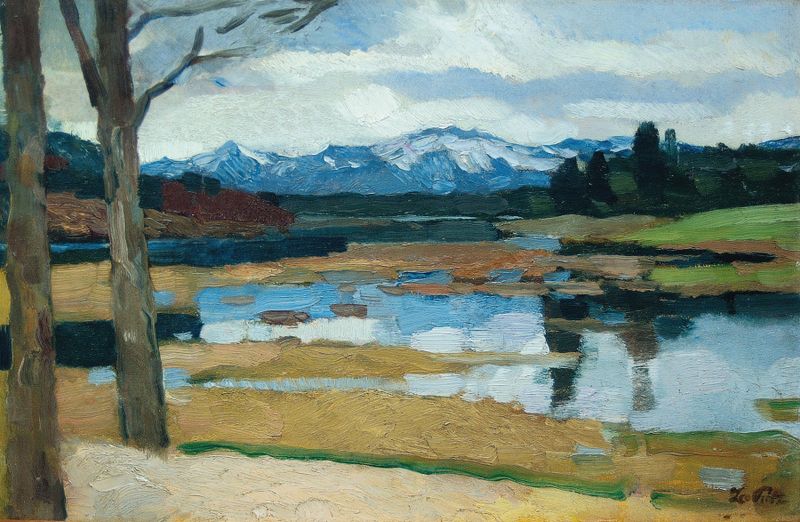
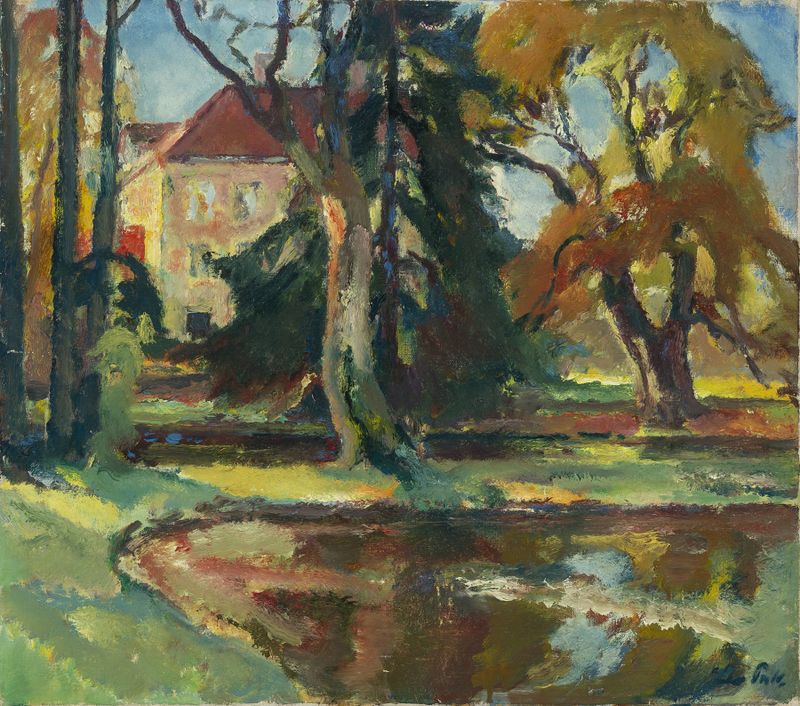
Can beauty exist without sorrow? In the serene embrace of nature, the layers of color and form resonate with the fragile essence of life itself. Look to the left at the vibrant tapestry of autumn leaves, where fiery reds and mellow yellows dance together, illuminated by a gentle, fading light. The rolling hills in the background provide a soft contrast, their muted greens and browns grounding the scene while evoking a sense of tranquility. Notice how the brushstrokes, both loose and deliberate, weave a narrative of transience, inviting the viewer into a fleeting moment suspended in time. Delve deeper into the emotional undercurrents of this landscape.
The vibrant palette exudes warmth, yet there’s an undeniable chill in the air, hinting at the inevitable passage of time. The juxtaposition of the lush foliage against the somber sky suggests an intimacy with mortality, a reminder that beauty often exists in the shadow of decay. Each leaf, poised in its autumnal glory, echoes the transient nature of life's joys, compelling us to reflect on what we hold dear. In 1902, the artist found himself in a period of exploration within the realm of modern art.
Working in Germany, he was influenced by the burgeoning movement that sought to capture the essence of nature with a personal touch. This painting reflects both the tranquility of his surroundings and the underlying complexities of existence, as Putz grappled with the balance of beauty and sorrow that pervades our lives.