
Het dorp Molenaarsgraaf in de Alblasserwaard — História e Análise
What if silence could speak through light? In Het dorp Molenaarsgraaf in de Alblasserwaard, a tranquil village scene whispers of a time long past, where the hues of nature and architecture harmonize in serene coexistence. Look to the left, where soft greens and earthy browns cradle the rustic homes, inviting the viewer to breathe in the stillness of the moment. The delicate brushwork captures the play of sunlight filtering through the branches, casting dappled shadows that dance gently on the thatched roofs. Notice how the subtle gradations of color enhance the depth of the landscape, accentuating the rolling hills that cradle the village—a place seemingly untouched by the strife of the outside world. Hidden within the serene beauty are layers of emotional resonance.
The contrast between the calm surface of the water and the idyllic village reflects a deeper longing for stability amid the chaos of life. Furthermore, the carefully placed figures, engaged in their daily routines, embody the essence of community and continuity, revealing the artist's poignant commentary on rural existence. The palette of warm, inviting colors conveys a sense of nostalgia, inviting us to ponder the stories encapsulated within this bucolic tableau. Created between 1761 and 1828, the artist painted this piece during a time when Romanticism began to take hold in art, emphasizing emotion and the beauty of nature.
As he worked in the Netherlands, the tension between the industrial revolution and the pastoral ideal was becoming palpable, influencing his portrayal of rural life. Schmetterling, focused on capturing the essence of everyday moments, found solace in depicting the quietly powerful landscapes of his homeland.
Mais obras de Joseph Adolf Schmetterling
Ver tudo →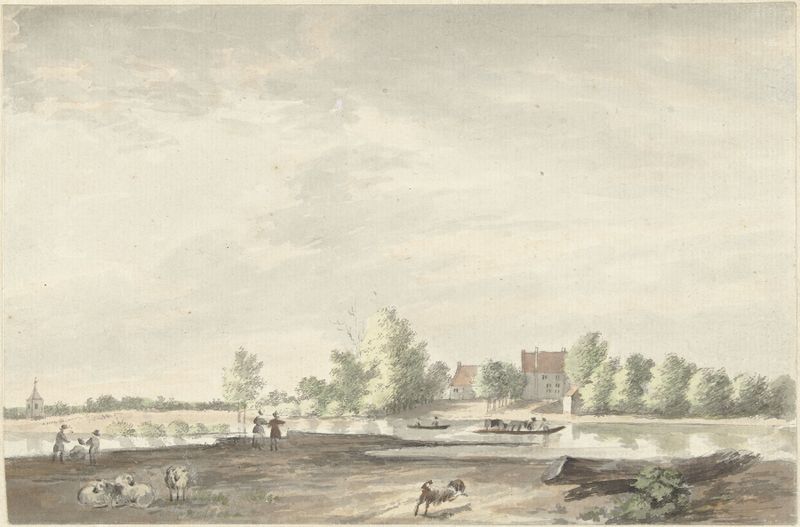
Het veerhuis aan de Lek bij Schoonhoven
Joseph Adolf Schmetterling
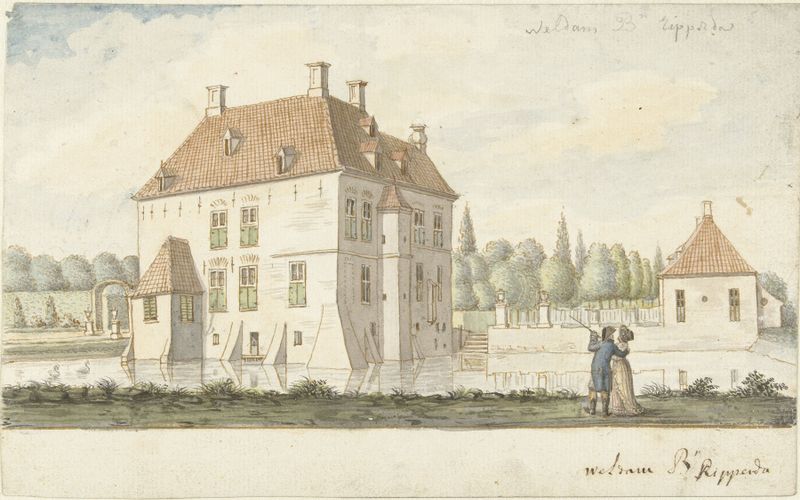
Kasteel ‘t Weldam bij Goor
Joseph Adolf Schmetterling
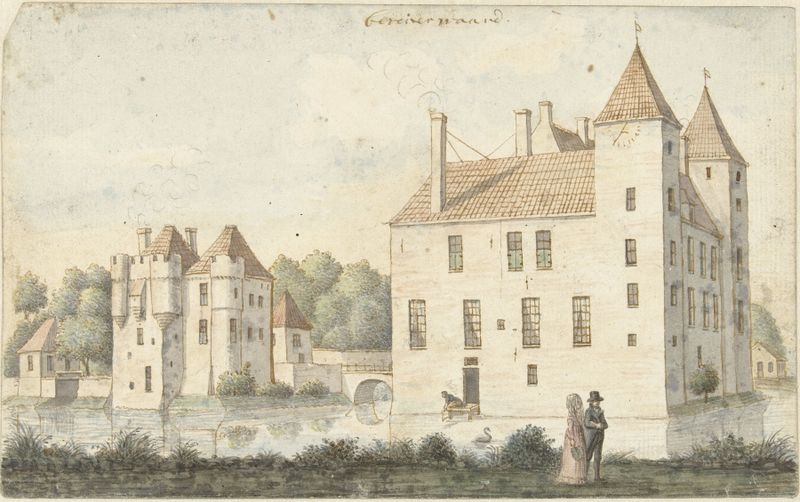
Kasteel Beverweerd
Joseph Adolf Schmetterling
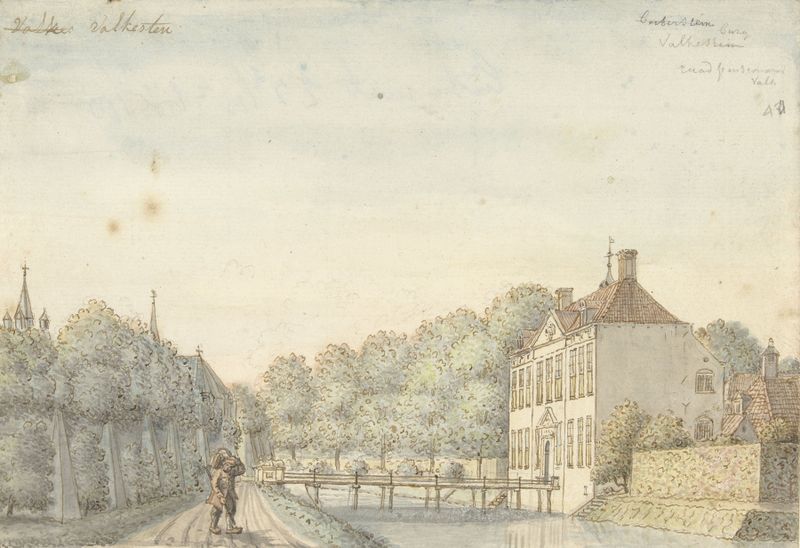
Huis Barbistein in Heinkensand
Joseph Adolf Schmetterling

Straat in het dorp Oosterland op Duiveland
Joseph Adolf Schmetterling
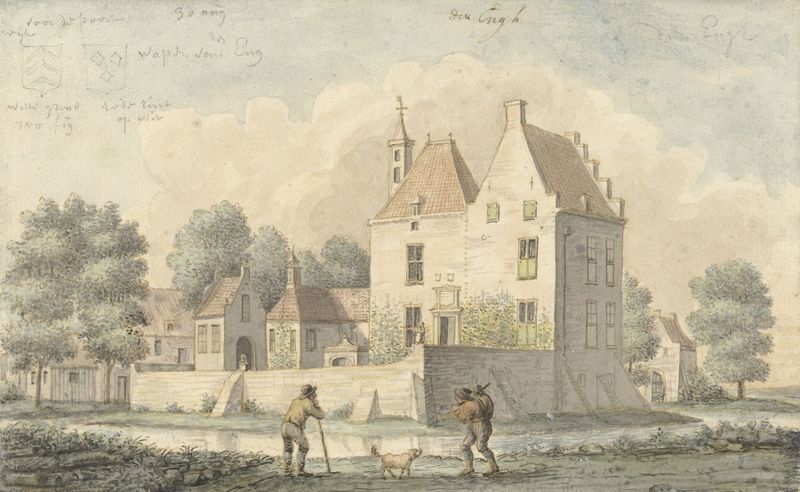
Kasteel De Eng bij Vleuten
Joseph Adolf Schmetterling





