
Hoge dennen aan de rand van een bos — História e Análise
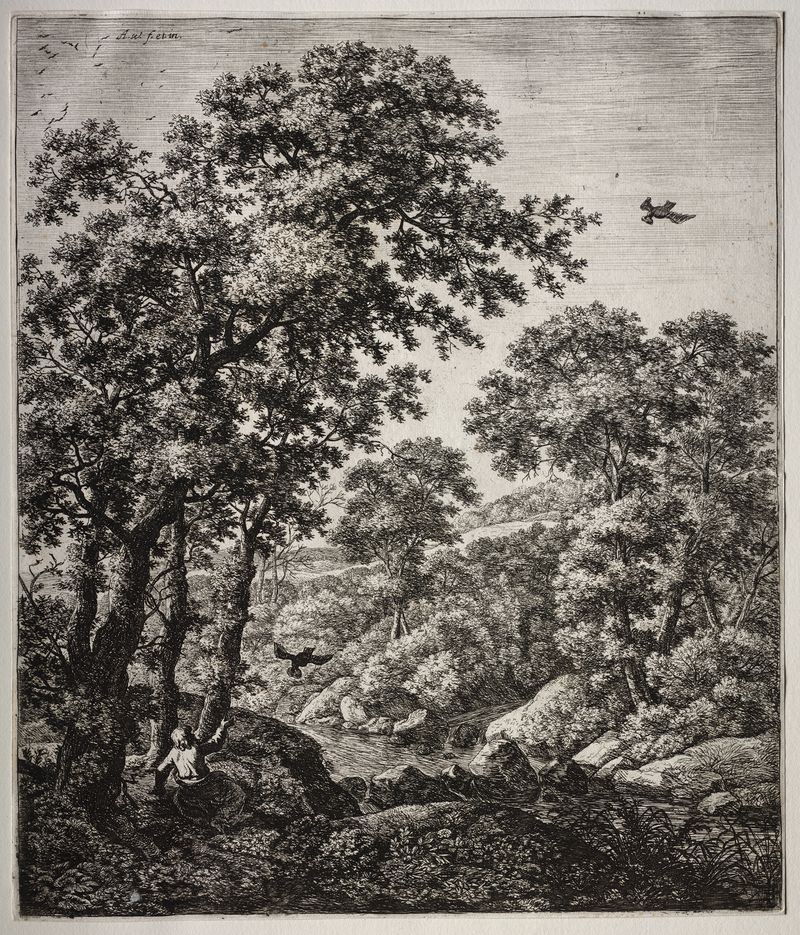
Who listens when art speaks of silence? In the stillness captured within, an unseen world pulses with the promise of rebirth and renewal. Focus on the left side of the canvas, where a cluster of towering pines stands resolute against the backdrop of a muted sky. The deep greens of their needles contrast sharply with the lighter hues of the forest floor, inviting you to explore the subtle gradients of light and shadow. Notice how the painter’s delicate brushwork brings texture to the bark, suggesting the passage of time and the strength of nature’s endurance.
Each stroke breathes life into the scene, grounding it in the tranquil yet dynamic essence of the woodland. As you delve deeper, consider the layers of meaning behind this serene woodland tableau. The towering trees, symbols of stability and longevity, hint at the cyclical nature of life, capturing a moment both reverent and contemplative. The emptiness of the space around them evokes silence, an invitation to reflect on the themes of solitude and introspection that pervade the work.
Here, the balance between light and shadow mirrors the dualities of existence—growth and decay, presence and absence. Painted during the late 17th century, Waterloo’s work emerged in a time marked by shifting artistic paradigms in the Netherlands. Having honed his craft in the landscape tradition, he was influenced by the Baroque movement’s evolving focus on nature and emotional resonance. This period saw a burgeoning appreciation for the natural world in art, as society began to recognize the beauty that lay in both the simplicity and complexity of landscapes, forever changing how viewers would engage with and interpret the world around them.
Mais obras de Antonie Waterloo
Ver tudo →
Gezicht op het dorp Soest
Antonie Waterloo

Hagar comforted by the Angel
Antonie Waterloo

Waldbach, der über Felsen stürzt, über die eine Holzbrücke führt
Antonie Waterloo
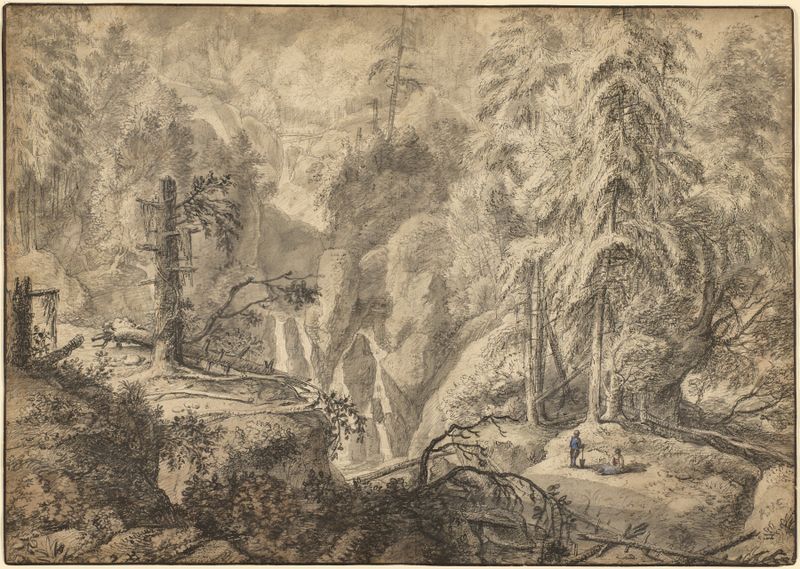
Mountain Landscape, Peasants in a Clearing near a Waterfall
Antonie Waterloo
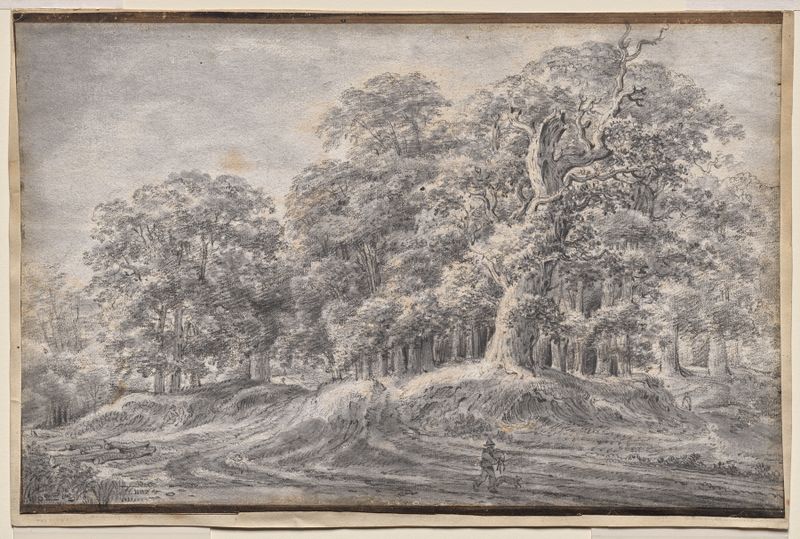
A Track on the Edge of a Wood with a Peasant Carrying Sheep
Antonie Waterloo
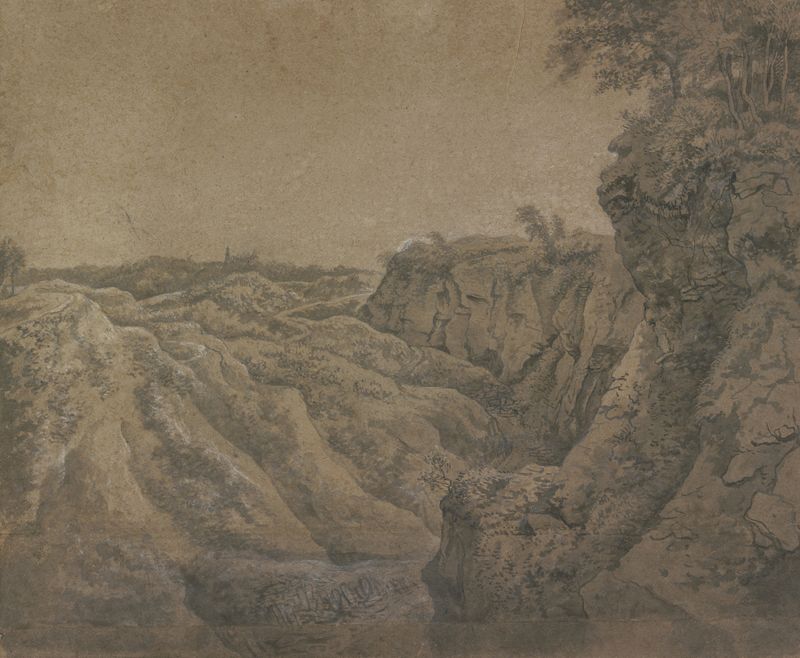
Landscape with a View of Bentheim Castle in the far Distance
Antonie Waterloo
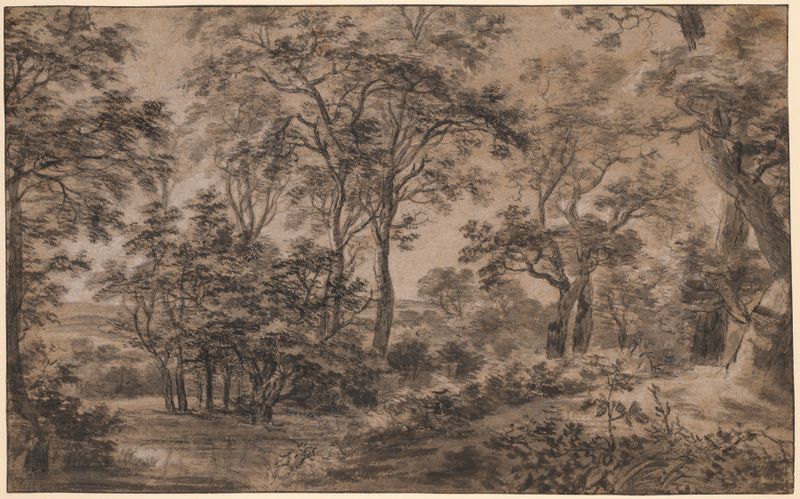
Wooded Landscape
Antonie Waterloo
Elijah Fed by the Ravens
Antonie Waterloo
River Landscape with a Castle in the Distance
Antonie Waterloo

Trees and cottages in hilly landscape
Antonie Waterloo





