In the country — História e Análise
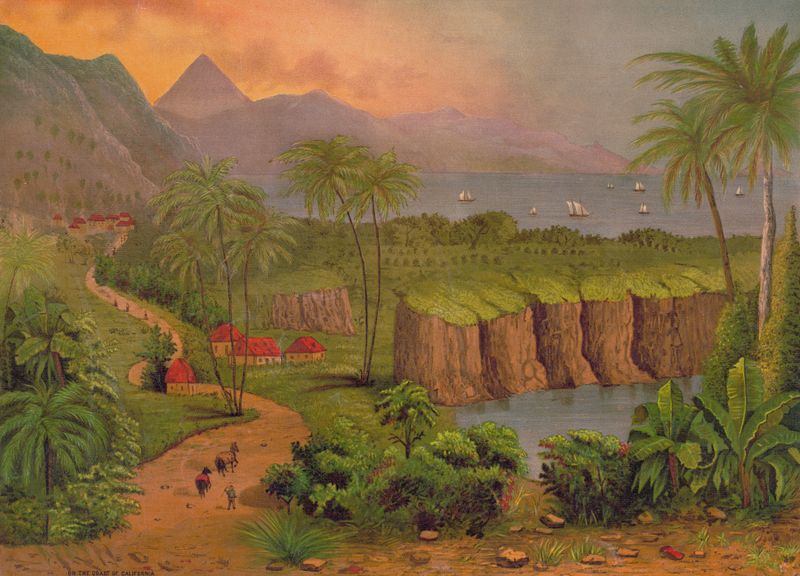
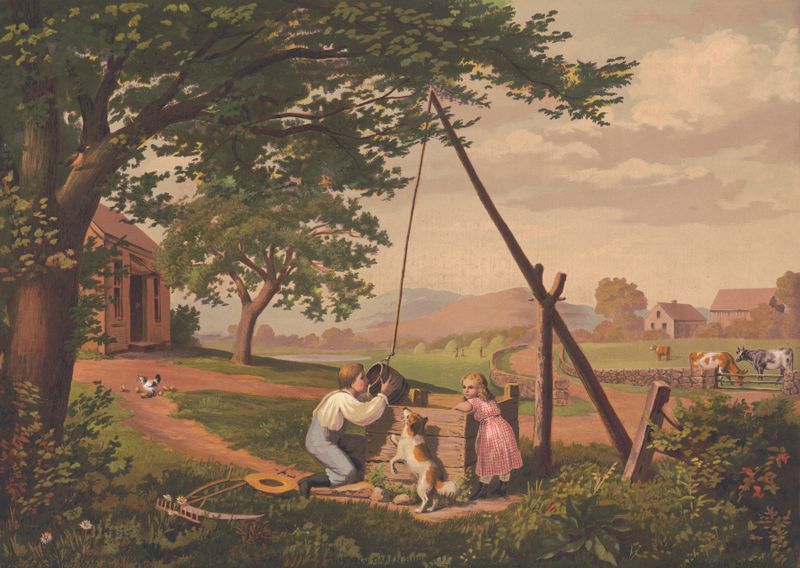
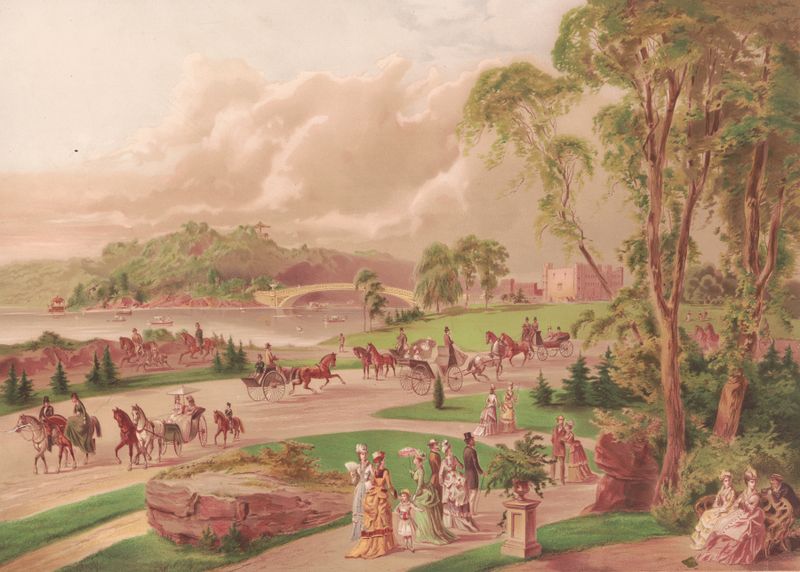
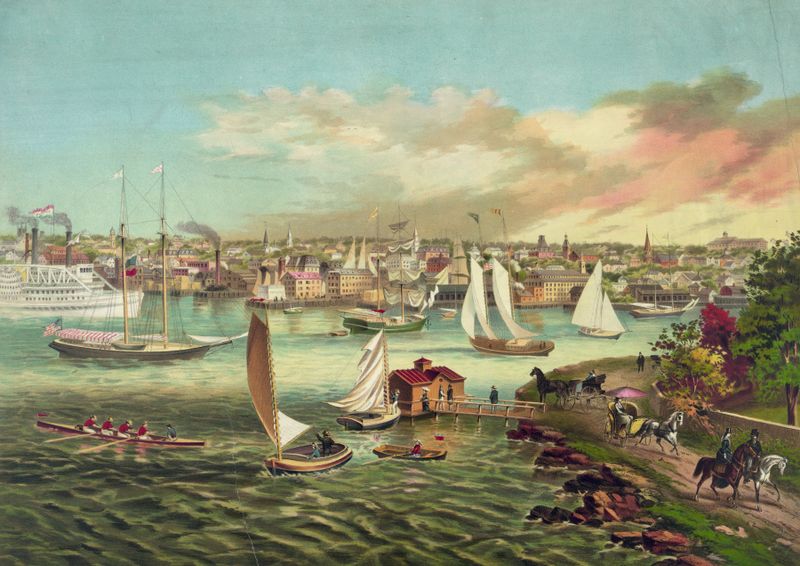
In the subtle interplay of hues and shadows, grief reveals its fragile essence. Look to the left at the canvas’s deep blues, where the sky melds seamlessly with the horizon, creating a melancholic backdrop. The lush greenery of the landscape spills into view on the right, vibrant yet tinged with a sense of loss, as if the foliage holds memories within its leaves. Notice how the artist employs soft brushstrokes to evoke a dreamlike quality, allowing light and shadow to dance together, echoing the cycle of joy and sorrow intertwined in the rural setting. Beneath the surface lies a poignant contrast between the beauty of the countryside and the invisible weight of grief that hangs in the air.
The vibrant colors, while lively, are juxtaposed with a stillness that suggests longing — a quiet ache that stirs in the viewer’s chest. The absence of figures adds to the sense of solitude, inviting one to ponder who or what has been lost, and how the land continues to thrive despite the lingering heartache. F. Gleason painted this work during a time when the world around him was reshaping, with the rise of modernism beginning to influence artistic expression.
Details about his life remain limited, but it is believed that he created In the country amidst personal challenges, mirroring a broader struggle of artists to reconcile their inner turmoil with the outward beauty of the world. This painting stands as a quiet testament to the complexity of human emotion during a transformative period in art history.