
Job op de mesthoop — História e Análise
What secret hides in the quiet of the canvas? A vivid dance of color and emotion plays beneath the surface, waiting to be unlocked by the observant viewer. Look closely at the rich hues of the foreground, where deep browns and earthy greens come together to create a textured landscape. The eye is immediately drawn to the central figure, a man absorbed in his work, whose somber attire starkly contrasts with the vibrant palette of the surrounding scene. Notice how Pencz uses light and shadow to emphasize the contours of the man's face, reflecting the labor and resilience that define his existence.
In the background, the subtle interplay of warm and cool colors evokes a pastoral tranquility, hinting at life beyond the immediate toil. Digging deeper, the painting reveals layers of meaning. The juxtaposition of the laboring figure against the lush landscape may symbolize the harmony between man and nature, yet there is an undercurrent of isolation in the man's demeanor. The meticulously rendered details, from the textures of the soil to the delicate handling of the foliage, speak of both the dignity of labor and the weight of solitude.
Furthermore, the title invites contemplation on the often-overlooked lives of those who work tirelessly in the shadows, turning mundane tasks into silent acts of resilience. Georg Pencz created this work between 1544 and 1548, during a period rich in the exploration of human experience. Living in Nuremberg, he was influenced by the Renaissance's shift toward realism and humanism. This painting emerged amidst the socio-political changes of the Reformation, as artists began to reflect the nuances of everyday life in their work, marking a significant turn in artistic expression that extended beyond grand historical themes.
Mais obras de Georg Pencz
Ver tudo →
Parabel van de zaaier
Georg Pencz

Parabel van de arbeiders in de wijngaard
Georg Pencz
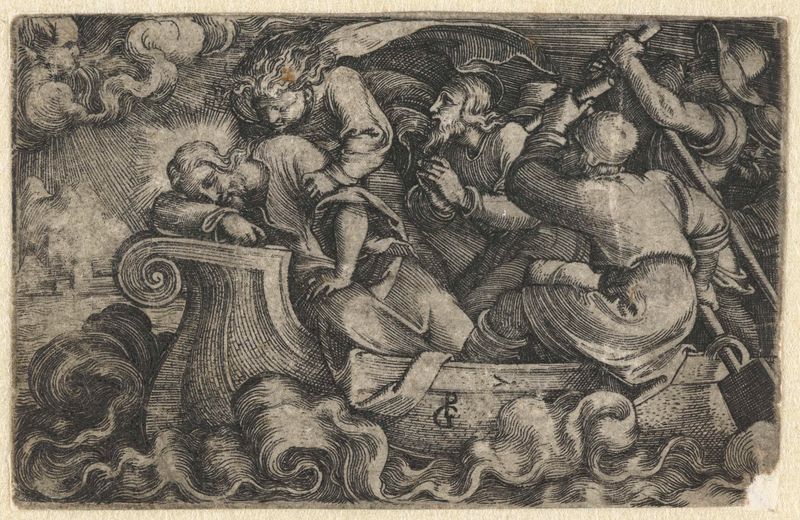
Discipelen wekken slapende Christus tijdens storm op Meer van Galilea
Georg Pencz

Afgunst (Invidia)
Georg Pencz
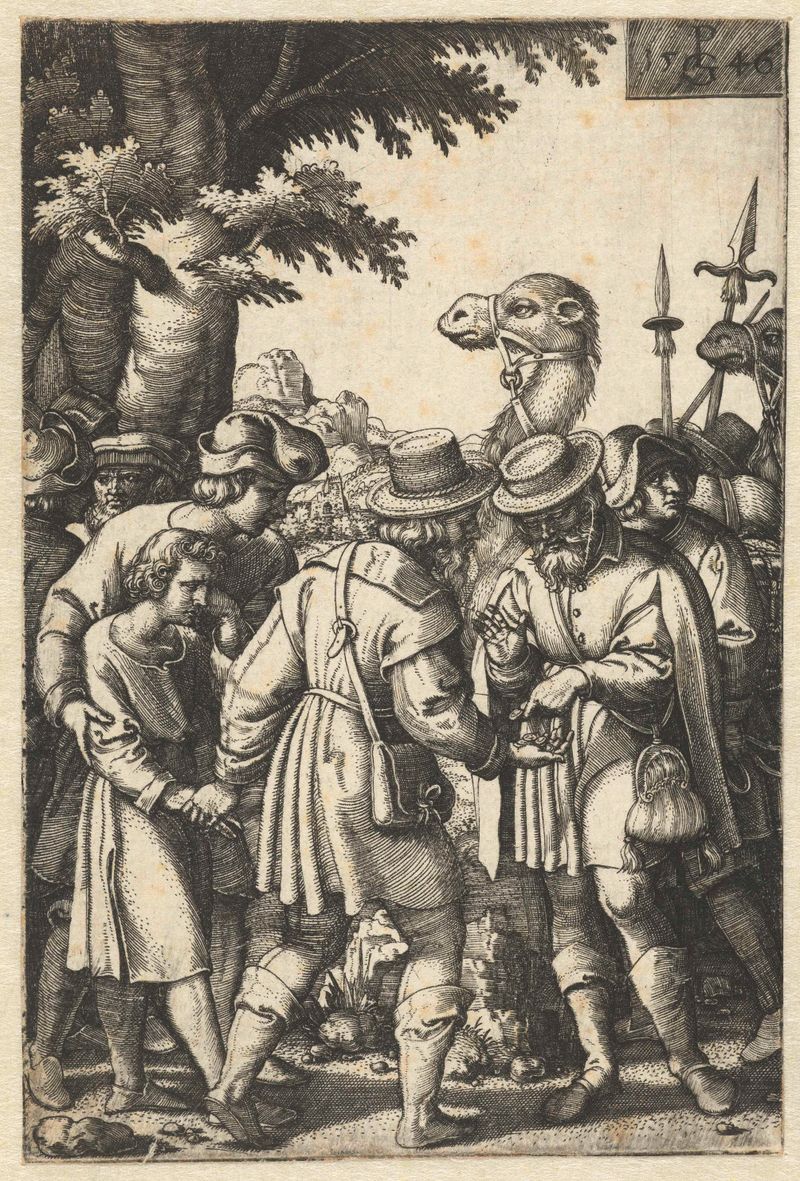
Jozef wordt verkocht aan kooplieden op weg naar Egypte
Georg Pencz

Aanbidding der koningen
Georg Pencz
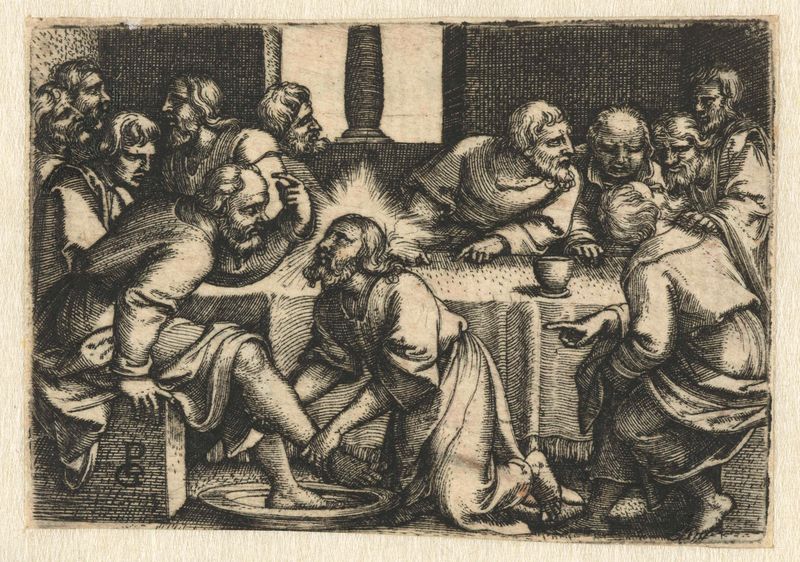
Petrus protesteert als Christus zijn voeten wast
Georg Pencz
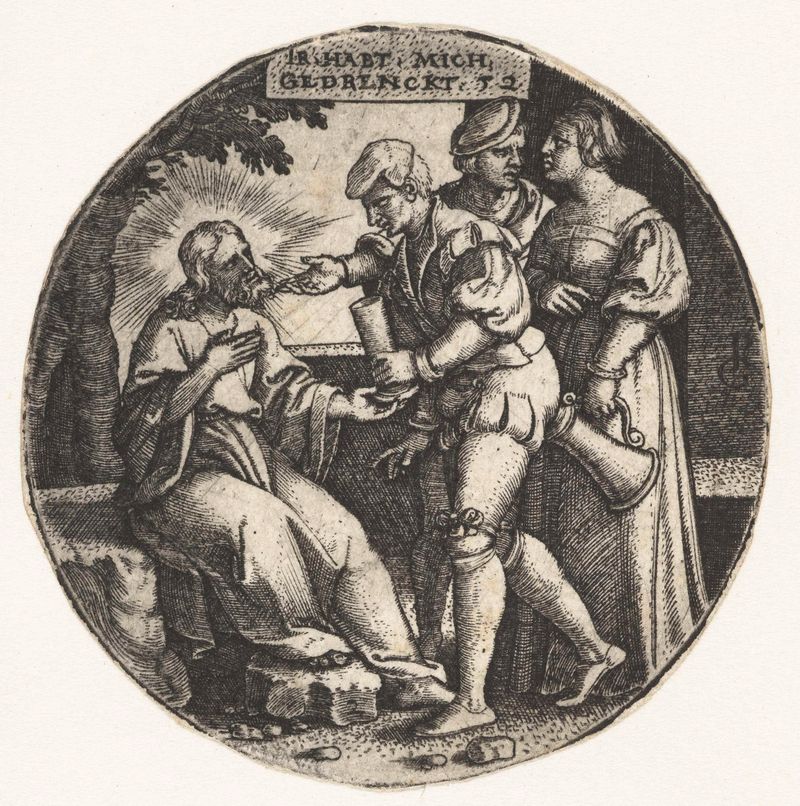
Christus heeft dorst en krijgt drinken aangeboden
Georg Pencz
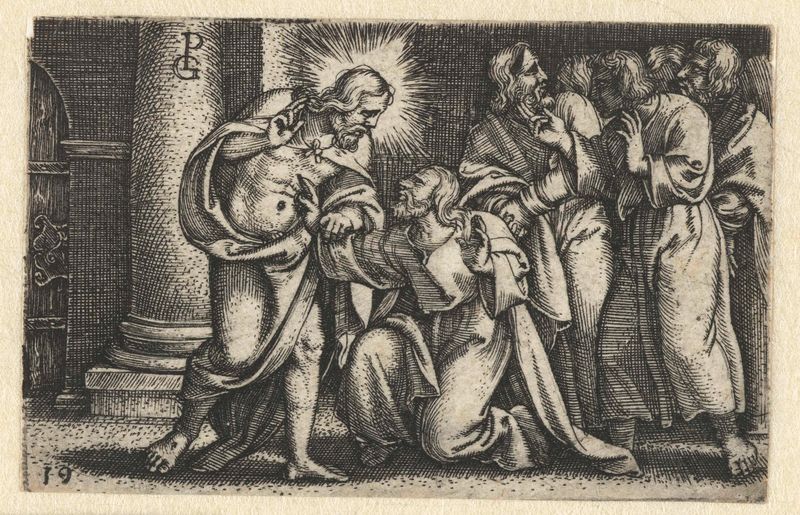
Ongelovige Thomas raakt wonden Christus aan
Georg Pencz

Offer van Abraham van Isaak
Georg Pencz





