
Knotwilgen aan slootkant — História e Análise
When did color learn to lie? In the tranquil embrace of knots and whispers, the essence of legacy unfolds. Look to the left at the sinuous bend of willow trees, their branches gently arching over the water's edge. The vibrant greens and deep blues intermingle in a symphony of hues, where soft pastel strokes evoke a sense of calm and nostalgia. Notice how the light dances upon the water's surface, reflecting the trees in a mirror-like serenity.
The delicate brushwork captures movement, yet the stillness of the scene invites you to pause and reflect. Beneath the surface lies a poignant contrast between nature's resilience and the ephemeral nature of existence. The intertwining branches suggest connection and continuity, while the quiet water beneath hints at the passage of time. This duality resonates with the idea of legacy, echoing the fragile yet enduring threads that bind generations.
Each detail, from the intricate texture of the bark to the subtle play of shadows, embodies a story waiting to be unveiled. In 1928, while working in the Netherlands, the artist created this piece amidst a shift toward modernism in the art world. Moulijn, influenced by his surroundings and the post-impressionist movement, sought to capture the beauty of the natural landscape while exploring deeper themes of identity and heritage. This period marked a transition in his style, blending traditional techniques with a fresh perspective on nature's role in the human experience.
Mais obras de Simon Moulijn
Ver tudo →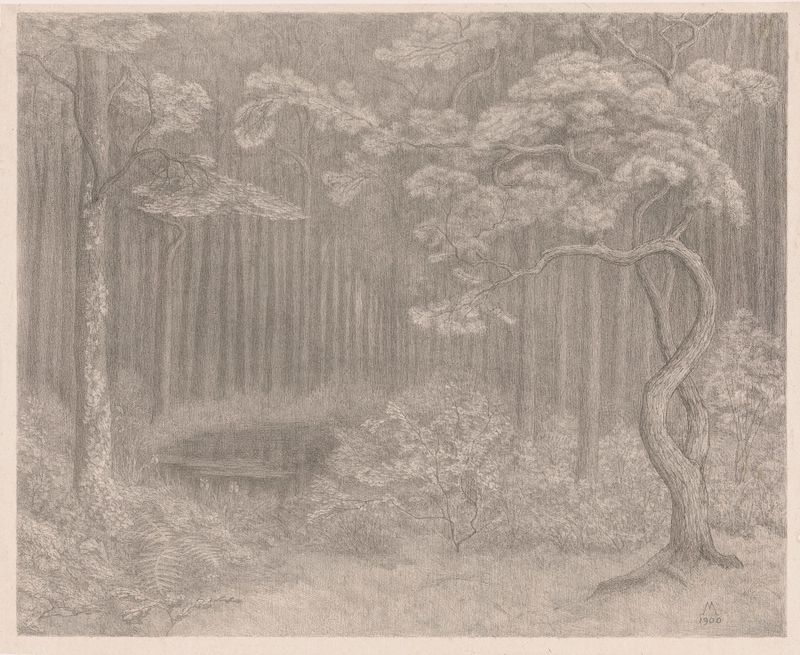
Bosgezicht
Simon Moulijn
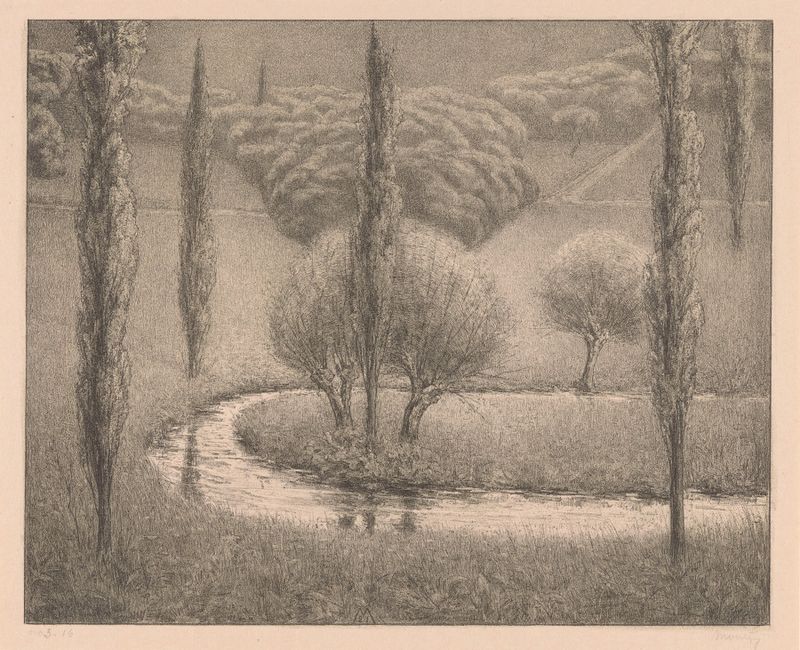
Landschap met wilgen en populieren
Simon Moulijn
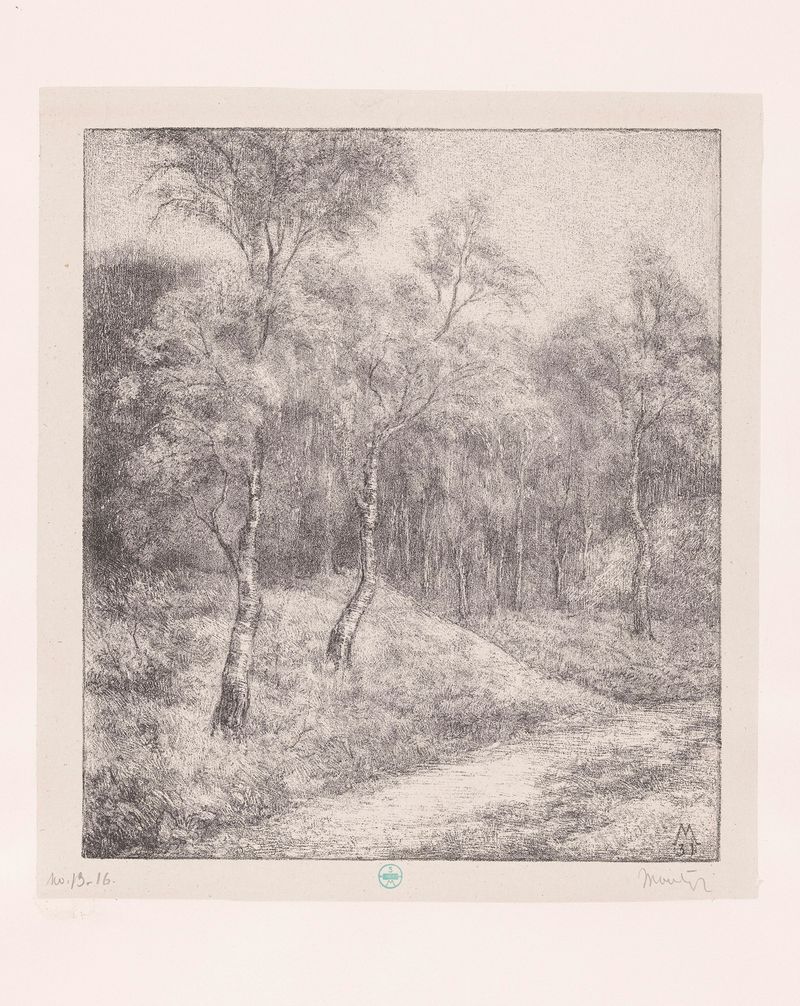
Bospad met berken
Simon Moulijn
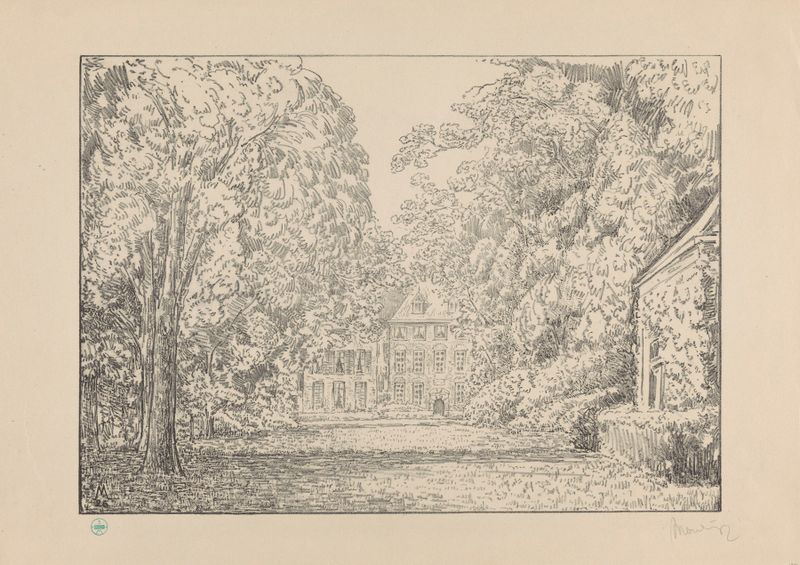
Gezicht op kasteel Duivenvoorde vanuit de tuin Duivenvoorde I
Simon Moulijn
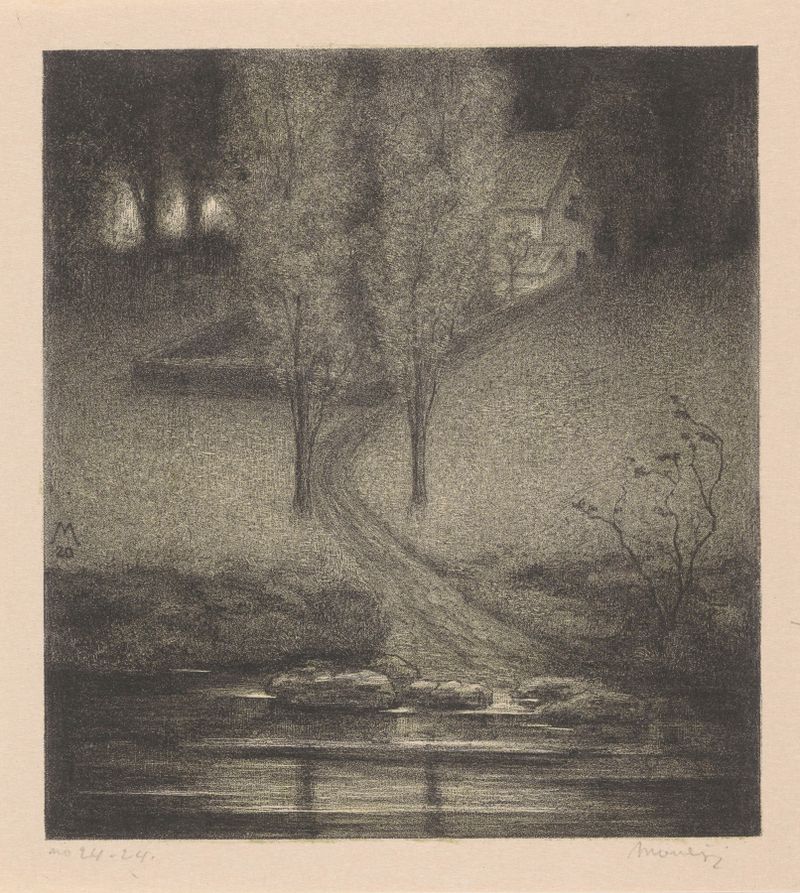
Populieren aan een beek
Simon Moulijn
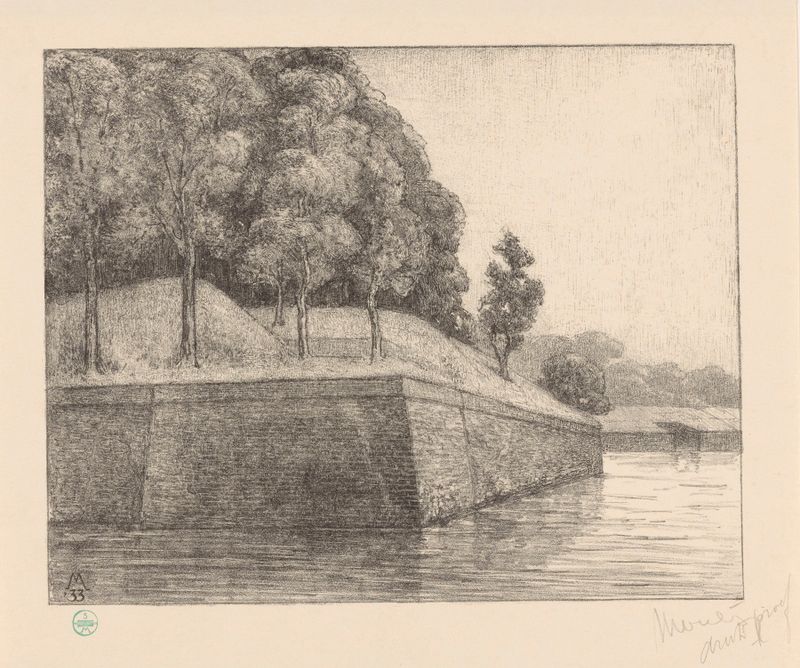
Gezicht op bastion Oud-Molen (westzijde)
Simon Moulijn
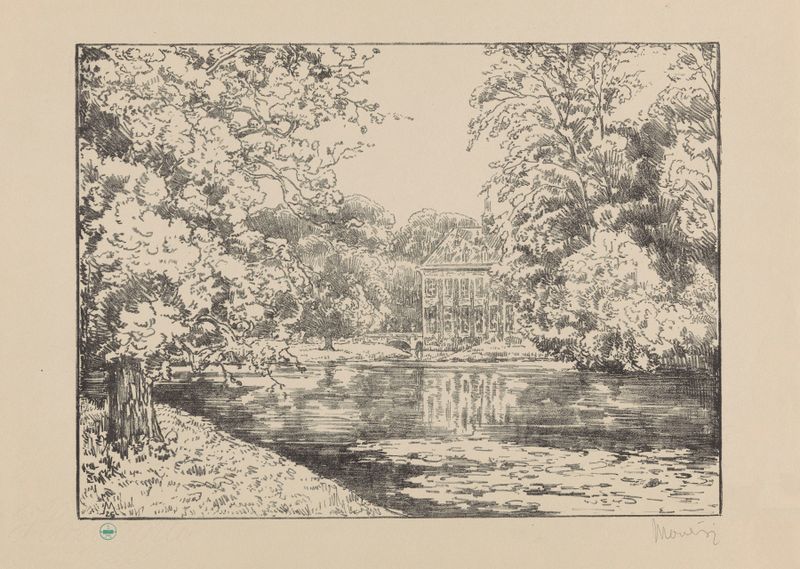
Kasteel Duivenvoorde aan vijver Duivenvoorde II
Simon Moulijn
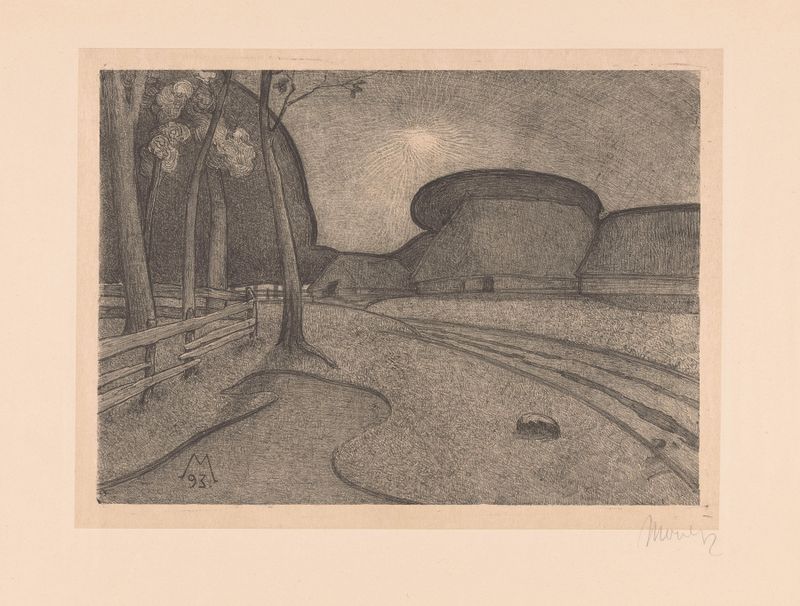
Landschap met boerderij Avond
Simon Moulijn
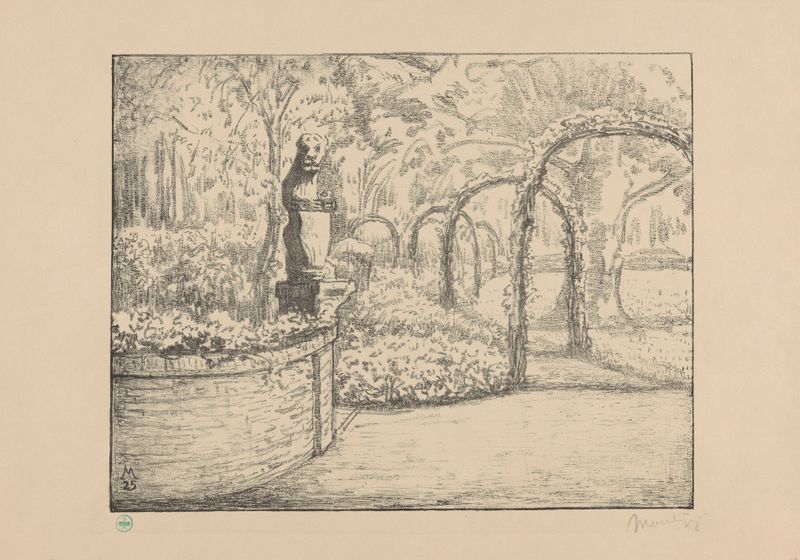
Tuin met rozenbogen op landgoed Zorgvliet Zorgvliet I
Simon Moulijn
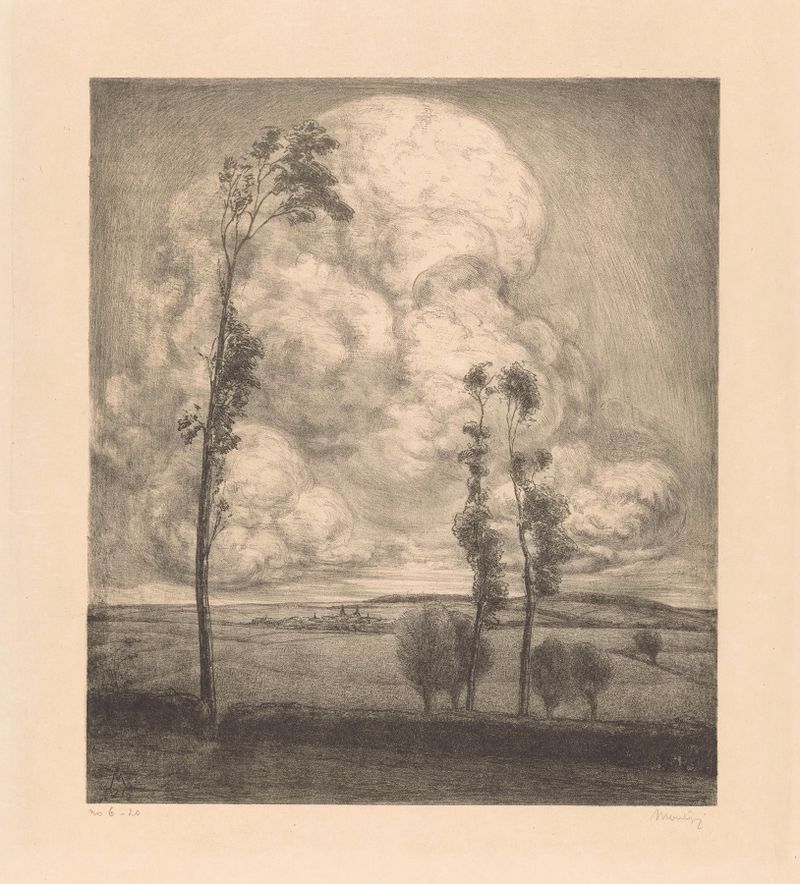
Wolken boven glooiend landschap
Simon Moulijn





