Kraak porcelain plate from the V.O.C.-ship the 'Witte Leeuw' — História e Análise
Each piece holds whispers of the past, inviting us to step into a moment frozen in time, where history breathes through intricate artistry. Look closely at the delicate cobalt blue motifs adorning the surface of the plate. The swirling patterns, reminiscent of waves and blossoms, draw the eye in a dance around the rim, leading us to the center where a medallion of exquisite detail unfolds. Notice the subtle variations in hue, each stroke echoing the artisan’s hand, as well as the smooth, glossy finish that reflects light with an almost ethereal quality. Beneath the surface, this plate carries the weight of its journey across oceans and epochs, a testament to the mingling of cultures and craftsmanship.
The motifs, laden with symbolic meaning, suggest trade routes and the mingling of Eastern and Western influences, embodying both beauty and the complexities of colonial history. As you observe, consider the contrasts between elegance and utilitarian function, and how this porcelain object transcends its everyday purpose to become a vessel of stories. Created before 1613, this piece originated on the V.O.C.-ship Witte Leeuw, a merchant vessel sailing for the Dutch East India Company. The early 17th century was a vibrant period of trade expansion, marked by the exchange of goods and ideas as well as the emergence of global connectedness.
During this time, unknown artisans in Asia crafted Kraak porcelain for European markets, reflecting both local traditions and the demands of a shifting world.
Mais obras de Unknown Artist
Ver tudo →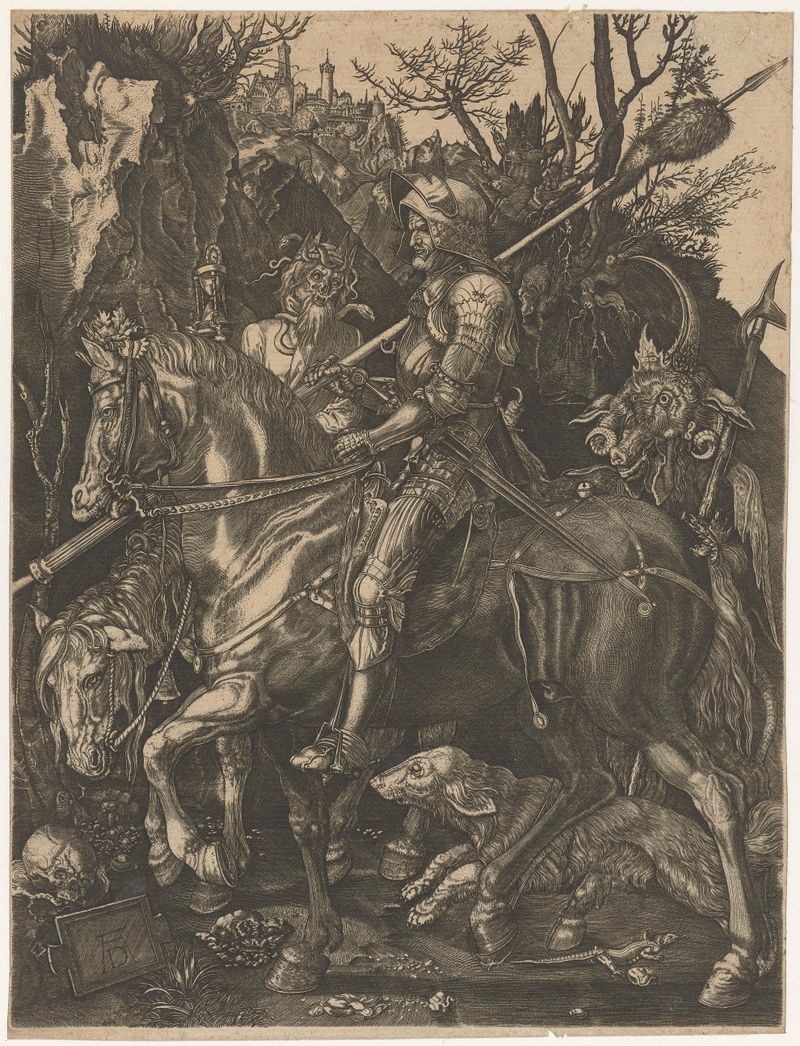
Ridder, Dood en Duivel
Unknown Artist
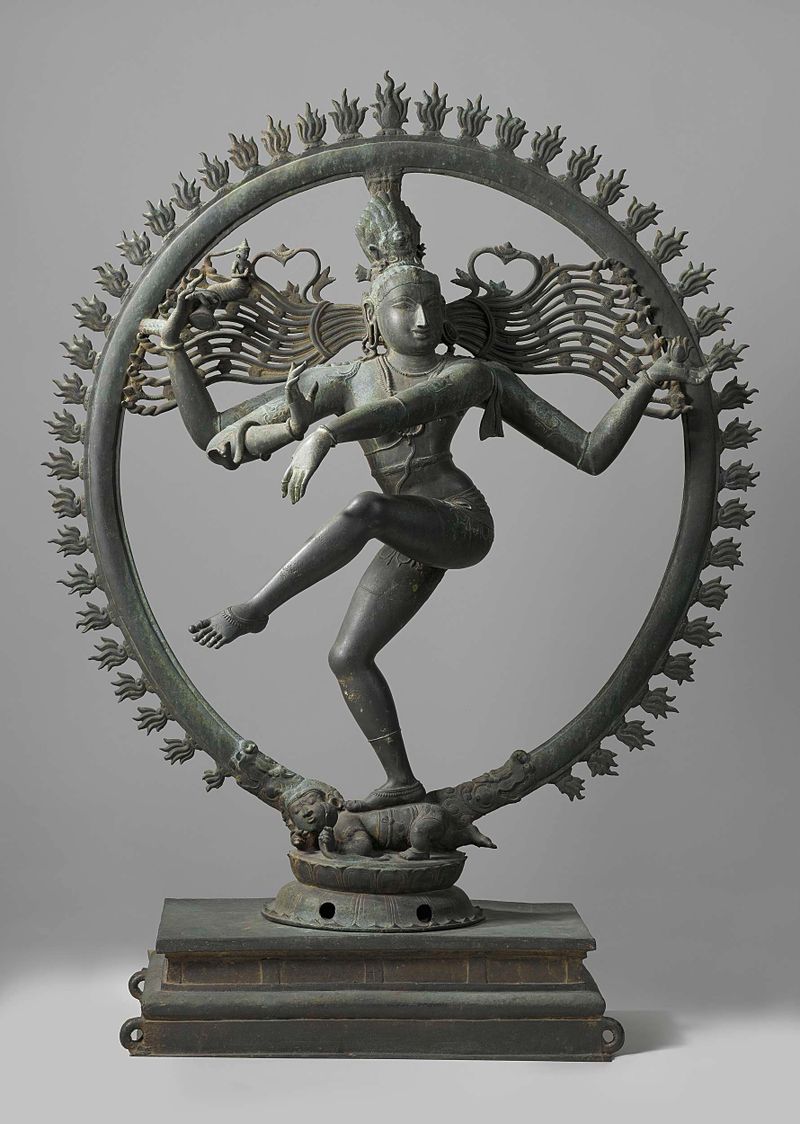
Shiva Nataraja
Unknown Artist
Portrait of Elizabeth I, Queen of England
Unknown Artist
Dolls’ house of Petronella Oortman
Unknown Artist
Shiva Nataraja
Unknown Artist

The Tale of Genji
Unknown Artist

The Tale of Genji
Unknown Artist
Cong
Unknown Artist
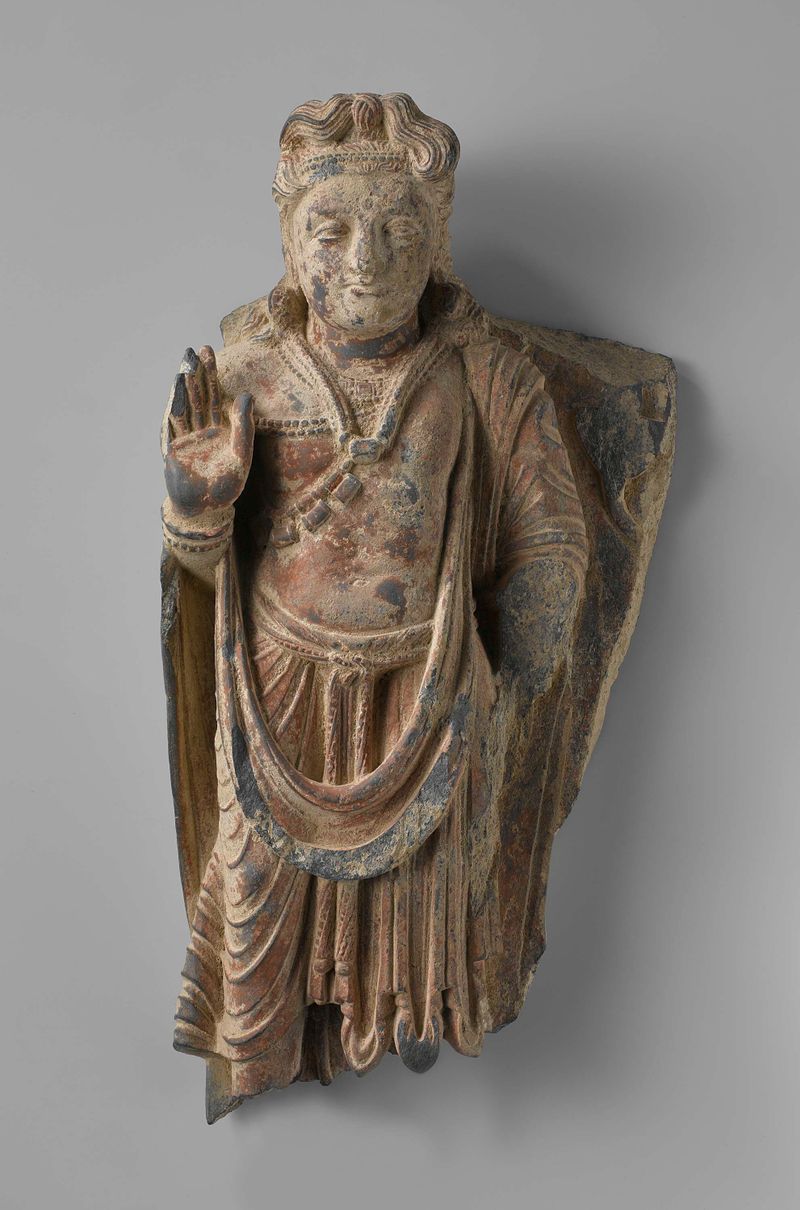
The bodhisattva Maitreya
Unknown Artist
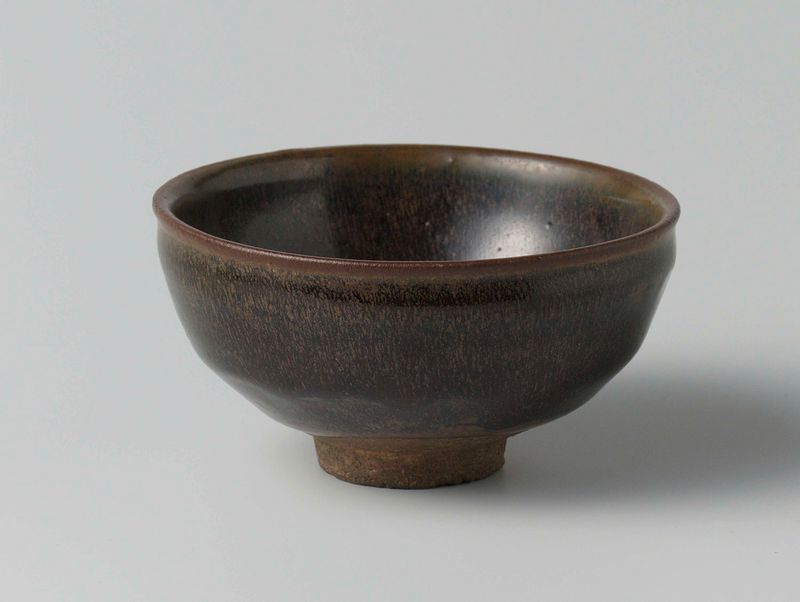
Teabowl with a 'hare's fur' glaze
Unknown Artist