
Krajina — História e Análise
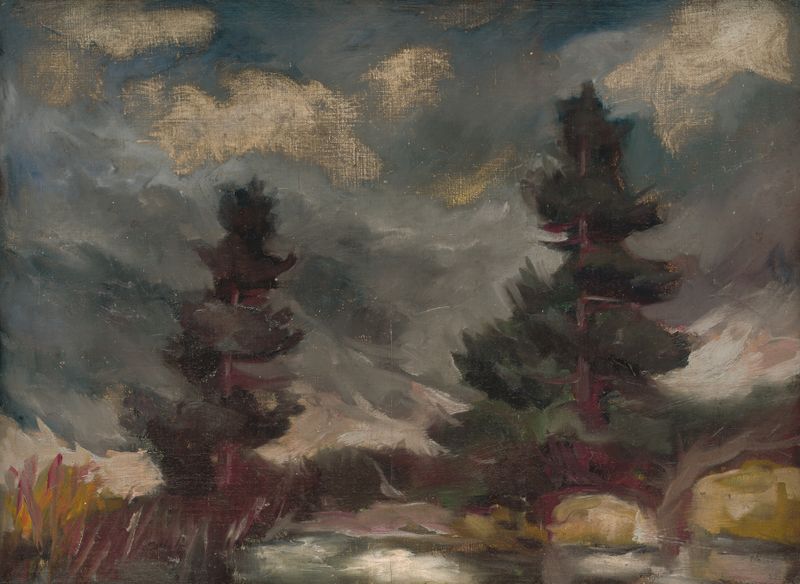
Did the painter know this moment would outlive them? In Krajina, the illusion of time and space dances delicately, inviting the viewer into a world both familiar and otherworldly. Look to the left at the rolling hills, where vibrant greens collide with deep ochres, creating a tapestry alive with motion. The brushstrokes vary in thickness and intensity, guiding your gaze from the foreground’s lush vegetation to the distant horizon, where the sky seemingly melts into the landscape. Notice how the light filters through patches of clouds, casting shadows that shift and breathe, lending a sense of depth and movement to this ethereal expanse. Within this serene panorama lies an undercurrent of tension and longing.
The juxtaposition of the vivid colors against the muted tones of the sky suggests a world caught between day and dusk, an eternal twilight. It speaks to a longing for connection, perhaps to nature or a deeper understanding of one's existence, as if the land itself is both a sanctuary and a reminder of life’s impermanence. In 1928, Zolo Palugyay painted this piece during a time when Eastern European art was undergoing significant transformation, grappling with modernity and tradition. Living in Hungary, he was influenced by his surroundings, melding Impressionistic techniques with a nascent sense of national identity.
The aftermath of World War I loomed heavily, and artists sought solace in the natural world, reflected poignantly in this landscape that captures both beauty and the fragility of life.
Mais obras de Zolo Palugyay
Ver tudo →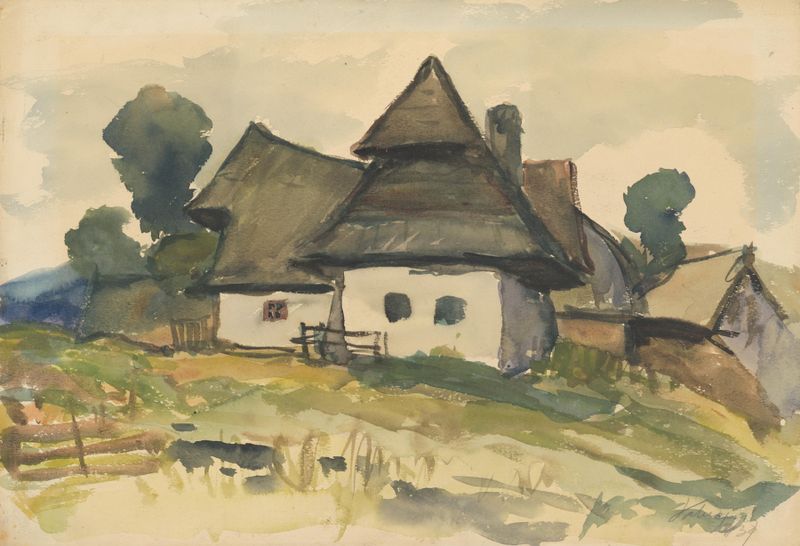
Dedinský motív
Zolo Palugyay
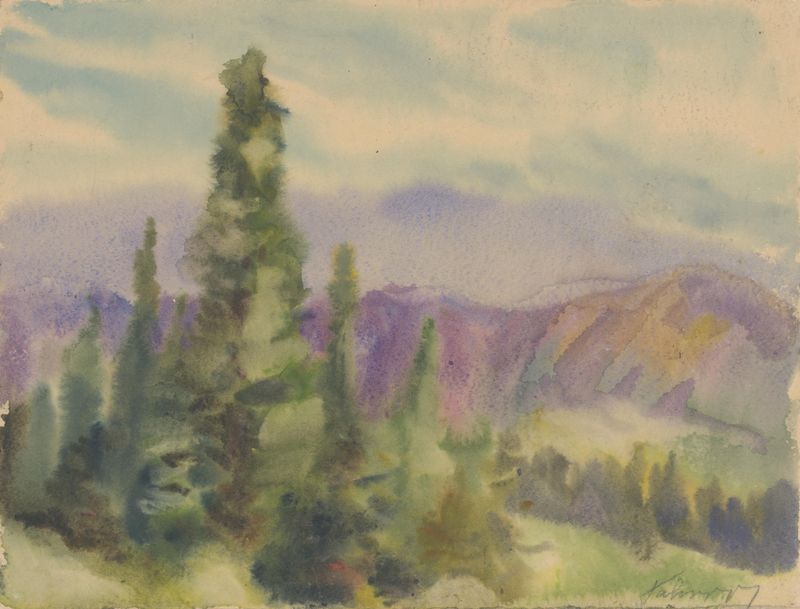
Motif from Liptov Mountains
Zolo Palugyay
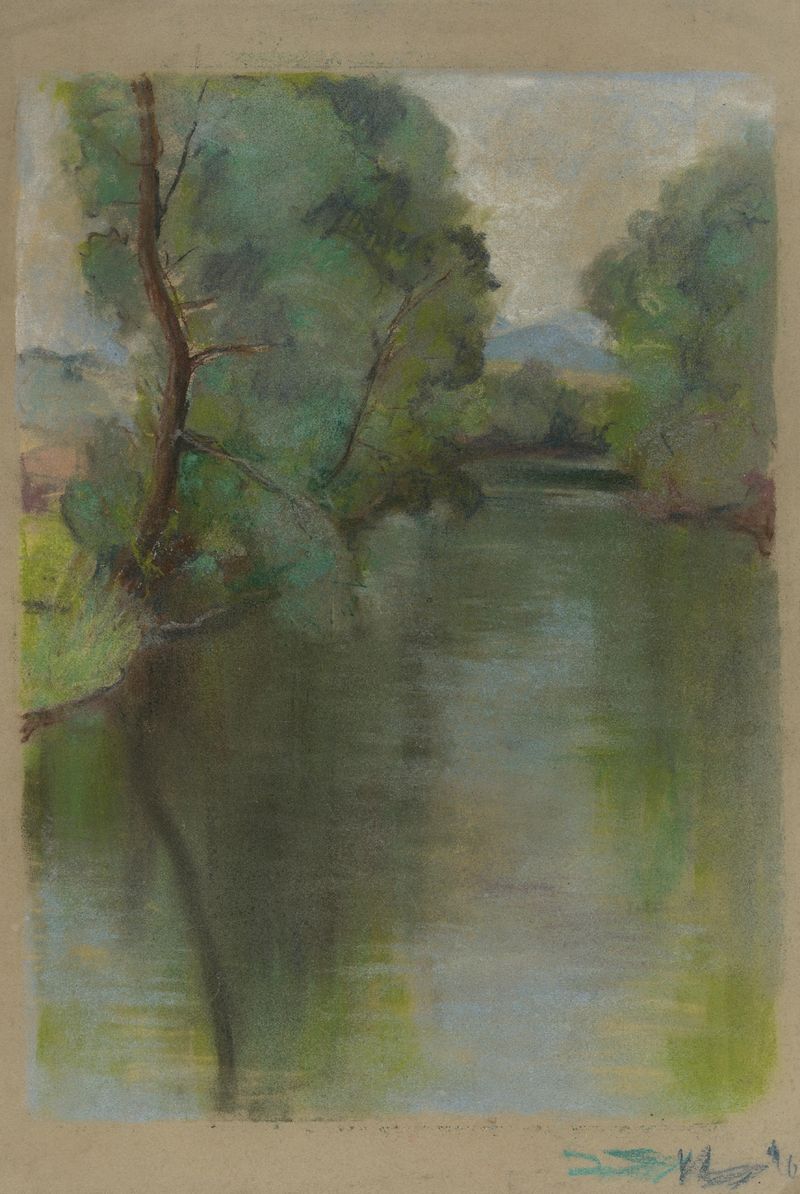
Silent River
Zolo Palugyay
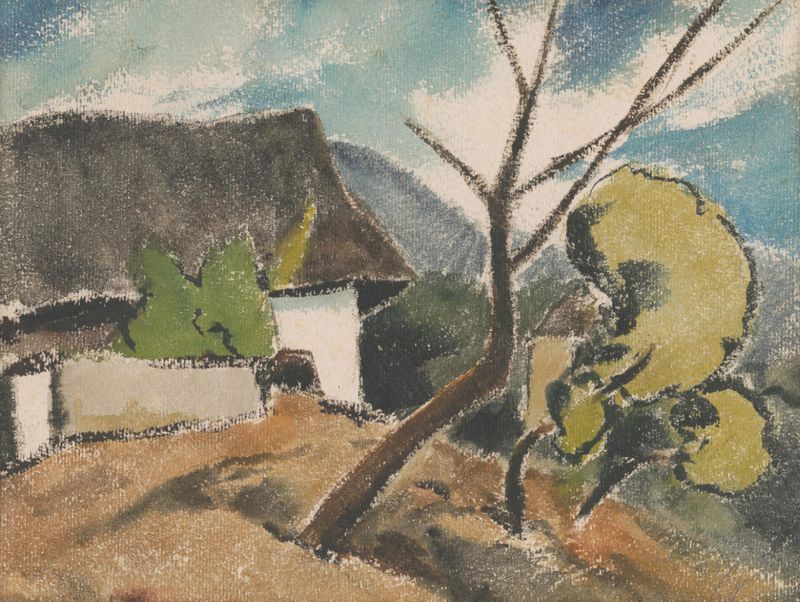
Oravská chalupa
Zolo Palugyay
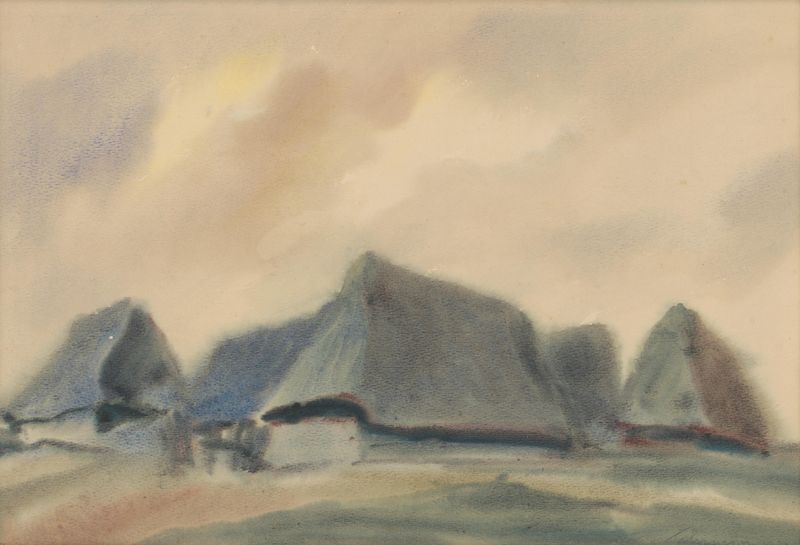
Modré chalupy
Zolo Palugyay
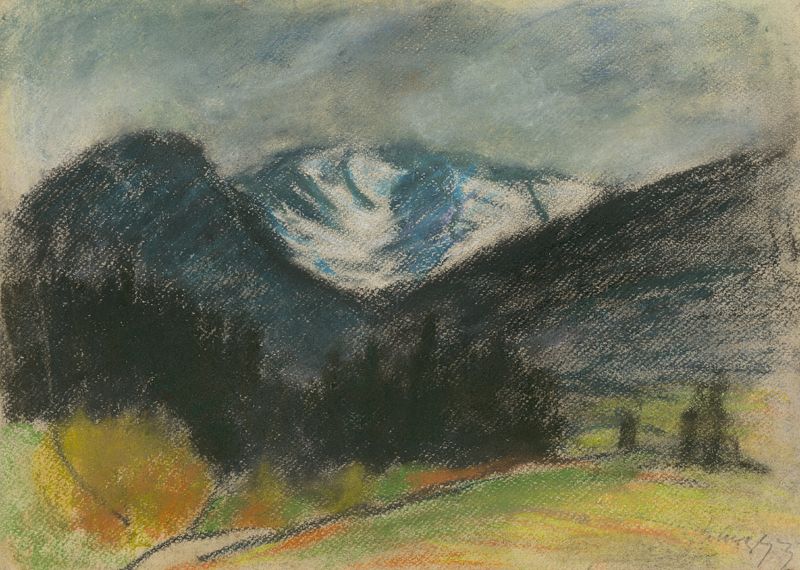
Mountain Landscape with Snowy Peaks
Zolo Palugyay
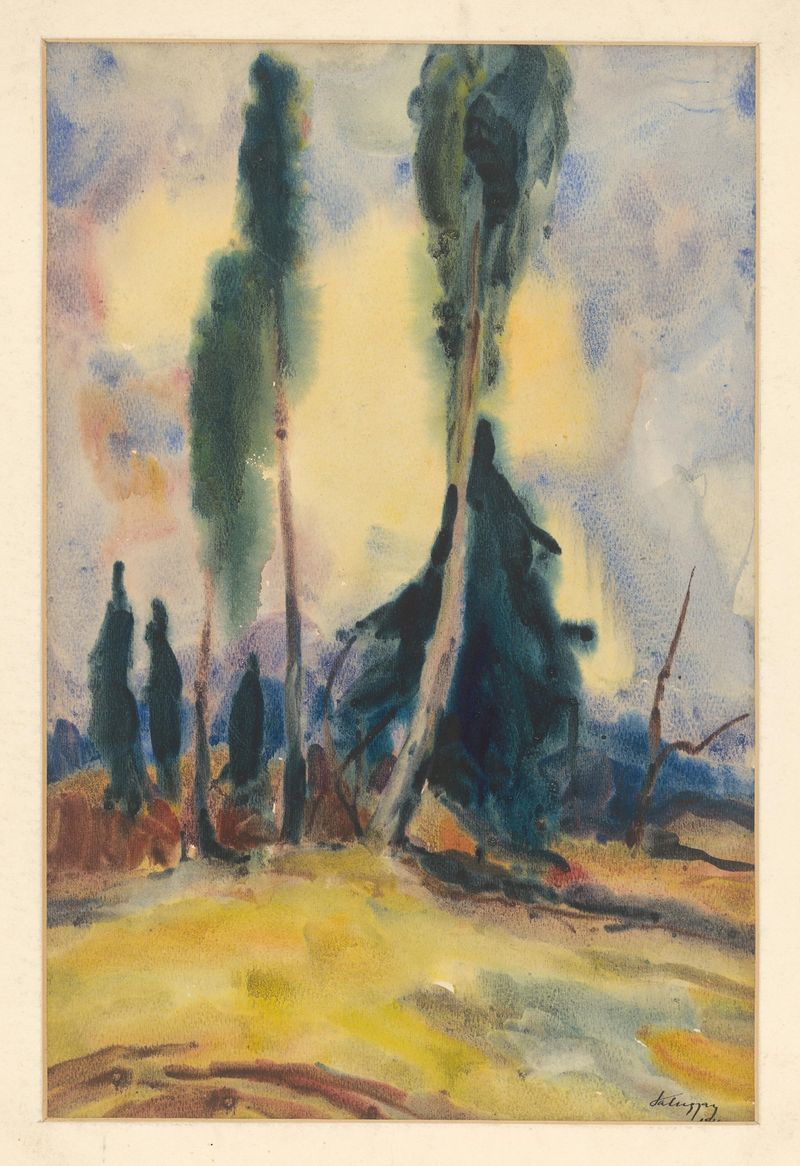
Three Trees on a Plain
Zolo Palugyay
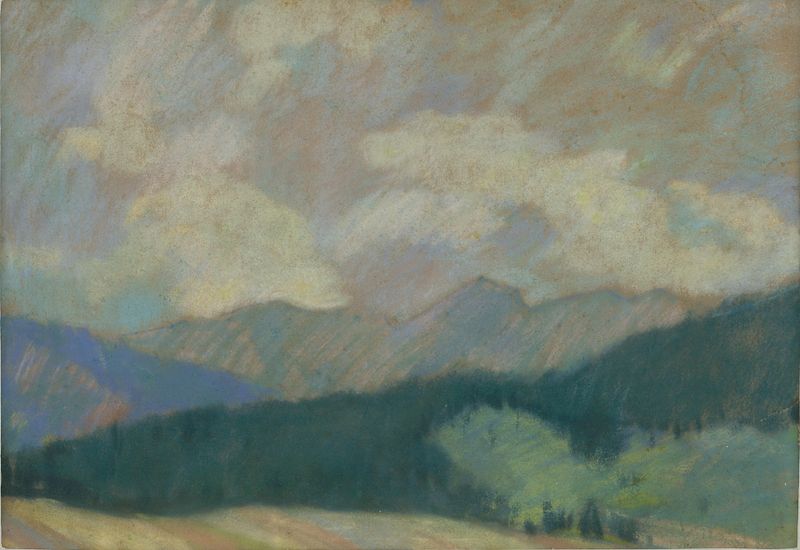
Horská krajina
Zolo Palugyay
Tatra Landscape
Zolo Palugyay
Spring Landscape
Zolo Palugyay





