
Krajobraz wiejski z drzewami — História e Análise
What if beauty was never meant to be finished? In the delicate balance of nature, lies an unsettling truth, where tranquility often masks underlying chaos. Look to the center of the canvas, where a cluster of trees stands tall, their lush canopies painted in vibrant greens and ochres. The artist's brushstrokes bring a sense of movement, as if the leaves might rustle at any moment. Notice how the sunlight filters through, casting dappled shadows upon the rich earth below.
A serene countryside stretches beyond, yet the liveliness of the trees hints at something more profound, a contrast of peace intertwined with a palpable tension. Upon closer examination, the harmonious colors reveal an unexpected intensity—the trees' dense foliage almost guarding against a landscape that feels both inviting and foreboding. The soft curves of the hills juxtapose the rigid, dark trunks, giving rise to questions of vulnerability and strength. Each element in the composition seems to underscore an emotional undercurrent, where beauty conceals an unspoken violence lurking in the shadows of nature. Created in 1921, this work emerged during a period of introspection for Tadeusz Makowski, who was living in Paris, amidst the interwar turmoil that shaped European society.
Known for his penchant for blending serene landscapes with underlying strife, Makowski's exploration of rural scenes was both a personal refuge and a means of confronting the complexities of a world caught between war and peace.
Mais obras de Tadeusz Makowski
Ver tudo →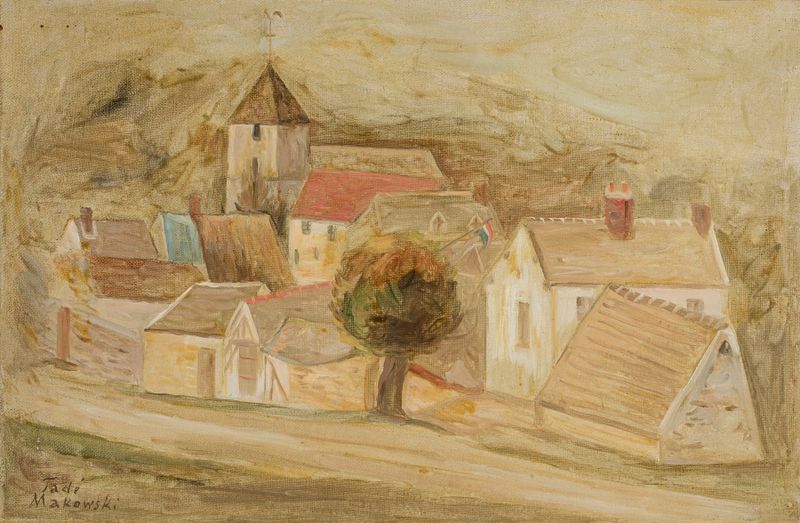
Miasteczko
Tadeusz Makowski

Pejzaż wiosenny
Tadeusz Makowski
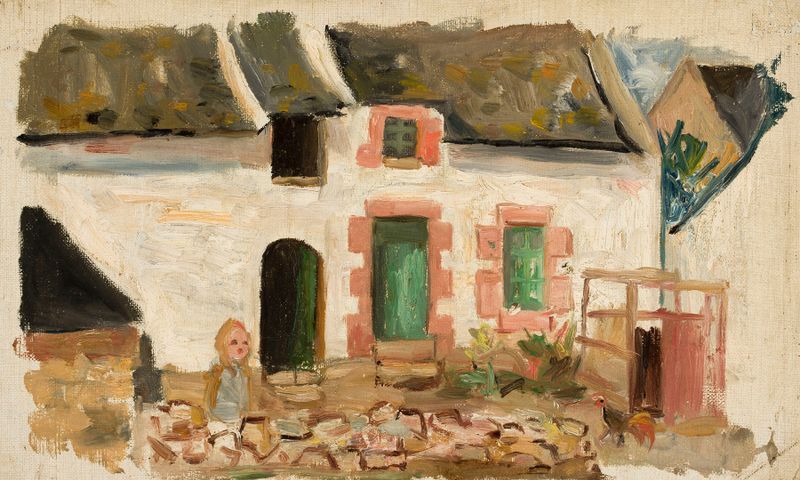
Dziecko przed domem
Tadeusz Makowski
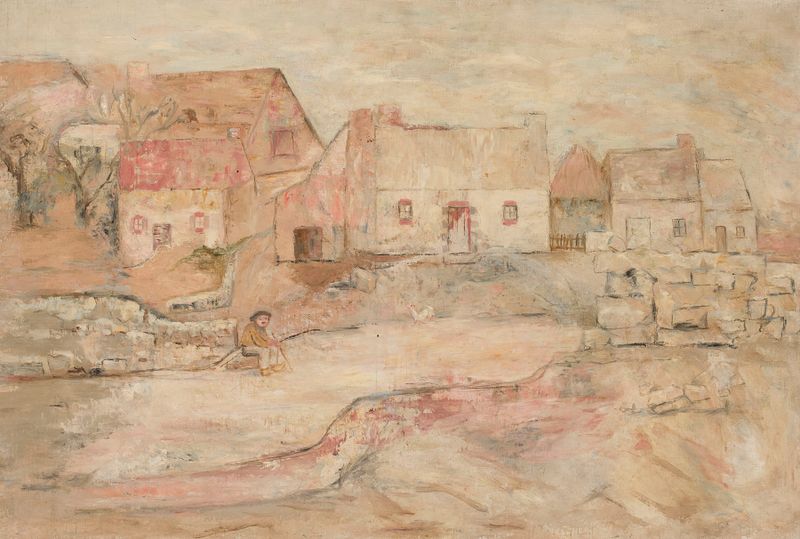
Pejzaż bretoński z siedzącym człowiekiem
Tadeusz Makowski
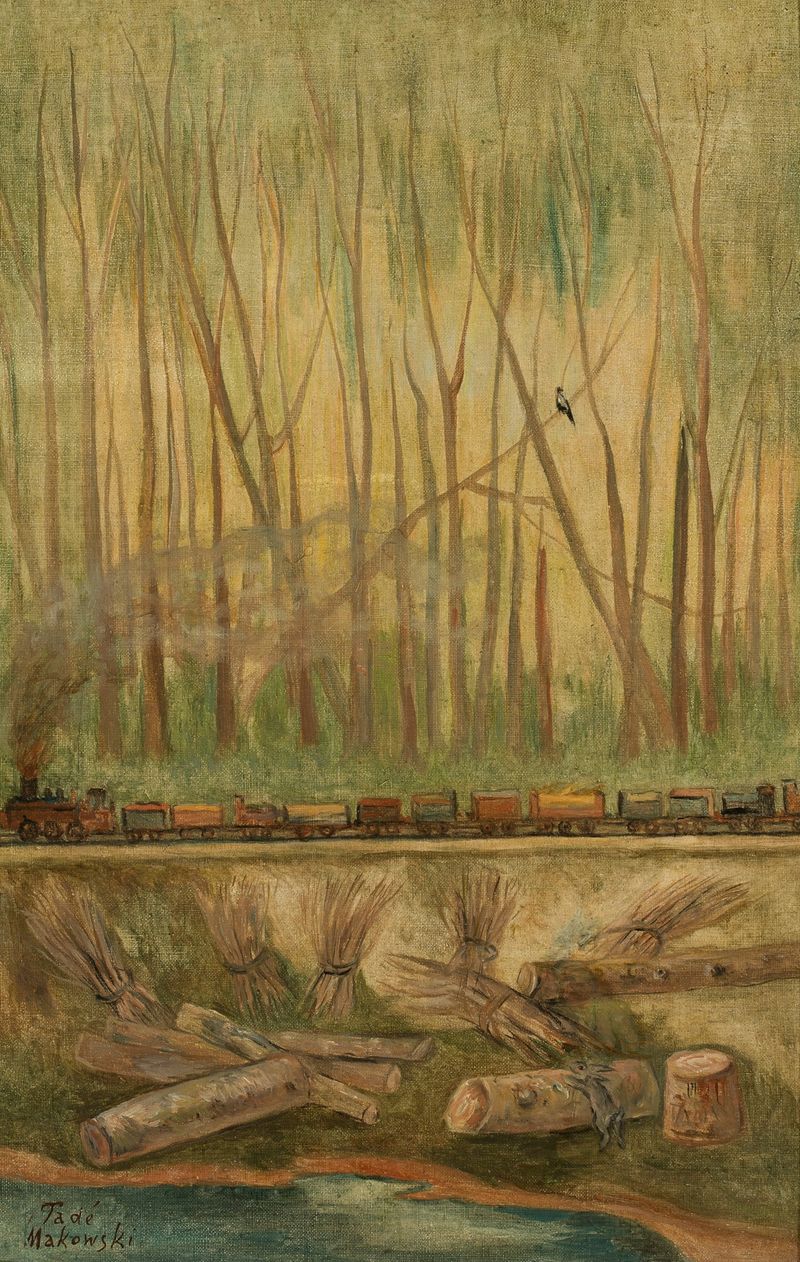
Pociąg
Tadeusz Makowski
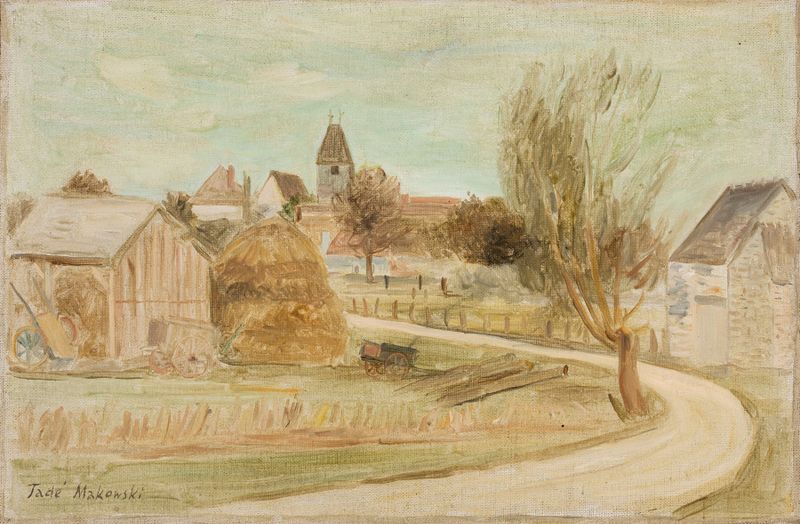
Na skraju wsi
Tadeusz Makowski

Pejzaż miejski (Esplanade des Invalides)
Tadeusz Makowski
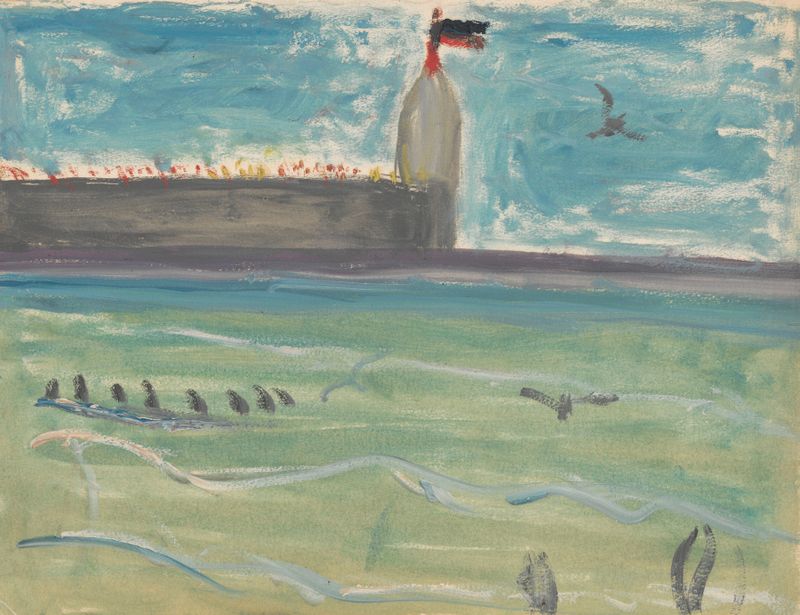
Latarnia morska w Tréport
Tadeusz Makowski
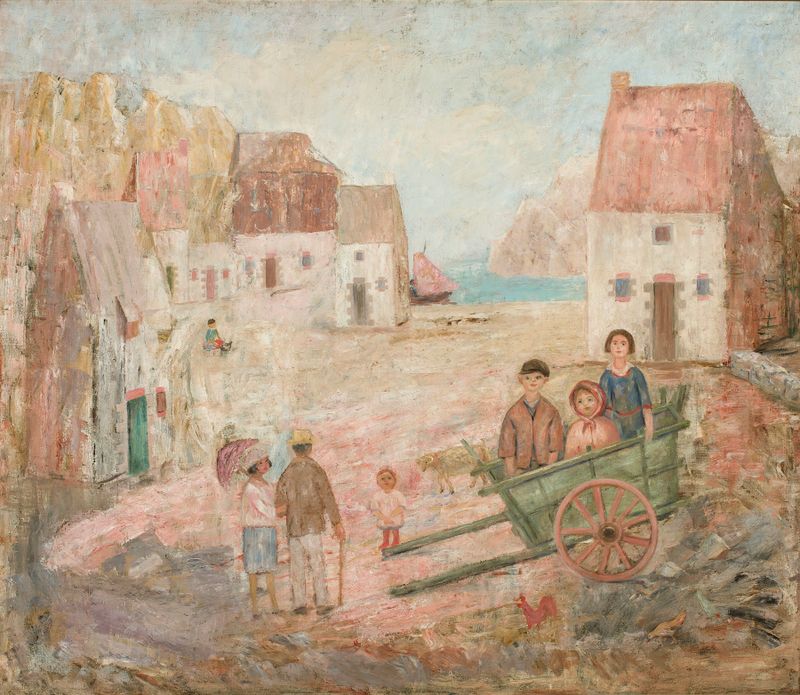
Landscape of a small town with children in a pram
Tadeusz Makowski
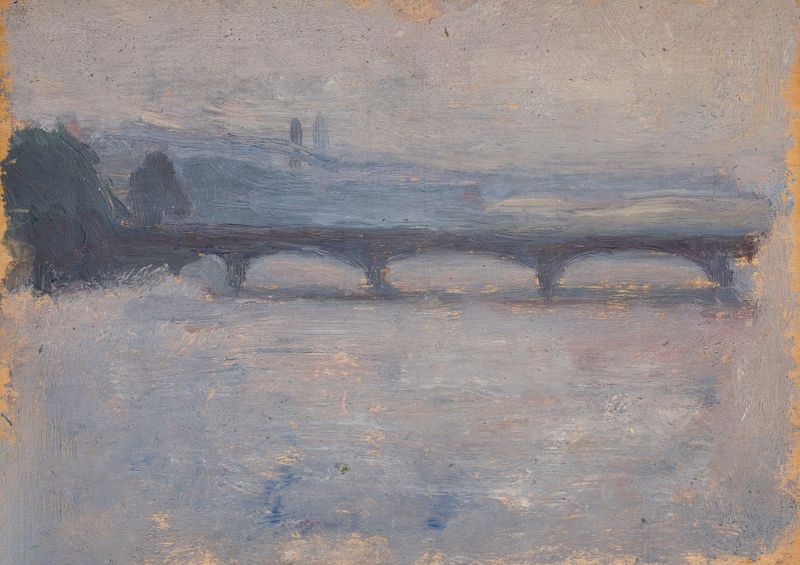
Bridge on the Seine
Tadeusz Makowski





