
La chapelle à Cagnes — História e Análise
What if silence could speak through light? In La chapelle à Cagnes, Pierre-Auguste Renoir captures the essence of divinity in a moment of stillness, where nature’s tranquility intertwines with human spirituality. Look to the center, where the chapel stands, its soft hues of cream and pale blue inviting the viewer’s gaze. Notice how the dappled sunlight filters through the trees, casting intricate patterns on the ground below. The warm, inviting colors blend harmoniously, evoking a sense of peace and reverence that envelops the scene.
Your eyes may wander to the delicate brushstrokes that bring texture to the leaves, revealing Renoir's mastery of light and shadow. In this work, the contrast between the natural world and the man-made structure speaks volumes about the relationship between the divine and the earthly. The chapel, though small, commands attention as it embodies a sanctuary amidst the vibrant life outside. The careful placement of the trees suggests a protective embrace, while the ethereal glow around the building hints at a spiritual presence.
Here, the artist invites us to contemplate not just what lies before us, but the silent conversations that echo within these sacred walls. Created in 1899 in the south of France, Renoir painted La chapelle à Cagnes during a period of great experimentation and personal reflection. He sought to meld Impressionist techniques with a more structured composition, capturing not only the beauty of the landscape but also the transcendent quality of light. This era marked a significant time in the art world, as artists began to explore themes that celebrated both nature and the spiritual, revealing a deeper connection to the divine.
Mais obras de Pierre-Auguste Renoir
Ver tudo →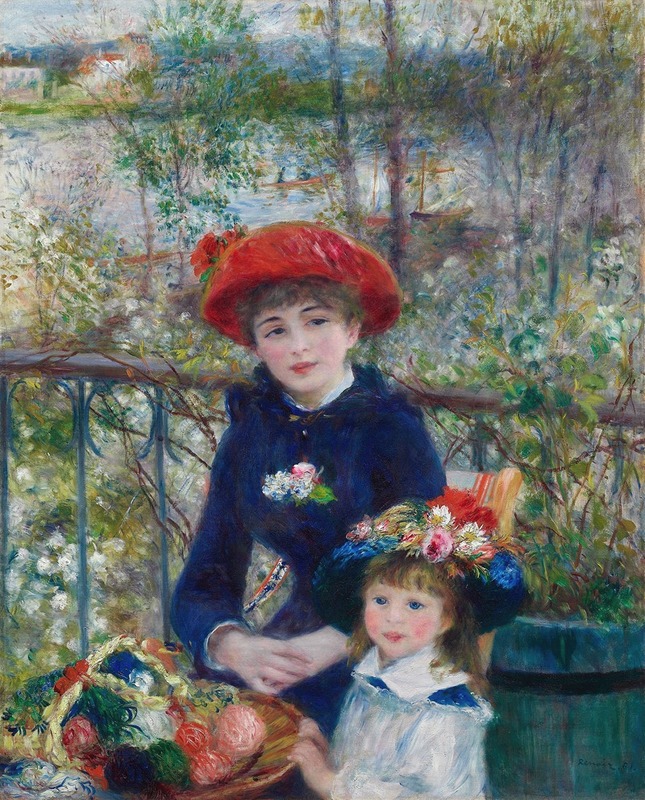
Two Sisters (On the Terrace)
Pierre-Auguste Renoir
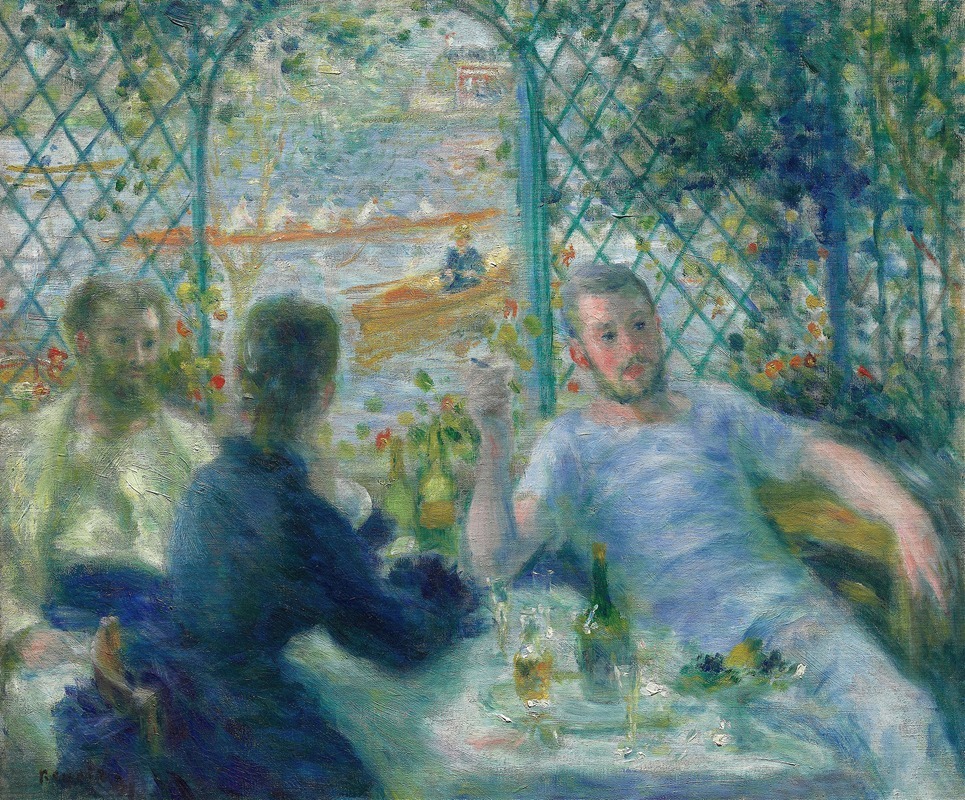
Lunch at the Restaurant Fournaise (The Rowers' Lunch)
Pierre-Auguste Renoir
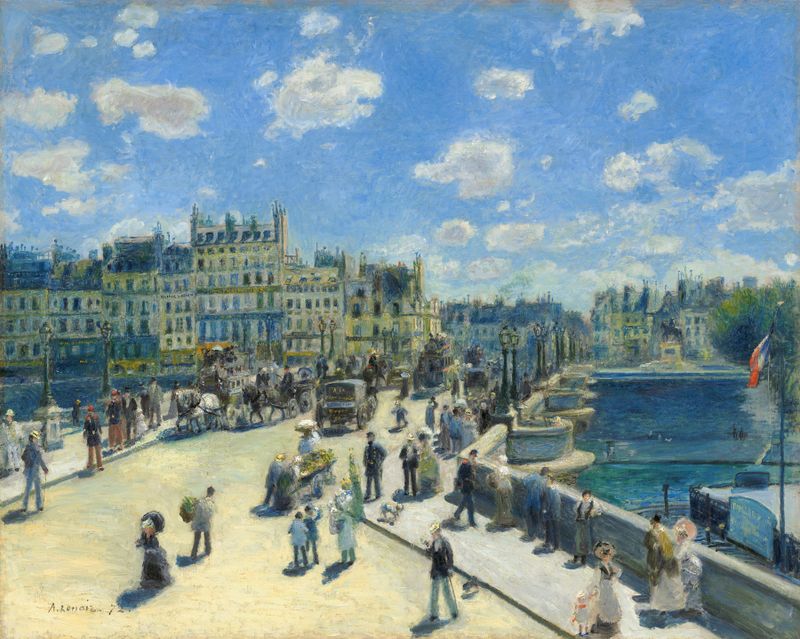
Pont Neuf, Paris
Pierre-Auguste Renoir
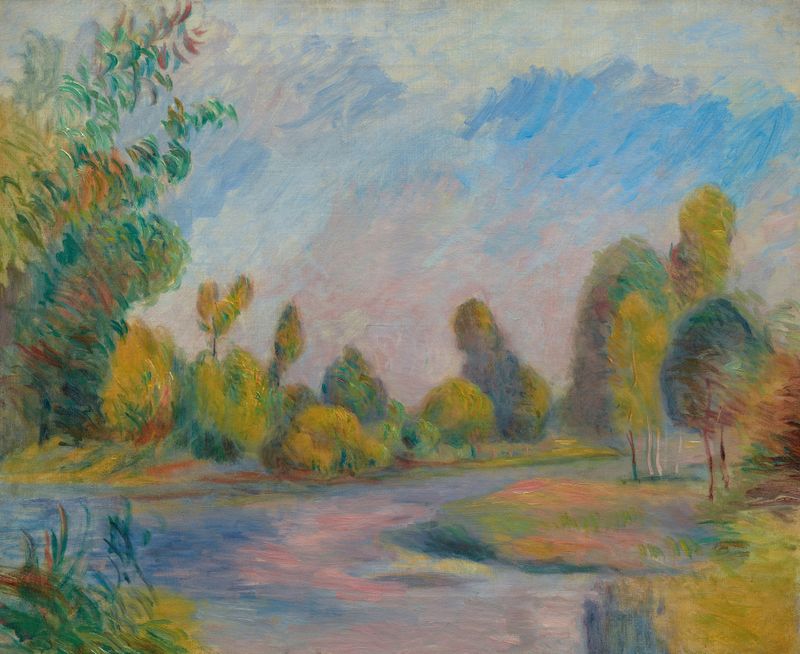
Au bord de la rivière
Pierre-Auguste Renoir

Near the Lake
Pierre-Auguste Renoir
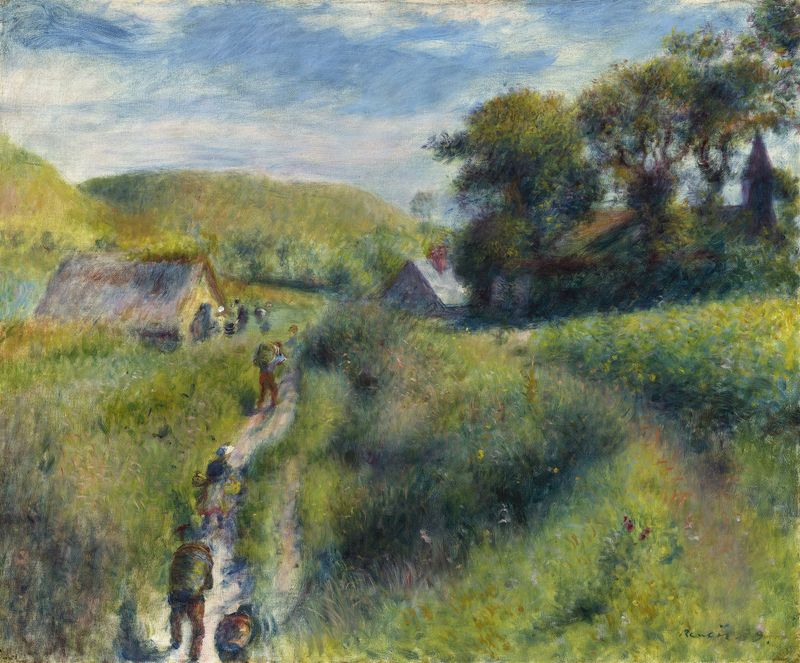
The Mussel Harvest
Pierre-Auguste Renoir

The Seine at Chatou
Pierre-Auguste Renoir
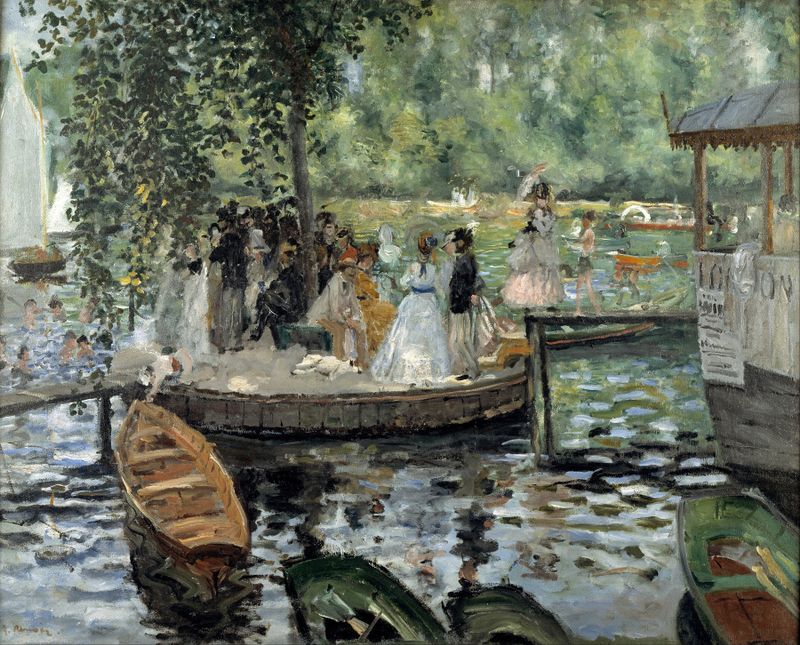
La Grenouillère
Pierre-Auguste Renoir
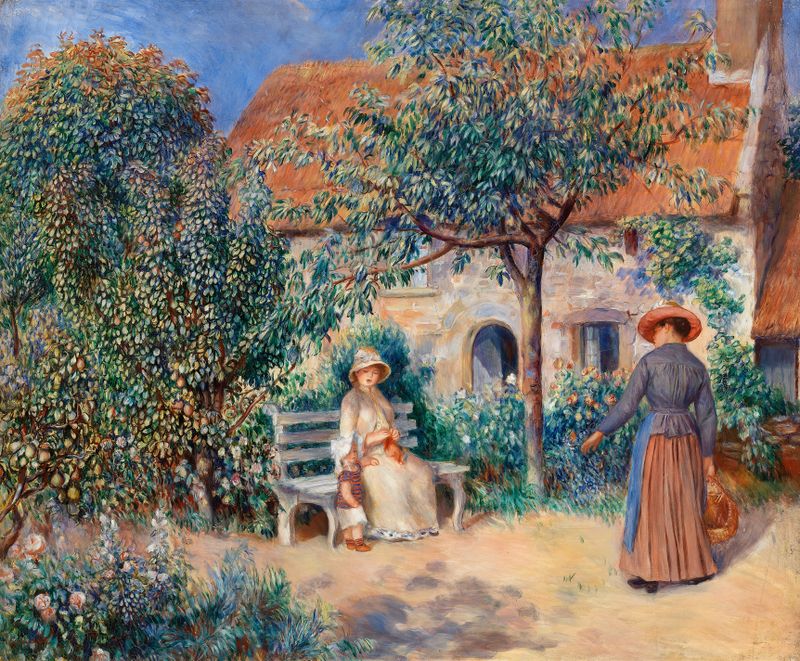
In Brittany (En Bretagne)
Pierre-Auguste Renoir
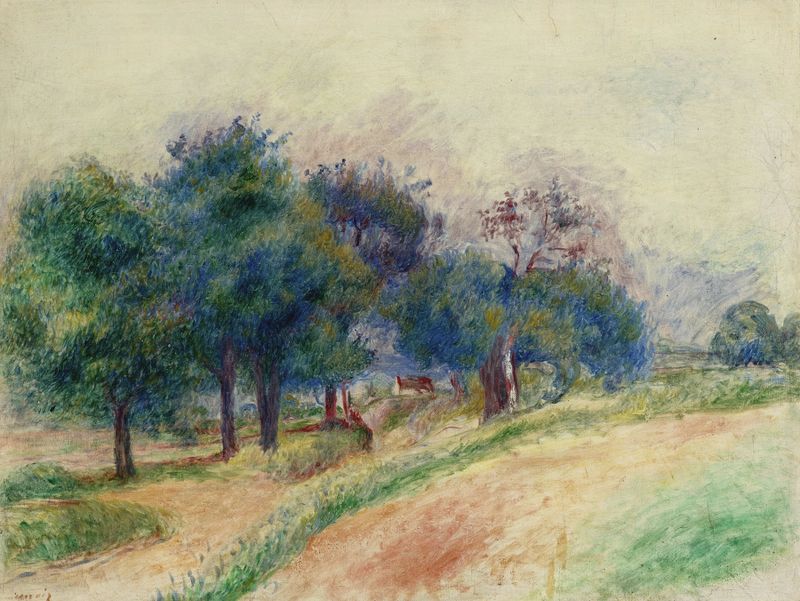
Paysage d’Essoyes
Pierre-Auguste Renoir





